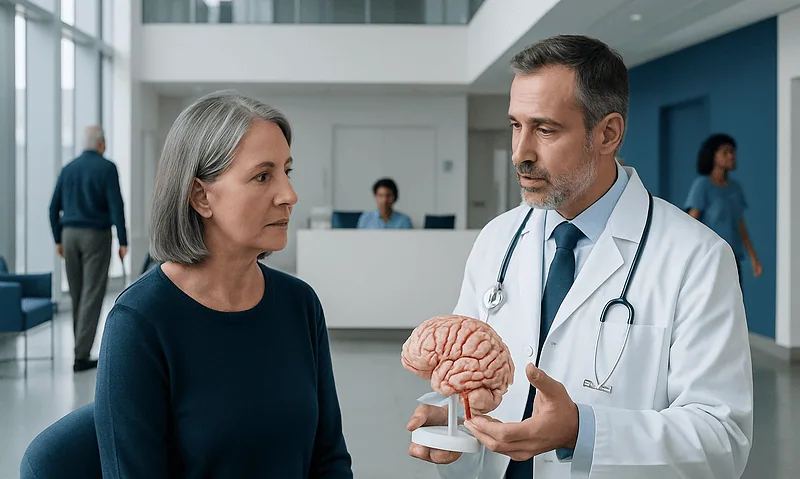
Twitches: What Patients Need to Know

Most twitches are benign and improve when triggers such as stress, poor sleep, or excess caffeine are addressed. Twitches can affect the eyelid, calf, thigh, arm, or other muscles and may come and go over days or weeks.
Key Takeaways
- Most twitches are benign and improve when triggers such as stress, poor sleep, or excess caffeine are addressed.
- Twitches can affect the eyelid, calf, thigh, arm, or other muscles and may come and go over days or weeks.
- Medical review is important if twitching is persistent, spreading, painful, or linked with weakness, numbness, or muscle loss.
- Doctors diagnose the cause by reviewing symptoms, examining the nervous system, and sometimes ordering blood tests or nerve and muscle studies.
- Treatment depends on the cause and may include lifestyle changes, correcting deficiencies, or treating an underlying nerve, muscle, or thyroid condition.
Twitches are small, involuntary muscle movements that are often temporary and harmless. They commonly happen with stress, fatigue, caffeine, exercise, or minor irritation of a nerve, but ongoing or bothersome twitching may need medical evaluation.
Overview: what twitches usually mean
Twitches are brief, involuntary contractions of a muscle or part of a muscle. Many people notice them as a flutter under the skin in the eyelid, calf, thigh, foot, or arm. In medical terms, these visible muscle movements are often called fasciculations.
In most cases, twitches are not dangerous. They may happen after exercise, during periods of stress, when someone is tired, or after taking in more caffeine or nicotine than usual. Some people have occasional twitches for no clear reason, and they settle on their own.
Even though twitches are often harmless, context matters. A doctor is more concerned when twitching lasts for a long time, becomes more frequent, affects several parts of the body, or occurs together with weakness, muscle wasting, numbness, cramping, or changes in speaking, swallowing, or walking.
Because twitching can come from the muscles, the nerves that supply them, or the body’s chemistry, it is best understood as a symptom rather than a single disease. A careful review of patterns and associated symptoms usually helps guide the next steps.
How twitches can feel and where they happen
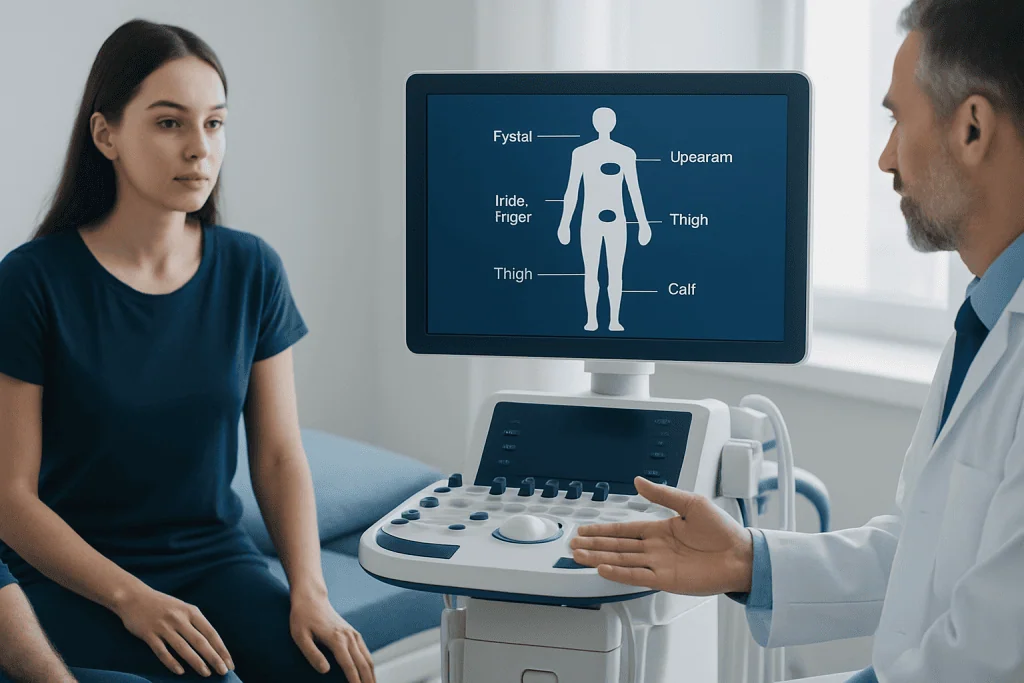
Twitches can feel like a flicker, jump, pulse, vibration, or tiny shock inside the muscle. They may be visible to the eye or only felt by the person. A twitch may last a few seconds, recur several times a day, or come and go over weeks.
Common locations include the eyelids, calves, thighs, feet, shoulders, and hands. Eyelid twitching is especially common and is often linked to fatigue, eye strain, stress, or caffeine. Muscle twitches in the legs may be more noticeable after exercise or at rest in the evening.
Some people also describe cramps, stiffness, or a sense that the muscle is unusually active. However, a twitch is different from a tremor. Tremor is a rhythmic shaking movement, while a twitch is usually brief and irregular. If a person is unsure which type of movement they have, a medical assessment can help clarify it.
- Single, occasional twitch in one area: often benign
- Repeated eyelid twitching: commonly linked to lifestyle triggers
- Twitches after exercise: often temporary and related to muscle fatigue
- Twitches with weakness or wasting: needs prompt medical evaluation
Common causes and risk factors

The most common causes of twitches are everyday triggers rather than serious disease. Lack of sleep, emotional stress, anxiety, strenuous exercise, dehydration, caffeine, nicotine, and some over-the-counter or prescription medicines can all make muscles more irritable. In these situations, the twitching often improves when the trigger is reduced.
Body chemistry can also play a role. Low levels of certain minerals, such as magnesium, calcium, or potassium, may contribute in some cases. Thyroid problems, especially an overactive thyroid, can increase muscle activity and make twitching more noticeable. Illnesses that affect fluid balance or general nutrition may contribute as well.
Sometimes twitches come from irritation or dysfunction in the nerves. This may happen with a pinched nerve, peripheral nerve disorders, or conditions affecting the motor neurons. Less commonly, twitching can be seen in neuromuscular conditions that also cause weakness, muscle loss, trouble with coordination, or changes in reflexes. If symptoms suggest a broader nerve or muscle problem, the doctor may evaluate for movement disorders such as Parkinson's disease or other neurological conditions when clinically relevant, though Parkinson’s disease itself more often causes tremor than simple twitches.
Risk factors for more frequent twitches include high stimulant intake, poor sleep, heavy physical training, chronic stress, and certain medications. People who spend long hours on screens may also notice eyelid twitching because of eye fatigue and dryness.
How doctors evaluate twitches
Diagnosis starts with the story of the symptom. The doctor usually asks when the twitching began, which muscles are involved, whether it happens at rest or after activity, how often it occurs, and whether there are triggers such as stress, caffeine, exercise, or poor sleep. Associated symptoms are especially important, including weakness, numbness, pain, cramps, trouble swallowing, balance changes, or weight loss.
A physical and neurological examination follows. The doctor looks for muscle strength, muscle bulk, tone, reflexes, coordination, sensation, and visible twitching. This examination often helps separate a benign pattern from one that needs a more detailed workup.
Tests are not always necessary. If the pattern suggests a benign cause, the person may only need observation and lifestyle adjustments. When the cause is unclear or concerning features are present, a doctor may order blood tests to check thyroid function, electrolyte levels, kidney function, vitamin levels, or markers of inflammation.
In selected cases, further testing may include nerve conduction studies and electromyography (EMG), which assess how nerves and muscles are functioning. If there are symptoms pointing to the brain or spinal cord, imaging such as MRI may be advised to look for structural causes.
Treatment options and what helps
Treatment depends on the underlying cause. For benign twitching related to sleep loss, stress, exercise, or stimulants, the first step is usually practical self-care. Better sleep habits, hydration, moderation of caffeine, and managing stress often reduce symptoms significantly over time.
If a medication appears to be contributing, a doctor may review whether an alternative is appropriate. People should not stop prescription medicines on their own, especially if they are used for blood pressure, mental health, asthma, or other chronic conditions.
When tests show a correctable issue, treatment is directed at that problem. This may include managing a thyroid disorder, replacing a vitamin or mineral deficiency when confirmed, or treating a nerve or muscle condition. If the twitching is linked with another neurological diagnosis, care may involve a neurologist and targeted therapies. In some cases, doctors also use physical therapy and rehabilitation to support muscle function, posture, and daily comfort.
Reassurance is also part of treatment. Many patients become more aware of twitching once they notice it, which can make it seem more frequent. Understanding that many twitches are benign can reduce worry and help break a cycle in which anxiety makes symptoms feel worse.
Self-care, prevention, and symptom tracking
There is no single way to prevent all twitches, but healthy routines can lower the chances of common, benign episodes. Regular sleep, balanced meals, sensible hydration, and avoiding excessive caffeine or nicotine are useful starting points. Pacing intense exercise and allowing muscles time to recover can also help.
Stress management matters because many people notice more twitching during periods of tension. Relaxation practices, gentle activity, stretching, and reducing prolonged screen time may be helpful, especially for eyelid twitching. If dry eyes are a factor, an eye specialist can advise on appropriate care.
Keeping a brief symptom diary can make medical visits more useful. It can include the time of day, muscle involved, duration, possible triggers, exercise, sleep quality, caffeine intake, and any accompanying symptoms such as cramps or weakness. Patterns often become clearer over a few weeks.
People should avoid self-prescribing supplements in large amounts unless a clinician has recommended them. Although deficiencies can contribute in some cases, supplements are not always needed and may interact with medicines or cause side effects.
When to seek medical care
Medical advice is appropriate if twitches continue for several weeks, become more frequent, spread to other muscles, or interfere with daily life. It is also sensible to book an appointment if there is no obvious trigger or if the person is worried about what the symptom may mean.
Prompt assessment is especially important when twitching occurs together with true muscle weakness, muscle wasting, difficulty walking, numbness, severe cramps, trouble speaking or swallowing, or changes in bladder or bowel control. These features suggest that the twitching may be part of a broader neurological or medical problem rather than a simple benign symptom.
Emergency care is needed if twitching is associated with sudden severe weakness, facial drooping, confusion, seizure, collapse, or trouble breathing. Although these situations are uncommon, they should not be watched at home.
For patients who need specialist assessment, Acibadem International’s multidisciplinary teams in JCI-accredited hospitals evaluate neurological symptoms for international patients and arrange testing when needed, including neurology care.
Frequently asked questions
Are twitches usually serious?
Most twitches are not serious and are linked to common triggers such as fatigue, stress, caffeine, or recent exercise. They often improve on their own or with simple lifestyle changes. A doctor should assess them if they persist or come with weakness, numbness, or muscle loss.
What is the difference between a twitch and a tremor?
A twitch is a brief, irregular muscle contraction that may look like a flutter under the skin. A tremor is a more rhythmic shaking movement, often affecting the hands or another body part during action or at rest. The distinction can help doctors narrow down the cause.
Why does eyelid twitching happen?
Eyelid twitching is commonly related to stress, lack of sleep, eye strain, dry eyes, or too much caffeine. It is usually benign and temporary. If it is persistent, affects vision, or is associated with facial weakness, medical advice is appropriate.
Can anxiety cause muscle twitches?
Yes. Anxiety and stress can make nerves and muscles more reactive, which may lead to twitches or make existing twitching more noticeable. Good sleep, reducing stimulants, and stress-management strategies often help, but ongoing symptoms should still be discussed with a clinician.
Do vitamin or mineral deficiencies cause twitches?
They can in some cases, particularly if there are electrolyte imbalances or nutritional deficiencies. However, not every person with twitching has a deficiency. A doctor can decide whether blood tests are needed rather than relying on supplements alone.
What tests might be needed for persistent twitches?
Depending on the symptoms, a doctor may recommend blood tests to check thyroid function, electrolytes, kidney function, or vitamin levels. If there are concerning signs, nerve conduction studies, EMG, or imaging may be used to look more closely at nerve or muscle causes.
This article is for general information only and is not a substitute for professional medical advice. Please consult a qualified doctor about your individual situation.
Explore treatments in Turkey — costs, top hospitals & a free quote
JCI-accredited · board-certified surgeons · reply within 24h
Add us as a Preferred Source to see more of our trusted health content across Google Search, AI Overviews and Discover.

More from the Health Library

Grounding Techniques — Explained by Medical Evidence, Not Myths

Anaphylactic: What Patients Need to Know

Ankle Fracture — Explained by Medical Evidence, Not Myths

Bloody Nose Causes: What Patients Need to Know

Krill Oil Benefits: What Patients Need to Know