

CLL Treatment Side Effects: What to Expect and How to Manage

Side effects depend on the CLL treatment used, overall health, other medicines, and previous treatments. Infections and low blood counts are important complications to recognize early during CLL care.
Key Takeaways
- Side effects depend on the CLL treatment used, overall health, other medicines, and previous treatments.
- Infections and low blood counts are important complications to recognize early during CLL care.
- New targeted therapies are often taken at home, but they still require regular blood tests and specialist follow-up.
- Treatment effectiveness is assessed through symptoms, blood counts, physical examination, and sometimes imaging or bone marrow testing.
- Fever, breathing difficulty, unusual bleeding, severe diarrhea, or sudden worsening symptoms require prompt medical advice.
CLL treatment side effects vary by therapy and may include fatigue, infections, low blood counts, nausea, diarrhea, bruising, or infusion reactions. The oncology team monitors for these effects closely and can often reduce their impact through testing, preventive medicines, dose adjustments, and supportive care.
CLL Treatment Side Effects: An Overview
CLL treatment side effects can range from mild tiredness or stomach upset to low blood counts and a higher chance of infection. What a person experiences depends on the treatment type, including targeted tablets, antibody-based infusions, chemotherapy, cellular therapies, or stem cell transplantation in selected situations. Not everyone develops the same side effects, and many effects can be anticipated and managed.
<a href="https://acibademinternational.com/diseases/chronic-lymphocytic-leukemia/”>Chronic lymphocytic leukemia (CLL) is often slow growing. Some people do not need treatment immediately and are monitored with regular appointments, an approach commonly called active surveillance or watchful waiting. Starting treatment is usually based on symptoms, progressive low blood counts, enlarging lymph nodes or spleen, or evidence that the leukemia is becoming more active—not on the diagnosis alone.
Modern CLL care aims to control leukemia while protecting day-to-day wellbeing. Before treatment begins, the hematology team reviews blood tests, genetic and molecular features of the leukemia, heart and kidney health, infection history, vaccines, and current medicines. This assessment helps select a treatment plan with an appropriate balance of likely benefit and possible risks.
How CLL Treatments Work and Who May Need Them
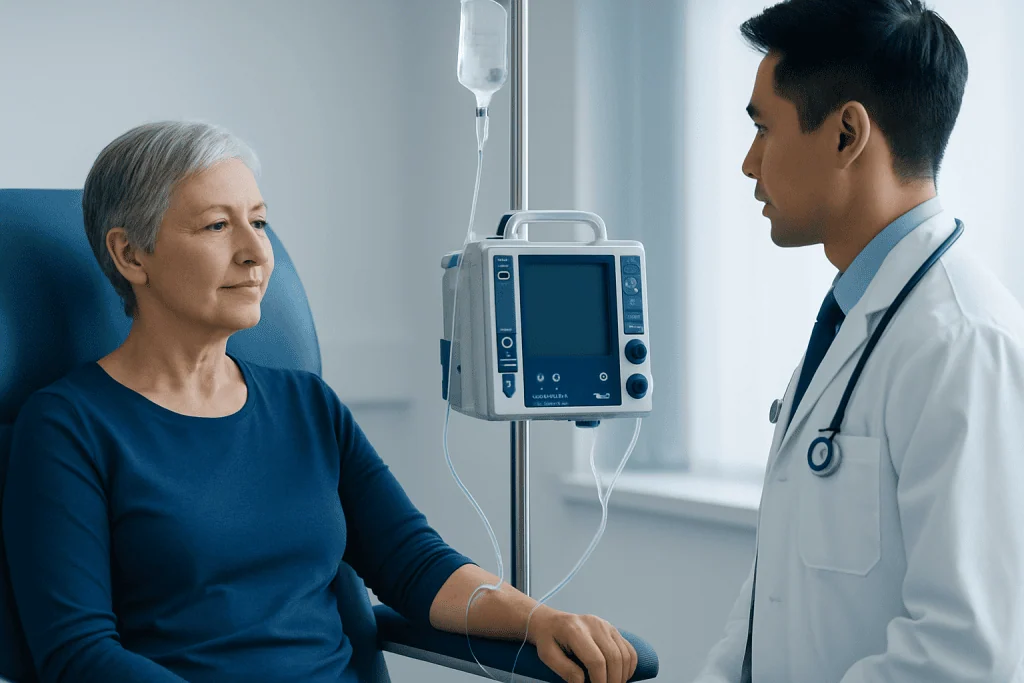
CLL treatments work in different ways. Targeted medicines interfere with survival signals used by leukemia cells, while monoclonal antibodies attach to proteins on CLL cells and help the immune system recognize them. In some cases, chemotherapy-based treatment may still be considered. More intensive approaches, such as cellular therapy or stem cell transplantation, are generally reserved for selected people with CLL that has returned or has not responded to multiple treatments.
Targeted treatment can be continuous or given for a planned, fixed duration, depending on the medicine and the individual situation. Tablets may be taken daily at home, whereas antibody therapy is usually administered by infusion or injection in a clinical setting. A clinician will explain how the recommended option works, how long it is likely to continue, required monitoring, and possible interactions with other prescriptions, supplements, and foods.
CLL treatment effectiveness is not measured by one result alone. Clinicians consider whether symptoms improve, swollen lymph nodes or spleen reduce, blood counts recover, and leukemia cells decrease. A good response can be durable, but CLL may relapse after a period of remission. The term CLL treatment success therefore differs from person to person and should be discussed in the context of disease features and treatment goals.
Terms such as “CLL treatment stage 3” can be confusing because staging systems differ. In the Rai system, stage III refers to CLL with anemia, while other staging systems classify disease differently. Staging helps describe disease burden, but treatment decisions also depend on symptoms, blood counts, genetic findings, general health, and patient preferences.
What to Expect During Treatment and Follow-Up

Before therapy, patients may have blood tests, a physical examination, and screening for infections such as hepatitis B. Depending on the treatment, clinicians may also check heart rhythm, kidney function, tumor burden, and vaccination history. These checks identify risks that can be reduced before treatment starts and provide a baseline for later comparison.
During infusion-based treatment, a person is observed for reactions such as fever, chills, rash, itching, nausea, dizziness, or changes in blood pressure. Some reactions occur most often with the first dose and can often be reduced with pre-treatment medicines and slower infusion rates. The clinical team provides instructions on symptoms to report during and after an infusion.
For oral targeted medicines, the practical routine includes taking the medicine exactly as prescribed, attending scheduled blood tests, and telling the team about all other products used. Certain medicines can interact with CLL treatment, including some antibiotics, antifungal medicines, heart medicines, blood thinners, and herbal products. Patients should not start, stop, or change any medicine without consulting the prescribing team.
Follow-up continues throughout treatment and after it finishes. Visits may be frequent at first and then become less frequent as the treatment plan stabilizes. Recovery timelines vary: infusion reactions usually occur on the treatment day or shortly afterward, digestive effects may improve over days or weeks, and low blood counts can require longer monitoring. Persistent fatigue may improve gradually as blood counts and disease-related symptoms recover.
Common CLL Treatment Side Effects and How They Are Managed
Fatigue is one of the most common concerns. It can be related to treatment, anemia, disrupted sleep, infection, emotional stress, reduced activity, or CLL itself. Gentle activity as tolerated, regular meals, adequate fluids, sleep routines, and evaluation for treatable causes can help. Severe or sudden fatigue should be reported, especially if it occurs with breathlessness, fever, dizziness, or chest symptoms.
Low blood counts may develop because CLL affects the bone marrow and because some treatments temporarily suppress blood cell production. Low neutrophil levels increase infection risk; low red cells can cause anemia and breathlessness; and low platelets may lead to easier bruising or bleeding. Blood tests help detect these changes early. Management may include closer monitoring, infection-prevention measures, treatment pauses or modifications, growth-factor support, transfusion in appropriate cases, or treatment for an underlying infection.
Digestive effects such as nausea, reduced appetite, diarrhea, constipation, or abdominal discomfort can occur with certain therapies. The best approach depends on the symptom and medicine involved. Patients should maintain fluids where possible and contact their team for persistent diarrhea, inability to drink, severe abdominal pain, black stools, or signs of dehydration. Clinicians can recommend safe symptom-relief medicines when needed.
Some targeted medicines can increase bruising or bleeding risk, affect heart rhythm, raise blood pressure, or increase the chance of specific infections. Other treatments can trigger tumor lysis syndrome, a rapid release of substances from breaking-down cancer cells that can affect the kidneys and heart. Careful dose escalation, fluids, preventive medication, and blood monitoring are used when this risk is relevant.
- Keep a written list of symptoms, temperatures, medicines, and questions for appointments.
- Ask the care team which symptoms need an urgent call and which can wait until the next visit.
- Do not use over-the-counter pain medicines, supplements, or herbal remedies without checking for interactions.
- Ask whether preventive antiviral, antibacterial, or other medicines are appropriate for the planned therapy.
What Is the Most Common Complication of Chronic Lymphocytic Leukemia (CLL)?
Infections are among the most common and clinically important complications of chronic lymphocytic leukemia. CLL can weaken immune function even before treatment begins, and some treatments can further reduce infection-fighting cells or antibody production. Respiratory infections are common, but infections can affect other parts of the body as well.
Prevention is individualized. It may include recommended non-live vaccines, hand hygiene, dental care, avoiding close contact with people who are acutely unwell, and prompt assessment of fever or new respiratory symptoms. Live vaccines are generally not suitable for many people with CLL, so patients should ask their hematology team before receiving any vaccine.
Other important complications include anemia, low platelets, autoimmune destruction of blood cells, enlarged lymph nodes or spleen, and, less commonly, transformation to a more aggressive lymphoma. Regular follow-up helps clinicians identify changes early. A new symptom does not automatically mean a serious complication, but it should be discussed rather than ignored.
What Not to Do When You Have CLL?
People with CLL should not delay reporting fever, chills, worsening cough, shortness of breath, painful urination, or other possible infection symptoms. They should also avoid stopping CLL medicines suddenly or altering doses on their own, even if side effects are troublesome. The care team can advise whether a pause, dose adjustment, or supportive treatment is appropriate.
It is important not to assume that “natural” products are harmless. Herbal preparations, high-dose vitamins, and supplements can interact with cancer medicines or increase bleeding risk. Alcohol intake should be discussed if there are liver concerns, low platelets, medication interactions, or difficulties maintaining nutrition and hydration.
People with CLL should avoid exposure to live vaccines unless their specialist specifically advises otherwise. They should also avoid close contact with people who have contagious illnesses when possible. Sensible infection precautions are useful, but isolation is usually unnecessary; patients can ask the team for guidance tailored to their immune status, treatment, work, travel, and family circumstances.
What Are the Signs That CLL Is Getting Worse?
Possible signs of more active CLL include increasing fatigue, unintentional weight loss, persistent fevers without another explanation, drenching night sweats, frequent infections, enlarging or uncomfortable lymph nodes, and a sense of fullness under the ribs from an enlarged spleen. Worsening anemia may cause breathlessness, paleness, dizziness, or reduced exercise tolerance, while low platelets can cause new bruising, pinpoint red spots, nosebleeds, or bleeding gums.
These symptoms can have many causes, including infection, medication effects, or unrelated conditions. For that reason, symptoms alone cannot confirm CLL progression. Blood tests, examination, and sometimes imaging or bone marrow assessment help the clinical team determine what is happening and whether treatment is needed or should be changed.
Rapidly enlarging lymph nodes, new severe pain, marked decline in general condition, or rapidly worsening constitutional symptoms should be assessed promptly. The clinician may evaluate for infection, treatment complications, or less common changes in the behavior of the disease.
How to Stop CLL From Progressing and When to Seek Medical Care
There is no proven lifestyle method that can reliably stop CLL from progressing. However, regular hematology follow-up, attending blood tests, taking prescribed treatment correctly, avoiding tobacco, maintaining nutrition and physical activity as able, managing other health conditions, and reducing infection risks all support overall health. Treatment is started or changed when there is a clear medical indication, rather than solely to prevent future progression in people with stable early CLL.
Patients should contact their hematology or oncology team urgently for a fever according to the threshold they have been given, shaking chills, breathing difficulty, confusion, severe weakness, uncontrolled vomiting or diarrhea, unusual bleeding, black stools, rapidly spreading rash, or inability to keep fluids down. Emergency care is appropriate for severe chest pain, fainting, major bleeding, or significant difficulty breathing.
For non-urgent concerns, patients should call the care team about new side effects, persistent tiredness, changes in bowel habits, new bruising, palpitations, or symptoms that interfere with daily life. Acibadem International’s multidisciplinary specialists and JCI-accredited hospitals provide assessment and treatment planning for international patients with CLL, including coordinated monitoring of treatment effects.
Frequently asked questions
Do all people with CLL need treatment right away?
No. Many people with CLL do not need immediate treatment and are safely monitored with regular visits and blood tests. Treatment is usually recommended when symptoms, progressive low blood counts, enlarging organs or lymph nodes, or other signs show that the disease is active.
How long do CLL treatment side effects last?
The duration depends on the treatment and the side effect. Infusion reactions usually occur during or shortly after treatment, while fatigue, digestive symptoms, and blood count changes may persist for days, weeks, or longer. The care team can assess persistent symptoms and adjust the plan when appropriate.
Can CLL treatment cause infections?
Yes. CLL itself can weaken immune defenses, and some treatments further increase infection risk by lowering certain blood cells or antibodies. Patients should follow the infection-prevention plan provided by their specialist and report fever or other infection symptoms promptly.
Can CLL treatment be stopped if side effects are difficult?
Patients should not stop treatment without medical advice. Some side effects can be managed with supportive care, changes to timing, temporary interruption, or a modified dose, but the safest approach depends on the specific medicine and the person's health.
Does a good response to treatment mean CLL is cured?
A good response means the leukemia has reduced or is controlled, often with improvement in symptoms and blood counts. CLL is usually considered a long-term condition that may return after remission, although many people have prolonged periods of disease control with modern treatment.
What should a person tell the CLL team before starting a new medicine?
They should report all prescription medicines, over-the-counter products, vitamins, herbal supplements, allergies, previous treatment reactions, and any history of heart, liver, kidney, or bleeding problems. This helps the team identify possible interactions and choose appropriate monitoring.
References
- National Cancer Institute
- Leukemia & Lymphoma Society
- American Cancer Society
- European Society for Medical Oncology
- National Comprehensive Cancer Network
This article is for general information only and is not a substitute for professional medical advice. Please consult a qualified doctor about your individual situation.
Persistent digestive symptoms? Get evaluated in Turkey
JCI-accredited · board-certified surgeons · reply within 24h
Add us as a Preferred Source to see more of our trusted health content across Google Search, AI Overviews and Discover.
Check your numbers in seconds
BMI, calories, due date, blood pressure and 30+ more clinical calculators — free, instant, doctor-reviewed ranges.

More from the Health Library



Related Specialists

Prof. Dr. Haluk Esgin
Ophthalmology
Dt. Songül Özdemir Eğilmez
Oral & Dental Health
Dr. Ş.Sertaç Esin
Emergency Service
Assoc. Prof. Dr. Yasemin Koyuncu
Dermatology