Coccyx: What Patients Need to Know

The coccyx is the tailbone, a small triangular bone at the base of the spine. Pain in the coccyx often feels worse when sitting, leaning back, or standing up from a chair.
Key Takeaways
- The coccyx is the tailbone, a small triangular bone at the base of the spine.
- Pain in the coccyx often feels worse when sitting, leaning back, or standing up from a chair.
- Common causes include falls, repetitive pressure, childbirth, and strain to nearby muscles or ligaments.
- Most cases improve with rest, activity changes, cushions, and pain relief recommended by a clinician.
- Medical evaluation is important if pain is severe, follows trauma, or is associated with numbness, weakness, fever, or bowel or bladder changes.
The coccyx is the small tailbone at the very bottom of the spine, and it helps support sitting and provides attachment for muscles and ligaments. Coccyx pain is often linked to a fall, pressure from prolonged sitting, childbirth, or strain, and many cases improve with simple measures, though ongoing pain should be assessed by a doctor.
Overview: what the coccyx is and why it can hurt
The coccyx, commonly called the tailbone, is a small bone at the very end of the spine. It sits below the sacrum and is made up of several small fused segments. Although it is small, it plays an important role by helping bear weight when a person sits and by serving as an attachment point for muscles, tendons, and ligaments in the pelvic floor and lower back.
When patients ask about the coccyx, they usually want to understand why this area can become so painful. Coccyx pain, also called coccydynia, often happens after a direct impact such as a fall onto the buttocks. It may also develop more gradually from repeated pressure, poor sitting posture, cycling or rowing, childbirth, or irritation of the joints and soft tissues around the tailbone.
The symptoms can range from mild tenderness to pain that interferes with work, travel, exercise, sleep, or bowel movements. In many people, coccyx pain improves over days to weeks with conservative care. However, persistent or unusual symptoms deserve medical attention because pain in this region can sometimes reflect problems involving the lower spine, nearby nerves, joints, or pelvic structures.
Symptoms patients may notice
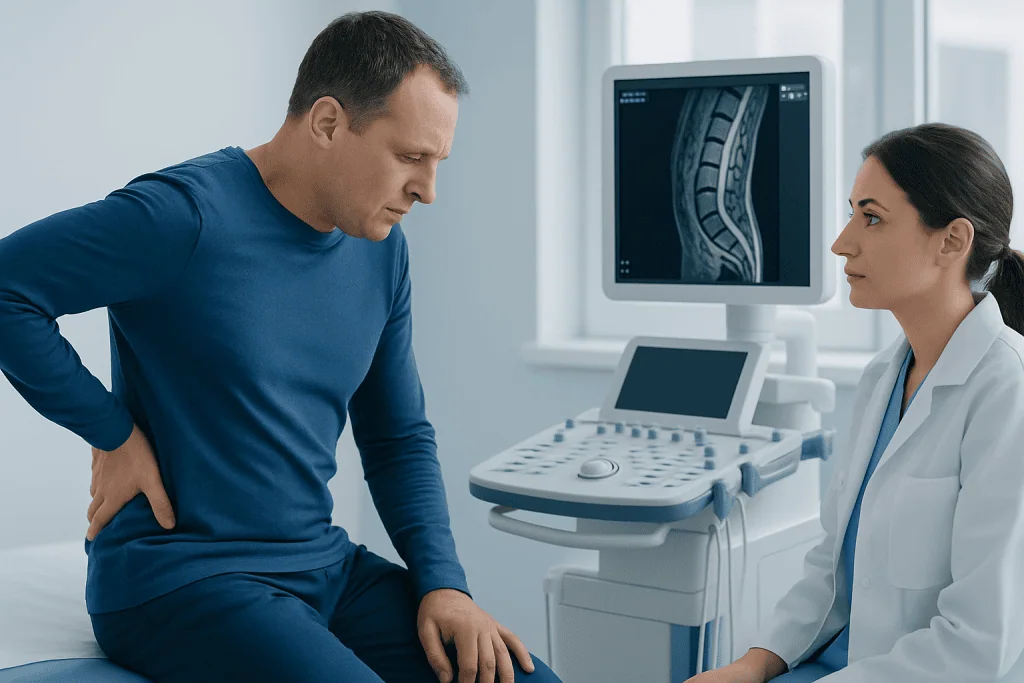
The most typical symptom is localized pain at the bottom of the spine, especially when sitting on a hard surface or leaning backward. Some patients describe a sharp or stabbing pain, while others feel a dull ache or pressure. The area may be tender to touch, and standing up after sitting can trigger a noticeable increase in discomfort.
Pain can also worsen during certain daily activities. Long car rides, desk work, bowel movements, sexual activity, or transitions such as sitting down and getting up may aggravate symptoms. If the surrounding muscles become tense, discomfort may spread into the buttocks, lower back, hips, or pelvis.
Symptoms that suggest a broader issue should not be ignored. These include numbness, weakness, pain radiating down the legs, fever, unexplained weight loss, night pain, or changes in bladder or bowel control. In some cases, what seems like coccyx pain may overlap with other causes of lower back symptoms, including lumbar disc problems or irritation of the sacroiliac region.
- Localized tenderness over the tailbone
- Pain when sitting, especially on firm chairs
- Discomfort when moving from sitting to standing
- Worsening pain after trauma or prolonged pressure
- Occasional pain during bowel movements or pelvic activity
Common causes and risk factors

A direct injury is one of the most common causes of coccyx pain. Falling backward onto the buttocks can bruise the bone, strain the ligaments, or in some cases cause a fracture or dislocation. Sports injuries and minor accidents can do the same, even if the event seemed mild at the time.
Not all coccyx pain follows a single injury. Repetitive strain from prolonged sitting, especially on hard or narrow surfaces, can irritate the coccyx over time. Activities that place repeated pressure on the tailbone, such as cycling or rowing, may contribute. Poor posture may increase stress on the lower spine and surrounding tissues, making symptoms more likely or prolonging recovery.
Childbirth is another recognized cause because pressure on the tailbone and surrounding ligaments during labor can lead to bruising or joint strain. Body weight may also influence risk. Both obesity and being very thin can change how weight is distributed while sitting. Less commonly, coccyx pain may relate to arthritis, inflammation, infection, tumors, or referred pain from the lower back or pelvic floor. Doctors may also consider nearby structural issues involving the spine when symptoms are persistent or posture is significantly affected.
How doctors diagnose coccyx pain
Diagnosis begins with a careful history. The doctor will ask when the pain started, whether there was a fall or childbirth, what makes symptoms better or worse, and whether there are warning signs such as fever, numbness, leg weakness, or bowel and bladder symptoms. This step helps distinguish straightforward coccyx pain from conditions affecting the lower back, nerves, hips, or pelvic organs.
A physical examination usually includes checking for tenderness over the coccyx, assessing posture and gait, and looking for reduced mobility, bruising, swelling, or muscle spasm. The lower back, hips, and sacroiliac joints may also be examined because pain can overlap between these areas. In some cases, the doctor may assess whether pain is coming from the joints around the coccyx or from nearby soft tissues.
Imaging is not always needed for recent, mild symptoms, but it may be useful when pain is severe, lasts longer than expected, follows significant trauma, or raises concern for a fracture, dislocation, infection, or another underlying problem. Depending on the situation, tests may include plain X-rays, MRI scanning, or CT imaging. If symptoms suggest a broader spinal cause, clinicians may also evaluate the lower spine and related structures with specialist orthopedic assessment.
Treatment options and recovery
Most coccyx pain improves with conservative treatment. Rest from aggravating activities, limiting prolonged sitting, and using a wedge or donut-style cushion can reduce direct pressure on the tailbone. Simple posture adjustments, such as leaning slightly forward while seated and changing position regularly, are often helpful. Patients may also benefit from applying ice soon after an injury or heat later if muscle tension is present.
Doctors may recommend pain relief options that are suitable for the individual, taking into account age, medical history, and other medications. Gentle stretching, pelvic floor relaxation, and physical therapy can improve mobility and reduce muscle guarding. If surrounding structures contribute to pain, rehabilitation can focus on posture, core stability, and movement patterns.
When symptoms do not improve, treatment may become more targeted. Some patients benefit from manual therapy, image-guided injections, or treatment of an underlying condition such as joint inflammation or lower spine disease. Surgery to remove part or all of the coccyx is uncommon and is usually considered only in selected cases after prolonged symptoms and careful specialist evaluation. A multidisciplinary approach is often most useful when pain has become chronic.
Prevention and self-care in daily life
While not every case can be prevented, reducing repeated pressure on the coccyx can lower the chance of symptoms returning. Using a supportive seat, taking breaks from long periods of sitting, and adjusting workstations can help many patients. For people whose hobbies or jobs involve vibration or pressure on the tailbone, changing equipment or technique may make a meaningful difference.
Posture matters because the coccyx is affected by how weight is distributed through the pelvis and lower spine. Sitting upright with the feet supported, avoiding slumping for long periods, and standing or walking regularly can reduce stress on the area. Strengthening and flexibility exercises for the hips, abdominal muscles, and lower back may also support more balanced movement.
After an injury, it is sensible to return to exercise gradually rather than pushing through pain. Patients who have recurrent symptoms should avoid repeatedly triggering the area and should seek guidance if they are unsure whether an activity is delaying healing. Near the end of the care pathway, some international patients may choose assessment at Acibadem International, where multidisciplinary specialists in JCI-accredited hospitals diagnose and treat coccyx-related conditions and associated spinal or musculoskeletal causes.
When to seek medical care
Many cases of coccyx pain settle with time and simple self-care, but medical review is appropriate if pain is severe, follows a significant fall or accident, or does not start to improve within a few weeks. Assessment is also important if sitting becomes very difficult, sleep is disrupted, or daily activities are limited.
Urgent medical attention is needed if coccyx pain is accompanied by weakness, numbness, loss of bladder or bowel control, fever, unexplained weight loss, or an open wound near the area. These features can point to a problem that needs prompt investigation rather than routine self-management.
Patients should also seek advice if they have a history of cancer, osteoporosis, spinal disease, or immune suppression, or if they are unsure whether the pain is truly coming from the tailbone. A qualified doctor can confirm the cause, recommend safe treatment, and decide whether imaging or referral is needed.
Frequently asked questions
What is the coccyx?
The coccyx is the tailbone, a small bony structure at the base of the spine below the sacrum. It helps support sitting and provides attachment for muscles, tendons, and ligaments in the pelvic region.
Why does the coccyx hurt when sitting?
Sitting places pressure directly on the tailbone, especially on firm surfaces or with poor posture. If the coccyx is bruised, strained, inflamed, or slightly unstable, that pressure can make pain much more noticeable.
Can coccyx pain go away on its own?
Yes, many cases improve gradually with rest, reduced pressure on the area, cushions, and simple pain management. However, persistent pain or symptoms after a major injury should be assessed by a doctor.
How long does a coccyx injury take to heal?
Recovery time varies depending on whether the injury is a bruise, ligament strain, or fracture. Some patients feel better in a few weeks, while others need a longer period of rehabilitation and activity modification.
Is coccyx pain a sign of cancer?
Most coccyx pain is not caused by cancer and is more often related to injury, pressure, or strain. Still, doctors may investigate further if there are red-flag symptoms such as unexplained weight loss, night pain, fever, or a known cancer history.
What kind of doctor treats coccyx pain?
Initial evaluation may be done by a primary care doctor, orthopedic specialist, spine specialist, or physical medicine and rehabilitation physician. Depending on the cause, treatment may also involve radiology, pain management, physical therapy, or pelvic floor specialists.
References
- National Institute of Arthritis and Musculoskeletal and Skin Diseases
- American Academy of Orthopaedic Surgeons
- National Health Service
- MedlinePlus
- Cleveland Clinic
This article is for general information only and is not a substitute for professional medical advice. Please consult a qualified doctor about your individual situation.
Joint and spine care in Turkey — expert assessment & treatment
JCI-accredited · board-certified surgeons · reply within 24h
Add us as a Preferred Source to see more of our trusted health content across Google Search, AI Overviews and Discover.