Cold Compress for Fever Blister: An Evidence-Based Guide for Patients
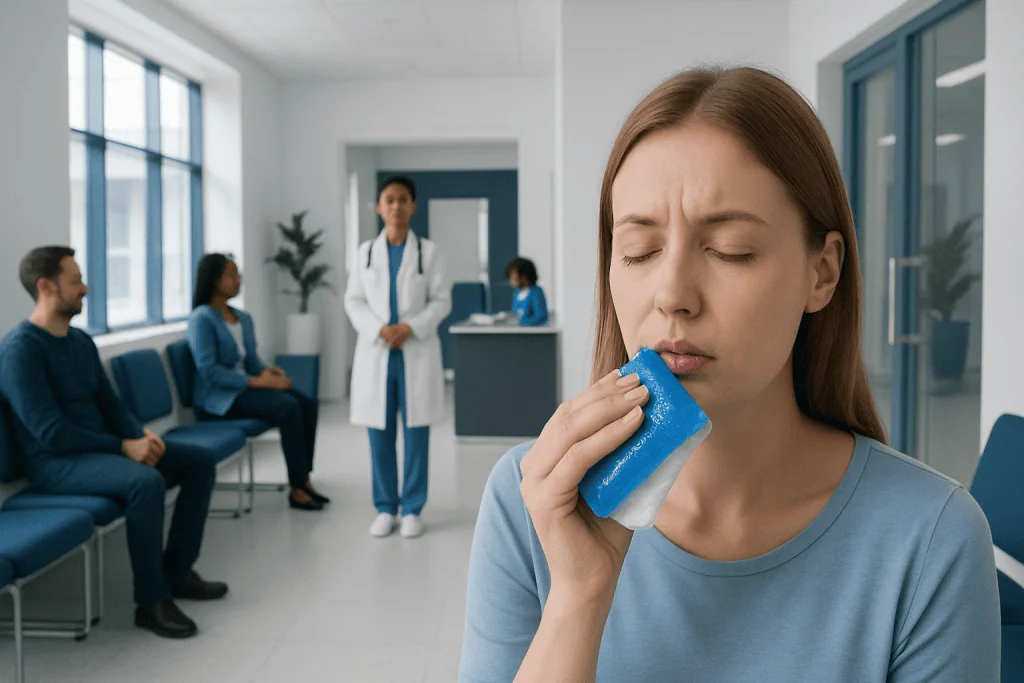
A cold compress may reduce discomfort, swelling, and redness from a fever blister. It does not kill the herpes simplex virus or shorten every outbreak on its own.
Key Takeaways
- A cold compress may reduce discomfort, swelling, and redness from a fever blister.
- It does not kill the herpes simplex virus or shorten every outbreak on its own.
- Clean technique matters to avoid irritating the skin or spreading the virus.
- Antiviral treatment may be helpful for frequent, severe, or early-stage outbreaks.
- Medical care is important for eye symptoms, severe pain, dehydration, or a weak immune system.
A cold compress for fever blister can help soothe pain, swelling, and tenderness, especially in the first days of an outbreak. It is a supportive home-care measure, not a cure, and it works best alongside gentle skin care and, when needed, medical treatment.
Overview: Can a cold compress help a fever blister?
Yes. A cold compress for fever blister can help relieve pain, burning, swelling, and throbbing. It is one of the simplest supportive measures patients can use at home, especially during the early tingling phase or when the blister feels inflamed and tender.
However, a cold compress does not remove the underlying cause. Fever blisters, also called cold sores, are usually caused by herpes simplex virus type 1. The virus remains in the body after the first infection and can reactivate later. Cooling the area may make a person more comfortable, but it does not eliminate the virus or replace medical treatment when treatment is indicated.
Patients often benefit most when a cold compress is used as part of a broader care plan. That may include avoiding friction, keeping the lips moisturized, protecting the skin from sun exposure, and asking a doctor whether an antiviral medicine is appropriate. For background on the condition itself, readers may find cold sore information helpful.
How a cold compress works and how to use it safely
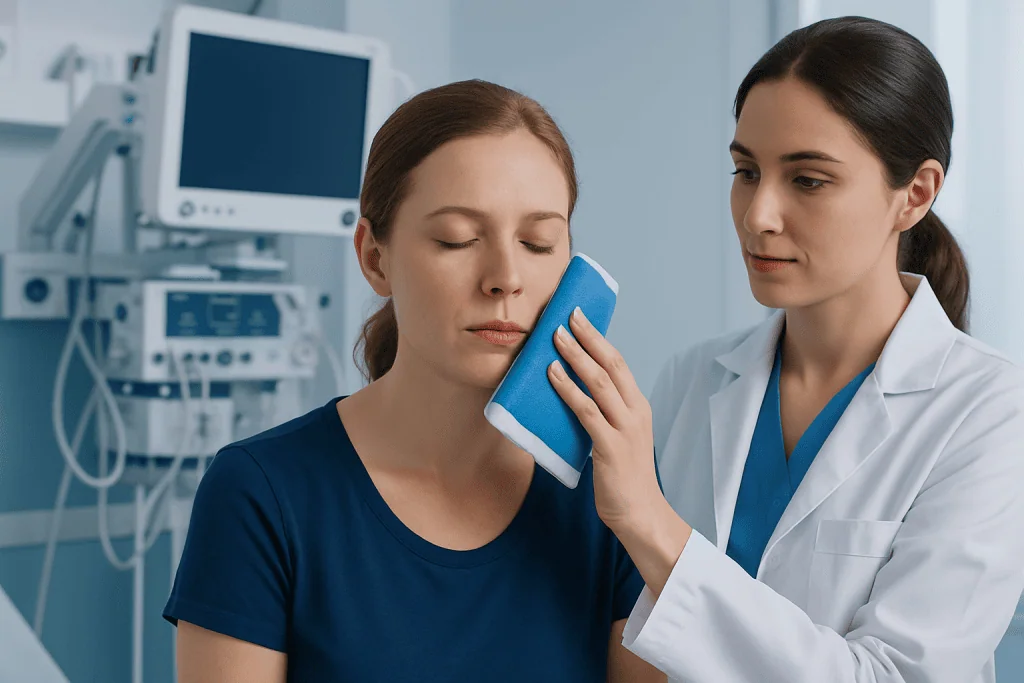
A cold compress works by narrowing small blood vessels and reducing local inflammation. This may lower swelling and numb the area slightly, which can ease pain and stinging. Some patients also find that cooling helps reduce the urge to touch or pick at the blister, which is important because friction can delay healing.
To use one safely, wrap a cold pack, a bag of ice, or a clean cloth chilled with cold water in a soft towel. Place it gently on the fever blister for about 5 to 10 minutes at a time. This can be repeated several times a day as needed, allowing the skin to warm up between sessions.
Ice should not be placed directly on the skin, especially on the delicate skin of the lips. Direct ice exposure can cause irritation or a mild cold injury. The compress should also be clean each time it is used, and it should not be shared with others.
Afterward, the area can be patted dry gently. If the lips feel cracked, a plain, non-irritating lip moisturizer may help protect the skin barrier. Products with strong fragrances, acids, or alcohol can sting and may worsen discomfort.
What a cold compress can and cannot do

It is helpful for patients to have realistic expectations. A cold compress can reduce symptoms, but it is not a direct antiviral treatment. It does not stop viral shedding, prevent every recurrence, or guarantee a shorter healing time. Some people notice clear relief, while others experience only mild benefit.
It may be most useful during the early and most inflamed stages of an outbreak, when the lip feels hot, swollen, or painful. Once a crust forms, cooling may still provide comfort, but gentle skin protection often becomes equally important. Healing usually still follows its natural course over several days.
If symptoms are significant or outbreaks are frequent, medical treatment may be more effective than home care alone. Doctors may recommend antiviral therapy, including antiviral treatment, particularly if treatment begins early in the outbreak. This is often considered for patients with recurrent sores, severe symptoms, or a higher risk of complications.
Recognizing a fever blister and common triggers
Fever blisters usually appear on or around the lips, though they can also affect the skin around the nose or mouth. Many patients first notice tingling, itching, burning, or tightness before a visible sore develops. This is often followed by small fluid-filled blisters that may break, ooze, and later crust over.
These sores are commonly triggered by factors that stress the body or skin. Triggers can include sunlight, fever, another illness, emotional stress, fatigue, lip injury, and hormonal changes. Not every patient has the same triggers, and learning personal patterns can help with prevention.
Because fever blisters are contagious, care should be taken during an active outbreak. The virus can spread through close skin contact, kissing, or sharing items such as lip balm, utensils, razors, or towels. Touching the sore and then touching the eyes or other sensitive areas should also be avoided.
Not every lip sore is a fever blister. Canker sores occur inside the mouth and are not caused by herpes simplex virus. Cracked lips, allergic reactions, and some skin infections can also mimic a cold sore, so persistent or unusual lesions should be assessed by a clinician.
Other supportive home-care steps
Along with a cold compress, simple supportive measures may make an outbreak easier to manage. Keeping the area clean and dry, avoiding picking, and limiting lip irritation are all helpful. Some patients prefer bland, soft foods if eating is uncomfortable, while acidic or salty foods may sting.
Hydration is also important. If lip pain makes drinking difficult, using cool liquids and avoiding very hot beverages can help. Good hand hygiene before and after touching the face remains one of the best ways to reduce spread.
Sun protection can be especially useful for people whose outbreaks are triggered by ultraviolet exposure. A lip balm with sun protection may help reduce recurrences in some patients. For people with repeated outbreaks, a doctor may discuss broader care options, including dermatology evaluation when the diagnosis is uncertain or symptoms are recurrent.
Topical products sold over the counter may offer symptom relief, but they can also irritate sensitive skin if overused. It is generally wise to avoid using many products at once. If a person is unsure whether a remedy is appropriate, a pharmacist or doctor can help review the ingredients and intended use.
When medical treatment may be needed
Although many fever blisters improve on their own, some situations call for professional care. Antiviral medicines may be considered if outbreaks are frequent, large, very painful, or tend to last a long time. They are often most effective when started early, sometimes during the tingling stage before the blister fully appears.
Doctors may also look more closely if sores are unusually severe, keep returning in the same pattern, or do not appear to be healing as expected. In some cases, another condition may need to be ruled out. Patients who have eczema, are receiving chemotherapy, have had an organ transplant, or have another cause of reduced immunity may need closer monitoring because infections can be more serious in these settings.
If the diagnosis is uncertain or symptoms overlap with other conditions, evaluation may include an examination and, occasionally, testing. This can help distinguish a typical fever blister from other lip or facial lesions. Related herpes infections may also require different guidance; some readers may find herpes information useful for broader context.
Near the end of the care pathway, some patients seek coordinated specialist input, especially if outbreaks are recurrent or complicated. Acibadem International’s multidisciplinary specialists in JCI-accredited hospitals diagnose and treat this condition for international patients.
When to seek medical care
Medical care should be sought promptly if a fever blister involves the eye, causes vision changes, or is accompanied by significant redness or pain around the eye. Herpes infections near the eye can be serious and should not be managed with home remedies alone.
Patients should also contact a doctor if they cannot drink enough because of pain, have signs of dehydration, develop a high fever or widespread rash, or notice sores that are severe, spreading, or not healing. Infants, pregnant patients, and people with weakened immune systems should use a lower threshold for seeking advice.
Emergency assessment may be appropriate if there is difficulty breathing, rapidly worsening swelling, confusion, severe weakness, or another concerning symptom that suggests a problem beyond a routine fever blister. A clinician can decide whether antiviral medication, further testing, or specialist care is needed.
Frequently asked questions
How long should a cold compress be used on a fever blister?
A cold compress is usually used for about 5 to 10 minutes at a time. It can be repeated several times a day, with breaks in between so the skin can return to normal temperature. Ice should always be wrapped rather than placed directly on the lip.
Can a cold compress make a fever blister heal faster?
A cold compress mainly helps with comfort by reducing pain, swelling, and irritation. It may make the outbreak feel more manageable, but it does not directly treat the herpes simplex virus. Healing time varies, and some patients need antiviral treatment for better control.
Is heat or cold better for a fever blister?
Cold is usually preferred because it can numb the area and calm inflammation. Heat may feel soothing to some people, but it can also increase irritation or throbbing in others. A cool compress is generally the safer and more commonly recommended option.
Can petroleum jelly be used after a cold compress?
Yes, a plain protective ointment such as petroleum jelly may help reduce cracking and protect the skin surface. It should be applied gently with clean hands or a clean applicator. Shared lip products should be avoided during an active outbreak.
When is a fever blister most contagious?
A fever blister is often most contagious when blisters are present and leaking fluid, but the virus can spread at other times as well. Close contact, kissing, and sharing lip products or utensils should be avoided during an outbreak. Careful hand hygiene helps reduce spread.
Should a person see a doctor for every fever blister?
Not always. Many mild outbreaks can be managed at home with supportive care, including a cold compress and gentle skin protection. A doctor should be consulted if outbreaks are frequent, severe, unusually prolonged, involve the eye, or occur in someone with a weakened immune system.
This article is for general information only and is not a substitute for professional medical advice. Please consult a qualified doctor about your individual situation.
Explore treatments in Turkey — costs, top hospitals & a free quote
JCI-accredited · board-certified surgeons · reply within 24h
Add us as a Preferred Source to see more of our trusted health content across Google Search, AI Overviews and Discover.

More from the Health Library

Celery and Peanut Butter: What Patients Need to Know

Organic Tea: What Patients Need to Know

Celsius Drink: An Evidence-Based Guide for Patients

Liver Oil of Fish: A Complete Medical Overview

Prosthodontist: What Patients Need to Know