Colon Surgery: Procedure, Recovery and Results
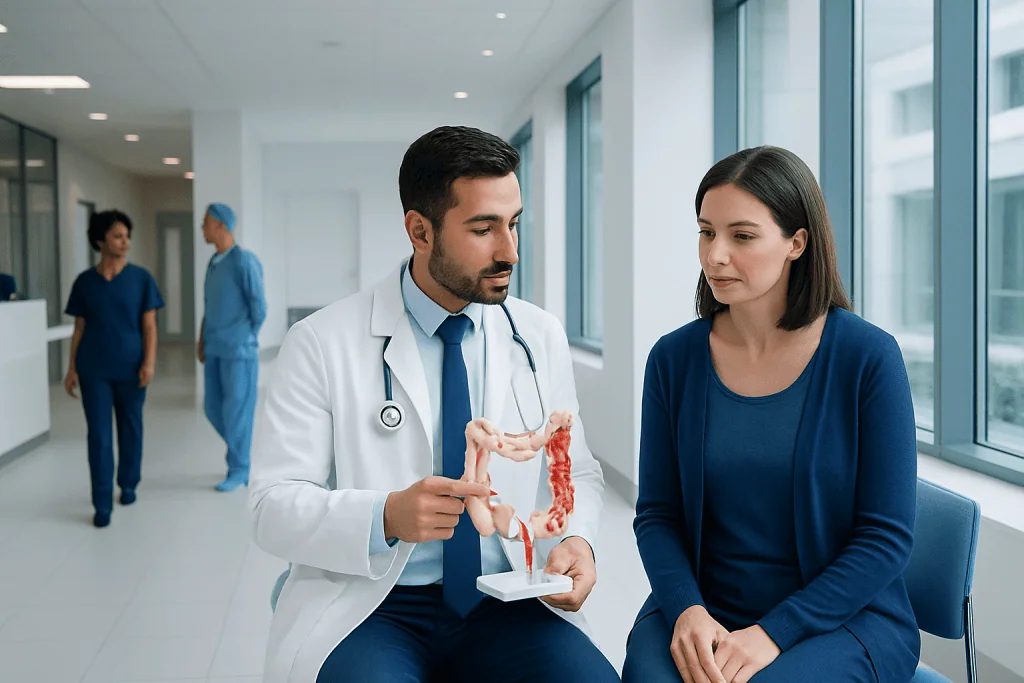
Colon surgery may be performed through minimally invasive laparoscopic or robotic techniques, or through open surgery when needed. A colectomy can remove a small segment, one side of the colon, most of the colon or the entire colon.
Key Takeaways
- Colon surgery may be performed through minimally invasive laparoscopic or robotic techniques, or through open surgery when needed.
- A colectomy can remove a small segment, one side of the colon, most of the colon or the entire colon.
- Hospital recovery often lasts several days, while fuller colon surgery recovery commonly takes weeks and may take longer after open or complex surgery.
- Bowel frequency, stool consistency, appetite and energy can change during healing and usually improve gradually.
- Urgent medical advice is important for fever, worsening pain, vomiting, wound problems, dehydration, heavy bleeding or inability to pass stool or gas.
Colon surgery is an operation to remove, reconnect or divert part of the large intestine when disease, injury or a blockage cannot be managed adequately in other ways. The procedure, recovery time and long-term bowel changes depend on how much colon is removed, the underlying condition and whether a temporary or permanent stoma is needed.
Overview: what colon surgery involves
Colon surgery is an operation on the large intestine, also called the colon. It may remove a diseased section of bowel, repair a problem, relieve an obstruction, or create a new route for stool to leave the body. It is commonly used for colorectal cancer, severe diverticular disease, inflammatory bowel disease, bowel blockage, certain polyps, injury and some inherited conditions.
The operation is often called a colectomy or colon resection. A partial colectomy removes only the affected portion, while a total colectomy removes the entire colon. After a segment is removed, the surgeon may join the remaining bowel ends together, known as an anastomosis. In other situations, an opening on the abdomen called a stoma may be created to allow stool to pass into a pouch.
Colon surgery is planned by a team that may include colorectal surgeons, gastroenterologists, oncologists, radiologists, anesthesiologists, dietitians and stoma care nurses. The most suitable approach is individualized after considering the diagnosis, bowel location, overall health, previous operations and treatment goals.
How it works and who may need colon surgery
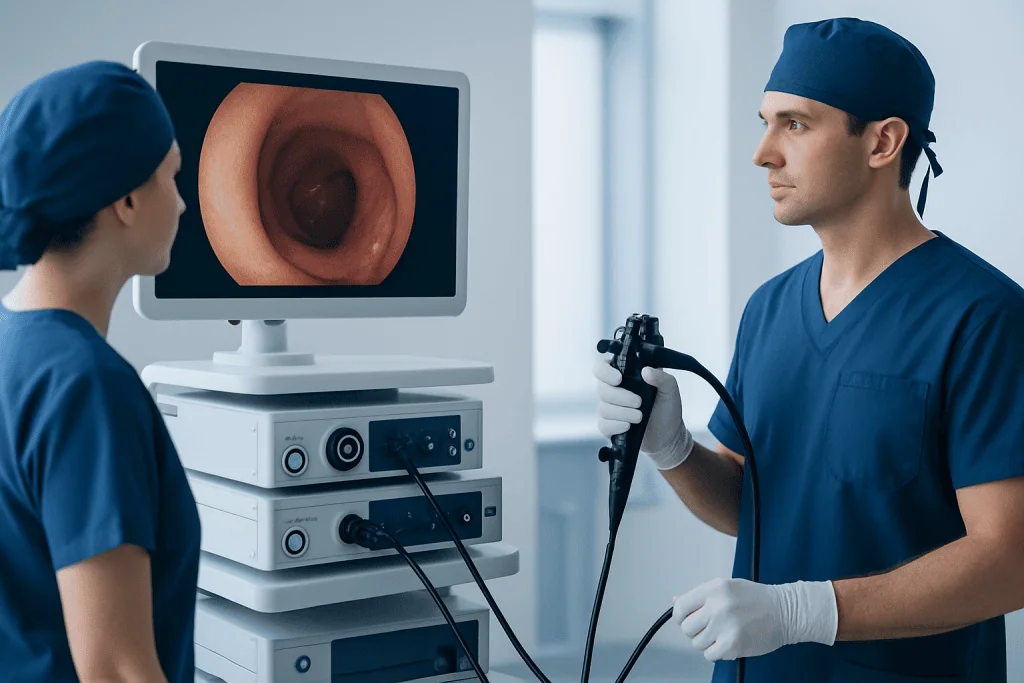
The colon absorbs water and salts from digested food and moves stool toward the rectum. Removing part of it can be necessary when a disease causes bleeding, obstruction, perforation, infection, cancer risk or symptoms that significantly affect daily life. For cancer, surgery aims to remove the tumor with a margin of healthy tissue and nearby lymph nodes for examination.
Someone may be considered for colon surgery when medicines, dietary measures, endoscopic treatment or monitoring are not sufficient. Examples include colon cancer, recurrent complicated diverticulitis, severe ulcerative colitis, Crohn’s disease with complications, large non-removable polyps, bowel ischemia, volvulus, trauma or a complete bowel obstruction. Related bowel conditions may require different treatment pathways, including colon cancer.
Before elective surgery, clinicians review symptoms, nutrition, heart and lung health, medications and previous medical history. Testing may include blood tests, colonoscopy, CT or MRI scans and, when appropriate, biopsy results. Smoking cessation, improved nutrition, movement and management of anemia or diabetes can support safer surgery and recovery.
- Partial colectomy: removal of one affected colon segment.
- Right or left hemicolectomy: removal of the right or left side of the colon.
- Sigmoid colectomy: removal of the lower left section commonly affected by diverticular disease.
- Total colectomy: removal of the entire colon, with reconstruction or an ileostomy depending on the situation.
Step by step: what happens during the procedure
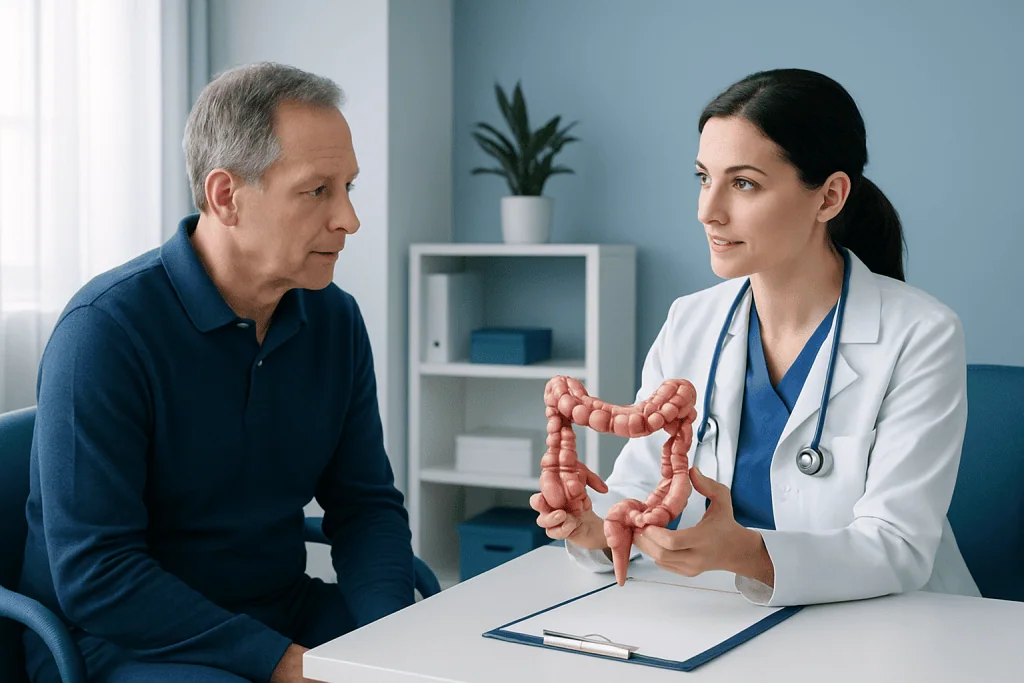
Preparation generally includes instructions about eating, drinking and bowel cleansing, although the exact plan differs by operation and medical needs. The care team reviews regular medicines, including blood thinners and diabetes medicines. Colon surgery is performed under general anesthesia, so the person is asleep and does not feel the operation.
The surgeon may use open surgery, involving one larger abdominal incision, or minimally invasive surgery using several smaller incisions and a camera. Laparoscopic and robotic approaches can be appropriate for many planned operations, but open surgery may be safer or necessary in an emergency, with extensive disease, scar tissue or other complex circumstances. The surgeon frees the relevant bowel segment, removes it, checks blood supply and then reconnects the bowel if it is safe to do so.
If a reconnection would carry too much risk or the lower bowel has been removed, a stoma may be needed. A temporary ileostomy or colostomy may protect a new bowel connection while it heals; some stomas are permanent. The specimen is sent to a laboratory, and cancer surgery may include examination of lymph nodes to help guide further care.
Patients considering surgical management can discuss options through colon surgery treatment. The surgical team explains the expected procedure, alternatives, possible stoma, recovery plan and consent details before the operation.
Benefits, risks and expected results
The expected benefit depends on why surgery is being done. It may remove cancer, prevent cancer from a high-risk lesion, stop recurrent infection or bleeding, relieve obstruction, or improve symptoms from severe bowel disease. For many people, surgery restores the ability to eat, move and participate in daily activities more comfortably after healing.
All major abdominal operations have risks. These include bleeding, infection, blood clots, pneumonia, injury to nearby structures, reactions to anesthesia, bowel obstruction from scar tissue and delayed bowel function. A leak where bowel ends are joined is uncommon but serious and may require antibiotics, drainage, another procedure or temporary diversion of stool.
Some changes are expected after colon resection. Stools may initially be looser or more frequent, and urgency, gas and fatigue may occur. The remaining bowel adapts over time, although the final pattern varies according to the amount and location of bowel removed. After cancer surgery, results also depend on the cancer stage and pathology findings, which guide follow-up and any additional treatment.
Care teams reduce risk through preventive blood-clot measures, pain control that supports early movement, careful fluid management and monitoring for complications. Patients should ask how their individual diagnosis, nutritional status, smoking history and other health conditions affect their expected outcome.
Colon surgery recovery timeline and practical recovery tips
The colon surgery recovery period begins in hospital, where the team monitors pain, bowel activity, wound healing, urine output and ability to drink and walk. Many patients start taking small amounts of fluid and then food as the bowel wakes up. Early walking, breathing exercises and following the pain-management plan can lower the chance of complications and help recovery progress.
Hospital stay and colon surgery recovery time vary considerably. Minimally invasive procedures may allow an earlier discharge than open surgery, but complications, emergency surgery, frailty, a stoma or additional treatment can lengthen recovery. A colon resection surgery recovery time is often measured in weeks rather than days; return to full strength and usual activity may take several weeks or longer. Timelines found online, including searches for “colon surgery recovery time Mayo Clinic,” should be treated as general information rather than a personal prediction.
At home, recovery tips include taking medicines as prescribed, walking a little more each day as tolerated, avoiding heavy lifting until cleared, keeping follow-up appointments and caring for the wound or stoma as instructed. Adequate fluids and protein support healing. A surgeon or stoma nurse can provide individualized guidance on showering, driving, work, sexual activity and exercise.
Temporary tiredness, altered appetite and variable bowel habits are common. Keeping a brief food, fluid and symptom record can help identify patterns and make follow-up discussions more useful. Sudden or worsening symptoms should not be managed only through diet changes or over-the-counter medicines without professional advice.
What to eat 2 weeks after colon surgery?
Two weeks after colon surgery, many people are gradually moving from easily digested foods toward a more varied diet, but the right plan depends on the procedure, bowel function, nutritional needs and surgeon’s instructions. Some people are advised to follow a low-fiber or low-residue diet temporarily, especially after a bowel reconnection or if they have diarrhea, bloating or narrowing risk. Others may advance their diet sooner.
Small, frequent meals can be easier to tolerate than large meals. Options commonly used during early recovery include well-cooked vegetables without skins, soft fruits, eggs, fish, poultry, yogurt if tolerated, rice, pasta, potatoes, soup and refined grain products. Drinking regularly is important, particularly with loose stools or an ileostomy, because fluid and electrolyte losses can be higher.
Foods that may cause gas, cramping or loose stools—such as very fatty meals, alcohol, carbonated drinks, highly spicy foods, large amounts of caffeine and high-fiber foods—may be reintroduced gradually as tolerated. There is no single correct list for everyone. A dietitian can help create a practical plan, including after surgery for ulcerative colitis or other long-term bowel conditions.
What is life like after a total colectomy?
Life after a total colectomy can be active and fulfilling, but it usually involves an adjustment period. Because the colon is no longer present to absorb water, stools are often more frequent and looser, particularly early on. The small intestine often adapts over time, and diet, fluid intake and prescribed medicines may help manage stool output.
The experience differs depending on the reconstruction. Some people have an ileorectal connection, while others have an ileal pouch-anal anastomosis or an ileostomy. People with an ileostomy learn pouch care with support from a specialist stoma nurse and can usually return to work, travel, exercise and many preferred activities once they have healed.
Regular follow-up remains important. The team may monitor hydration, kidney function, nutrition, skin around a stoma and any remaining rectal tissue or pouch, if applicable. Emotional adjustment matters too; asking for stoma education, dietary support or counseling is a normal and useful part of comprehensive recovery.
Is it normal to gain belly fat after colon resection? Is it normal to have pain 2 months after colon resection?
Body shape and weight can change after colon resection. Reduced activity during recovery, appetite returning after illness, changes in eating patterns, fluid retention or general weight gain can make the abdomen appear larger. However, a new persistent bulge near an incision or stoma should be assessed, as it can occasionally indicate an incisional or parastomal hernia rather than belly fat.
Pain two months after colon resection may occur during ongoing tissue healing, with movement, around scars, or as bowel function settles. Mild discomfort that is gradually improving is different from pain that is new, severe, worsening or associated with fever, vomiting, abdominal swelling, drainage from the wound, inability to pass stool or gas, or changes in stoma output. These symptoms require prompt contact with the surgical team.
Persistent pain should not be dismissed as an unavoidable part of recovery. A clinician can look for causes such as infection, hernia, constipation, scar-related obstruction, nerve-related pain or recurrence of the original disease. Pain management should be individualized, particularly because some medicines can worsen constipation or mask an important complication.
When to seek medical care
Patients should contact their surgical team urgently if they develop a fever, chills, increasing abdominal pain, repeated vomiting, a swollen abdomen, worsening redness or pus from the wound, heavy rectal bleeding, chest pain, shortness of breath, fainting or one-sided leg swelling. People with a stoma should also seek advice for major changes in output, persistent leakage, severe skin irritation, a dark or pale stoma, or signs of dehydration such as dizziness and very little urine.
Routine follow-up is also important even when healing appears to be going well. It allows the team to review pathology, discuss cancer surveillance when relevant, assess bowel function and provide nutrition or stoma support. Acibadem International’s multidisciplinary specialists and JCI-accredited hospitals diagnose and treat colon conditions for international patients, with care plans tailored to the individual.
Anyone considering colon surgery should discuss the likely benefits, alternatives, recovery expectations and personal risks with a qualified colorectal surgeon. Clear preoperative counseling and timely follow-up help patients make informed decisions and recognize concerns early.
Frequently asked questions
How long does recovery take after colon surgery?
Recovery varies with the type of operation, surgical approach, reason for surgery and whether complications occur. Many people need several weeks before resuming most everyday activities, while complete recovery after a larger or open operation can take longer. The surgeon’s activity restrictions and follow-up advice should guide the individual timeline.
Can a person live normally after colon surgery?
Many people return to work, exercise, travel and normal social activities after healing. Bowel habits can change, especially in the first months, and may require dietary adjustments or medicines. People with a stoma can also lead active lives with education and support from a stoma care nurse.
Why are bowel movements different after a colon resection?
The colon normally absorbs water and helps form stool, so removing part of it can lead to looser or more frequent bowel movements. The bowel often adapts gradually, but the degree of change depends on how much and which section was removed. Persistent diarrhea, dehydration, bleeding or severe urgency should be discussed with a clinician.
Is laparoscopic colon surgery always better than open surgery?
Minimally invasive surgery can mean smaller incisions and may support earlier recovery for suitable patients. However, open surgery is sometimes the safest option because of emergency disease, extensive inflammation, anatomy, previous operations or cancer complexity. The best approach is the one that safely achieves the surgical goal.
Will a stoma after colon surgery be permanent?
Not always. A stoma may be temporary to protect a bowel connection while it heals, or permanent when reconnection is not possible or would not be safe. The surgeon can explain the likelihood of reversal before surgery, although the final decision can occasionally depend on findings during the operation and recovery.
What symptoms after colon surgery need urgent attention?
Urgent symptoms include worsening or severe abdominal pain, fever, repeated vomiting, abdominal swelling, difficulty breathing, chest pain, significant bleeding, wound drainage or inability to pass stool or gas. A major reduction or sudden increase in stoma output, dehydration or a change in stoma color also needs prompt medical advice. When symptoms are severe, emergency care may be necessary.
References
- National Institute of Diabetes and Digestive and Kidney Diseases
- American Society of Colon and Rectal Surgeons
- National Cancer Institute
- NHS
- World Health Organization
This article is for general information only and is not a substitute for professional medical advice. Please consult a qualified doctor about your individual situation.
Persistent digestive symptoms? Get evaluated in Turkey
JCI-accredited · board-certified surgeons · reply within 24h
Add us as a Preferred Source to see more of our trusted health content across Google Search, AI Overviews and Discover.