Colonoscopia: A Complete Medical Overview
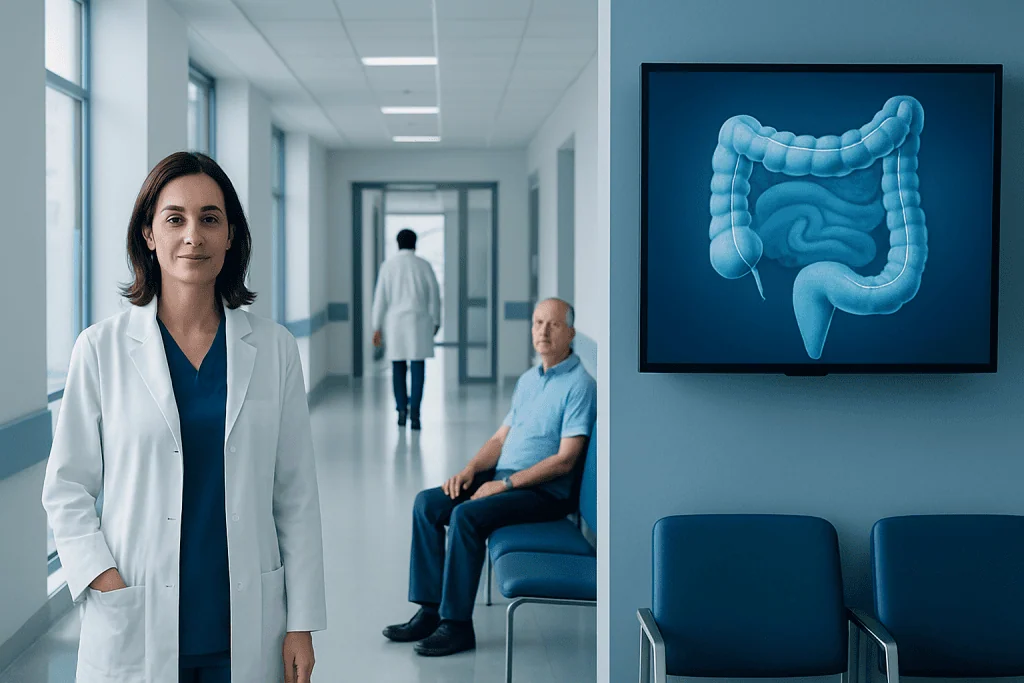
Colonoscopia helps diagnose and sometimes treat problems in the colon and rectum. It is commonly used for cancer screening, polyp removal, and evaluation of bleeding, pain, or bowel habit changes.
Key Takeaways
- Colonoscopia helps diagnose and sometimes treat problems in the colon and rectum.
- It is commonly used for cancer screening, polyp removal, and evaluation of bleeding, pain, or bowel habit changes.
- Good bowel preparation is essential because a clean colon improves accuracy and safety.
- Most people receive sedation and remember little or none of the procedure.
- Mild bloating and gas after the test are common, but severe pain, heavy bleeding, or fever need urgent medical advice.
Colonoscopia is a procedure that lets a doctor examine the inside of the large intestine with a thin, flexible camera. It is commonly used to investigate symptoms, screen for colorectal cancer, remove polyps, and guide further treatment when needed.
What colonoscopia is and why it is done
Colonoscopia, also called colonoscopy, is a medical procedure used to look directly at the inner lining of the rectum and colon. A doctor guides a long, thin, flexible tube with a small camera through the bowel to check for changes such as inflammation, ulcers, polyps, bleeding sources, or tumors. In many cases, it is the most informative test for seeing the colon in detail.
This procedure may be recommended for routine colorectal cancer screening, especially in adults at average risk starting at the age advised by local guidelines. It is also used when a person has symptoms such as rectal bleeding, long-lasting diarrhea, unexplained iron deficiency anemia, persistent abdominal pain, or a significant change in bowel habits.
One important advantage of colonoscopia is that it is both diagnostic and therapeutic. During the same examination, the doctor can remove polyps, take small tissue samples for biopsy, or treat some causes of bleeding. Because polyps can sometimes develop into cancer over time, removing them can help prevent disease before it starts.
When doctors recommend colonoscopia
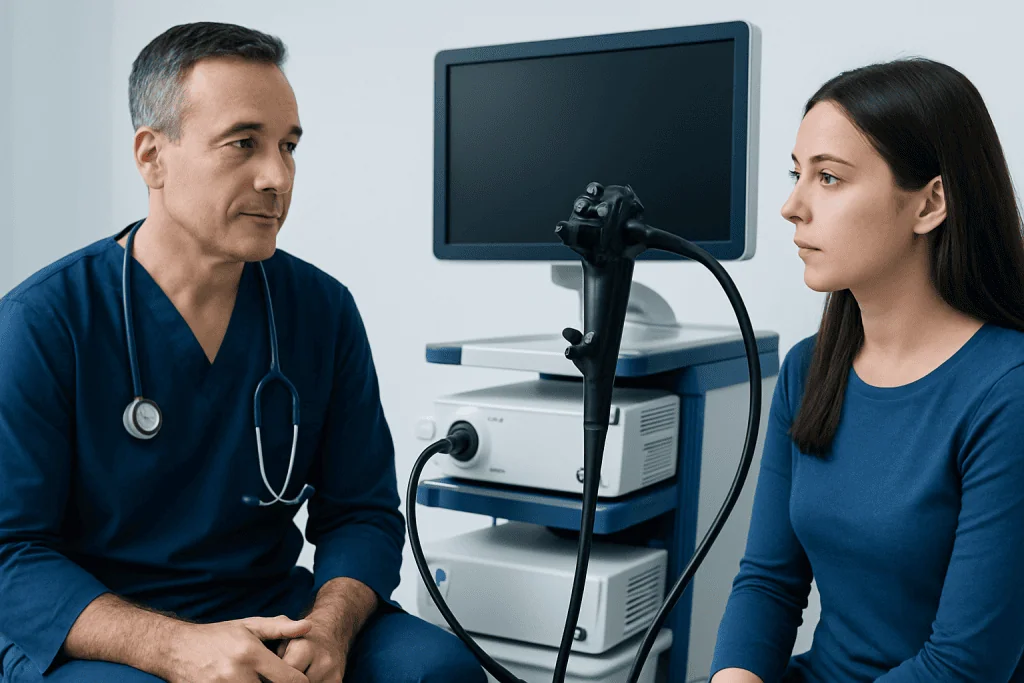
Doctors may advise colonoscopia for screening, diagnosis, follow-up, or surveillance. Screening means looking for disease before symptoms appear. This is especially important for colorectal cancer because early stages may cause no symptoms, and finding precancerous polyps can reduce future risk.
For diagnosis, the test is often used to investigate symptoms that need a closer look. These may include blood in the stool, unexplained weight loss, chronic constipation, ongoing diarrhea, abdominal discomfort, or abnormal findings on stool tests or imaging studies. If inflammation is suspected, the doctor may also evaluate for conditions such as Crohn’s disease or other inflammatory bowel disorders.
Colonoscopia may also be recommended after previous polyp removal, after treatment for colorectal cancer, or when a strong family history increases risk. The timing of repeat examinations depends on the reason for the first test, the findings, the number and type of polyps if present, and the person’s overall health.
- Screening for colorectal cancer and polyps
- Evaluating rectal bleeding or positive stool blood tests
- Investigating changes in bowel habits or abdominal symptoms
- Monitoring known bowel disease or prior polyp history
How to prepare for the procedure
Preparation is a major part of a successful colonoscopia. The colon must be cleaned well so the doctor can see the lining clearly. If stool remains in the bowel, important lesions can be missed and the test may need to be repeated. For this reason, patients usually receive detailed instructions several days in advance.
Preparation often includes changing the diet temporarily and taking a prescribed bowel-cleansing solution. Many centers advise a low-fiber diet for a short period beforehand, followed by clear liquids the day before the procedure. The laxative solution is commonly taken in split doses, with part the evening before and part on the day of the test, depending on the appointment time.
Medication review is also important. A patient should tell the doctor about blood thinners, diabetes medicines, iron tablets, supplements, and any history of kidney disease or heart disease. The medical team may adjust instructions to improve safety. Drinking enough approved clear fluids during preparation can help reduce dehydration and make the process easier to tolerate.
What happens during colonoscopia
Before the procedure starts, the care team reviews medical history, allergies, current medicines, and consent. In many settings, the patient receives sedation to help with comfort and relaxation. Because of the sedative effect, the person usually needs someone to accompany them home afterward.
During the examination, the patient lies on their side while the doctor gently inserts the colonoscope through the rectum and advances it through the large intestine. Air or carbon dioxide is introduced to open the bowel for better viewing. The camera sends images to a screen, allowing the doctor to inspect the lining carefully as the scope moves in and especially as it is withdrawn.
If a suspicious area is seen, the doctor may take a biopsy. Polyps can often be removed immediately using small tools passed through the scope, which may reduce the need for later procedures. In selected situations, endoscopic treatment can address bleeding or remove certain lesions, and some patients may be referred for colon cancer treatment or gastroenterology care if findings require further management.
The procedure itself often takes less than an hour, though total visit time is longer because of preparation and recovery. Many people remember little or none of the test because of sedation, and discomfort is usually mild and temporary.
Results, findings, and possible risks
A normal result means the visible lining of the colon and rectum appears healthy and no concerning lesions are seen. If tissue samples were taken, final answers may take a few days because a pathologist examines them under a microscope. If polyps are found, the report usually describes their number, size, location, and appearance, which helps decide when the next colonoscopia should be scheduled.
Abnormal findings can include polyps, signs of inflammation, diverticular disease, ulcers, hemorrhoids, narrowing of the bowel, or cancer. Some people undergo colonoscopia after abnormal imaging or stool tests, and the examination can clarify the cause. If cancer is suspected or confirmed, a multidisciplinary team may discuss next steps, which may include imaging, surgery, and specialized oncology evaluation.
Colonoscopia is generally safe, but no procedure is completely risk-free. Possible complications include bleeding, especially after polyp removal, adverse reactions to sedation, infection, or a tear in the bowel wall called perforation. These problems are uncommon, but patients should understand them before the test and follow all post-procedure instructions carefully.
It is normal to pass gas and feel some bloating afterward because of the air used during the examination. A small amount of blood can sometimes appear after a biopsy or polyp removal. However, heavy bleeding, worsening abdominal pain, fever, dizziness, or repeated vomiting should be assessed promptly.
Recovery, follow-up, and self-care after the test
After colonoscopia, most people rest in a recovery area until the sedative begins to wear off. It is common to feel sleepy, and concentration may be reduced for the rest of the day. Driving, signing important documents, returning to strenuous work, or drinking alcohol is usually avoided until the doctor says it is safe.
Eating can often resume gradually unless the doctor gives different instructions. Starting with light foods and fluids may feel most comfortable, especially if the bowel preparation caused fatigue or dehydration. If polyps were removed, the doctor may give temporary advice about activity level, diet, or medicines to reduce the chance of bleeding.
Follow-up depends on what was found. A person with a normal screening examination may not need another test for several years, while someone with polyps, family history, or ongoing symptoms may need closer surveillance. If a chronic digestive condition is diagnosed, continued care may include symptom monitoring, medical treatment, and repeat endoscopy when appropriate.
Near the end of the care journey, some international patients look for coordinated evaluation and treatment in one center. Acibadem International’s multidisciplinary specialists and JCI-accredited hospitals diagnose and treat colon conditions for international patients when colonoscopia findings require further assessment.
When to seek medical care
Medical advice should be sought if symptoms suggest a bowel problem that should not be ignored. These include persistent rectal bleeding, black or tarry stools, ongoing abdominal pain, unexplained anemia, unintentional weight loss, or a lasting change in bowel habits such as diarrhea or constipation without a clear cause. A doctor can decide whether colonoscopia or another test is the best next step.
Urgent care is important after the procedure if there is severe or increasing abdominal pain, heavy rectal bleeding, fainting, chest pain, fever, or difficulty breathing. While serious complications are uncommon, quick assessment helps protect safety. Anyone with concerns about preparation, medicines, pregnancy, or chronic medical conditions should contact their care team before the appointment rather than guessing what to do.
Frequently asked questions
Is colonoscopia painful?
Most people do not find colonoscopia painful because sedation is commonly used to improve comfort. Some may feel pressure, cramping, or bloating during or shortly after the test, but this is usually temporary. The care team monitors comfort throughout the procedure.
How long does colonoscopia take?
The examination itself often takes about 20 to 60 minutes, depending on the reason for the test and whether biopsies or polyp removal are needed. The full visit is longer because of check-in, preparation, and recovery from sedation. Patients should plan for several hours at the facility.
Why is bowel preparation so important?
A clean colon helps the doctor see the bowel lining clearly and improves the accuracy of the examination. If preparation is incomplete, polyps or other abnormalities can be missed. In some cases, poor preparation means the test must be repeated.
Can polyps be removed during colonoscopia?
Yes. One of the major benefits of colonoscopia is that many polyps can be removed during the same procedure. This can help prevent some polyps from developing into colorectal cancer over time.
What should a person eat after colonoscopia?
Many people can return to normal eating fairly soon after the procedure, but lighter foods and fluids may be more comfortable at first. If a large polyp was removed or a special treatment was performed, the doctor may give specific instructions. It is best to follow the advice provided by the treating team.
How often should colonoscopia be repeated?
There is no single schedule for everyone. The timing depends on age, personal risk factors, family history, prior polyp findings, symptoms, and whether the test is being used for screening or follow-up. A doctor will recommend the interval based on the results.
This article is for general information only and is not a substitute for professional medical advice. Please consult a qualified doctor about your individual situation.
Persistent digestive symptoms? Get evaluated in Turkey
JCI-accredited · board-certified surgeons · reply within 24h
Add us as a Preferred Source to see more of our trusted health content across Google Search, AI Overviews and Discover.

More from the Health Library
Exotropia: An Evidence-Based Guide for Patients

Drg Medical Abbreviation — Explained by Medical Evidence, Not Myths

Endotracheal Tube — Explained by Medical Evidence, Not Myths
Ear Clogged: A Complete Medical Overview

Macadamia Nuts — Explained by Medical Evidence, Not Myths