

Colonoscopy Prep: Benefits, Risks, and Recovery — A Complete Guide
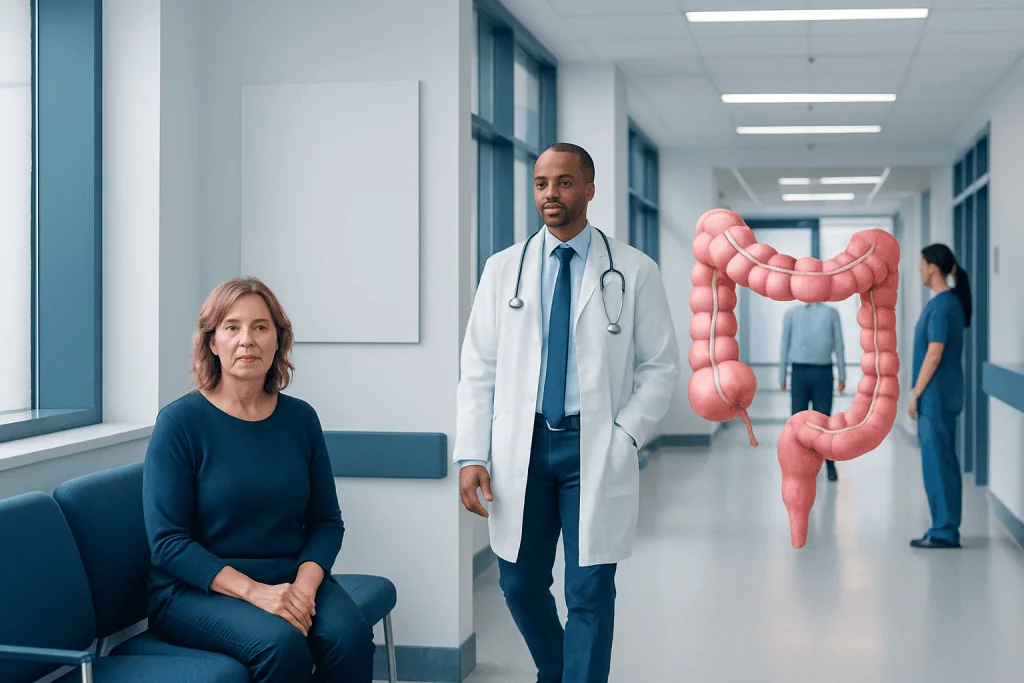
Colonoscopy prep is essential because a clean bowel allows the doctor to see small polyps, inflammation, bleeding, and other changes more clearly. Preparation usually includes dietary changes, clear liquids, and a prescribed laxative solution taken in steps, often the day before and the day of the exam.
Key Takeaways
- Colonoscopy prep is essential because a clean bowel allows the doctor to see small polyps, inflammation, bleeding, and other changes more clearly.
- Preparation usually includes dietary changes, clear liquids, and a prescribed laxative solution taken in steps, often the day before and the day of the exam.
- A colonoscopy can help diagnose symptoms such as bleeding, anemia, chronic diarrhea, or changes in bowel habits, and it is also used for screening.
- Most people recover quickly after the procedure, though bloating, gas, and mild cramping can happen for a short time.
- Risks are uncommon but can include dehydration from prep, medication-related issues, bleeding after polyp removal, or rarely perforation.
- Patients should contact a doctor if they have severe abdominal pain, heavy bleeding, fainting, chest pain, or persistent vomiting.
Colonoscopy prep is the process of emptying and cleaning the bowel before a colonoscopy so the doctor can see the lining of the colon clearly and safely. Good preparation improves the accuracy of the test, helps detect polyps and other abnormalities, and can reduce the chance that the procedure needs to be repeated.
Overview: What colonoscopy prep is and why it matters
Colonoscopy prep is the bowel-cleansing process done before a colonoscopy. Its purpose is simple but very important: to remove stool from the colon so the doctor can examine the lining clearly. When the bowel is well prepared, the procedure is more accurate and more useful for finding polyps, sources of bleeding, inflammation, or early signs of disease.
A colonoscopy is a test in which a long, flexible tube with a camera is guided through the rectum and colon. During the examination, the doctor can inspect the bowel lining and, if needed, remove polyps or take small tissue samples for testing. This is why prep is not a minor detail; it directly affects how much the doctor can see and whether the procedure can be completed safely and effectively.
Many people focus on the procedure itself, but preparation is often the most important part from a practical point of view. If stool remains in the colon, small lesions can be missed and the test may need to be repeated sooner than expected. Careful adherence to instructions helps the examination deliver its full benefit.
Who may need a colonoscopy and how the procedure works
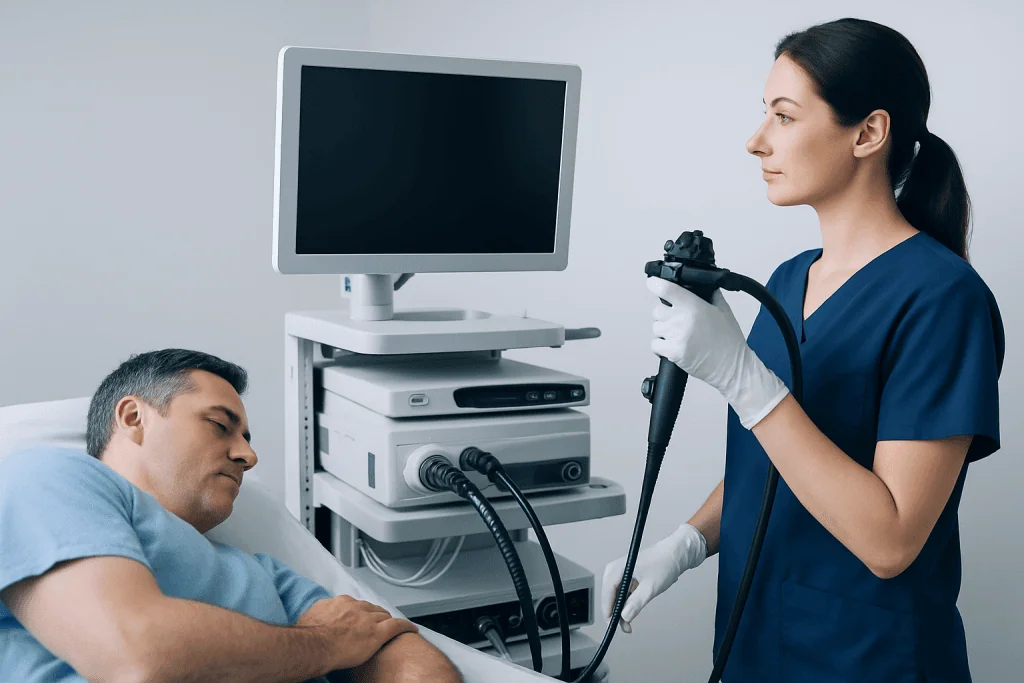
A colonoscopy may be recommended for people who have symptoms such as rectal bleeding, unexplained anemia, persistent abdominal pain, long-term diarrhea, or a change in bowel habits. It is also used for routine colorectal cancer screening, surveillance after earlier polyps, and follow-up of known bowel conditions. In some cases, it may help evaluate inflammation related to Crohn's disease or other digestive disorders.
The procedure is usually performed by a gastroenterologist. After the patient receives instructions and sedation is arranged, the colonoscope is gently passed through the rectum into the colon. Air or carbon dioxide is used to expand the bowel slightly so the lining can be seen better. The doctor looks for polyps, ulcers, areas of bleeding, inflammation, and other abnormalities.
If something unusual is found, the doctor may remove a polyp or take a biopsy during the same session. That makes colonoscopy both a diagnostic and a therapeutic procedure. Patients who need evaluation or treatment planning may be referred for gastroenterology care as part of their broader digestive health assessment.
Step-by-step colonoscopy prep and the day of the procedure
Preparation instructions vary slightly between hospitals and physicians, but most plans follow the same principles. A few days before the procedure, patients may be asked to avoid foods that are hard to clear from the bowel, such as seeds, nuts, or high-fiber items. The day before the exam, the diet usually changes to clear liquids only. Water, clear broth, tea or coffee without milk, and certain clear drinks may be allowed, while red or purple liquids are often discouraged because they can affect visibility.
The bowel-cleansing medicine is usually a prescribed laxative solution taken in divided doses. Many people are advised to drink part of it the evening before and the rest several hours before the appointment. This split-dose method often leads to better cleansing. Frequent watery bowel movements are expected and show that the prep is working.
Patients also need specific guidance about regular medicines. Blood thinners, diabetes medications, iron tablets, and some supplements may need temporary adjustment, but only under medical advice. On the day of the procedure, patients typically arrive fasting, change into a gown, have an intravenous line placed, and receive sedation or anesthesia according to the care plan. The procedure itself often takes less than an hour, though the full visit is longer because of preparation and recovery time.
- Follow the exact timing given for liquids and laxatives.
- Arrange for someone to drive the patient home after sedation.
- Tell the care team about pregnancy, allergies, heart or lung disease, and all medicines being taken.
- Ask in advance if there are concerns about constipation, kidney disease, or a previous difficult bowel prep.
Benefits of good colonoscopy prep and what doctors can detect
The main benefit of colonoscopy prep is a clearer view of the colon. This improves the chance of detecting small polyps before they grow, identifying areas of inflammation, and locating sources of bleeding. A well-prepared colon also helps the doctor reach the entire colon and complete the exam as planned.
Colonoscopy can be helpful in both screening and diagnosis. It may identify polyps that can be removed before they become cancerous, evaluate symptoms such as rectal bleeding or chronic diarrhea, and help assess suspected conditions including ulcerative colitis. It can also support further planning when there is concern about growths, narrowing, or tissue changes that require biopsy.
Another benefit is efficiency. Because colonoscopy allows direct visualization and immediate intervention, it may reduce the need for separate procedures. For example, if a polyp is seen, it can often be removed during the same examination. If there are suspicious changes, samples can be taken and sent for pathology without delay. In centers that provide advanced colonoscopy services, this can be part of a coordinated digestive evaluation.
Risks, side effects, and who may need extra caution
Colonoscopy is generally considered safe, and serious complications are uncommon. Still, both the bowel prep and the procedure can cause side effects or risks. The most common prep-related issues are nausea, bloating, abdominal cramping, and temporary discomfort from frequent bowel movements. Some people may feel weak or lightheaded if they do not drink enough clear fluids.
Because the prep can affect fluid and mineral balance, extra caution may be needed in older adults and in people with kidney disease, heart failure, or certain medication regimens. Doctors may choose a specific prep formula and may adjust instructions to reduce risk. Patients should always mention past reactions to bowel-cleansing agents or any history of severe constipation, bowel obstruction, or swallowing difficulties.
Procedure-related risks include reactions to sedation, bleeding after biopsy or polyp removal, infection, and very rarely a tear in the colon wall called perforation. Risk can vary depending on age, overall health, and whether therapeutic steps are performed during the exam. If a patient has a complex digestive history, the team may recommend further evaluation through gastrointestinal endoscopy services or related specialist care.
Recovery timeline and self-care after colonoscopy
Recovery after colonoscopy is usually straightforward. Right after the procedure, patients spend a short time in a recovery area while the sedation wears off. Mild grogginess, gas, bloating, or a feeling of pressure can happen because air was used during the exam. These symptoms often improve within several hours.
Most people can return to eating as advised by their doctor, often beginning with light foods and good hydration. Because sedatives can affect judgment and reflexes for the rest of the day, driving, signing important documents, alcohol use, and strenuous activity are generally avoided until the next day unless the medical team says otherwise. If biopsies were taken or polyps removed, the doctor may give more specific temporary restrictions.
The overall recovery timeline depends on what was done during the procedure. Many people feel close to normal by the next day. Pathology results from biopsies or polyp removal can take longer, so follow-up communication is important. Near the end of the care pathway, patients who seek international treatment may wish to know that Acibadem International’s multidisciplinary specialists and JCI-accredited hospitals diagnose and treat digestive conditions for international patients.
When to seek medical care
Some symptoms after colonoscopy or during bowel prep need prompt medical attention. Patients should contact their doctor or seek urgent care if they develop severe or worsening abdominal pain, a hard swollen abdomen, repeated vomiting, fainting, shortness of breath, chest pain, fever, or signs of dehydration such as very little urination and marked dizziness.
Small amounts of blood may occasionally occur after biopsy or polyp removal, but heavy rectal bleeding, passing large clots, or bleeding that continues should not be ignored. Ongoing weakness, black stools, or inability to keep fluids down also deserve medical review. These symptoms do not always mean a serious problem, but they should be assessed by a qualified clinician.
Patients should also seek advice before the procedure if they are unsure how to manage prescription medicines, have not started passing clear or yellow liquid after the prep, or think they may not be adequately prepared. Clear communication with the medical team helps avoid delays and supports a safer, more effective examination.
Frequently asked questions
What is colonoscopy prep?
Colonoscopy prep is the process of cleaning out the bowel before a colonoscopy. It usually includes a special diet, clear liquids, and a prescribed laxative so the doctor can see the colon lining clearly.
Why is colonoscopy prep so important?
A clean colon helps the doctor detect polyps, inflammation, bleeding, and other abnormalities more accurately. If the prep is incomplete, important findings may be missed and the test may need to be repeated.
How long does colonoscopy prep take?
Preparation often begins a few days before the procedure with diet adjustments, while the main bowel-cleansing phase usually happens the day before and the day of the test. The exact schedule depends on the prep type and the appointment time.
Is colonoscopy prep painful?
The prep is not usually painful, but it can be uncomfortable. Common effects include bloating, cramping, nausea, and frequent loose bowel movements while the bowel is being emptied.
What can a person eat or drink during colonoscopy prep?
Most people are asked to switch to clear liquids the day before the procedure. Allowed options often include water, clear broth, and certain clear beverages, but the exact list should come from the treating doctor because instructions can vary.
How long does it take to recover after a colonoscopy?
Many people recover from the immediate effects of sedation within hours and feel back to normal by the next day. Mild gas, bloating, or tiredness can happen temporarily, especially if biopsies were taken or polyps were removed.
When should someone call a doctor after colonoscopy?
A doctor should be contacted for severe abdominal pain, heavy rectal bleeding, fever, persistent vomiting, fainting, chest pain, or signs of dehydration. These symptoms are not typical and should be assessed promptly.
References
- American Society for Gastrointestinal Endoscopy
- National Institute of Diabetes and Digestive and Kidney Diseases
- American Cancer Society
- National Health Service
- Centers for Disease Control and Prevention
This article is for general information only and is not a substitute for professional medical advice. Please consult a qualified doctor about your individual situation.
Persistent digestive symptoms? Get evaluated in Turkey
JCI-accredited · board-certified surgeons · reply within 24h
Add us as a Preferred Source to see more of our trusted health content across Google Search, AI Overviews and Discover.

More from the Health Library


Related Specialists

Özlem Üçel Zengin
Treatment of Lymphedema
Prof. Dr. Ertuğrul Zencirci
Cardiology
Prof. Dr. Handan Onur Topuzlu
Medical Oncology
Prof. Dr. Mahir Gülşen
Orthopedic Surgery & Traumatology