Colorectal Cancer Screening: How It Works, Results and What to Expect
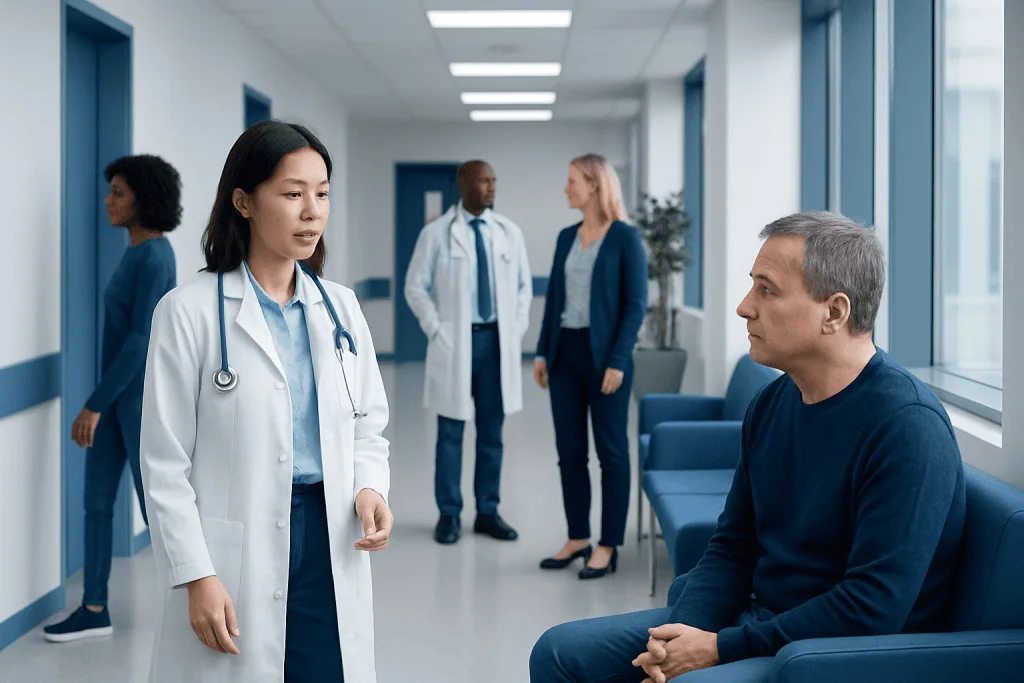
Screening can find and remove precancerous polyps, helping prevent some colorectal cancers. Stool-based tests are done at home, while colonoscopy and some imaging tests examine the bowel directly.
Key Takeaways
- Screening can find and remove precancerous polyps, helping prevent some colorectal cancers.
- Stool-based tests are done at home, while colonoscopy and some imaging tests examine the bowel directly.
- A positive stool test does not diagnose cancer; it usually needs follow-up colonoscopy.
- Most average-risk adults should discuss beginning screening from age 45, though timing varies by country, health history and risk level.
- New bleeding, persistent changes in bowel habits, unexplained weight loss or iron-deficiency anemia need medical assessment rather than routine screening alone.
Colorectal cancer screening uses tests that look for cancer or precancerous polyps in the colon and rectum before symptoms appear. The best test is usually the one a person is eligible for and is willing and able to complete at the recommended interval.
Colorectal Cancer Screening: What It Is and How It Works
Colorectal cancer screening checks the colon and rectum for cancer and for polyps, which are growths that can sometimes become cancer over time. It is intended for people without concerning symptoms. Because colorectal cancer may develop slowly and cause no early signs, screening can identify changes when treatment is often simpler and more effective.
There are two main approaches. Stool-based tests look for hidden blood or abnormal DNA changes shed into a bowel movement. Visual tests, including colonoscopy, examine the inside of the colon directly; during colonoscopy, a doctor can usually remove many polyps at the same appointment. The appropriate choice depends on personal risk, local availability, preferences and the ability to complete follow-up testing if needed.
Screening is different from diagnostic evaluation. Someone with rectal bleeding, persistent abdominal symptoms or unexplained anemia should speak with a clinician promptly, even if a recent screening test was normal. These symptoms may have many causes, but they require an individualized assessment.
Who Should Have Colorectal Cancer Screening?
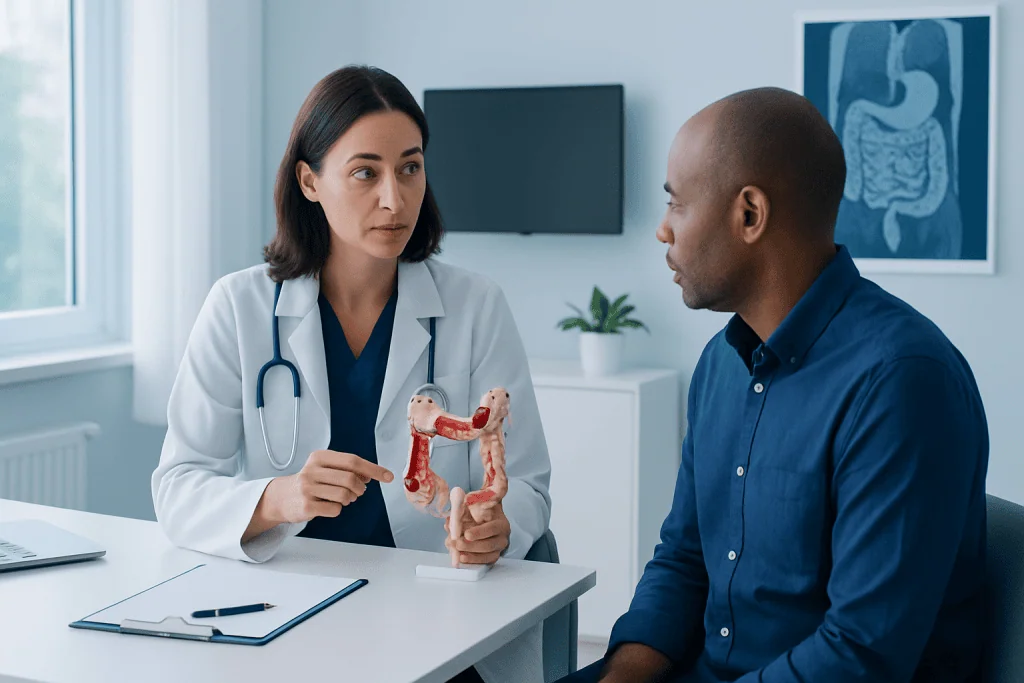
For adults at average risk, many major guidelines recommend starting colorectal cancer screening at age 45. Average risk generally means there is no prior colorectal cancer or advanced polyp, no inflammatory bowel disease, no strong family history, and no known inherited cancer syndrome. The recommended schedule depends on the test selected and national guidance.
A person may need screening earlier, more often or with colonoscopy rather than a stool test if they have a parent, sibling or child with colorectal cancer or certain polyps; a personal history of polyps or cancer; long-standing ulcerative colitis or Crohn’s disease affecting the colon; or an inherited condition such as Lynch syndrome or familial adenomatous polyposis. A gastroenterologist can create an appropriate surveillance plan.
Age alone does not determine whether screening should continue. Overall health, previous screening results, life expectancy, personal preferences and the potential benefits and burdens of testing all matter. Older adults should review these factors with their doctor rather than stopping or continuing automatically.
Screening Tests: Stool Tests, Colonoscopy and Imaging
Stool tests are noninvasive and are generally completed at home. A fecal immunochemical test (FIT) checks for tiny amounts of blood in stool and is commonly repeated every year. A stool DNA test combined with a blood test may be repeated less often, depending on the program. These tests do not require bowel preparation or sedation, but an abnormal result must be followed by colonoscopy.
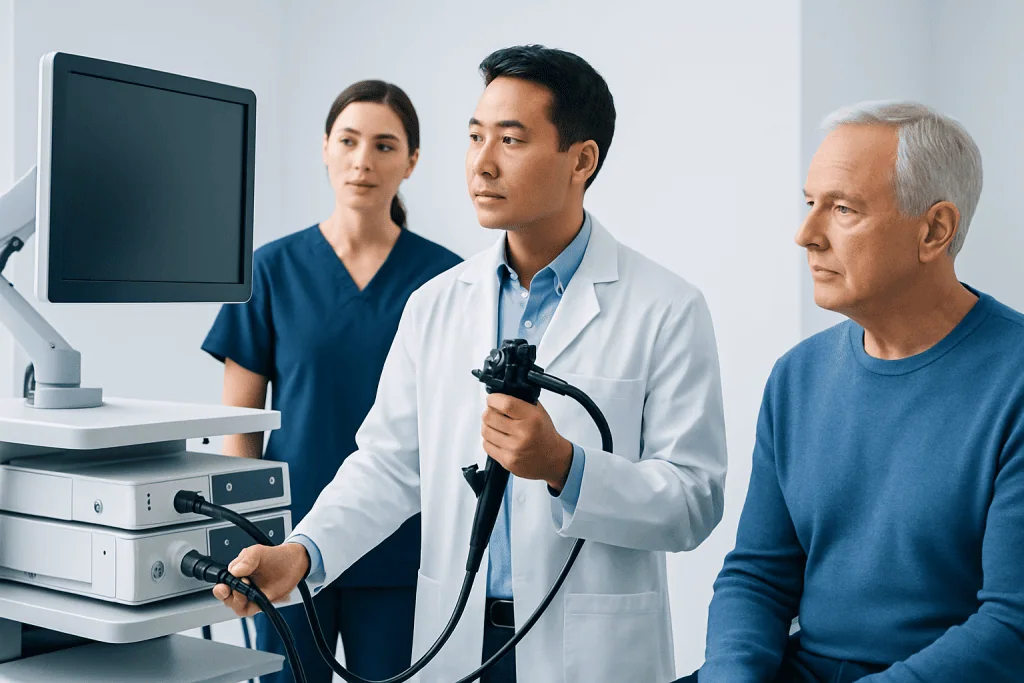
Colonoscopy uses a thin, flexible camera to inspect the entire colon. It usually requires a bowel-cleansing preparation beforehand and sedation during the procedure. Its key advantage is that suspicious tissue can be biopsied and many polyps can be removed immediately. It is therefore both a screening and preventive procedure. Learn more about colonoscopy and what the examination involves.
In some settings, CT colonography, sometimes called virtual colonoscopy, is another option for selected people. It still requires bowel preparation and may identify polyps, but it cannot remove them. An abnormal CT colonography result generally means a standard colonoscopy is needed. The care team can explain which options are available and suitable for each individual.
What Happens Before, During and After a Colonoscopy?
Before colonoscopy, the clinical team reviews medical history, medications, allergies and any health conditions that affect sedation or bowel preparation. Patients receive clear instructions about dietary changes and a prescribed laxative preparation. A clean bowel is essential because remaining stool can hide small polyps; following the preparation instructions closely helps make the examination accurate and may reduce the need to repeat it.
During the procedure, the patient usually lies on their side while sedation is provided. The doctor gently passes the colonoscope through the rectum and along the colon, viewing the lining on a monitor. The examination itself commonly takes less than an hour, although the total visit is longer because of preparation and recovery. If polyps are found, they may be removed or sampled for laboratory analysis.
Afterward, mild bloating, cramping or gas can occur briefly as air leaves the bowel. Sedation can affect alertness for the rest of the day, so patients usually need a responsible adult to accompany them home and should avoid driving, alcohol, important decisions and operating machinery until advised otherwise. Most people resume normal activities the next day, unless their clinician gives different instructions.
How Will I Receive My Bowel Cancer Screening Results?
Results are provided by the screening program, clinic or doctor, often through a secure patient portal, telephone call, letter or follow-up appointment. The time needed varies by test and local laboratory processes. Before leaving an appointment or sending a stool sample, patients can ask how and when they should expect to hear from the team.
A negative stool test means no concerning marker was detected at that time. It does not guarantee that cancer is never present or will not develop later, which is why repeating the test at the recommended interval remains important. A normal colonoscopy may allow a longer interval before the next test, depending on bowel preparation quality, findings, family history and other risk factors.
An abnormal stool test is not the same as a cancer diagnosis. Blood can be present for several reasons, including hemorrhoids or inflammation, and stool DNA changes also need confirmation. Follow-up colonoscopy is the usual next step because it can identify the cause and remove polyps if they are present. Biopsy results, when taken, are reviewed separately after laboratory analysis.
Is Colon Cancer Screening Worth It?
For people who meet screening criteria, colon cancer screening is generally worthwhile because it can detect cancer before symptoms develop and can find precancerous polyps that may be removed before cancer forms. The benefit is greatest when screening is performed regularly at the recommended interval and when abnormal results are followed up without delay.
No screening test is perfect. Stool tests can miss some cancers or polyps and need repeating, while colonoscopy is more invasive and requires preparation and sedation. However, choosing a suitable option with a clinician is usually more beneficial than delaying screening because no single test feels ideal.
People at higher risk may benefit especially from individualized surveillance. For example, those with a strong family history or chronic inflammatory bowel disease may need earlier and more detailed assessment. Related concerns, including colorectal cancer, should be discussed with a specialist who can explain personal risk and next steps.
Benefits, Risks and Limits of Screening
The major benefit of screening is early detection. Removing polyps during colonoscopy can prevent some cancers, and finding cancer at an earlier stage may expand treatment options. Screening can also provide reassurance when results are normal, while still emphasizing the need for future routine testing as advised.
Potential downsides differ by test. Stool tests may produce false-positive or false-negative results. Colonoscopy carries a small risk of bleeding, particularly after polyp removal, reactions related to sedation, infection and rarely a tear in the bowel wall. CT colonography involves radiation exposure and may detect findings outside the colon that require further assessment.
Preparation can be inconvenient, and some people find it uncomfortable. The care team can help manage practical issues such as diabetes medicines, blood thinners, kidney disease, constipation or previous difficulty completing bowel preparation. Patients should not stop prescribed medication unless their own clinician tells them to do so.
What Is the Biggest Red Flag for Colon Cancer?
There is no single symptom that confirms colon cancer, and many bowel symptoms are caused by conditions that are not cancer. However, visible blood in or on the stool, very dark stools, or bleeding from the rectum should always be assessed by a healthcare professional, particularly when it is new, recurrent or accompanied by other symptoms.
Other warning signs include a persistent change in bowel habits, narrowing of stools, ongoing abdominal pain or bloating, unexplained weight loss, fatigue or iron-deficiency anemia. Symptoms that last more than a short period, worsen, or occur in someone with a family history should not be attributed to screening needs alone. They may require diagnostic testing.
Immediate medical help is important for heavy rectal bleeding, black tar-like stool, severe abdominal pain, fainting, marked weakness or signs of dehydration. These symptoms may reflect several urgent conditions and need timely assessment.
What Age No Longer Colonoscopy?
There is no universal age at which every person should stop colonoscopy. Many guidelines suggest that routine screening decisions become more individualized from about age 75, and screening is often not routinely recommended after age 85. These are general guideposts, not rules for every individual.
A clinician considers prior screening history, current health conditions, functional status, expected benefit, procedure risks and the person’s values. An older adult who has never been screened and is otherwise in good health may have a different discussion from someone who has had regular normal results and significant medical conditions.
Colonoscopy may still be needed at any age when there are concerning symptoms, a positive stool test or a history requiring surveillance. The reason for the test matters: stopping routine screening does not mean ignoring new symptoms.
When to Seek Medical Care
People should arrange a medical appointment if they are due for screening, have a family history of colorectal cancer or polyps, or are uncertain about which test is appropriate. A clinician can review risk factors and arrange screening that fits the person’s medical needs and local recommendations.
Medical care should be sought sooner for blood in the stool, a persistent change in bowel habits, unexplained anemia, ongoing abdominal discomfort, unexplained weight loss or unusual tiredness. These signs do not necessarily mean cancer, but they should be evaluated rather than waiting for the next routine screening date.
Acibadem International’s multidisciplinary specialists and JCI-accredited hospitals support international patients who need assessment, screening and treatment planning. If cancer is diagnosed, care may include colorectal cancer treatment tailored to the diagnosis, stage and the patient’s overall health.
Frequently asked questions
How often should colorectal cancer screening be done?
The interval depends on the type of test and an individual’s risk. FIT is commonly performed yearly, while a normal colonoscopy may be repeated after a longer interval. A doctor or screening program can provide the schedule appropriate for the person’s test result and health history.
Do I need a colonoscopy after a positive FIT test?
Usually, yes. A positive FIT detects blood that requires investigation, and colonoscopy is commonly used to identify its source. The result does not mean that cancer is definitely present, but timely follow-up is important.
Can colorectal cancer screening be done without a colonoscopy?
Yes, stool-based tests and, in some settings, CT colonography are alternatives for some average-risk adults. However, an abnormal result from these tests generally requires a colonoscopy for confirmation and possible polyp removal.
Is bowel preparation the hardest part of colonoscopy?
Many people find the bowel preparation more challenging than the examination itself. The preparation is important because it allows the doctor to see the bowel lining clearly. The clinical team can offer guidance if nausea, constipation, diabetes or other conditions make preparation difficult.
Can hemorrhoids cause a positive stool screening test?
Hemorrhoids can bleed and may contribute to a positive stool blood test. However, a positive result should not be assumed to be caused by hemorrhoids alone. Follow-up testing, typically colonoscopy, is needed to determine the source.
What should I do if I have symptoms but my screening test was negative?
A negative screening result should not delay medical assessment of persistent or concerning symptoms. Contact a doctor if there is rectal bleeding, persistent bowel changes, unexplained weight loss, abdominal pain or unexplained anemia. Diagnostic testing may be needed based on the symptoms and medical history.
References
- World Health Organization
- U.S. Preventive Services Task Force
- American Cancer Society
- National Cancer Institute
- European Society for Medical Oncology
This article is for general information only and is not a substitute for professional medical advice. Please consult a qualified doctor about your individual situation.
Persistent digestive symptoms? Get evaluated in Turkey
JCI-accredited · board-certified surgeons · reply within 24h
Add us as a Preferred Source to see more of our trusted health content across Google Search, AI Overviews and Discover.