

Colorectal Cancer Treatment: Surgery, Chemotherapy, and More

Treatment for colorectal cancer depends mainly on the cancer stage, its exact location, and the patient’s overall health. Surgery is often the main treatment for early-stage colorectal cancer and may also help some people with more advanced disease.
Key Takeaways
- Treatment for colorectal cancer depends mainly on the cancer stage, its exact location, and the patient’s overall health.
- Surgery is often the main treatment for early-stage colorectal cancer and may also help some people with more advanced disease.
- Chemotherapy, radiation therapy, targeted therapy, and immunotherapy may be used before or after surgery, or for advanced cancer.
- Care from a multidisciplinary team helps match treatment to the person’s needs and may improve planning for recovery and quality of life.
- Regular follow-up after treatment is important to monitor recovery, manage side effects, and check for recurrence.
Colorectal cancer treatment is personalized and may involve surgery, chemotherapy, radiation therapy, targeted drugs, immunotherapy, or a combination of these approaches. The best plan depends on whether the cancer is in the colon or rectum, the stage of disease, and the person’s overall health and treatment goals.
Overview of Colorectal Cancer Treatment
Colorectal cancer treatment refers to the medical care used to treat cancers that begin in the colon or rectum. Although these cancers are often grouped together, treatment plans can differ because the rectum is located in a tighter area of the pelvis and may require radiation therapy more often than colon cancer. Doctors usually consider the exact tumor location, the stage of cancer, laboratory and imaging results, and the patient’s general health before recommending treatment.
For many people, treatment involves more than one method. Surgery may remove the cancer, while chemotherapy can help reduce the risk of the cancer returning or treat disease that has spread. Radiation therapy is commonly used in rectal cancer, and newer options such as targeted therapy or immunotherapy may be appropriate for selected patients based on tumor testing. This combination approach aims to control the disease while preserving as much normal function and quality of life as possible.
Care is often planned by a multidisciplinary team that may include colorectal surgeons, medical oncologists, radiation oncologists, radiologists, pathologists, gastroenterologists, oncology nurses, and dietitians. A team-based approach helps patients understand their options and decide on a treatment path that fits both medical needs and personal priorities.
How Doctors Choose the Best Treatment Plan

The most important factor in colorectal cancer treatment is the stage of the cancer. Staging describes how deeply the tumor has grown into the bowel wall, whether nearby lymph nodes are involved, and whether the cancer has spread to distant organs such as the liver or lungs. In general, earlier-stage cancers are more likely to be treated with surgery alone, while later-stage cancers often require additional therapies.
Other factors also matter. These include whether the cancer is in the colon or rectum, whether the tumor is causing symptoms such as bleeding or blockage, and whether surgery can remove all visible disease. Doctors also consider age, other health conditions, nutritional status, and the person’s ability to tolerate treatment. Tumor biology is increasingly important too, because molecular tests can show whether certain targeted medicines or immunotherapy are likely to help.
In some cases, the first step is not immediate surgery. For example, locally advanced rectal cancer may be treated first with chemotherapy and radiation to shrink the tumor and improve the chance of preserving bowel function. In advanced or metastatic disease, treatment may focus on controlling the cancer, easing symptoms, and maintaining day-to-day well-being for as long as possible.
Surgery for Colorectal Cancer
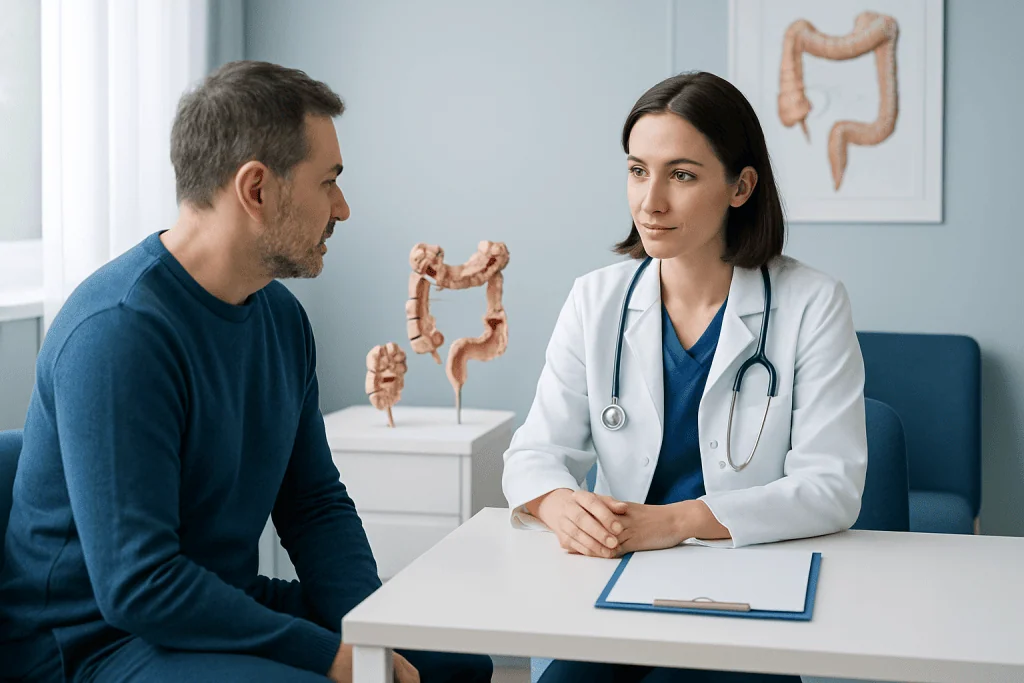
Surgery is a key part of colorectal cancer treatment, especially when the disease is found at an early stage. The goal is to remove the tumor along with a margin of healthy tissue and nearby lymph nodes. For many colon cancers, this means removing the affected segment of the colon and then reconnecting the healthy ends. For rectal cancer, surgery can be more complex because the rectum lies close to nerves and pelvic organs.
Some very early cancers can be removed during colonoscopy if they are small and have not grown deeply. Larger or more invasive tumors usually require an operation through minimally invasive or open techniques. Depending on the tumor’s location, the procedure may be a partial colectomy, low anterior resection, or abdominoperineal resection. Some patients may temporarily or permanently need a stoma, which is an opening on the abdomen to allow stool to pass into a bag.
Surgery may also help in selected cases of advanced disease. If colorectal cancer has spread only to a limited area, such as the liver, an operation may still be part of treatment. This can involve colon cancer surgery for the primary tumor or carefully planned surgery for spread that can be removed. Recovery depends on the type of operation, overall health, and whether additional treatment is needed afterward.
- Early-stage disease may be treated with surgery alone.
- Lymph node removal helps determine the cancer stage.
- Some operations can be performed using minimally invasive techniques.
- A stoma may be temporary or permanent, depending on the situation.
Chemotherapy and Radiation Therapy
Chemotherapy uses medicines to destroy cancer cells or slow their growth. In colorectal cancer, it may be given after surgery to reduce the risk of recurrence, before surgery to shrink a tumor, or as the main treatment when the cancer has spread. The exact drugs and schedule vary, and the oncology team explains the purpose of treatment clearly before it begins. Chemotherapy can be delivered through a vein, and in some situations oral medicines may also be part of the plan.
Common side effects can include tiredness, nausea, diarrhea, mouth sores, changes in appetite, or temporary drops in blood counts. Many side effects can be managed with supportive care, and not every patient experiences the same problems. Patients are usually monitored closely with blood tests and clinic visits so treatment can be adjusted if needed. When appropriate, people may receive chemotherapy as part of a wider treatment strategy.
Radiation therapy is used more often for rectal cancer than for colon cancer. It can shrink the tumor before surgery, help reduce the risk of local recurrence, or relieve symptoms in advanced cancer. Radiation is frequently combined with chemotherapy because the two treatments can work together. Doctors may recommend this especially for rectal cancer that has grown through the bowel wall or involves nearby lymph nodes.
Targeted Therapy and Immunotherapy
Targeted therapy is designed to act on specific features that help cancer cells grow. These medicines are not suitable for every patient, so doctors often test the tumor for genetic or molecular changes before deciding whether they may help. In advanced colorectal cancer, targeted drugs may be combined with chemotherapy or used in later lines of treatment. Their role depends on factors such as RAS, BRAF, HER2, and other tumor markers.
Immunotherapy helps the body’s immune system recognize and attack cancer cells. It is most useful in a smaller group of colorectal cancers that have certain molecular features, such as mismatch repair deficiency or high microsatellite instability. When these markers are present, immunotherapy can sometimes be very effective and may be used in advanced disease or in selected treatment settings.
These newer treatments have their own side effect profiles. Targeted therapy may cause skin changes, diarrhea, high blood pressure, or fatigue, while immunotherapy can sometimes lead to inflammation affecting organs such as the bowel, lungs, skin, or thyroid. Because of this, close medical follow-up is important. Personalized treatment planning, including immunotherapy when appropriate, helps ensure that therapy matches the biology of the disease.
Treatment by Stage and Follow-Up Care
Stage 0 and some stage I colorectal cancers may be removed with local procedures or surgery alone. Stage II disease is often treated with surgery, though some patients may also need chemotherapy if the cancer has higher-risk features. Stage III cancer usually involves lymph nodes, so treatment often includes surgery followed by chemotherapy. Stage IV cancer has spread to distant sites and may require systemic therapy, surgery in selected cases, radiation for symptom relief, or a combination of approaches.
After treatment, follow-up care remains an important part of colorectal cancer management. Doctors may recommend clinic visits, blood tests, imaging scans, and repeat colonoscopy on a schedule based on the stage of cancer and the treatment received. Follow-up helps detect recurrence early, monitor late side effects, and support recovery in areas such as bowel function, nutrition, emotional well-being, and physical activity.
Some patients may also benefit from rehabilitation, stoma education, pain management, or counseling. A diagnosis of colon cancer can affect many aspects of daily life, so support beyond the main treatment itself is often valuable. At experienced centers, including Acibadem International, multidisciplinary specialists in JCI-accredited hospitals diagnose and treat colorectal cancer for international patients with coordinated care.
Self-Care, Recovery, and When to See a Doctor
Recovery during and after colorectal cancer treatment is different for each person. Rest, good nutrition, hydration, gentle movement, and clear communication with the care team can all support healing. Some patients need time to adjust to changes in bowel habits, appetite, energy level, or life with a temporary or permanent stoma. Asking for help from dietitians, nurses, and rehabilitation specialists can make this period easier.
Healthy lifestyle habits may also support overall well-being after treatment. These include avoiding tobacco, limiting alcohol, staying physically active as tolerated, and attending all follow-up appointments. Patients should take medicines exactly as prescribed and speak with their care team before using supplements or alternative remedies, since some may interfere with treatment.
Medical advice should be sought promptly for symptoms such as fever, severe abdominal pain, vomiting, dehydration, heavy rectal bleeding, chest pain, sudden shortness of breath, or signs of infection after surgery. Patients should also contact their doctor if side effects become difficult to manage or if new symptoms appear between visits. Early communication often allows problems to be treated before they become more serious.
Frequently asked questions
What is the main treatment for colorectal cancer?
The main treatment depends on the stage and location of the cancer. Surgery is often the primary treatment for early-stage colorectal cancer, while chemotherapy, radiation therapy, targeted therapy, or immunotherapy may be added when needed.
Is chemotherapy always needed for colorectal cancer?
No, chemotherapy is not always necessary. Some early-stage cancers can be treated with surgery alone, while chemotherapy is more commonly used for higher-risk, lymph node-positive, or metastatic disease.
Why is radiation used more often for rectal cancer than colon cancer?
Radiation therapy is used more often for rectal cancer because of the rectum’s position in the pelvis and the higher concern for local recurrence in that area. It is often given before surgery to shrink the tumor and improve treatment outcomes.
Can colorectal cancer be cured?
Many cases of colorectal cancer can be cured, especially when found early and treated promptly. Even when cure is not possible, treatment can still help control the disease, relieve symptoms, and improve quality of life.
How do doctors know which treatment is best?
Doctors use staging tests, imaging, pathology results, and sometimes molecular tumor testing to guide treatment choices. They also consider the patient’s age, overall health, symptoms, and personal treatment goals.
What happens after colorectal cancer treatment ends?
After treatment, patients usually enter a follow-up plan that may include checkups, blood tests, scans, and colonoscopy. This helps doctors monitor recovery, manage ongoing side effects, and look for any signs that the cancer has returned.
References
- World Health Organization
- National Cancer Institute
- American Cancer Society
- National Comprehensive Cancer Network
- European Society for Medical Oncology
This article is for general information only and is not a substitute for professional medical advice. Please consult a qualified doctor about your individual situation.
Chemotherapy in Turkey — costs, top hospitals & a free quote
JCI-accredited · board-certified surgeons · reply within 24h
Add us as a Preferred Source to see more of our trusted health content across Google Search, AI Overviews and Discover.

Medical Oncology Department
Medical treatment of cancer with chemotherapy, immunotherapy and targeted therapies under a multidisciplinary tumor board.
60 specialists in this unitMore from the Health Library



Related Specialists

Dr. Ekin Sayer
Acibadem Life Clinical Service
Dr. Osman Egüz
Emergency Service
Prof. Dr. Gülfer Mehtap Yazicioğlu
Pediatric Allergy
Assoc. Prof. Dr. Yusuf Karakaş
Medical Oncology