Common Bone Diseases: Early Symptoms, Causes, and When to Seek Care

Bone diseases include several conditions, such as osteoporosis, osteomalacia, Paget’s disease, bone infections, and some bone tumors. Early signs may include persistent bone pain, repeated fractures, swelling, changes in posture, or trouble walking.
Key Takeaways
- Bone diseases include several conditions, such as osteoporosis, osteomalacia, Paget’s disease, bone infections, and some bone tumors.
- Early signs may include persistent bone pain, repeated fractures, swelling, changes in posture, or trouble walking.
- Risk factors include aging, low calcium or vitamin D, hormonal changes, certain medications, infections, and family history.
- Diagnosis often involves a physical exam, blood tests, imaging, and sometimes bone density testing or biopsy.
- Treatment depends on the cause and may include nutrition, medicines, physical therapy, infection treatment, or surgery.
- Persistent or unexplained bone pain should be assessed by a qualified doctor, especially if it follows a minor injury or occurs with fever or swelling.
Common bone diseases affect bone strength, structure, or healing and may lead to pain, fractures, deformity, or reduced mobility. Recognizing early symptoms and getting timely medical care can help protect bone health and improve long-term outcomes.
Overview
Common bone diseases are conditions that affect how bones grow, remodel, repair, or maintain their strength. Bones are living tissue, and they constantly change throughout life. When this balance is disturbed, bones may become weak, painful, deformed, or more likely to break.
The term “bone disease” covers several different problems rather than one single illness. Common examples include osteoporosis, in which bones become less dense; osteomalacia, where bones soften due to poor mineralization; Paget’s disease of bone, which disrupts normal bone remodeling; infections such as osteomyelitis; and some benign or malignant bone tumors. These conditions can affect children, adults, or older people depending on the cause.
Many bone diseases develop gradually, and early symptoms can be subtle. A person may notice aching pain, loss of height, repeated fractures, or a change in posture before realizing there is an underlying bone problem. Because symptoms can overlap with joint, muscle, or nerve conditions, proper medical evaluation is important.
In many cases, early diagnosis makes treatment more effective. Supportive measures such as balanced nutrition, regular weight-bearing activity, and management of underlying medical problems can play an important role in protecting bone health and reducing complications.
Early Symptoms and Warning Signs
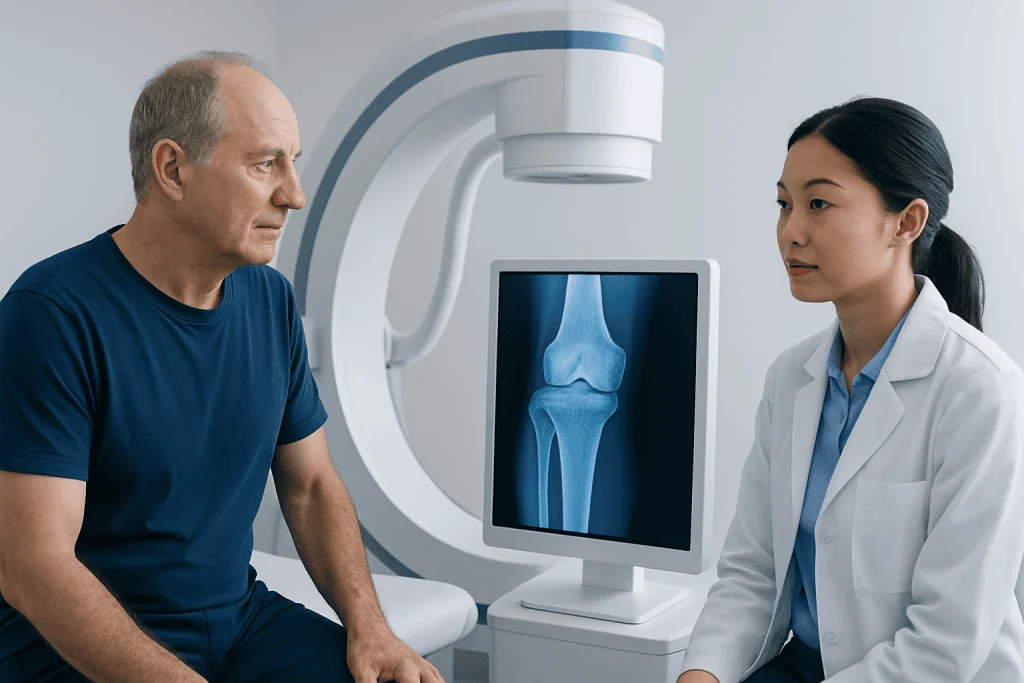
The symptoms of bone disease depend on the specific condition, but some warning signs are common. Persistent bone pain is one of the most important. This pain may be dull, deep, localized to one area, or worse with activity. Unlike typical muscle soreness, it may not improve fully with rest.
Fractures that happen after a minor fall or little force can also suggest weak bones, especially in older adults. Osteoporosis, for example, may not cause noticeable symptoms until a fracture occurs. Fractures of the hip, wrist, or spine are especially important because they can affect mobility and independence.
Other symptoms may include swelling, tenderness over a bone, visible deformity, bowing of the legs, back pain, or a gradual loss of height. Some people develop a stooped posture from spinal compression fractures. In children, delayed growth, limping, or bone pain may point to metabolic or inherited bone disorders.
Certain symptoms need prompt attention. These include bone pain with fever, redness, or warmth; sudden severe pain after a minor injury; unexplained night pain; or swelling that does not go away. While these signs do not always mean a serious illness, they should be assessed without delay.
Types, Causes, and Risk Factors
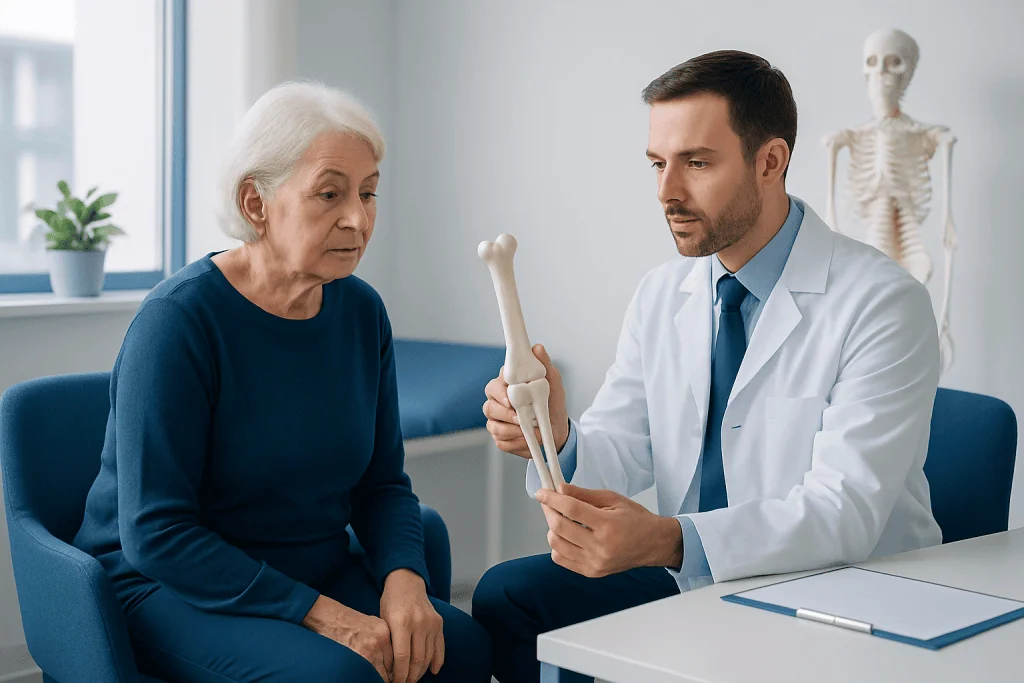
Different bone diseases have different causes. Osteoporosis is often linked to aging, reduced estrogen after menopause, low body weight, smoking, long-term steroid use, and limited physical activity. Osteomalacia in adults and rickets in children are commonly associated with vitamin D deficiency, poor calcium intake, intestinal disorders that reduce nutrient absorption, or chronic kidney or liver disease.
Paget’s disease of bone involves abnormal bone remodeling, causing bone to break down and rebuild in an uncoordinated way. The exact cause is not always clear, but age and family history may increase risk. Bone infections, known as osteomyelitis, can develop when bacteria spread through the bloodstream, enter through an injury, or follow surgery.
Less commonly, bone problems may be related to endocrine disorders, autoimmune disease, inherited conditions, or tumors. A bone tumor may be benign or malignant, and symptoms can include persistent pain, swelling, or fracture. Some cancers that begin elsewhere in the body can also spread to bone.
Important risk factors across bone diseases include:
- Older age
- Family history of bone disorders or fractures
- Low calcium or vitamin D intake
- Hormonal changes, especially after menopause
- Smoking and heavy alcohol use
- Long-term use of corticosteroids or certain other medicines
- Chronic kidney, liver, thyroid, or intestinal disease
- Limited mobility or very low physical activity
How Bone Diseases Are Diagnosed
Diagnosis begins with a detailed medical history and physical examination. A doctor will ask about pain location, prior fractures, family history, medications, nutrition, activity level, and any symptoms such as fever, weight loss, or swelling. The physical exam may assess tenderness, posture, limb alignment, walking pattern, and signs of deformity.
Blood tests can help identify vitamin D deficiency, calcium or phosphate imbalance, inflammation, infection, or hormonal conditions affecting bone. In some cases, urine tests are also useful. These tests do not diagnose every bone disease on their own, but they often provide important clues about the underlying cause.
Imaging is a key part of evaluation. Standard X-rays can show fractures, bone thinning, deformities, or suspicious lesions. Bone density testing is commonly used to diagnose osteoporosis and estimate fracture risk. Depending on the symptoms, doctors may also recommend advanced imaging such as MRI or CT scan to look more closely at bone structure, marrow, infection, or tumors.
If there is concern about infection, unusual bone damage, or a possible tumor, additional tests may be needed. These can include a bone scan or a biopsy. A biopsy allows specialists to examine a sample of tissue and can be essential for confirming the diagnosis and choosing the most appropriate treatment plan.
Treatment Options
Treatment depends on the exact bone disease, its severity, the person’s age, and overall health. Many bone conditions can be managed successfully once the cause is identified. The goals are usually to relieve pain, strengthen bone, prevent fractures, preserve movement, and treat the underlying problem.
For metabolic bone diseases such as osteoporosis or osteomalacia, treatment often includes improving calcium and vitamin D intake, addressing nutritional deficiencies, and increasing safe physical activity. Doctors may also prescribe medications that slow bone breakdown or support bone strength. Fall prevention, balance training, and home safety changes can be especially important in older adults.
When a bone infection is present, treatment may require antibiotics and close follow-up. In some cases, surgery is needed to clean infected tissue or stabilize damaged bone. If a fracture has occurred, care may involve bracing, casting, physical therapy, or orthopedic procedures. Certain cases may need orthopedic surgery to repair fractures, correct deformity, or remove diseased bone.
If a tumor is suspected or confirmed, management is guided by the tumor type and whether it is benign or malignant. This may involve monitoring, surgery, or cancer-specific treatment by a multidisciplinary team. For some complex cases, doctors may coordinate with specialists experienced in bone marrow transplantation when blood-related cancers or marrow disorders affect the bones.
Prevention and Self-Care
Not every bone disease can be prevented, but many supportive habits help protect bone health. A balanced diet with adequate calcium, protein, and vitamin D is an important foundation. Sun exposure may support vitamin D production for some people, though individual needs vary and a doctor may recommend testing or supplements.
Regular weight-bearing and muscle-strengthening exercise can help maintain bone density and improve balance. Walking, stair climbing, resistance training, and guided exercise programs are common examples. People with known bone weakness should ask a healthcare professional which activities are safest for them.
Avoiding tobacco and limiting alcohol can also support stronger bones. It is helpful to review long-term medicines with a doctor, since some drugs can affect bone density or mineral balance. Managing chronic conditions such as thyroid disease, kidney disease, inflammatory bowel disease, or hormone disorders is another important part of prevention.
Self-care also means paying attention to new symptoms. Ongoing back pain, loss of height, repeated stress injuries, or pain that interrupts sleep should not be ignored. If a person has already been diagnosed with a bone condition such as osteoporosis, regular follow-up helps track treatment response and reduce future fracture risk.
When to Seek Medical Care
A person should consider medical evaluation for bone pain that lasts more than a few weeks, keeps returning, or interferes with daily activities. Care is also important after a fracture caused by minor trauma, since this can be an early sign of weakened bones. Even when the injury seems straightforward, the underlying reason for the fracture may need attention.
Urgent care is advisable when bone pain is severe, follows an injury, or occurs with swelling, redness, fever, or difficulty bearing weight. Prompt assessment is also important for sudden back pain with loss of height, visible deformity, or numbness and weakness that may suggest complications involving the spine or nearby nerves.
People at higher risk, including older adults, postmenopausal women, long-term steroid users, and those with chronic medical conditions, may benefit from earlier screening and preventive guidance. Parents should also seek medical advice if a child has limping, delayed growth, frequent fractures, or bone deformities.
Specialist care may involve primary care doctors, orthopedists, endocrinologists, rheumatologists, infectious disease experts, oncologists, radiologists, and rehabilitation teams. Acibadem International’s multidisciplinary specialists and JCI-accredited hospitals diagnose and treat bone diseases for international patients when further evaluation or coordinated care is needed.
Frequently asked questions
What are the most common bone diseases?
Common bone diseases include osteoporosis, osteomalacia, Paget’s disease of bone, osteomyelitis, and some bone tumors. Each condition affects bones in a different way, so diagnosis and treatment need to be tailored to the cause.
How can someone tell if bone pain is serious?
Bone pain should be evaluated if it persists, returns often, or feels deep and localized rather than like typical muscle soreness. Pain with swelling, fever, night symptoms, or a fracture after minor injury is especially important to check promptly.
Can bone diseases develop without obvious symptoms?
Yes. Some bone diseases, especially osteoporosis, may not cause noticeable symptoms until a fracture happens. That is why screening and risk assessment are important for people with higher risk factors.
Are bone diseases only a problem in older adults?
No. Although some conditions are more common with aging, bone diseases can affect children, younger adults, and middle-aged people as well. Nutritional deficiencies, inherited disorders, infections, hormonal problems, and tumors can occur at different ages.
What tests are commonly used to diagnose bone disease?
Doctors may use a combination of physical examination, blood tests, X-rays, bone density testing, and advanced imaging such as MRI or CT. In selected cases, a bone scan or biopsy may be needed to confirm the diagnosis.
Can lifestyle changes help improve bone health?
Yes. Adequate calcium and vitamin D, regular weight-bearing exercise, avoiding smoking, and limiting alcohol can all support bone health. Lifestyle steps are often used together with medical treatment rather than replacing it.
References
- World Health Organization
- National Institute of Arthritis and Musculoskeletal and Skin Diseases
- International Osteoporosis Foundation
- MedlinePlus
- American Academy of Orthopaedic Surgeons
This article is for general information only and is not a substitute for professional medical advice. Please consult a qualified doctor about your individual situation.
Joint and spine care in Turkey — expert assessment & treatment
JCI-accredited · board-certified surgeons · reply within 24h
Add us as a Preferred Source to see more of our trusted health content across Google Search, AI Overviews and Discover.

More from the Health Library



Related Specialists

Prof. Dr. Javad Parvizi
Orthopedic Surgery & Traumatology
Dr. Hasan Cem Güneyli
Anesthesiology
Prof. Dr. Murat Bozkurt
Orthopedic Surgery & Traumatology
Dr. Gamze Avcı
Pediatrics