Common Brain Myths: Facts About Memory, Brain Use, and Aging
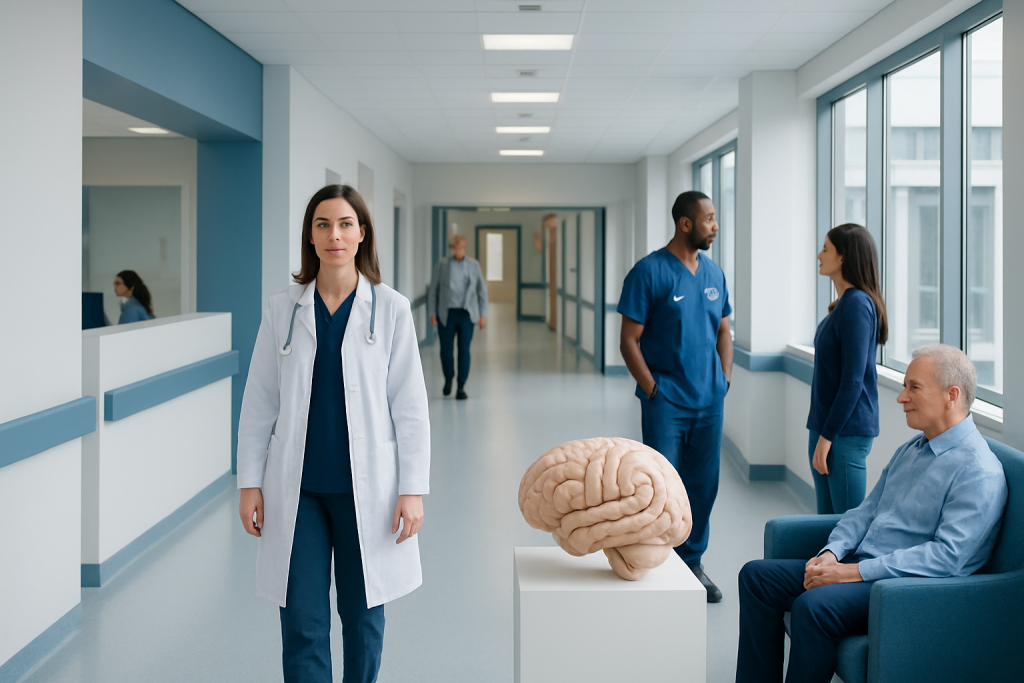
People do not use only 10% of their brains; brain imaging shows activity across many regions. Forgetting is not always a sign of dementia, and mild memory lapses can happen at any age.
Key Takeaways
- People do not use only 10% of their brains; brain imaging shows activity across many regions.
- Forgetting is not always a sign of dementia, and mild memory lapses can happen at any age.
- Normal brain aging can slow some mental processes, but many thinking skills remain strong.
- Lifestyle habits such as exercise, sleep, social connection, and managing chronic conditions support brain health.
- Learning can continue throughout life because the brain can adapt and form new connections.
- A doctor should evaluate memory changes that interfere with daily life or progress over time.
Many common beliefs about the brain sound convincing but are not supported by science. Understanding the facts about memory, brain use, and aging can help people make better decisions for lifelong brain health.
Overview: Why Brain Myths Matter
Ideas about the brain are common in everyday conversation, media, and popular culture. Some are based on real science but become oversimplified over time. Others are misunderstandings that can create unnecessary worry or false hope. Clearing up these myths helps people understand what the brain can and cannot do.
The brain is a complex organ that controls movement, sensation, language, emotions, memory, and behavior. It works through networks of nerve cells that communicate constantly. Because it is so complicated, brain science is often reduced to short, memorable claims. These claims may sound helpful, but they are not always accurate.
Misleading beliefs can affect health decisions. For example, a person may ignore concerning memory changes because they assume forgetfulness is always a normal part of aging. Another person may believe that intelligence is fixed and that the brain cannot improve. In reality, the brain remains active and adaptable throughout life.
A practical, evidence-based view is more reassuring and more useful. Most people can support brain health through sleep, physical activity, mental stimulation, social connection, and medical care when needed. Understanding the facts also helps people know when to seek professional evaluation.
Myth 1: People Use Only 10% of Their Brain
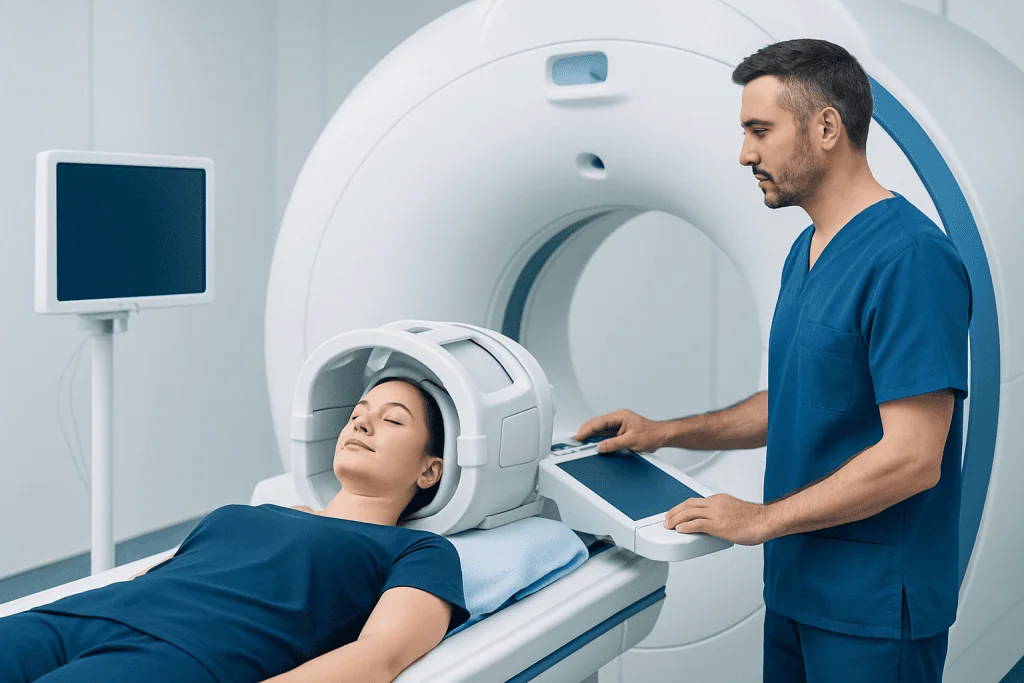
This is one of the most widespread brain myths, but it is not true. Brain imaging studies show that people use many parts of the brain over the course of a day, even during simple activities. Different regions become more active depending on the task, such as speaking, remembering, moving, or paying attention.
The myth may have grown from misunderstandings about how specialized the brain is. Not every region works at maximum activity all the time, but that does not mean the rest is unused. The brain is organized efficiently, with different networks handling different functions. Even during rest, the brain remains active.
If large portions of the brain truly had no purpose, damage to those areas would not matter. In real life, injuries and neurological diseases can affect speech, movement, memory, vision, emotions, and many other abilities, depending on the area involved. That is strong evidence that the whole brain has important roles.
A better way to think about brain function is this: people use all of their brains, but not all regions are equally active at every moment. Brain health depends on the coordinated work of many structures rather than a single “unused reserve” waiting to be unlocked.
Myth 2: Forgetfulness Always Means Dementia

Many people worry that any lapse in memory is an early sign of dementia. In fact, occasional forgetfulness is common and can happen for many reasons. Stress, poor sleep, anxiety, depression, medication effects, pain, alcohol, hormonal changes, and being distracted can all affect memory and concentration.
Normal memory slips may include misplacing items, forgetting why one entered a room, or needing a moment to recall a name. These experiences can happen at any age, especially during busy or stressful periods. They are not the same as progressive memory loss that affects independence.
Dementia is a broader syndrome that involves decline in memory and other thinking abilities severe enough to interfere with daily life. People may have difficulty managing finances, following familiar routes, using language, organizing tasks, or recognizing changes in their abilities. One possible cause is Alzheimer's disease, but there are others as well.
Because many conditions can affect memory, an evaluation is important when symptoms are persistent, worsening, or disruptive. Some causes are treatable, and early assessment can clarify whether changes are related to stress, sleep problems, medication, vitamin deficiency, depression, or a neurological condition.
Myth 3: Brain Aging Means Inevitable Mental Decline
Aging does bring changes to the brain, but severe decline is not inevitable. Some mental processes, such as recalling information quickly or dividing attention between tasks, may become slower over time. At the same time, many older adults maintain strong vocabulary, judgment, emotional insight, and knowledge built from experience.
There is a wide range of normal aging. Two people of the same age may have very different cognitive strengths depending on genetics, education, hearing and vision, physical health, sleep quality, social engagement, and vascular risk factors. This is one reason it is not helpful to assume that age alone explains every change in memory or thinking.
The brain also keeps the ability to adapt. This capacity, often called neuroplasticity, means the brain can form and strengthen connections in response to learning and experience. People can learn new skills, languages, hobbies, and strategies later in life, even if it sometimes takes more repetition or more time.
Healthy aging focuses less on perfection and more on function. Staying physically active, treating hearing loss, managing blood pressure, eating a balanced diet, sleeping well, and remaining socially and mentally engaged can all support the brain across the lifespan.
How Memory Really Works
Memory is not a single system. The brain handles different types of memory in different ways. Short-term or working memory helps a person hold information briefly, such as a phone number long enough to write it down. Long-term memory stores facts, personal experiences, habits, and skills over time.
Memory also depends on attention. If the brain does not fully register information in the first place, recall later will be difficult. This is why multitasking, stress, fatigue, and digital distractions can make people feel as though their memory is failing when the real problem is interrupted focus.
Emotions influence memory too. People often remember emotionally meaningful events more clearly than routine details. Sleep is also essential because the brain uses sleep to help organize and consolidate new information. Chronic sleep loss can make concentration and recall noticeably worse.
Memory problems may appear in several conditions, not only dementia. They can be seen after head injury, in mood disorders, in sleep disorders, or with neurological illnesses. In some cases, a doctor may recommend neurological assessment or tests such as electroencephalography (EEG) or brain MRI when symptoms suggest an underlying medical cause.
Myth 4: Brain Games Alone Can Prevent Memory Loss
Puzzles, memory apps, and strategy games can be enjoyable and mentally stimulating. They may improve performance on the specific tasks being practiced. However, there is limited evidence that brain games alone prevent dementia or broadly protect all aspects of cognition in everyday life.
Brain health is more comprehensive than a single type of exercise. The strongest approach usually combines several habits: regular physical activity, restorative sleep, social interaction, balanced nutrition, treatment of depression or anxiety, and control of conditions such as high blood pressure, diabetes, and high cholesterol.
Learning activities that are meaningful may be especially helpful. Reading, music, conversation, volunteering, acquiring a new skill, and engaging in hobbies can challenge the brain in real-world ways. Activities that combine thinking, movement, and social contact may be particularly beneficial for overall well-being.
People should view brain games as one small part of a broader lifestyle plan rather than a guaranteed shield against future cognitive decline. If there are concerning symptoms, self-training tools should not replace an assessment by a qualified clinician.
Supporting Brain Health in Daily Life
Protecting the brain does not require extreme measures. Consistent everyday habits can make a meaningful difference over time. A brain-healthy routine supports circulation, sleep, mood, and the resilience of cognitive networks.
Helpful strategies include:
- Staying physically active with regular movement suited to a person’s age and health.
- Getting enough sleep and seeking help for snoring, insomnia, or excessive daytime sleepiness.
- Managing blood pressure, blood sugar, cholesterol, and other vascular risk factors.
- Eating a balanced diet rich in vegetables, fruits, whole grains, healthy fats, and lean proteins.
- Remaining socially engaged through family, friends, community, or group activities.
- Protecting hearing and vision, since sensory loss can affect communication and cognition.
- Avoiding smoking and limiting alcohol.
- Using helmets, seat belts, and fall-prevention measures to reduce the risk of brain injury.
Medical follow-up matters too. A doctor may look for reversible causes of cognitive symptoms, review medications, assess mood and sleep, and recommend further testing if needed. If a stroke or another neurological event is suspected, urgent care is essential. Evaluation may include tests such as brain check-up services or, in selected cases, PET-CT scan as part of a broader workup.
When to See a Doctor About Memory or Thinking Changes
It is reasonable to seek medical advice whenever memory or thinking changes cause concern. This is especially true if symptoms are new, worsening, or starting to affect work, home responsibilities, communication, judgment, or safety. Family members sometimes notice changes before the person affected does.
Warning signs include repeating the same questions often, getting lost in familiar places, struggling with finances or medications, marked language problems, personality or behavior changes, confusion, or difficulty performing familiar tasks. Sudden symptoms such as weakness, facial droop, trouble speaking, severe headache, or loss of balance need emergency attention because they may signal a stroke or another urgent neurological problem.
A medical evaluation often begins with a conversation about symptoms, daily function, medications, mood, sleep, and overall health. The clinician may perform a neurological exam and simple cognitive tests, and may order blood tests or imaging when appropriate. Early evaluation can reduce uncertainty and help guide treatment, support, and planning.
For people seeking specialized care, Acibadem International’s multidisciplinary specialists and JCI-accredited hospitals evaluate and treat neurological conditions for international patients. Professional guidance is the safest way to distinguish normal lapses, treatable causes, and conditions that need ongoing care.
Frequently asked questions
Is it normal to forget names sometimes?
Yes. Occasional difficulty recalling a name, especially during stress or distraction, is common and does not automatically mean there is a disease. Concern is greater when memory problems become frequent, progressive, or begin to interfere with daily activities.
Can adults still learn new things as they get older?
Yes. The brain remains capable of forming new connections throughout life, a property often called neuroplasticity. Learning may sometimes take more time or repetition with age, but many people continue to gain new skills well into later life.
Do crossword puzzles and apps keep the brain young?
They can provide mental stimulation and may improve performance on practiced tasks. However, they are not a guaranteed way to prevent dementia, and they work best as part of a broader healthy lifestyle that includes exercise, sleep, social connection, and medical care.
What is the difference between normal aging and dementia?
Normal aging may involve slower recall or needing more time to process information, while daily independence is usually preserved. Dementia involves a more significant decline in memory and other thinking skills that affects everyday function and tends to worsen over time.
Can poor sleep affect memory?
Yes. Sleep plays an important role in attention, learning, and the consolidation of memories. Poor or insufficient sleep can make concentration and recall worse, and treating sleep problems may improve cognitive symptoms.
When should someone seek urgent help for brain-related symptoms?
Urgent care is needed for sudden symptoms such as weakness, numbness, facial drooping, trouble speaking, severe headache, confusion, vision changes, or loss of balance. These may be signs of stroke or another neurological emergency and should be assessed immediately.
References
- World Health Organization
- National Institute on Aging
- Alzheimer's Association
- U.S. National Institute of Neurological Disorders and Stroke
- Centers for Disease Control and Prevention
This article is for general information only and is not a substitute for professional medical advice. Please consult a qualified doctor about your individual situation.
Explore treatments in Turkey — costs, top hospitals & a free quote
JCI-accredited · board-certified surgeons · reply within 24h
Add us as a Preferred Source to see more of our trusted health content across Google Search, AI Overviews and Discover.