Common Signs of Cancer: When Symptoms Need a Doctor’s Attention

Many possible cancer symptoms are nonspecific and often have non-cancer causes. Symptoms that are unexplained, persistent, worsening, or unusual for the person should be assessed by a doctor.
Key Takeaways
- Many possible cancer symptoms are nonspecific and often have non-cancer causes.
- Symptoms that are unexplained, persistent, worsening, or unusual for the person should be assessed by a doctor.
- Warning signs can include unexplained weight loss, unusual bleeding, a new lump, changes in bowel or bladder habits, and a cough that does not go away.
- Diagnosis may involve a physical exam, blood tests, imaging, or a biopsy depending on the symptom and suspected cause.
- Early evaluation can help rule out serious illness or identify cancer at a more treatable stage.
Many symptoms that worry people are caused by common, non-cancerous conditions. Still, some ongoing or unexplained changes in the body deserve medical attention, especially if they persist, worsen, or return repeatedly.
Overview
The term common signs of cancer refers to body changes that can sometimes be linked to cancer, but just as often have other explanations. Fatigue, pain, cough, digestive upset, or skin changes are very common in everyday life, and most cases are not caused by cancer. Even so, symptoms that are new, unexplained, persistent, or clearly different from a person’s usual health pattern should not be ignored.
Cancer can affect almost any organ, so its symptoms vary widely. Some cancers cause local symptoms, such as a lump, skin change, or bleeding. Others cause more general symptoms, such as unintentional weight loss, loss of appetite, or unusual tiredness. Because there is no single warning sign that applies to every cancer, doctors look at the whole picture rather than one symptom alone.
Knowing when symptoms need a doctor’s attention is helpful for timely care without causing unnecessary fear. In general, symptoms deserve evaluation if they last for several weeks, get worse over time, come back repeatedly, or are severe. A medical assessment can often provide reassurance, identify a non-cancer cause, or show whether further testing is needed.
Common Symptoms That Should Not Be Ignored
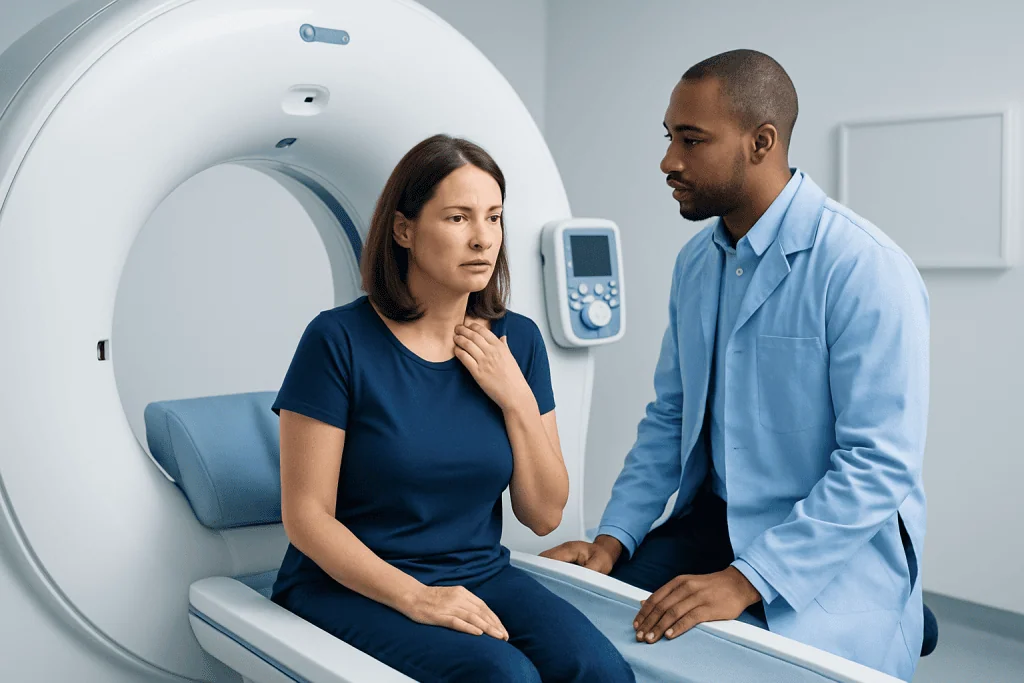
Some symptoms are especially important to discuss with a doctor if they are persistent or unexplained. Unintentional weight loss, ongoing fatigue, a fever that keeps returning, or drenching night sweats can sometimes point to an underlying medical problem, including cancer. These symptoms are not specific, but they may matter more when they occur together or continue despite rest and routine care.
Bleeding that is unusual for the person should always be assessed. This may include blood in the stool or urine, coughing up blood, unusual vaginal bleeding, bleeding after menopause, or a sore that bleeds easily and does not heal. Changes in the bowel or bladder pattern, such as long-lasting constipation, diarrhea, narrower stools, or difficulty urinating, can also need attention if there is no clear short-term cause.
A new lump or swelling anywhere in the body should be examined, especially if it grows, feels firm, or does not go away. A persistent cough, hoarseness, trouble swallowing, ongoing indigestion, repeated vomiting, or chest discomfort can also warrant medical review. Skin changes may matter too, including a mole that changes in size, shape, color, or starts itching or bleeding.
- Unexplained weight loss
- Persistent fatigue or weakness
- New lump or swelling
- Unusual bleeding or discharge
- Changes in bowel or bladder habits
- Persistent cough, hoarseness, or shortness of breath
- Difficulty swallowing or ongoing indigestion
- Skin changes or a sore that does not heal
Why Cancer Symptoms Can Be Hard to Recognize

One reason cancer symptoms can be difficult to recognize is that many are vague and overlap with common illnesses. Heartburn, back pain, bloating, headaches, or tiredness are often caused by benign problems such as infection, stress, hormonal changes, digestive disorders, or musculoskeletal strain. This is why cancer usually cannot be diagnosed based on symptoms alone.
Symptoms also depend on where a cancer begins, whether it affects nearby tissues, and whether it changes how the body uses energy. For example, cancers of the lung may cause cough or breathlessness, while cancers of the colon may lead to blood in the stool or changes in bowel habits. Some blood cancers may show up mainly as fatigue, frequent infections, or easy bruising. Others may produce very few symptoms in their early stages.
Personal risk factors can also influence how doctors interpret symptoms. Age, tobacco use, family history, certain infections, previous radiation exposure, heavy alcohol use, obesity, and some inherited conditions can increase the likelihood that a symptom needs closer investigation. Even so, people without obvious risk factors can still develop cancer, so persistent symptoms should be taken seriously regardless of background.
When Symptoms Need a Doctor’s Attention
A symptom generally needs medical attention when it is unexplained, lasts longer than expected, or becomes more noticeable over time. For many everyday illnesses, symptoms improve within days or a few weeks. If a cough, pain, bleeding, bloating, hoarseness, or bowel change continues beyond that, it is reasonable to arrange a medical review. A doctor can decide whether the cause is likely to be harmless or whether testing is needed.
Some situations deserve prompt assessment rather than watchful waiting. These include coughing up blood, black or bloody stool, blood in the urine, postmenopausal bleeding, a rapidly enlarging lump, severe unexplained pain, a seizure, persistent vomiting, or trouble breathing. Sudden neurological changes, such as weakness on one side, confusion, or trouble speaking, also require urgent care.
It is also wise to seek advice if there is a cluster of smaller changes rather than one major symptom. For example, ongoing fatigue plus weight loss plus reduced appetite may be more meaningful together than separately. People who already have a history of cancer, or who are under surveillance for a high-risk condition, should report new symptoms without delay.
How Doctors Investigate Possible Cancer Symptoms
Evaluation usually begins with a careful medical history and physical examination. The doctor will ask when the symptom started, how often it happens, whether it is changing, and whether there are associated symptoms such as fever, pain, or appetite loss. They may also ask about smoking, alcohol use, work exposures, family history, medications, and previous illnesses.
Depending on the symptom, the next steps may include blood tests, stool or urine tests, imaging studies, or direct examination of the area involved. Imaging can include ultrasound, X-ray, CT, MRI, or mammography. In some situations, an endoscopy is used to look inside the digestive tract, airways, or bladder. If a suspicious area is found, a biopsy may be needed to confirm whether cancer is present.
Testing is tailored to the symptom rather than done all at once. For example, a persistent cough may lead to chest imaging, while rectal bleeding may prompt stool testing and colon evaluation. Some people may also need cancer screening if they are in an age or risk group where screening is recommended, even when symptoms turn out to have another cause.
Treatment and Next Steps If Cancer Is Found
If tests show cancer, treatment depends on the type, location, stage, and the person’s overall health. Common treatment options include surgery, chemotherapy, radiotherapy, targeted therapy, immunotherapy, hormone therapy, or a combination of these approaches. The goal may be to cure the cancer, control it, shrink it, or relieve symptoms and improve quality of life.
People often benefit from care by a multidisciplinary team that may include oncologists, surgeons, radiologists, pathologists, nurses, and supportive care specialists. Depending on the diagnosis, treatment may involve chemotherapy, radiation therapy, or cancer surgery. The most suitable plan is individualized after the diagnosis has been confirmed.
Even when symptoms do not turn out to be cancer, medical evaluation can still be valuable. It may identify infections, inflammatory diseases, hormone disorders, digestive conditions, or other problems that also need treatment. Near the end of the care pathway, some patients choose centers such as Acibadem International, where multidisciplinary specialists in JCI-accredited hospitals diagnose and treat cancer for international patients.
Reducing Risk and Paying Attention to Your Health
No method can prevent all cancers, but healthy habits can help lower risk. Not smoking is one of the most important steps. Other helpful measures include limiting alcohol, maintaining a healthy weight, being physically active, protecting the skin from excessive sun exposure, and following recommended vaccines such as those related to HPV and hepatitis B when appropriate.
Screening is also important because some cancers can be found before symptoms appear. Recommended tests vary by age, sex, family history, and personal risk. Depending on the individual, this may include breast, cervical, colorectal, prostate, lung, or other screening programs. A doctor can explain which tests are appropriate and how often they should be repeated.
People do not need to monitor every minor sensation, but it helps to notice meaningful changes in the body. If something seems unusual and does not settle, writing down when it started and what makes it better or worse can be useful before a medical visit. Acting early does not mean assuming the worst; it means giving persistent symptoms the attention they deserve.
Frequently asked questions
Are common signs of cancer always caused by cancer?
No. Many possible warning signs, such as fatigue, cough, bloating, or pain, are much more often caused by common non-cancer conditions. The main concern is when symptoms are unexplained, persistent, worsening, or unusual for that person.
How long should a symptom last before seeing a doctor?
There is no single rule, but symptoms that continue for several weeks, return repeatedly, or steadily worsen should be assessed. Immediate medical attention is important for serious symptoms such as unusual bleeding, trouble breathing, severe pain, or sudden neurological changes.
Is unexplained weight loss a sign of cancer?
It can be, but it also has many other possible causes, including thyroid disease, digestive conditions, infections, and stress. Weight loss without trying is worth discussing with a doctor, especially if it comes with fatigue, reduced appetite, or ongoing pain.
What does a cancer-related lump feel like?
A lump linked to cancer may be firm, fixed, enlarging, or persistent, but these features are not enough to diagnose it. Many lumps are benign, such as cysts or swollen lymph nodes. Any new or changing lump should be examined by a clinician.
Can blood tests detect cancer?
Blood tests can sometimes show changes that suggest a problem, but they usually cannot confirm cancer on their own. Doctors often use them alongside imaging, endoscopy, and sometimes a biopsy to make or exclude a diagnosis.
Should people without risk factors worry about cancer symptoms?
People without known risk factors usually have a lower chance of cancer, but symptoms still deserve attention if they persist or are unusual. Early medical review helps rule out serious disease and can also identify other treatable conditions.
References
- World Health Organization
- National Cancer Institute
- American Cancer Society
- National Health Service
- Centers for Disease Control and Prevention
This article is for general information only and is not a substitute for professional medical advice. Please consult a qualified doctor about your individual situation.
Oncology care in Turkey — second opinion and treatment plan
JCI-accredited · board-certified surgeons · reply within 24h
Add us as a Preferred Source to see more of our trusted health content across Google Search, AI Overviews and Discover.