Communicable Diseases: Causes, Risk Factors, and Prevention

Communicable diseases are caused by bacteria, viruses, fungi, or parasites that can spread in different ways. Common routes of spread include respiratory droplets, contaminated food or water, direct contact, blood, and insect bites.
Key Takeaways
- Communicable diseases are caused by bacteria, viruses, fungi, or parasites that can spread in different ways.
- Common routes of spread include respiratory droplets, contaminated food or water, direct contact, blood, and insect bites.
- Risk is higher in people with weaker immune systems, chronic illness, limited vaccination, or crowded living conditions.
- Prevention often includes hand hygiene, vaccination, safe sex, food and water safety, and staying home when sick.
- Early diagnosis and appropriate treatment can reduce complications and help limit transmission to others.
Communicable diseases are infections caused by germs that can spread from one person, animal, food source, or environment to another. Understanding how they spread, who is at higher risk, and how to prevent them can help reduce illness and protect communities.
Overview of Communicable Diseases
Communicable diseases are illnesses caused by infectious organisms that can pass from one source to another. These organisms include viruses, bacteria, fungi, and parasites. Some infections spread mainly between people, while others are transmitted through food, water, animals, insects, or contaminated surfaces.
Not every infection spreads in the same way. A common cold may spread through respiratory droplets or close contact, while foodborne infections may develop after eating contaminated food. Some communicable diseases are mild and short-lived, but others can become serious, especially in infants, older adults, pregnant people, and those with weakened immune systems.
Many communicable diseases are preventable. Public health measures such as vaccination, clean water, sanitation, handwashing, and timely medical care have greatly reduced the burden of infection worldwide. Learning the basic causes and risk factors can help people make informed choices in daily life.
How Communicable Diseases Spread
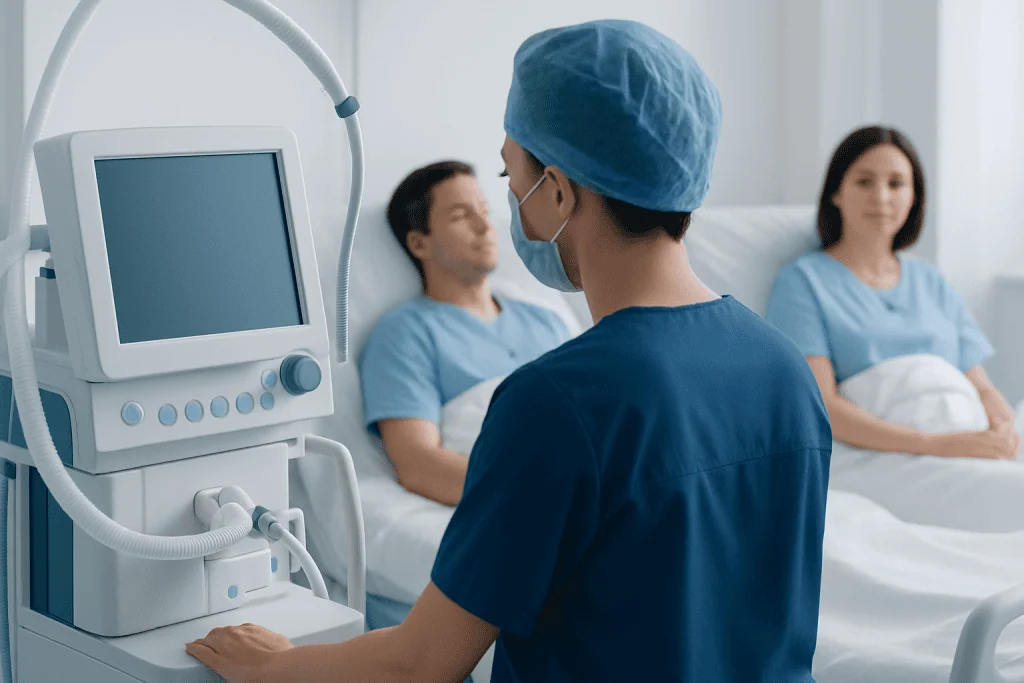
Infectious germs can spread through several routes. Respiratory spread is one of the most common and happens when an infected person coughs, sneezes, talks, or breathes out droplets and small particles that carry germs. This route is typical for illnesses such as influenza, COVID-19, and some other viral infections.
Direct contact spread occurs when germs pass through touching, kissing, sexual contact, or contact with blood and other bodily fluids. Indirect contact can happen when a person touches a contaminated object or surface and then touches the eyes, nose, or mouth. Food and water can also carry infectious organisms, especially if sanitation is poor or food is not stored and prepared safely.
Some diseases are vector-borne, meaning they are spread by insects such as mosquitoes or ticks. Others are zoonotic, meaning they pass from animals to humans. In healthcare settings, communicable diseases may spread if infection control measures are not followed carefully.
- Respiratory droplets and airborne particles
- Direct skin-to-skin or sexual contact
- Blood, needles, and bodily fluids
- Contaminated food or drinking water
- Insect bites, including mosquitoes and ticks
- Animal contact or environmental exposure
Common Symptoms

Symptoms depend on the organism involved and the area of the body affected. Many communicable diseases cause general symptoms such as fever, tiredness, body aches, headache, chills, or swollen lymph nodes. These symptoms are signs that the immune system is responding to infection.
Respiratory infections often cause cough, sore throat, nasal congestion, or shortness of breath. Digestive infections may lead to nausea, vomiting, abdominal cramps, or diarrhea. Skin infections can cause redness, warmth, pain, rash, or discharge. Some infections also cause no symptoms at first, which means a person may spread the illness without realizing it.
Because symptoms can overlap with many non-infectious conditions, it is not always possible to know the cause without medical evaluation. Warning signs such as trouble breathing, dehydration, confusion, severe pain, persistent high fever, or a rapidly worsening rash should be assessed promptly.
Causes and Risk Factors
The direct cause of a communicable disease is infection by a harmful microorganism. Viruses need human or animal cells to multiply, bacteria can grow on their own in some environments, fungi often affect the skin or lungs, and parasites may live in or on the body. Whether a person becomes ill depends on both the germ and the body’s ability to fight it.
Risk factors vary but often include close contact with someone who is ill, travel to areas with endemic infections, poor sanitation, unsafe food or water, unprotected sexual activity, and lack of recommended vaccines. Healthcare workers and caregivers may also have increased exposure due to frequent contact with patients.
Certain personal health factors can increase susceptibility or make complications more likely. These include older age, very young age, pregnancy, chronic diseases, cancer treatment, organ transplantation, HIV infection, or the use of medicines that suppress immunity. In some cases, communicable diseases can lead to related conditions such as sepsis if the body’s response to infection becomes overwhelming.
Diagnosis
Diagnosis usually begins with a medical history and physical examination. A doctor may ask about symptoms, travel, recent sick contacts, vaccination status, sexual history, animal exposures, food intake, and any underlying medical conditions. This information helps narrow down the most likely causes.
Laboratory testing may include blood tests, throat or nasal swabs, stool samples, urine tests, or samples from skin lesions or wounds. In some cases, imaging tests such as a chest X-ray or CT scan may be needed to look for infection in the lungs or other organs. If a serious infection is suspected, early evaluation is important to guide treatment and reduce complications.
Accurate diagnosis matters because treatment differs by cause. For example, antibiotics can help with some bacterial infections but do not treat viral illnesses. Identifying the source of infection can also help protect others through isolation measures, contact tracing, or preventive treatment when appropriate.
Treatment Options
Treatment depends on the type of infection, how severe it is, and the person’s overall health. Many mild viral infections improve with rest, fluids, fever control, and supportive care. Bacterial infections may require antibiotics, while some fungal or parasitic infections need specific antifungal or antiparasitic medicines. Treatment should always be guided by a qualified clinician to avoid unnecessary medication use and drug resistance.
Severe infections may require hospital care, especially if there is difficulty breathing, dehydration, low blood pressure, or signs of spreading infection. Some people may need oxygen, intravenous fluids, or close monitoring. In selected cases, additional procedures or advanced supportive treatments are used depending on the organ system affected.
When infections affect the lungs, doctors may recommend further evaluation or bronchoscopy to examine the airways in certain situations. If a serious abdominal source of infection is suspected, imaging such as MR imaging can be helpful as part of the diagnostic process. Near the end of the care pathway, multidisciplinary teams at Acibadem International and its JCI-accredited hospitals also evaluate and treat infectious conditions for international patients when specialized assessment is needed.
Prevention and Self-Care
Prevention is one of the most effective ways to reduce communicable diseases. Regular handwashing with soap and water, especially before eating and after using the bathroom, is a simple but powerful measure. Vaccination is another key step and helps protect both the individual and the wider community from several serious infections.
Other prevention measures include covering coughs and sneezes, staying home when sick, cleaning high-touch surfaces, practicing safer sex, and avoiding sharing needles or personal items that may carry blood. Safe food handling, proper cooking, and drinking clean water reduce the risk of gastrointestinal infections. In areas where insect-borne disease is common, insect repellent, protective clothing, and mosquito control are useful.
Self-care during an infection usually includes rest, adequate fluids, good nutrition, and following medical advice carefully. It is also helpful to limit close contact with others until a doctor says it is safe. People with recurrent infections or slow recovery may need further assessment to look for underlying conditions, including lung problems such as pneumonia in the right clinical setting.
When to See a Doctor
Medical advice should be sought if symptoms are severe, do not improve, or are getting worse. A doctor should also be consulted for high fever, persistent vomiting or diarrhea, signs of dehydration, chest pain, confusion, severe weakness, or any trouble breathing. Newborns, older adults, pregnant people, and those with weakened immune systems should seek care early if infection is suspected.
Prompt evaluation is also important after certain exposures, such as an animal bite, a needlestick injury, contact with a person known to have a serious contagious illness, or travel-related symptoms after returning from another region. Sexually transmitted infections should be assessed and treated without delay to reduce complications and transmission.
For emergencies, urgent care is needed if there are signs of severe infection such as blue lips, inability to stay awake, seizures, very low blood pressure, or rapidly spreading redness and swelling. Early treatment can be lifesaving and may also help prevent the spread of infection to others.
Frequently asked questions
What is the difference between communicable and non-communicable diseases?
Communicable diseases are caused by infectious organisms and can spread between people, animals, food, water, or the environment. Non-communicable diseases, such as diabetes or heart disease, are not caused by infection and do not spread from person to person.
Are all communicable diseases contagious through the air?
No. Some spread through the air or respiratory droplets, but others spread through food, water, blood, sexual contact, insect bites, or direct skin contact. The route of transmission depends on the specific infection.
Can antibiotics treat communicable diseases?
Antibiotics treat certain bacterial infections, but they do not work against viruses. Other communicable diseases may need antiviral, antifungal, or antiparasitic treatment, while some mild infections only need supportive care.
How can someone lower the risk of getting a communicable disease?
Useful steps include regular handwashing, staying up to date with vaccines, safe food and water practices, safer sex, and avoiding close contact with people who are unwell. In some settings, masks, insect protection, or preventive medicines may also be appropriate.
Who is more likely to develop severe complications from infection?
Infants, older adults, pregnant people, and those with weakened immune systems are often at higher risk. People with chronic illnesses or those receiving treatments that suppress immunity may also become more seriously ill.
When should a person seek urgent medical help for an infection?
Urgent help is important for trouble breathing, chest pain, confusion, severe dehydration, seizures, or rapidly worsening symptoms. A high fever that does not improve or signs of severe weakness should also be assessed promptly.
References
- World Health Organization
- Centers for Disease Control and Prevention
- European Centre for Disease Prevention and Control
- National Health Service
- Mayo Clinic
This article is for general information only and is not a substitute for professional medical advice. Please consult a qualified doctor about your individual situation.
Explore treatments in Turkey — costs, top hospitals & a free quote
JCI-accredited · board-certified surgeons · reply within 24h
Add us as a Preferred Source to see more of our trusted health content across Google Search, AI Overviews and Discover.