

Complete Decongestive Therapy Lymphedema: How It Works, Results and What to Expect
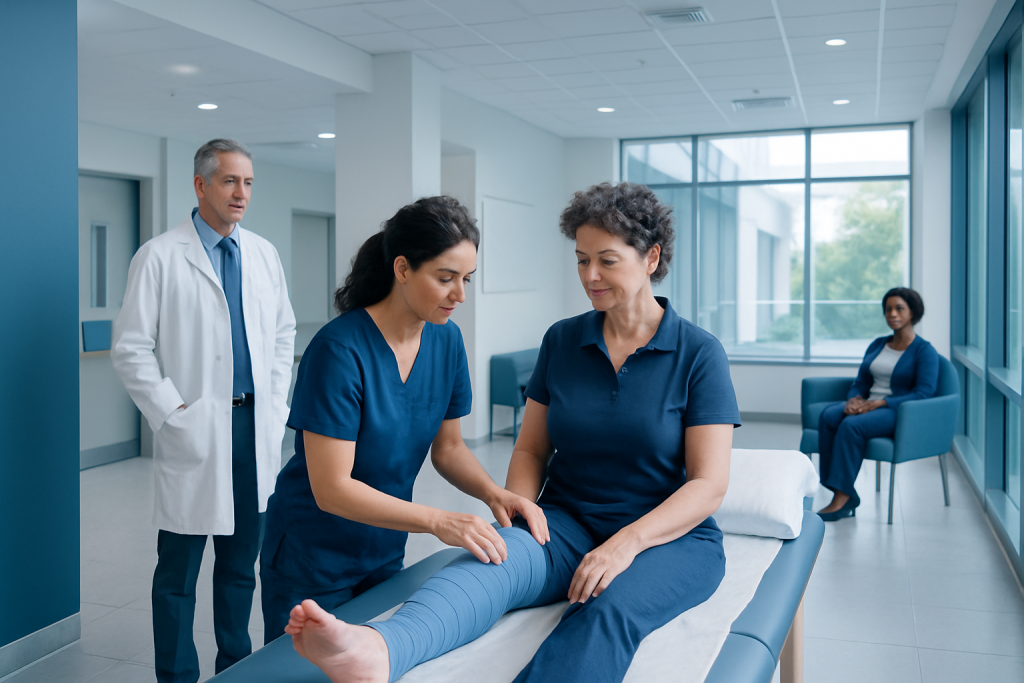
CDT is a structured lymphedema-management program rather than a single procedure. The intensive phase commonly involves frequent therapist visits, followed by long-term self-management.
Key Takeaways
- CDT is a structured lymphedema-management program rather than a single procedure.
- The intensive phase commonly involves frequent therapist visits, followed by long-term self-management.
- Compression and regular movement are central to maintaining improvements.
- Results vary with the cause and stage of lymphedema, treatment consistency and individual health factors.
- New, sudden or painful swelling needs medical assessment before starting massage or compression.
Complete decongestive therapy (CDT) is the main non-surgical treatment approach for lymphedema. It combines specialized compression, movement, skin care and, when appropriate, manual lymphatic drainage to reduce swelling, improve comfort and help people manage lymphedema over the long term.
Overview: What Is Complete Decongestive Therapy for Lymphedema?
Complete decongestive therapy lymphedema care is a personalized, non-surgical program that helps move fluid out of a swollen body area and prevents it from building up again. It is commonly used for swelling in an arm, leg, hand, foot, trunk, face or genital area when the lymphatic system is damaged, underdeveloped or overloaded.
CDT is often considered the standard conservative approach to lymphedema. It does not repair damaged lymph vessels or provide a permanent cure, but it can reduce the volume and heaviness of the affected area, improve mobility and support skin health. Treatment is usually delivered by a clinician trained in lymphedema care, with the person gradually learning the skills needed for daily self-management.
Lymphedema can occur after cancer treatment, injury, infection or surgery, or because of an inherited lymphatic condition. It may also be linked with vein problems, obesity or reduced mobility. A clinical assessment is important because swelling has many possible causes, and the appropriate care depends on the diagnosis.
How Complete Decongestive Therapy Works
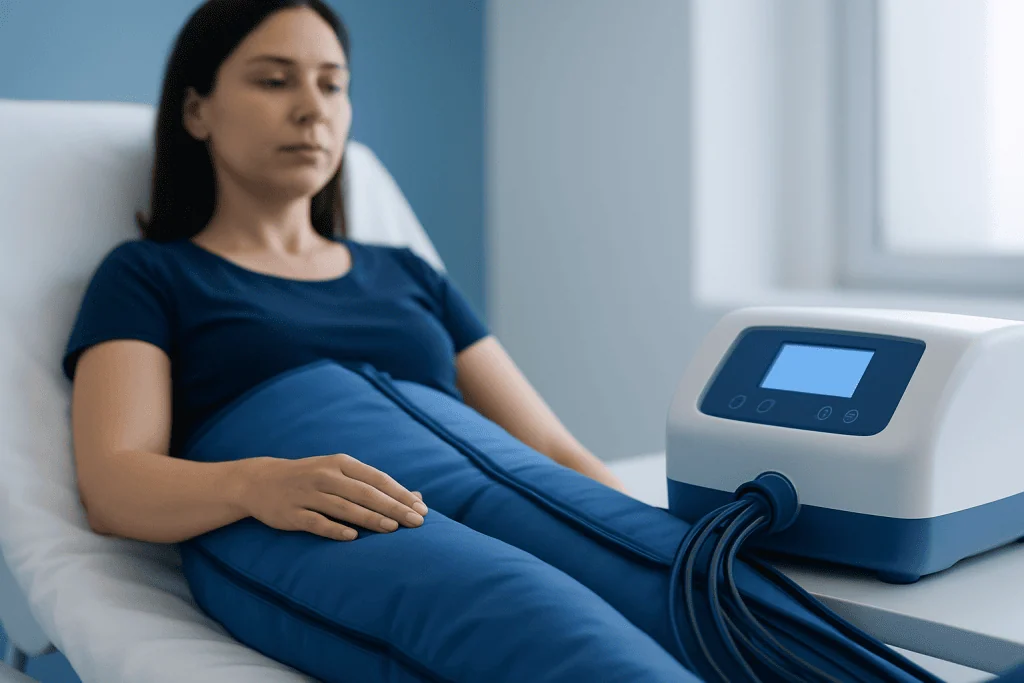
The lymphatic system normally returns excess fluid and proteins from body tissues to the bloodstream. In lymphedema, this transport system cannot keep pace with the fluid load. CDT uses several complementary methods to direct fluid toward areas where lymphatic drainage is functioning better, while limiting further accumulation.
Its core components are manual lymphatic drainage, compression therapy, exercise and skin care. Manual lymphatic drainage is a gentle, specialized technique; it is different from deep-tissue massage and is intended to encourage superficial lymph flow. Compression bandaging or garments create external support for the tissues and help the muscles move fluid during activity.
Exercise is selected to suit the affected limb, overall fitness and medical history. Simple muscle contractions, walking, range-of-motion work and breathing exercises can contribute to fluid movement. Skin care reduces the chance of cracks, fungal infections and cellulitis, which can worsen swelling and may need prompt treatment.
- Intensive phase: focuses on reducing swelling with therapist-guided treatment and short-stretch compression bandaging.
- Maintenance phase: focuses on preserving results with fitted compression garments, self-care, exercise and follow-up as needed.
Who May Be a Candidate for CDT?

CDT may be appropriate for adults and children with diagnosed primary or secondary lymphedema. It is often recommended after cancer surgery or radiotherapy when lymph nodes or vessels have been affected, including people who have swelling related to breast, gynecologic, prostate, melanoma or other cancer treatments.
Before therapy begins, a clinician should assess the location and severity of swelling, skin condition, circulation, mobility, medical history and goals. Measurements of limb circumference or volume, photographs and symptom questionnaires may be used to establish a baseline and monitor change over time.
Some situations require treatment to be delayed, modified or coordinated with another specialist. These include suspected blood clot, active untreated infection, uncontrolled heart failure, severe arterial disease or sudden unexplained swelling. A trained clinician can determine whether compression and manual techniques are safe and which approach is suitable.
CDT can be part of broader lymphedema care that may include medical evaluation, rehabilitation support and, for selected people, discussion of surgical options. Conservative management generally remains important even if a procedure is considered.
What Happens During Complete Decongestive Therapy?
The first visit generally includes a detailed assessment and education about lymphedema. The therapist reviews symptoms, examines the skin and tissues, takes measurements and discusses practical issues such as work, travel, clothing and activity. Together, they develop a plan that fits the affected area and the person’s daily routine.
During the intensive phase, sessions may take place several times per week for a period determined by the degree of swelling and response to care. A session may include skin inspection and care, manual lymphatic drainage when indicated, application of multilayer short-stretch bandages and instruction in exercises or self-bandaging. The exact sequence can vary.
Once swelling has reduced and stabilized, the person is measured for an appropriate compression garment. They are taught how to put it on, remove it, care for it and recognize when it needs replacement or adjustment. Regular use is usually needed because fluid can return when compression is discontinued.
Self-management is an active part of the process. It may include daily skin checks, moisturizing, prescribed movement, compression use and knowing how to seek help for changing symptoms. Some people also benefit from support with weight management, mobility or treatment-related rehabilitation.
How Will I Know if Lymphatic Drainage Is Working?
Improvement is usually assessed over time rather than by how a single treatment session feels. Signs that the plan may be helping include reduced limb measurements, softer tissues, less tightness or heaviness, improved ability to move or wear clothing, and fewer swelling fluctuations through the day.
Some people notice that the treated area feels lighter or that urination increases temporarily after treatment, but these changes alone do not prove that lymphatic drainage is effective. The most useful indicators are objective measurements and changes in daily function recorded by the clinician and patient.
In established lymphedema, improvement may be gradual. Fibrotic, firm tissue and long-standing swelling can take longer to respond than early, soft swelling. If swelling is increasing despite treatment, the therapist or doctor should reassess the diagnosis, garment fit, treatment plan and possible contributing conditions.
Does Complete Decongestive Therapy Work? Benefits, Limits and Risks
Complete decongestive therapy can help many people control lymphedema symptoms and reduce limb volume, particularly when it is individualized and followed by ongoing compression and self-care. Benefits may include less discomfort, improved movement, better fitting clothes or shoes, healthier skin and greater confidence in everyday activities.
Its effectiveness depends on factors such as the cause and duration of lymphedema, the amount of tissue fibrosis, compression adherence, body weight, mobility and episodes of infection. CDT is management rather than a cure: stopping maintenance measures can allow fluid to accumulate again. A realistic goal is sustainable control of swelling and symptoms.
When delivered by an appropriately trained professional and used after a medical assessment, CDT is generally well tolerated. Possible issues include temporary discomfort, skin irritation, pressure areas from poorly fitted compression or difficulty applying garments. Compression should be reviewed promptly if it causes numbness, color changes, pain, coldness or skin injury.
Manual lymphatic drainage and compression are not suitable for every cause of swelling. They should not replace urgent assessment for a possible clot, infection or heart-related fluid retention. A care team may also discuss lymphedema treatment options beyond CDT when symptoms remain difficult to control.
How Many Days Does It Take for Lymphatic Drainage to Work? Recovery Timeline
There is no single timeline for lymphatic drainage because lymphedema differs widely between individuals. Some people notice reduced tightness or a small change in swelling within days of beginning the intensive phase. Others need several weeks of regular treatment before meaningful reductions are measured, especially when swelling has been present for a long time.
The intensive phase often lasts until limb volume and tissue condition have reached a stable level. This may involve frequent appointments over a number of weeks, followed by fitting of compression garments and transition to maintenance. The therapist adjusts the schedule according to response, health needs and the person’s ability to manage care safely at home.
Maintenance is long term. Wearing compression as advised, staying physically active within personal limits, protecting the skin and attending reviews when symptoms change can help preserve results. Changes in weight, travel, activity, medical treatment or garment condition may mean the plan needs adjustment.
Recovery should not be viewed as a short, one-time process. People can often continue work, family life and exercise with lymphedema, but regular management is usually needed to reduce flare-ups and maintain comfort.
Is Lymphedema Treatment Worth It? When to Seek Medical Care
For many people, lymphedema treatment is worthwhile because controlling swelling can protect skin health, improve function and reduce the impact of symptoms on daily life. The best approach is one that is practical, safe and sustainable. A therapist and doctor can help set goals that matter to the individual, such as walking more comfortably, using an arm more easily or reducing recurrent skin problems.
Medical care should be sought promptly for sudden swelling, new one-sided leg swelling, redness, warmth, fever, rapidly worsening pain, shortness of breath or chest pain. These symptoms may have causes other than lymphedema and need urgent assessment. A person should also contact their care team for new wounds, drainage, skin color changes or compression that becomes painful or poorly fitting.
Anyone with persistent or unexplained swelling should arrange a medical evaluation before starting self-massage, bandaging or compression. At Acibadem International, multidisciplinary specialists at JCI-accredited hospitals can assess and treat lymphedema for international patients, including support from rehabilitation and relevant medical specialties.
Following diagnosis, scheduled follow-up helps ensure compression remains appropriate and self-care techniques are effective. Prompt attention to infections and skin changes is especially important for helping prevent complications.
Frequently asked questions
What is included in complete decongestive therapy?
Complete decongestive therapy includes skin care, compression, exercise and education in self-management. It may also include manual lymphatic drainage performed by a trained lymphedema therapist. The plan is adjusted to the person’s diagnosis, symptoms and ability to use compression safely.
Can complete decongestive therapy cure lymphedema?
CDT does not cure lymphedema or restore damaged lymphatic vessels. It can reduce swelling and help control symptoms over time. Ongoing compression and other self-care measures are usually needed to maintain improvement.
How often is complete decongestive therapy performed?
During an intensive phase, therapy may be provided several times a week, depending on swelling severity and the treatment plan. The schedule is individualized and may change as the limb volume stabilizes. Maintenance typically relies more on home care, compression and follow-up appointments.
Can I do lymphatic drainage massage at home?
A therapist may teach selected self-lymphatic drainage techniques after assessing the person and confirming they are appropriate. The technique is gentle and follows specific pathways, so it is best learned from a qualified professional. Self-massage should not be started for sudden, painful or unexplained swelling without medical advice.
Should compression garments be worn all day?
Many people are advised to wear daytime compression garments during waking hours, but instructions vary by condition, garment type and medical needs. Some people need bandaging or different compression for specific activities. A lymphedema clinician should provide individualized guidance on wear time and garment replacement.
Can exercise make lymphedema worse?
Appropriately progressed exercise is usually helpful and is an important component of lymphedema management. Starting gradually, using recommended compression when advised and monitoring symptoms can reduce the chance of aggravating swelling. New or worsening pain, heaviness or swelling should be discussed with the care team.
References
- International Society of Lymphology
- National Cancer Institute
- American Cancer Society
- National Health Service
- American Physical Therapy Association
This article is for general information only and is not a substitute for professional medical advice. Please consult a qualified doctor about your individual situation.
Explore treatments in Turkey — costs, top hospitals & a free quote
JCI-accredited · board-certified surgeons · reply within 24h
Add us as a Preferred Source to see more of our trusted health content across Google Search, AI Overviews and Discover.

More from the Health Library


Related Specialists

Dr. Sünkar Kaya Bayrak
Anesthesiology
Dr. Mustafa Ertuğrul Mercan
Cardiology
Dr. Abdullah Özel
Pediatric Surgery
Prof. Dr. Halil Koyuncu
Physical Medicine & Rehabilitation