Composite Tissue Allotransplantation: Face and Hand Transplant Explained
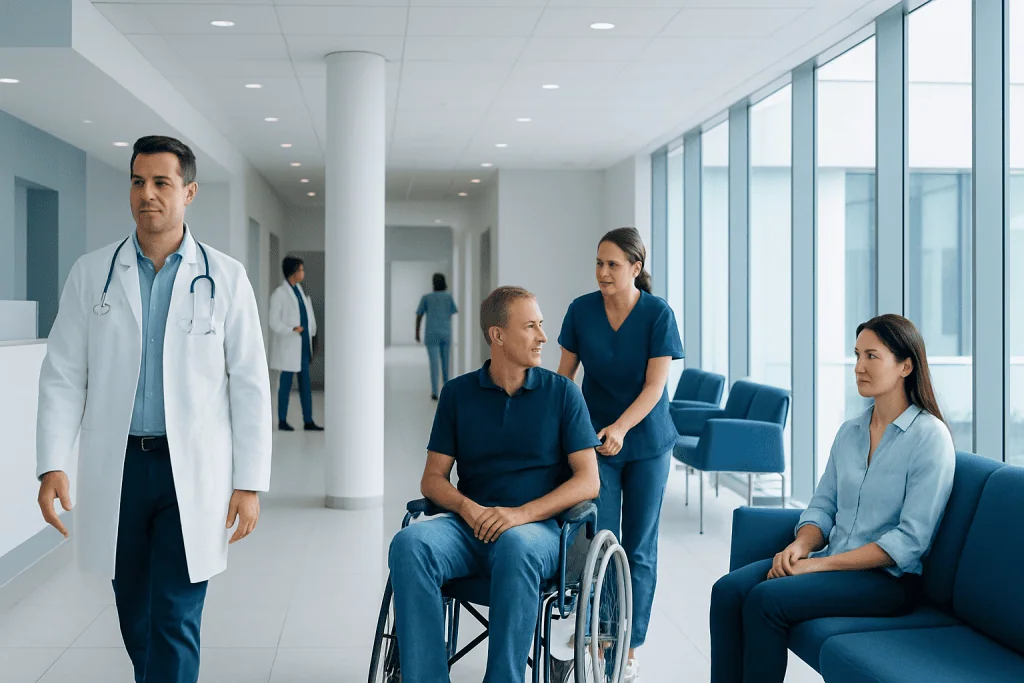
Composite tissue allotransplantation transplants multiple tissue types together, such as skin, muscle, bone, nerves, and blood vessels. Face and hand transplant procedures are considered only for carefully selected patients with severe tissue loss or functional impairment.
Key Takeaways
- Composite tissue allotransplantation transplants multiple tissue types together, such as skin, muscle, bone, nerves, and blood vessels.
- Face and hand transplant procedures are considered only for carefully selected patients with severe tissue loss or functional impairment.
- Success depends on expert surgery, rehabilitation, psychological support, and lifelong anti-rejection treatment.
- These procedures can improve function and daily independence, but they also carry significant risks and long-term responsibilities.
- Evaluation includes medical, surgical, immunologic, and mental health assessments before a person can be considered for transplant.
Composite tissue allotransplantation is a highly specialized transplant procedure that replaces complex body parts such as a face or hand using donor tissue. It may improve function, appearance, and quality of life for carefully selected patients, but it requires major surgery, lifelong medicines, and close follow-up.
Overview
Composite tissue allotransplantation, also called vascularized composite allotransplantation, is a transplant approach used to replace complex body structures made of different tissue types. Unlike a solid organ transplant such as a kidney or liver, this type of transplant may include skin, fat, muscle, tendons, bone, nerves, and blood vessels transplanted together as one functional unit.
The best-known examples are face transplant and hand transplant. These procedures are usually considered for people who have experienced severe injury, burns, trauma, congenital differences, or tissue loss that cannot be adequately treated with standard reconstructive surgery alone. The goal is not only to restore appearance, but also to improve function, sensation, communication, and independence in daily life.
Because these procedures are rare and complex, they are performed only in highly specialized centers with experienced multidisciplinary teams. Care typically involves transplant surgeons, plastic and reconstructive surgeons, anesthesiologists, rehabilitation specialists, immunology experts, psychologists, psychiatrists, nurses, and social workers.
Who May Be a Candidate
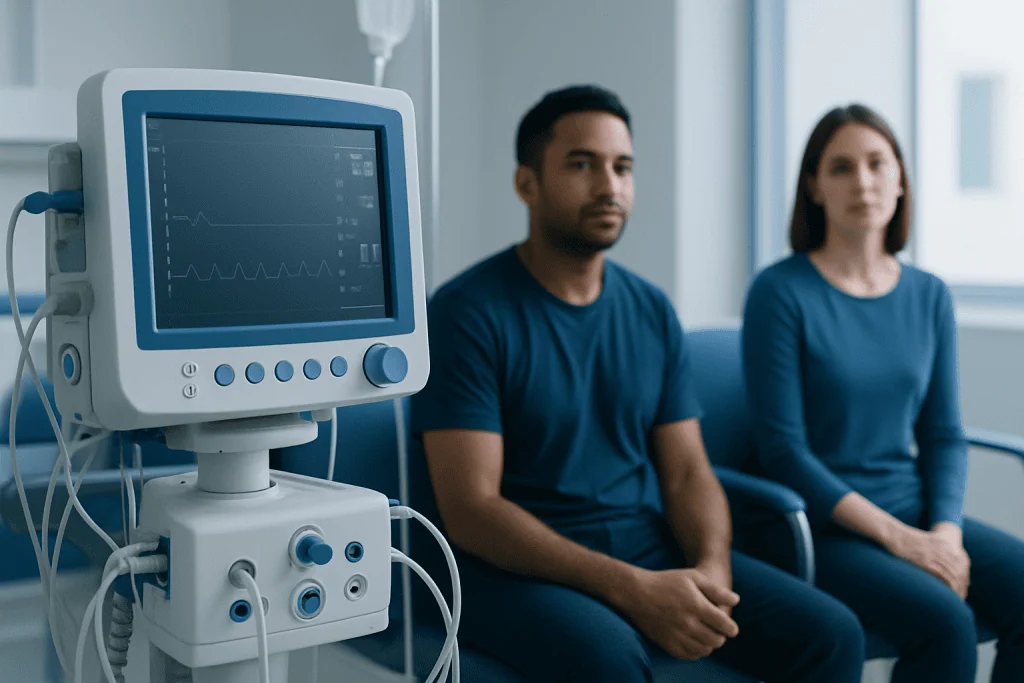
Composite tissue allotransplantation is generally reserved for people with severe tissue loss or limb loss when other reconstructive options are unlikely to provide enough function or quality-of-life improvement. For example, a hand transplant may be considered when one or both hands are missing and prosthetic or reconstructive solutions do not meet a person’s needs. A face transplant may be considered after major facial trauma, extensive burns, tumor-related tissue loss, or certain severe deformities.
Not everyone with a severe injury is a candidate. Doctors look carefully at the person’s overall health, the extent of tissue damage, history of infections, immune system factors, ability to participate in rehabilitation, and willingness to take lifelong medications. Because anti-rejection medicines affect the whole body, the potential benefits must clearly outweigh the long-term risks.
Psychological readiness is also essential. A person considering face or hand transplant needs realistic expectations about what surgery can and cannot achieve. The process involves a lengthy recovery, intensive therapy, visible changes in body image, and ongoing follow-up. Strong social support can make a meaningful difference during recovery and long-term adjustment.
How Face and Hand Transplants Work
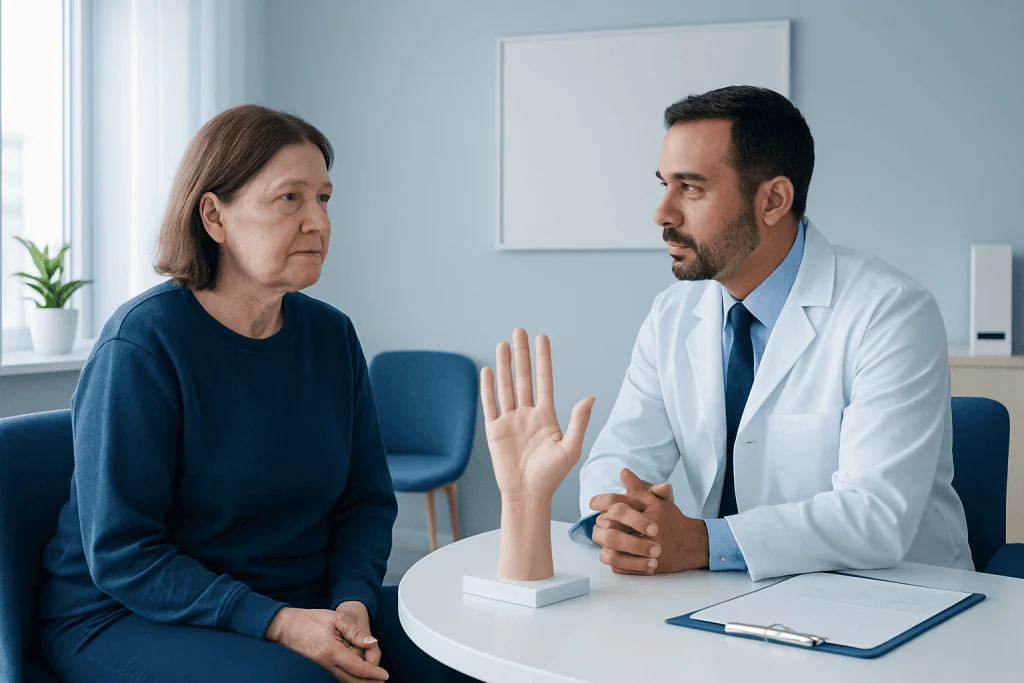
In composite tissue allotransplantation, donor tissue is carefully matched to the recipient using blood type, immune compatibility, size, and other physical characteristics such as skin tone and anatomical features when relevant. The transplanted tissue is then connected through highly complex microsurgery. Surgeons join arteries and veins to restore blood flow, repair nerves to allow potential sensation and movement, and align muscles, tendons, bone, and soft tissues for function and structure.
A face transplant may involve portions of the skin, underlying soft tissue, nose, lips, eyelids, facial muscles, and sometimes bone, depending on the individual need. A hand transplant may include the hand alone or the hand and part of the forearm. These operations are tailored to each patient rather than following one fixed surgical plan.
The operation itself is only one part of treatment. Rehabilitation begins early and may continue for months or years. In a hand transplant, therapy focuses on movement, strength, coordination, and function. In a face transplant, therapy may involve facial movement, speech, swallowing, eye protection, and sensory recovery. Over time, nerve regeneration may allow some return of feeling and movement, but progress varies from person to person.
Benefits, Limitations, and Risks
The potential benefits of composite tissue allotransplantation can be significant. A hand transplant may help improve grasp, fine motor function, and independence in everyday tasks. A face transplant may support breathing, eating, speaking, blinking, facial expression, and social interaction, while also restoring some appearance after devastating tissue loss.
At the same time, these procedures have important limitations. Recovery is long, outcomes are variable, and a transplanted hand or face will not function exactly like the original. Some abilities may improve gradually, while others may remain limited despite successful surgery and extensive therapy.
The major medical concern is rejection, which happens when the immune system recognizes the transplanted tissue as foreign. Patients need lifelong immunosuppressive medicine to reduce this risk. These medicines can increase susceptibility to infections and may also contribute to other long-term complications such as kidney problems, high blood pressure, diabetes, or certain cancers. Surgical risks such as bleeding, poor wound healing, blood clots, or vascular complications can also occur.
- Possible benefits: improved function, sensation, appearance, communication, and self-care
- Short-term risks: bleeding, infection, poor blood flow, wound complications, rejection episodes
- Long-term risks: medication side effects, chronic rejection, repeated procedures, ongoing therapy needs
Evaluation and Diagnosis Before Transplant
Before a face or hand transplant is considered, patients go through a detailed evaluation process. This is not a diagnosis in the usual sense of identifying a disease, but rather a comprehensive assessment to determine whether transplant is appropriate and safe. Doctors review the person’s injury history, previous surgeries, current function, and any related conditions that could affect surgery or healing.
Testing may include blood work, tissue typing, imaging studies, vascular assessment, and infection screening. Teams also assess heart and lung health to ensure a person can tolerate major surgery. When needed, specialists may use advanced imaging and detailed planning to understand anatomy and prepare the operation.
Mental health and rehabilitation evaluations are just as important as medical tests. The transplant team needs to know whether the person can manage the demands of recovery, medications, follow-up visits, and intensive therapy. This stage often includes discussions about alternatives, such as advanced reconstructive procedures, prosthetics, or plastic and reconstructive surgery options that may be suitable in some cases.
Treatment, Rehabilitation, and Long-Term Care
Treatment includes the transplant operation itself, followed by immunosuppressive therapy and structured rehabilitation. After surgery, patients are monitored very closely for blood flow to the transplanted tissue, early signs of infection, and episodes of acute rejection. Skin changes, swelling, pain, or reduced function may prompt urgent assessment and sometimes a biopsy or adjustment in medication.
Rehabilitation is a central part of success. Hand transplant recipients usually need extensive physical and occupational therapy to relearn movement patterns and improve strength and coordination. Face transplant recipients may need therapy for speaking, chewing, swallowing, eye closure, and facial expression. Recovery can be gradual, and meaningful gains may continue over a long period.
Long-term care also includes regular transplant follow-up, lab monitoring, screening for medication side effects, and support for emotional adjustment. Some patients may require additional reconstructive procedures to refine function or appearance. In selected situations, parts of care may overlap with services used in hand surgery or physical therapy and rehabilitation, depending on individual needs.
Near the end of the treatment journey, many patients benefit from coordinated care across specialties. Acibadem International’s multidisciplinary specialists and JCI-accredited hospitals diagnose and treat complex transplant-related conditions for international patients, with planning that includes surgery, rehabilitation, and long-term follow-up.
Self-care, Follow-up, and When to See a Doctor
Self-care after composite tissue allotransplantation focuses on protecting the transplanted tissue, taking medicines exactly as prescribed, attending every follow-up appointment, and participating consistently in rehabilitation. Patients are also taught to watch for possible warning signs of rejection or infection and to contact their transplant team promptly if changes occur.
General health measures are also important. Good nutrition, sleep, skin care, oral hygiene when relevant, infection prevention, and avoiding tobacco support healing and long-term health. Because immunosuppressive medicines lower immune defenses, doctors may advise extra care around illnesses and recommend routine screenings and vaccinations when appropriate.
A doctor should be contacted urgently for fever, increasing redness, swelling, rash, drainage, sudden pain, reduced movement, color change in the transplanted tissue, or any rapid change in how the transplant looks or feels. New numbness, weakness, or trouble with function also deserves prompt medical attention. Early assessment can help the team identify rejection, infection, circulation problems, or other treatable complications.
People considering this type of procedure should also seek medical advice if they want to understand alternatives. In some cases, advanced reconstruction, prosthetics, or treatment for related burn injuries or traumatic tissue loss may offer a safer or more suitable path.
Frequently asked questions
What is composite tissue allotransplantation?
Composite tissue allotransplantation is a transplant procedure that replaces a complex body part made of several tissue types, such as skin, muscle, bone, nerves, and blood vessels. It is most often discussed in relation to face and hand transplant surgery.
Is a face transplant the same as cosmetic surgery?
No. A face transplant is a reconstructive transplant procedure performed for severe tissue loss, major functional problems, or both. Its goals include restoring breathing, eating, speaking, blinking, and facial movement, not simply changing appearance.
Can a hand transplant restore full normal function?
A hand transplant can improve function, sensation, and independence, but it does not usually restore the hand to exactly normal function. Outcomes vary based on nerve recovery, rehabilitation, overall health, and how the body responds to the transplant.
Why are anti-rejection medicines necessary for life?
The immune system naturally tries to attack tissue it recognizes as foreign. Lifelong immunosuppressive medicine helps reduce the risk of rejection, although it also requires careful monitoring because it can increase the risk of infections and other side effects.
Who decides whether someone can have a face or hand transplant?
A multidisciplinary transplant team makes this decision after extensive evaluation. The team considers medical suitability, psychological readiness, rehabilitation potential, social support, and whether expected benefits outweigh the risks.
How long does recovery take after composite tissue allotransplantation?
Recovery is usually long and involves several phases. Hospital recovery is followed by months or years of therapy, close medical monitoring, and gradual functional improvement, with progress differing from one person to another.
References
- World Health Organization
- U.S. National Library of Medicine
- NHS
- American Society of Transplantation
- International Society of Vascularized Composite Allotransplantation
This article is for general information only and is not a substitute for professional medical advice. Please consult a qualified doctor about your individual situation.
Joint and spine care in Turkey — expert assessment & treatment
JCI-accredited · board-certified surgeons · reply within 24h
Add us as a Preferred Source to see more of our trusted health content across Google Search, AI Overviews and Discover.