Compound Fracture — Explained by Medical Evidence, Not Myths
A compound fracture is another term for an open fracture, where the skin and deeper tissues are disrupted near the broken bone. Urgent medical care is important because infection, bleeding, and soft-tissue damage can occur alongside the fracture.
Key Takeaways
- A compound fracture is another term for an open fracture, where the skin and deeper tissues are disrupted near the broken bone.
- Urgent medical care is important because infection, bleeding, and soft-tissue damage can occur alongside the fracture.
- Treatment often includes wound cleaning, antibiotics, stabilizing the bone, and sometimes surgery.
- Recovery depends on the location of the fracture, the degree of tissue injury, and overall health.
- Early assessment helps lower the risk of complications such as infection, delayed healing, or poor bone alignment.
A compound fracture is a broken bone that is linked to an open wound in the skin, allowing germs to reach deeper tissues. It is a medical emergency because treatment focuses not only on repairing the bone, but also on reducing infection risk and protecting nearby muscles, nerves, and blood vessels.
Overview: what a compound fracture really means
A compound fracture, also called an open fracture, is a broken bone associated with a break in the skin and soft tissues around it. In some cases, bone may be visible through the wound. In others, the skin opening may be small, but the pathway between the fracture and the outside environment is still present. That connection is what makes this injury different from a simple closed fracture.
The main concern is not just that the bone is broken. A compound fracture also raises the risk of infection because bacteria can enter the wound and reach bone, muscle, and other tissues. Doctors also look closely for bleeding, damage to blood vessels, nerve injury, and loss of healthy tissue around the fracture site.
These injuries can happen after falls, sports trauma, road traffic accidents, crush injuries, or any force strong enough to break bone and tear tissue. Because the priorities are both bone repair and wound protection, treatment usually begins quickly in an emergency setting and may involve orthopedic surgery and rehabilitation.
Symptoms and signs to recognize
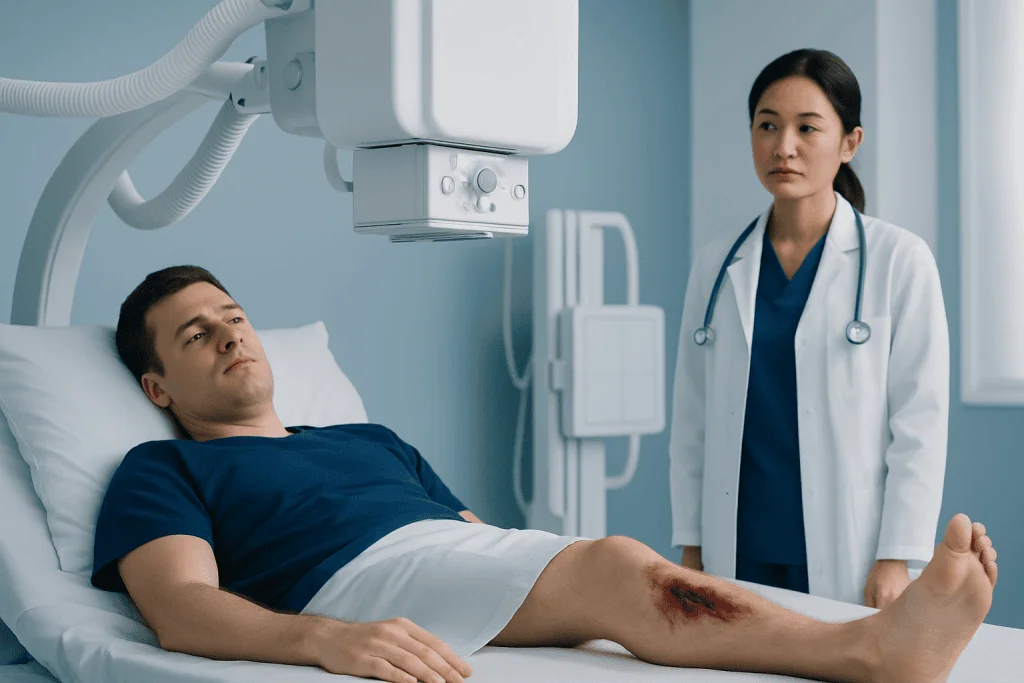
The symptoms of a compound fracture usually include sudden pain, swelling, and difficulty moving the injured area. The limb may look misshapen, shortened, or out of place. A visible wound near the fracture is a key sign, but it is important to remember that the opening can sometimes be smaller than expected and still represent an open fracture.
Other signs can include bleeding, tenderness, bruising, or a cracking sensation at the time of injury. If nerves or blood vessels are affected, there may be numbness, tingling, paleness, cool skin, or weakness below the injury. These findings need urgent medical evaluation because circulation and nerve function can be threatened.
- Severe pain that worsens with movement
- An open wound near the broken bone
- Visible bone or deep tissue
- Swelling, deformity, or inability to bear weight
- Numbness, weakness, or color changes in the limb
Not every serious fracture looks dramatic from the outside. For that reason, any injury with a wound overlying a suspected fracture should be treated cautiously until assessed by a qualified clinician.
Causes, severity, and risk factors

Compound fractures most often result from high-energy trauma, such as vehicle collisions, falls from height, industrial accidents, or sports injuries. A direct blow can break the bone and tear the surrounding tissues. In some situations, the bone itself punctures outward through the skin after it breaks.
Doctors assess not only the fracture pattern but also the extent of soft-tissue injury. A small wound with limited tissue damage may be less complex than a large wound with crushed muscle, contamination, or interrupted blood supply. This is why two compound fractures in the same bone can require very different treatment plans.
Certain factors may raise the risk of complications. These include smoking, diabetes, poor circulation, malnutrition, immune suppression, and delayed treatment after the injury. Bone strength also matters. In some people, osteoporosis or other bone conditions can make fractures more likely, though open fractures are still usually linked to significant trauma. Information on osteoporosis may be relevant when evaluating long-term bone health after recovery.
How doctors diagnose a compound fracture
Diagnosis begins with a physical examination. The medical team checks the wound, looks for signs of contamination, and evaluates whether muscles, tendons, nerves, or blood vessels may be injured. They also assess circulation below the fracture by checking pulses, skin temperature, and capillary refill, and they test sensation and movement when possible.
Imaging confirms the fracture and helps plan treatment. X-rays are commonly used first to show the location and alignment of the break. In more complex injuries, especially around joints or when multiple fragments are present, a CT scan may provide additional detail. When the injury pattern is severe, imaging can also help identify related damage that is not obvious at first glance.
Blood tests may be used to assess overall health, blood loss, or readiness for surgery, but the most important diagnostic steps are usually the clinical examination and imaging. Because open fractures are often time-sensitive, the evaluation is structured to move quickly toward wound care, infection prevention, and bone stabilization.
Treatment options and why timing matters
Treatment for a compound fracture usually starts immediately. The wound is covered with a clean dressing, the limb is immobilized, and pain control is provided. Antibiotics are commonly given early because they help reduce the risk of infection. Tetanus protection may also be updated, depending on the wound and vaccination history.
Many patients need surgery to clean the wound thoroughly, remove contaminated or nonviable tissue, and stabilize the bone. This process is often called irrigation and debridement. Stabilization may involve a cast or splint, but more severe injuries may need internal fixation with plates, screws, or rods, or temporary or definitive external fixation. In some cases, soft-tissue reconstruction is also needed if skin or muscle has been lost.
The exact plan depends on the fracture location, wound size, contamination level, and condition of surrounding tissues. Related orthopedic procedures may include fracture surgery and, when restoring movement and strength after healing, physical therapy and rehabilitation. For some patients, advanced orthopedic trauma care is important because open fractures often involve several treatment stages rather than a single intervention.
Doctors continue to monitor healing after the initial emergency treatment. Follow-up visits help detect complications such as infection, delayed union, nonunion, stiffness, or hardware problems. Early and careful treatment improves the chance of the bone healing in good alignment while preserving function.
Recovery, healing time, and self-care
Recovery after a compound fracture can take weeks to months, and sometimes longer for severe injuries. Healing time depends on which bone is affected, how much tissue damage occurred, whether surgery was needed, and the person’s general health. Children often heal faster than adults, while smoking, poor nutrition, or chronic illness can slow recovery.
Rehabilitation is an important part of care. As healing progresses, a clinician may recommend exercises to restore flexibility, strength, balance, and normal movement patterns. The timing of activity varies with the fracture type, so patients should follow their orthopedic team’s instructions rather than returning to sport or work too early.
Self-care supports recovery but does not replace professional follow-up. Patients are often advised to keep dressings and casts dry if instructed, elevate the injured limb to help with swelling, take medicines exactly as prescribed, and watch for signs of infection or circulation problems. Eating enough protein and maintaining adequate calcium and vitamin D intake may also support bone healing.
Some people worry that a compound fracture always leads to permanent disability. That is a common myth. While these injuries are serious, many patients recover well with prompt care, proper fracture stabilization, infection prevention, and rehabilitation tailored to their needs.
Prevention and reducing future risk
Not all compound fractures can be prevented, but some steps reduce the chance of major injury. Wearing seat belts, using protective sports equipment, following workplace safety practices, and reducing fall hazards at home can all make a meaningful difference. Safe footwear, good lighting, and support rails may be especially useful for older adults.
Bone health also matters over time. Weight-bearing exercise, balanced nutrition, and avoiding smoking can help support stronger bones. People with a history of fragility fractures or concerns about low bone density may benefit from medical evaluation and guidance on bone protection.
For those recovering from one fracture, preventing a second injury is part of the plan. That may include reviewing balance, vision, medications, and home safety. If a person has repeated fractures or healing problems, doctors may look for an underlying cause such as poor bone quality or another medical condition affecting bone metabolism.
When to seek medical care
A suspected compound fracture needs urgent medical care. Immediate evaluation is important if there is an open wound over a broken bone, heavy bleeding, visible bone, major deformity, severe pain, loss of feeling, or a cold or pale limb. Until help is available, the injured area should be kept as still as possible and the wound should not be probed or pushed back into place.
Even after treatment begins, patients should contact a doctor promptly if they develop fever, worsening redness, pus, a bad smell from the wound, increasing pain, new numbness, or swelling that feels tense and severe. These can be signs of infection or other complications that need timely review.
For international patients who need coordinated orthopedic assessment, Acibadem International offers diagnosis and treatment through multidisciplinary specialists in JCI-accredited hospitals. In some cases, related bone and joint conditions may also be evaluated, including bone fracture and broader trauma recovery needs.
Frequently asked questions
Is a compound fracture the same as an open fracture?
Yes. The term compound fracture is commonly used to mean an open fracture, where the broken bone is associated with a wound in the skin. The wound may be large and obvious or relatively small, but it still creates a route for infection.
How serious is a compound fracture?
A compound fracture is considered serious because it involves both a broken bone and damage to the skin and soft tissues. The open wound increases the risk of infection and may also be linked to bleeding, nerve injury, or blood vessel damage.
Can a compound fracture heal completely?
Many compound fractures can heal well with prompt and appropriate treatment. The outcome depends on the bone involved, the extent of tissue injury, the risk of infection, and how closely the person follows follow-up and rehabilitation advice.
Will every compound fracture need surgery?
Not every case is identical, but many compound fractures do require surgery to clean the wound and stabilize the bone. The decision depends on the fracture pattern, the amount of contamination, and the condition of the surrounding tissues.
What should someone do before reaching the hospital?
The injured limb should be kept as still as possible, and the wound should be covered with a clean cloth or dressing if available. The bone should not be pushed back in, and eating or drinking may be best avoided in case surgery is needed soon.
How long does recovery from a compound fracture usually take?
Recovery can take several weeks to many months. Simple injuries may heal faster, while severe fractures with major soft-tissue damage, infection risk, or multiple surgeries may require a longer period of treatment and rehabilitation.
References
- American Academy of Orthopaedic Surgeons
- National Institute for Health and Care Excellence
- MedlinePlus
- Mayo Clinic
- American College of Surgeons
This article is for general information only and is not a substitute for professional medical advice. Please consult a qualified doctor about your individual situation.
Joint and spine care in Turkey — expert assessment & treatment
JCI-accredited · board-certified surgeons · reply within 24h
Add us as a Preferred Source to see more of our trusted health content across Google Search, AI Overviews and Discover.

More from the Health Library

Ssss Staphylococcus — Explained by Medical Evidence, Not Myths

Dilated Pupils: What Patients Need to Know

Bifidobacterium Infantis — Explained by Medical Evidence, Not Myths

Stable Angina: A Complete Medical Overview
Deadlift Muscles Worked: What Patients Need to Know

Black Fungus: An Evidence-Based Guide for Patients
Orthopedic Surgery & Traumatology Specialists at Acibadem

Fzt. A.Sercan Soyarslan
Physical Medicine & Rehabilitation
Dr. Abdullah Yener İnce
Orthopedic Surgery & Traumatology
Dr. Adnan Abbasoğlu
Orthopedic Surgery & Traumatology
Prof. Dr. Ahmet Alanay
Orthopedic Surgery & Traumatology