Comprehensive Eye Exam: What to Expect
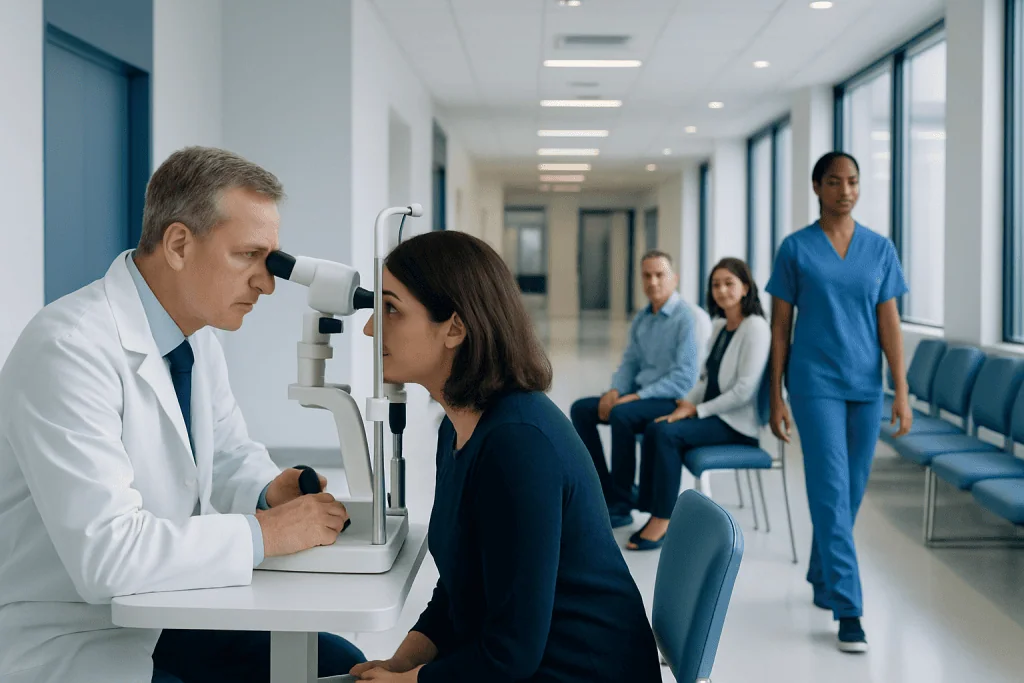
A comprehensive eye exam checks vision and eye health, helping detect common problems early—even before symptoms develop.
Key Takeaways
- A comprehensive eye exam evaluates both how well a person sees and the health of the eyes.
- Eye tests may include visual acuity checks, refraction, eye pressure measurement and pupil dilation.
- Many eye conditions, including glaucoma and diabetic eye disease, can develop without early warning signs.
- Exam frequency depends on age, vision needs, family history, medical conditions and previous eye findings.
- Sudden vision loss, severe eye pain, flashes of light or a curtain-like shadow require urgent medical assessment.
A comprehensive eye exam is a detailed assessment of vision and the health of the eyes. It can identify refractive errors and detect eye conditions early, including some that may not cause noticeable symptoms at first.
What Is a Comprehensive Eye Exam?
A comprehensive eye exam is a series of tests performed by an eye care professional, usually an ophthalmologist or optometrist. It assesses visual clarity, eye movement, focusing ability and the structures of the eye. Unlike a simple vision screening, it is designed to look for eye diseases as well as determine whether glasses or contact lenses may improve vision.
The examination may identify common refractive errors, such as nearsightedness, farsightedness, astigmatism and age-related difficulty focusing on near objects. It can also help detect conditions affecting the cornea, lens, retina, optic nerve and blood vessels inside the eye.
Some health conditions can cause visible changes in the eyes. For this reason, a detailed eye examination may provide useful information for people with diabetes, high blood pressure, autoimmune disease or neurological symptoms. Eye findings are considered alongside a person’s medical history and any symptoms they are experiencing.
Why Regular Eye Exams Matter
Vision changes are often gradual, and people may not recognize that their sight has changed until daily activities become difficult. A comprehensive eye exam can clarify whether blurred vision, headaches, eye strain or difficulty reading are related to a correctable focusing problem or another eye condition.
Regular examinations are also important because several significant eye diseases may have few or no symptoms early on. Glaucoma, diabetic retinopathy and some retinal conditions can affect eye health before a person notices changes in vision. Early detection allows an eye specialist to monitor the condition and discuss appropriate management.
Children benefit from age-appropriate eye assessments because vision develops during childhood. Identifying significant focusing differences, eye alignment concerns or reduced vision in one eye early can support visual development and learning. Adults and older adults may need periodic monitoring because the likelihood of cataracts, glaucoma and age-related retinal changes increases with age.
What Happens During the Examination
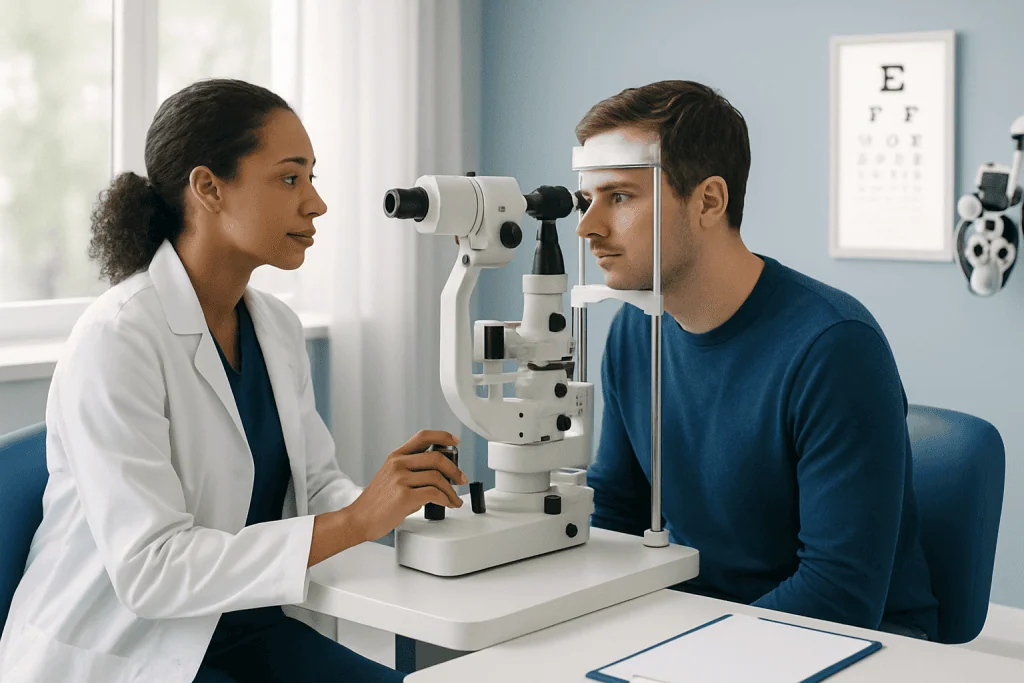
The appointment usually begins with a discussion about vision concerns, current glasses or contact lenses, medications, general health and family history of eye disease. The clinician may ask about symptoms such as blurred vision, dryness, double vision, floaters, light sensitivity, headaches or difficulty seeing at night.
Visual acuity testing measures how clearly each eye sees at distance and sometimes near. A refraction test helps determine the lens prescription that provides the clearest vision. The clinician may also evaluate eye alignment, eye movements, peripheral vision, pupil responses and how the eyes work together.
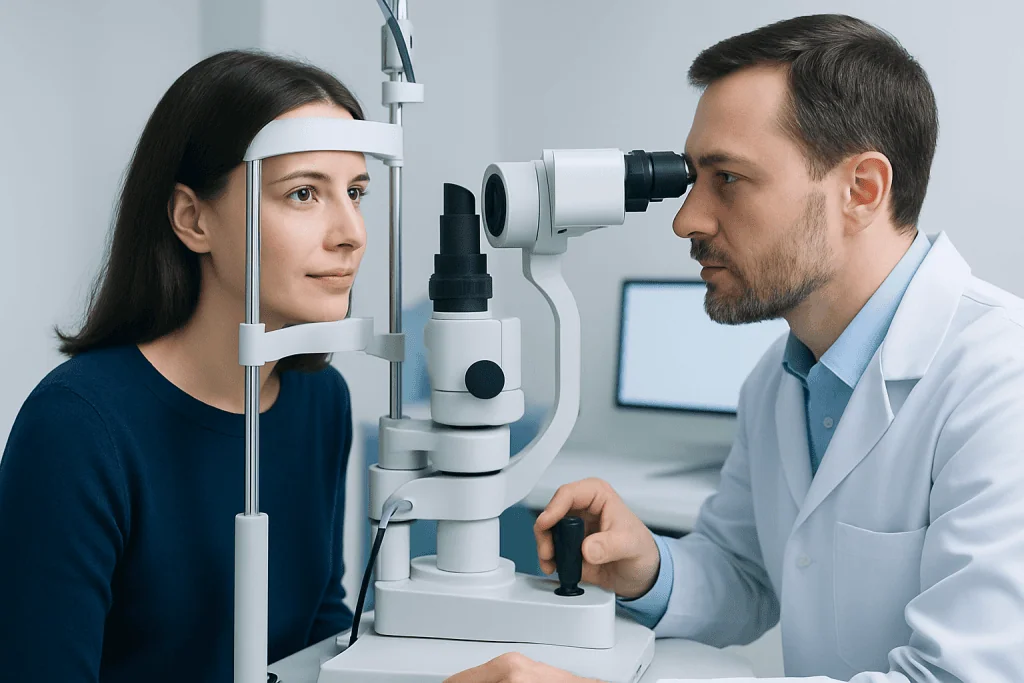
Eye pressure may be measured as part of an assessment for glaucoma. The front of the eye is commonly examined using a slit lamp, a microscope with a bright light that allows close inspection of the eyelids, tear film, cornea, iris and lens. These tests are typically painless, although bright lights may be briefly uncomfortable.
Depending on the person’s needs, the examination may include additional testing such as corneal measurements, visual field testing, retinal photographs or optical coherence tomography. These tests create detailed images or measurements that can help diagnose and monitor eye conditions.
Pupil Dilation and Retinal Examination
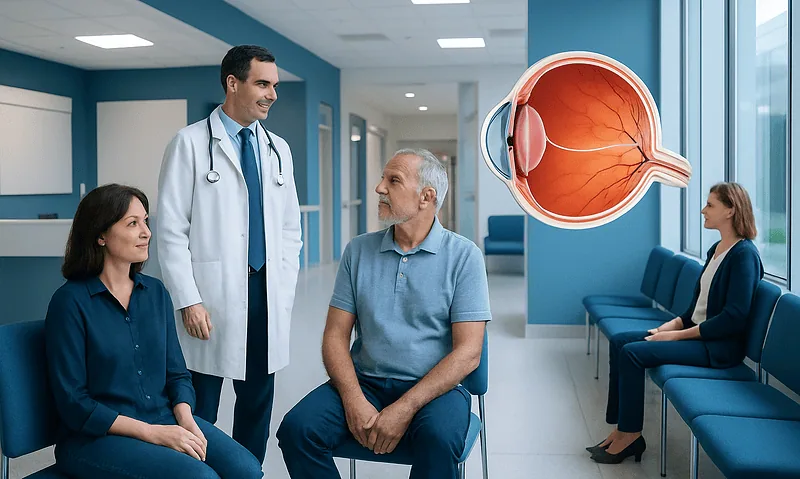
During many comprehensive eye exams, dilating eye drops are used to widen the pupils. This gives the clinician a clearer view of the retina, macula, optic nerve and blood vessels at the back of the eye. These structures are essential for vision and can show signs of retinal disease, glaucoma-related optic nerve changes and systemic health conditions.
Dilation may cause temporary blurred near vision and increased sensitivity to light. These effects often last for several hours, though the duration varies by person and the type of drops used. Wearing sunglasses afterward can improve comfort outdoors.
It is sensible to ask the clinic in advance whether driving may be difficult after dilation. Some people prefer to arrange transport home, particularly if their vision feels blurred or if they are uncomfortable in bright light. The eye care professional can explain what to expect based on the planned tests.
A dilated retinal examination can be especially important for people with diabetes, a strong family history of glaucoma or retinal disease, high degrees of nearsightedness, previous eye injury, or new visual symptoms. The need for dilation and its frequency are decided individually.
Who Needs a Comprehensive Eye Exam and How Often?
Everyone’s recommended schedule is different. Healthy adults with no symptoms may require exams at intervals advised by their eye care professional, while those who wear glasses or contact lenses may need more regular reviews to assess vision and eye comfort. Children should have eye assessments according to local health guidance and whenever there are concerns about vision or eye alignment.
More frequent examinations may be recommended for people with diabetes, glaucoma or a family history of glaucoma, high blood pressure, previous eye surgery or injury, inflammatory conditions, or medications that may affect the eyes. People with known eye disease are generally followed on an individualized plan.
Older adults may benefit from regular eye health checks because age-related changes become more common over time. Cataracts can cloud the natural lens, while macular conditions may affect central vision. A clinician can advise whether monitoring or treatment is needed if changes are found.
- Arrange an exam if glasses no longer provide clear, comfortable vision.
- Schedule a review for persistent eye strain, frequent headaches or difficulty with reading and screens.
- Seek an assessment if a child squints, sits unusually close to screens, has trouble at school or appears to have an eye turn.
- Follow the eye specialist’s recommended schedule when there is an existing eye condition.
Preparing for an Eye Exam
Preparing a few details before the appointment can make the examination more useful. A person may bring their current glasses, contact lens information, a list of medications and relevant medical records if available. It is also helpful to note when symptoms began, what makes them better or worse, and whether they affect one or both eyes.
People who use contact lenses should follow the clinic’s instructions about whether to wear them to the appointment. In some situations, particularly when assessing the cornea or considering a change in lens type, the clinician may advise stopping lens wear for a period before testing.
Questions are welcome during an eye exam. Patients may ask what each test measures, whether a new prescription is necessary, how often follow-up is needed and which symptoms should prompt earlier review. Understanding the results helps a person take an active role in protecting their eye health.
If dilation is planned, bringing sunglasses and allowing extra time after the visit can be practical. People should avoid making assumptions about driving after the appointment and should follow the advice given by their clinician.
When to Seek Urgent Eye Care
A routine comprehensive eye exam is valuable for preventive care, but certain symptoms need prompt medical assessment rather than waiting for a scheduled appointment. Sudden loss of vision, a new curtain or shadow across vision, sudden onset of many floaters, or flashes of light can indicate a retinal problem that requires urgent evaluation.
Severe eye pain, marked redness, sudden sensitivity to light, nausea with eye pain, chemical exposure or an eye injury should also be assessed urgently. Sudden double vision or vision changes accompanied by weakness, facial drooping, difficulty speaking or severe headache may require emergency medical care.
Less urgent but persistent concerns, such as gradually worsening blur, eye discomfort, dryness, repeated headaches or changes in night vision, should be discussed with an eye care professional. Early assessment can help identify the cause and guide appropriate care.
Acibadem International’s multidisciplinary specialists and JCI-accredited hospitals provide diagnostic eye assessments and treatment planning for international patients when specialist care is needed.
Frequently asked questions
How long does a comprehensive eye exam take?
Many comprehensive eye exams take about 30 to 60 minutes, but timing varies depending on the tests needed and whether pupil dilation is used. Additional imaging or testing may make the visit longer. The clinic can provide a more specific estimate when the appointment is booked.
Is a comprehensive eye exam painful?
Most parts of an eye exam are painless. Bright lights, air-puff pressure tests or dilating drops can be briefly uncomfortable, but they do not usually cause pain. A person should tell the clinician if they have pain or significant discomfort during any test.
Can an eye exam detect diabetes?
An eye examination can reveal changes in retinal blood vessels that may occur with diabetes. However, an eye exam alone does not diagnose diabetes; blood testing and medical evaluation are needed. People with diabetes should have regular eye assessments as advised by their healthcare team.
Do I need a dilated eye exam every time?
Not everyone needs dilation at every visit. The decision depends on age, symptoms, medical history, eye health, risk factors and findings from earlier examinations. An eye care professional will explain whether dilation is recommended.
Should I bring my glasses and contact lenses to the appointment?
Yes, bringing current glasses is useful because the clinician can check the existing prescription and lens condition. Contact lens wearers should bring lens details and follow any instructions from the clinic about wearing or removing lenses before the exam.
What is the difference between a vision screening and a comprehensive eye exam?
A vision screening is a brief check that may identify reduced visual acuity or possible risk factors. A comprehensive eye exam is more detailed and evaluates eye structures, vision, eye pressure and other aspects of eye health. A screening cannot replace a full examination when symptoms, risks or concerns are present.
This article is for general information only and is not a substitute for professional medical advice. Please consult a qualified doctor about your individual situation.
Explore treatments in Turkey — costs, top hospitals & a free quote
JCI-accredited · board-certified surgeons · reply within 24h
Add us as a Preferred Source to see more of our trusted health content across Google Search, AI Overviews and Discover.
Check your numbers in seconds
BMI, calories, due date, blood pressure and 30+ more clinical calculators — free, instant, doctor-reviewed ranges.