Compression Fracture of the Spine: Symptoms, Diagnosis, and Treatment Options
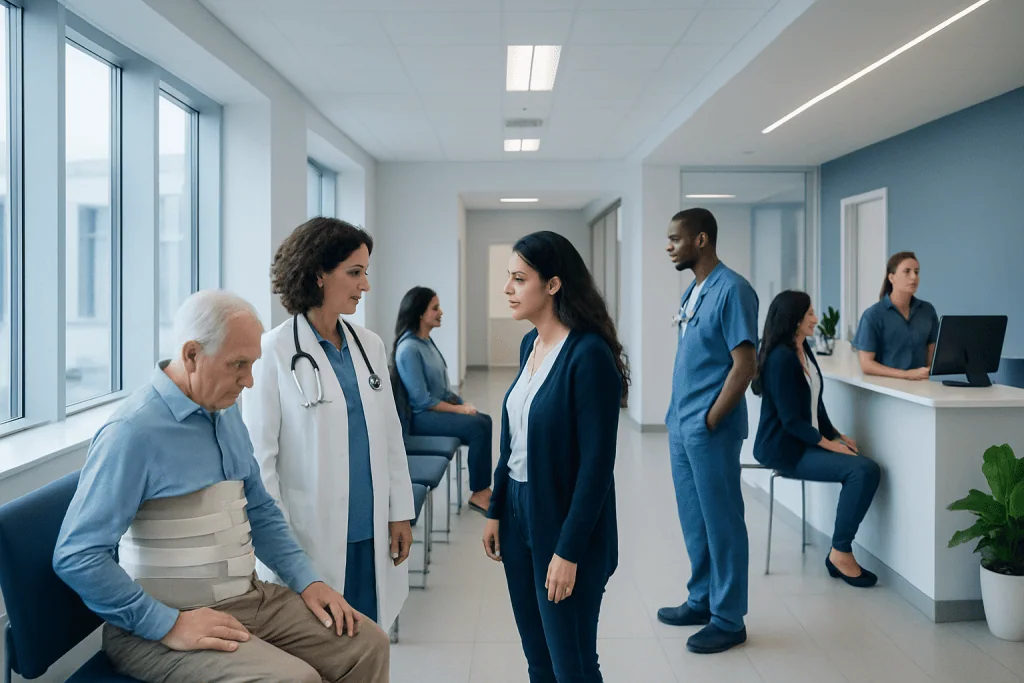
Compression fractures most often affect the middle or lower spine and are commonly linked to osteoporosis. Symptoms may include sudden back pain, reduced height, and a stooped posture, but some fractures cause only mild discomfort.
Key Takeaways
- Compression fractures most often affect the middle or lower spine and are commonly linked to osteoporosis.
- Symptoms may include sudden back pain, reduced height, and a stooped posture, but some fractures cause only mild discomfort.
- Diagnosis usually involves a physical exam and imaging such as X-rays, MRI, or CT scans.
- Treatment may include pain control, bracing, physical therapy, osteoporosis care, and in selected cases minimally invasive procedures or surgery.
- Early medical assessment is important, especially after a fall, with severe pain, or with numbness, weakness, or bladder or bowel symptoms.
A compression fracture of the spine happens when one of the vertebrae weakens and partially collapses. It often causes sudden back pain, but symptoms, severity, and treatment vary depending on the cause and the person’s overall bone health.
Overview
A compression fracture of the spine occurs when a vertebra, one of the small bones that form the spinal column, collapses or becomes compressed. This can happen gradually in weakened bone or suddenly after trauma. The condition is also called a vertebral compression fracture.
These fractures are most common in the thoracic spine, the middle back, and the lumbar spine, the lower back. In many adults, especially older adults, osteoporosis is the leading cause because it makes bones less dense and more fragile. A relatively minor movement, cough, lift, or fall may then be enough to trigger a fracture.
Not every compression fracture is an emergency, but every suspected fracture should be assessed by a doctor. Some are stable and improve with conservative care, while others may signal a more serious underlying problem such as severe bone loss, trauma, or rarely a tumor or infection. Prompt diagnosis helps guide treatment and reduce the risk of ongoing pain or further collapse.
Symptoms
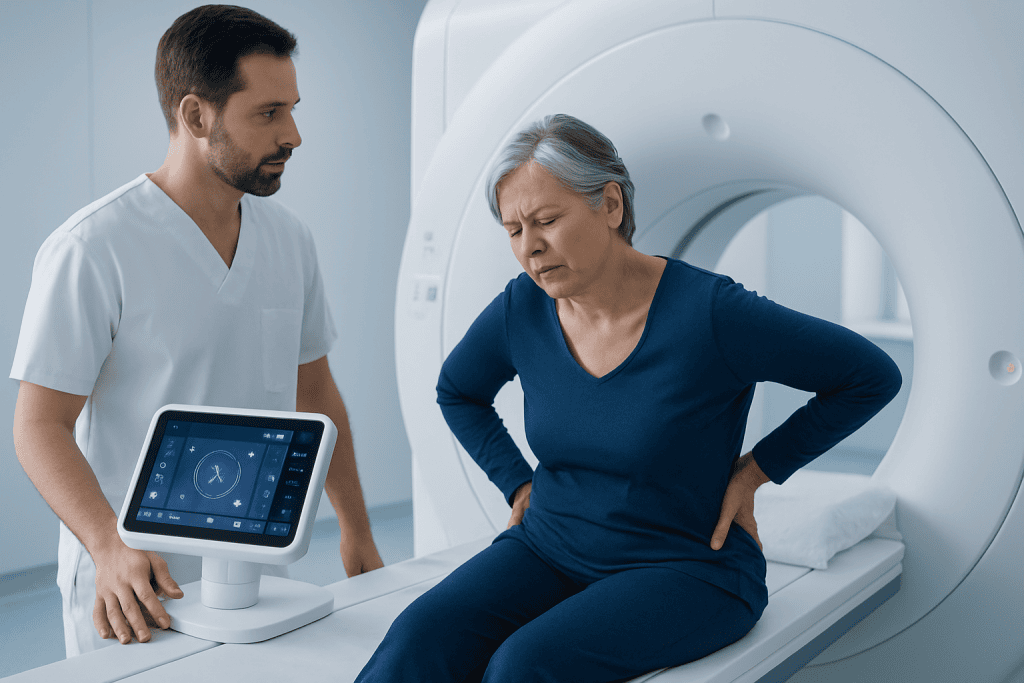
The most common symptom is back pain that starts suddenly or worsens over a short period of time. The pain is often felt in the mid-back or low back and may become worse when standing, walking, bending, or twisting. It may feel better when lying down and resting.
Some people notice a gradual loss of height or a more rounded, forward-bent posture over time. This can happen when more than one vertebra is affected. Repeated fractures may change spinal alignment and place strain on nearby muscles and joints, leading to chronic discomfort.
Symptoms can vary widely. Some people have only mild pain, while others have severe pain that limits movement. In certain cases, there may be no obvious symptoms at first, and the fracture is discovered on imaging performed for another reason.
- Sudden back pain after a minor strain or fall
- Pain that worsens with movement or standing
- Tenderness over the spine
- Loss of height
- Stooped posture or spinal curvature
- Reduced mobility in daily activities
If a fracture affects nearby nerves or the spinal canal, there may also be numbness, weakness, difficulty walking, or problems with bladder or bowel control. These symptoms need urgent medical attention.
Causes and Risk Factors
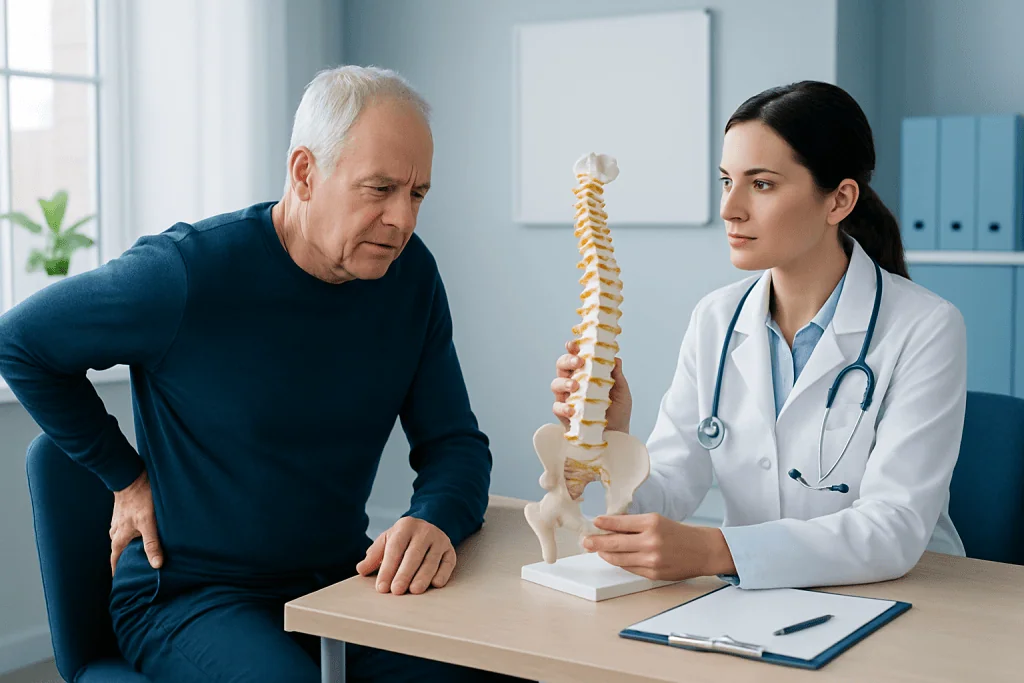
Osteoporosis is the most frequent cause of compression fracture of the spine. When bone density decreases, the vertebrae become more vulnerable to collapse. This is especially common after menopause and in older age, but bone loss can affect men as well.
Trauma is another important cause. A fall from height, a car accident, or a sports injury can cause a vertebral fracture even in people with otherwise healthy bones. In younger adults, a high-energy injury is more likely than osteoporosis to be the cause.
Less commonly, vertebrae may weaken because of conditions such as cancer that has spread to bone, primary bone tumors, long-term corticosteroid use, or certain infections. Doctors may also consider other bone disorders when symptoms and imaging are not typical. People being evaluated for a fracture may also be assessed for related problems such as osteoporosis.
- Older age
- Low bone density or known osteoporosis
- Previous compression fracture
- Female sex, especially after menopause
- Long-term steroid medication use
- Low body weight or poor nutrition
- Smoking and excess alcohol use
- History of cancer or significant trauma
How Diagnosis Is Made
Diagnosis starts with a medical history and physical examination. The doctor asks when the pain began, whether there was a fall or injury, and whether there are symptoms such as numbness, weakness, fever, unexplained weight loss, or bladder or bowel changes. During the examination, the spine is checked for tenderness, posture changes, and signs of nerve involvement.
Imaging is usually needed to confirm the diagnosis. X-rays can often show vertebral collapse, loss of height in a vertebra, or spinal curvature. MRI is especially helpful when doctors need to know whether the fracture is new, whether there is swelling in the bone, or whether nerves or the spinal cord are affected. CT scans can provide detailed information about bone structure and fracture pattern.
If osteoporosis is suspected, bone density testing may be recommended. Blood tests may also be used to look for underlying causes such as metabolic bone disease, infection, or cancer when clinically appropriate. In some cases, doctors may need to distinguish a compression fracture from other causes of back pain such as scoliosis or degenerative spine conditions.
A careful diagnosis matters because treatment depends not only on the fracture itself, but also on why it happened. Identifying osteoporosis or another underlying condition can help prevent future fractures.
Treatment Options
Treatment depends on the severity of symptoms, the stability of the fracture, the person’s age and health, and the underlying cause. Many stable compression fractures improve with non-surgical care. This often includes a short period of activity modification, pain-relieving medication as advised by a doctor, and gradual return to movement. Prolonged bed rest is generally avoided because it can lead to deconditioning and further bone loss.
A spinal brace may sometimes be recommended to provide support, reduce painful motion, and help healing in the early phase. Physical therapy can be an important part of recovery. Guided exercises may help strengthen back and core muscles, improve posture, and restore safe movement patterns. Some people also benefit from a structured physical therapy and rehabilitation plan.
When osteoporosis is present, treatment should also address bone health. This may include calcium and vitamin D guidance, weight-bearing activity when safe, fall prevention, and medicines prescribed to reduce the risk of future fractures. If the fracture is related to cancer or another disease, treatment focuses on both the fracture and the underlying condition.
For selected patients with ongoing severe pain despite conservative care, minimally invasive procedures such as kyphoplasty or vertebroplasty may be considered. These procedures are not suitable for everyone, and the decision depends on imaging findings, timing of the fracture, symptoms, and specialist assessment. In less common situations, especially when there is spinal instability or nerve compression, spine surgery may be recommended.
Prevention and Self-Care
Not all compression fractures can be prevented, but many steps can reduce risk. Protecting bone strength is especially important for adults over 50 and for anyone with known osteoporosis. A doctor may recommend bone density screening based on age, sex, fracture history, medication use, and other risk factors.
Healthy lifestyle measures support bone and muscle health. These include regular weight-bearing and strengthening exercise, adequate calcium and vitamin D intake, not smoking, and limiting alcohol. Good balance and leg strength also help lower the chance of falls.
At home, simple safety changes can make a difference. Removing loose rugs, improving lighting, using handrails, and wearing supportive footwear may reduce fall risk. People who have already had one vertebral fracture should be especially careful, because one fracture increases the likelihood of another.
During recovery, self-care should be gentle and guided by a clinician. Heavy lifting, sudden twisting, and high-impact activity are usually avoided until healing progresses. It is important to follow medical advice about activity, brace use, and follow-up visits rather than trying to push through pain.
When to See a Doctor
Medical assessment is important for new back pain that starts suddenly, especially after a fall, lifting movement, or minor injury in an older adult. It is also wise to seek medical care if back pain is severe, does not improve, or is accompanied by height loss or a noticeable change in posture.
Urgent care is needed if there is numbness, tingling, weakness in the legs, trouble walking, fever, unexplained weight loss, or difficulty controlling the bladder or bowels. These symptoms may suggest nerve involvement or another serious underlying cause and should not be ignored.
People with known osteoporosis, a history of cancer, or long-term steroid use should be particularly cautious about new back pain. Early diagnosis can improve comfort, help prevent complications, and make it possible to treat any underlying bone problem before further fractures occur.
For international patients who need specialist evaluation, Acibadem International’s multidisciplinary teams in JCI-accredited hospitals diagnose and treat spine conditions, including compression fractures, with individualized care planning.
Frequently asked questions
Is a compression fracture of the spine the same as a slipped disc?
No. A compression fracture involves collapse of a vertebra, while a slipped or herniated disc affects the soft cushioning disc between the bones of the spine. Both can cause back pain, but they are different conditions and are treated differently.
Can a compression fracture heal on its own?
Many stable compression fractures improve over time with rest from aggravating activities, pain management, and guided rehabilitation. However, healing should still be monitored by a doctor because some fractures need additional treatment and the underlying cause, such as osteoporosis, also needs attention.
How long does recovery usually take?
Recovery time varies depending on the severity of the fracture, overall health, and whether there are other spine problems. Many people begin to feel better over several weeks, but full recovery and return to usual activity may take longer. A doctor can give more individualized guidance after imaging and examination.
Are compression fractures always caused by osteoporosis?
No. Osteoporosis is the most common cause, especially in older adults, but trauma can also cause these fractures. Less commonly, cancer, infection, or other bone disorders may weaken a vertebra and lead to collapse.
Will every compression fracture need surgery?
No. Many compression fractures are treated without surgery. Surgical or minimally invasive procedures are usually considered only when pain remains severe, the fracture is unstable, or there is nerve compression or another complication.
Can exercise help after a spinal compression fracture?
Yes, but exercise should be started carefully and usually under professional guidance. A physical therapist or doctor may recommend posture, strengthening, and balance exercises that support healing without placing too much strain on the spine.
References
- World Health Organization
- National Institute of Arthritis and Musculoskeletal and Skin Diseases
- American Academy of Orthopaedic Surgeons
- National Osteoporosis Foundation
- North American Spine Society
This article is for general information only and is not a substitute for professional medical advice. Please consult a qualified doctor about your individual situation.
Joint and spine care in Turkey — expert assessment & treatment
JCI-accredited · board-certified surgeons · reply within 24h
Add us as a Preferred Source to see more of our trusted health content across Google Search, AI Overviews and Discover.