Compression Therapy: Symptoms, Causes, and Treatment Options

Compression therapy uses garments, bandages or pneumatic devices to apply graduated pressure to tissues. It is commonly used for leg swelling, chronic venous insufficiency, varicose veins, lymphedema and recovery after certain procedures.
Key Takeaways
- Compression therapy uses garments, bandages or pneumatic devices to apply graduated pressure to tissues.
- It is commonly used for leg swelling, chronic venous insufficiency, varicose veins, lymphedema and recovery after certain procedures.
- The right fit, pressure level and method depend on the person’s diagnosis, circulation and skin health.
- Compression should not be started without medical advice when arterial circulation is poor, sensation is reduced or there are concerning leg symptoms.
- New one-sided swelling, chest pain or sudden shortness of breath requires urgent medical assessment.
Compression therapy applies controlled pressure to the legs or other affected areas to support circulation, limit fluid buildup and ease symptoms such as swelling, heaviness and discomfort. It can be helpful for several vein and lymphatic conditions when the type and pressure level are selected with clinical guidance.
Compression Therapy: What It Is and How It Helps
Compression therapy is a treatment approach that applies gentle, controlled pressure to part of the body, most often the lower legs. It is commonly delivered through compression socks or stockings, wraps, multilayer bandages, sleeves, or intermittent pneumatic compression devices. The pressure supports the veins and surrounding tissues, helping blood and lymphatic fluid move back toward the heart rather than pooling in the limbs.
For many people, compression therapy can reduce swelling, aching, heaviness and tiredness in the legs. It may also support the healing of some venous leg ulcers and help reduce the chance of complications in people at risk of blood clots during periods of limited mobility. Compression is usually one element of a broader care plan that may include movement, skin care, weight management, wound care or treatment of an underlying vascular condition.
Compression products are not all the same. Some offer mild support for everyday symptoms or travel, while medical-grade products provide more structured pressure for diagnosed conditions. A clinician can help determine whether compression is suitable and which option is appropriate.
Symptoms and Situations That May Benefit
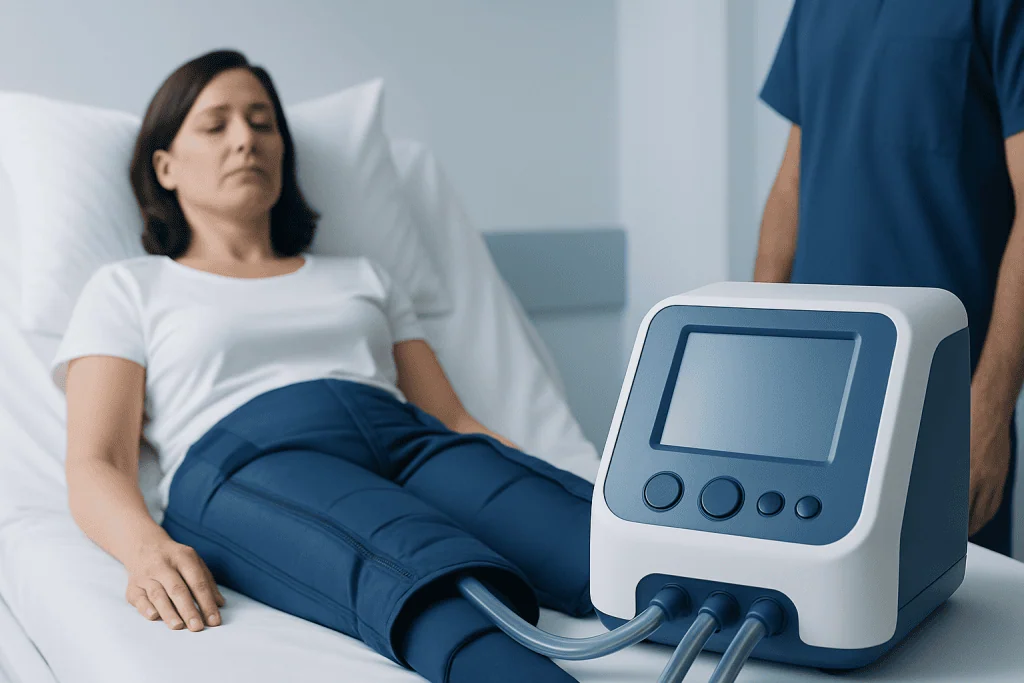
Compression therapy is often considered when symptoms suggest fluid pooling or impaired return of blood through the leg veins. Symptoms can become more noticeable after standing or sitting for a long time and may improve after elevating the legs or resting. They do not always mean compression is needed, so an assessment is important when symptoms are new, persistent or worsening.
- Swelling of the feet, ankles or lower legs, especially later in the day
- Aching, throbbing, heaviness, tiredness or a feeling of tightness in the legs
- Visible varicose veins or smaller surface veins with associated discomfort
- Skin itching, dryness, discoloration or thickening around the lower legs and ankles
- Swelling related to lymphedema, often involving an arm or leg
- A venous leg ulcer or a history of recurrent venous ulcers, under specialist supervision
Compression may also be advised after some vein procedures, after surgery, or during hospital stays when mobility is reduced. In these settings, the purpose may be symptom control, support of healing, or prevention of venous thromboembolism. The recommended product and wearing schedule can differ considerably between these uses.
Conditions, Causes and Risk Factors
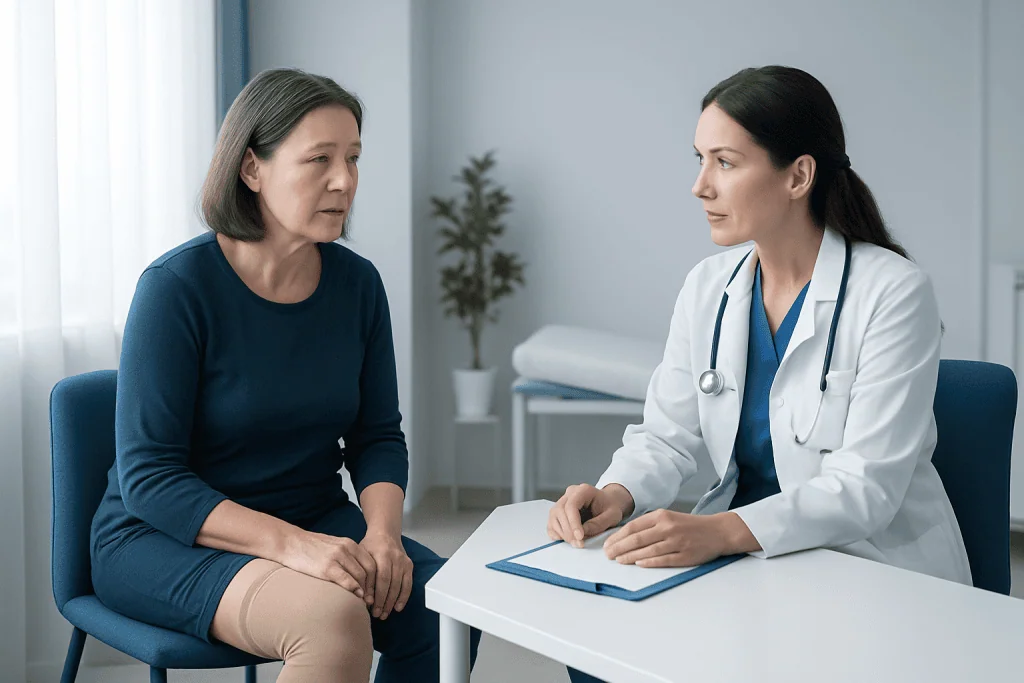
One common reason for compression therapy is chronic venous insufficiency. In this condition, valves inside the leg veins do not close effectively, allowing blood to flow backward and collect in the lower legs. Varicose veins, previous deep vein thrombosis, pregnancy, aging and a family tendency toward vein disease can all contribute to this problem.
Lymphedema is another important indication. It occurs when lymphatic fluid cannot drain normally and accumulates in tissues. It may be primary, meaning related to the development of the lymphatic system, or secondary to surgery, radiation therapy, infection, trauma or cancer treatment. Compression is often used alongside specialized exercise, skin care and manual lymphatic drainage when appropriate.
Other factors that can contribute to leg swelling include prolonged sitting, long-distance travel, obesity, certain medicines, heart, kidney or liver disease, and inflammatory conditions. Because swelling has many possible causes, it should not automatically be treated with over-the-counter compression. Identifying the underlying reason helps ensure that treatment is both effective and safe.
Types of Compression and Choosing the Right Fit
Graduated compression stockings are the most familiar option. They are tighter at the ankle and gradually provide less pressure higher up the leg. This pressure pattern helps counter the effects of gravity and supports upward blood flow. They are available in knee-high, thigh-high and pantyhose styles, as well as different pressure ranges.
Compression wraps and multilayer bandages can be adjusted as swelling changes and are often used for more significant edema, lymphedema or wound care. Some people may use adjustable Velcro-style wraps when standard stockings are difficult to put on. Intermittent pneumatic compression devices use inflatable chambers that rhythmically fill and deflate; these may be prescribed for selected patients in hospital, during recovery or as part of lymphedema care.
Correct sizing matters. A garment that is too loose may not provide useful support, while one that is too tight or rolled at the top can create discomfort and restrict circulation. Measurements are generally taken early in the day, before swelling increases. A healthcare professional, trained fitter or pharmacist can advise on size, garment length, material and pressure level.
Treatment Options and What to Expect
For mild symptoms, a clinician may recommend lower-level compression together with regular walking, calf-strengthening activity and leg elevation. For confirmed vein disease, stronger medical compression may be used to manage symptoms and protect the skin. People with venous ulcers often need compression bandaging as part of a structured wound-care plan, with regular review of healing and circulation.
When lymphedema is present, treatment may involve a combined approach called complete decongestive therapy. This can include compression, targeted movement, careful skin care, education and, in some cases, therapist-led lymphatic drainage techniques. The treatment plan is individualized because the amount and distribution of swelling can change over time.
Compression can improve symptoms, but it does not always remove the underlying cause. Some people with troublesome varicose veins or venous reflux may benefit from vein-focused procedures after vascular assessment. Similarly, persistent swelling due to heart, kidney, liver or medication-related causes requires treatment directed at the underlying health issue rather than compression alone.
Safe Use, Daily Care and Self-Management
When compression has been recommended, garments are often put on in the morning before the legs become more swollen and removed before sleep unless a clinician gives different instructions. Hands should be dry, and the fabric should be smoothed evenly without folds or bunching. Donning aids, rubber gloves or open-toe garments may make application easier for people with reduced hand strength or limited mobility.
The skin should be checked daily, especially in people with diabetes, reduced sensation or fragile skin. Look for persistent redness, blisters, pressure marks, broken skin, numbness, tingling or increasing pain. Garments should be washed according to the manufacturer’s instructions and replaced when they have lost their elasticity or no longer fit correctly.
Compression works best alongside practical habits that support circulation. Regular walking, ankle movements during sitting or travel, avoiding long periods in one position, and elevating the legs when advised may help. Maintaining healthy skin with a suitable moisturizer can also lower the risk of cracking and infection, though lotion should be fully absorbed before garments are applied.
When to Seek Medical Care
Medical advice is recommended before starting compression for ongoing or unexplained swelling, pain, skin changes or visible vein problems. A clinician may examine the legs, assess pulses and circulation, review medicines and arrange tests such as a venous ultrasound when needed. This is particularly important for people with diabetes, peripheral artery disease, neuropathy, heart failure or a previous blood clot.
Urgent assessment is needed for sudden swelling of one leg, especially if it is painful, warm, red or tender, as these symptoms can be associated with deep vein thrombosis. Chest pain, coughing blood, fainting, a rapid heartbeat or sudden shortness of breath may indicate a serious complication and require emergency care.
Compression should be stopped and promptly reviewed if it causes severe pain, pale or blue toes, new numbness, worsening swelling, open areas of skin or signs of infection such as spreading redness, warmth or fever. Acibadem International’s multidisciplinary specialists and JCI-accredited hospitals can assess vein, circulation and lymphatic concerns for international patients and develop an individualized treatment plan.
Frequently asked questions
What does compression therapy do?
Compression therapy applies external pressure to support blood and fluid movement in tissues, particularly in the legs. It can help reduce swelling, heaviness, aching and skin complications linked to some venous and lymphatic conditions. Its benefits depend on using the right product and pressure level.
Should compression stockings feel tight?
Compression stockings should feel firm and supportive, especially around the ankle, but they should not be painful. They should not cause numbness, tingling, cold toes, skin discoloration or deep marks that do not fade. A poor fit should be reviewed by a healthcare professional.
Can compression therapy prevent blood clots?
Compression may be used in some healthcare settings to help reduce venous blood pooling during reduced mobility. However, it is not suitable for every person and does not replace prescribed anticoagulant medicines, early mobilization or other clot-prevention measures. A clinician should advise which prevention approach is appropriate.
Who should avoid compression therapy?
People with significant peripheral artery disease may be harmed by compression because pressure can further reduce blood supply to the feet. Caution is also needed with severe heart failure, active skin infection, reduced sensation and certain wounds. A medical assessment is advisable before use in these circumstances.
How long should compression stockings be worn each day?
The schedule varies according to the reason for treatment and the type of garment. Many people wear stockings during the day and remove them at bedtime, but people recovering from procedures or receiving treatment for ulcers or lymphedema may have different instructions. Following the care team’s advice is important.
Can compression stockings make leg swelling worse?
Properly fitted compression usually helps swelling caused by venous or lymphatic problems. However, an incorrect size, an unsuitable pressure level or an untreated underlying cause can lead to discomfort or worsening symptoms. New or increasing swelling should be assessed rather than managed by changing compression on one’s own.
References
- National Heart, Lung, and Blood Institute
- Society for Vascular Surgery
- American Venous Forum
- International Society of Lymphology
- National Institute for Health and Care Excellence
This article is for general information only and is not a substitute for professional medical advice. Please consult a qualified doctor about your individual situation.
Explore treatments in Turkey — costs, top hospitals & a free quote
JCI-accredited · board-certified surgeons · reply within 24h
Add us as a Preferred Source to see more of our trusted health content across Google Search, AI Overviews and Discover.

More from the Health Library



Related Specialists
Dr. Muhammed Akif Atlan
Pediatrics
Fzt. Erdem Terzi
Physical Medicine & Rehabilitation
Prof. Dr. Dilek Bıyık Özkaya
Dermatology
Dr. Ahmet Alan
General Surgery