Constipation During Pregnancy Explained: Causes, Management, and When to See a Doctor

Constipation during pregnancy often happens because hormones slow the digestive tract and the growing uterus can add pressure to the bowels. Simple measures such as drinking enough fluids, eating more fiber, staying active, and not delaying bowel movements often help.
Key Takeaways
- Constipation during pregnancy often happens because hormones slow the digestive tract and the growing uterus can add pressure to the bowels.
- Simple measures such as drinking enough fluids, eating more fiber, staying active, and not delaying bowel movements often help.
- Iron-containing prenatal vitamins can contribute to constipation, but they should not be changed without speaking to a doctor.
- Severe pain, vomiting, rectal bleeding, fever, or constipation that does not improve should be assessed by a healthcare professional.
- Treatment should be individualized in pregnancy, with only clinician-approved laxatives or stool softeners used when needed.
Constipation during pregnancy is common and, in most cases, manageable with diet, hydration, physical activity, and guidance from a clinician. Hormonal changes, pressure from the growing uterus, iron supplements, and routine changes can all slow bowel movements, but certain warning signs should prompt medical review.
Overview
Constipation during pregnancy means bowel movements become less frequent, more difficult to pass, or harder than usual. Many pregnant women notice straining, a feeling of incomplete emptying, bloating, or discomfort even if they are still having regular bowel movements. In most cases, it is uncomfortable rather than dangerous, and it can often be improved with practical daily changes.
Pregnancy changes the body in several ways that affect digestion. Hormones relax smooth muscles, including those in the intestines, so stool moves more slowly through the bowel. At the same time, changes in routine, less physical activity, nausea, and prenatal supplements can all make constipation more likely.
This symptom is common across different stages of pregnancy, but it may become more noticeable as pregnancy progresses. The growing uterus can put pressure on the intestines and rectum, which may further slow stool passage. Some women also develop hemorrhoids alongside constipation, which can make bowel movements more uncomfortable.
Although constipation during pregnancy is often manageable at home, it should not be ignored if symptoms are severe or unusual. Persistent constipation, marked abdominal pain, bleeding, or vomiting can signal a need for medical advice. A clinician can help rule out other digestive problems and recommend pregnancy-safe treatments.
How pregnancy affects bowel habits
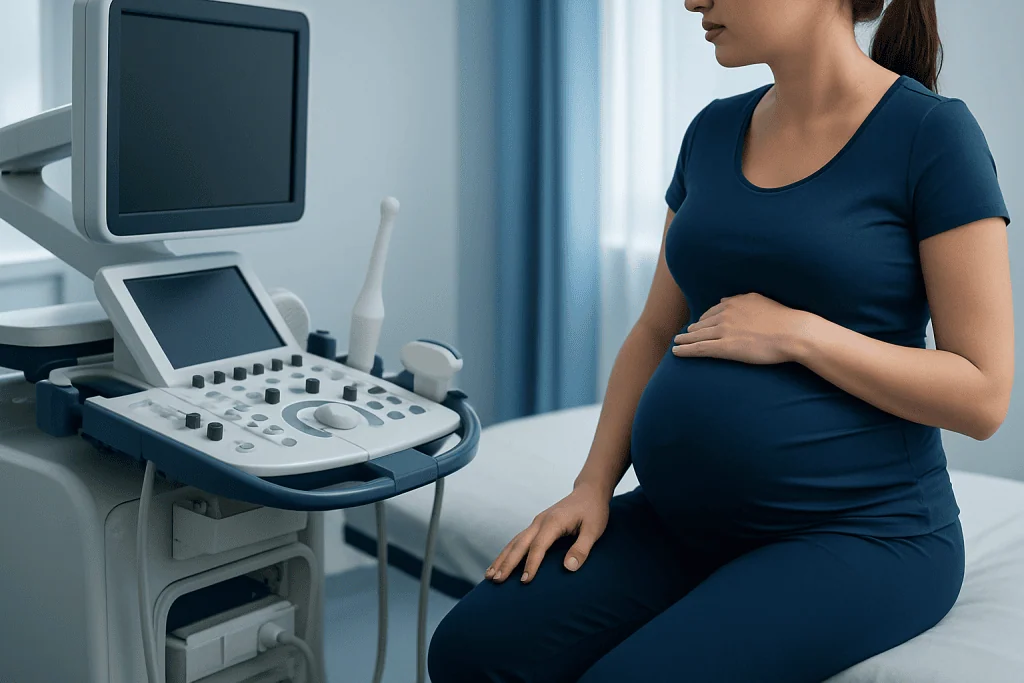
Normal bowel habits vary from person to person, so constipation is not defined by frequency alone. A pregnant woman may still be constipated if stools are hard, difficult to pass, or associated with straining. Paying attention to what feels like a change from her usual pattern is often more useful than counting bowel movements.
One reason constipation is so common in pregnancy is the hormone progesterone. Progesterone rises to support pregnancy, but it also relaxes the muscles of the digestive tract. When the intestines move more slowly, more water is absorbed from stool, making it drier and firmer.
Physical and lifestyle changes also matter. Nausea may reduce appetite or fluid intake, and fatigue can make exercise more difficult. Travel, changes in meals, and a tendency to delay using the bathroom can all contribute to bowel sluggishness.
These bowel changes can overlap with other digestive symptoms, such as reflux, gas, or bloating. If constipation occurs alongside significant abdominal swelling, prolonged pain, or symptoms of another condition such as irritable bowel syndrome, a doctor may consider whether an existing bowel disorder is also playing a role.
Symptoms and common signs
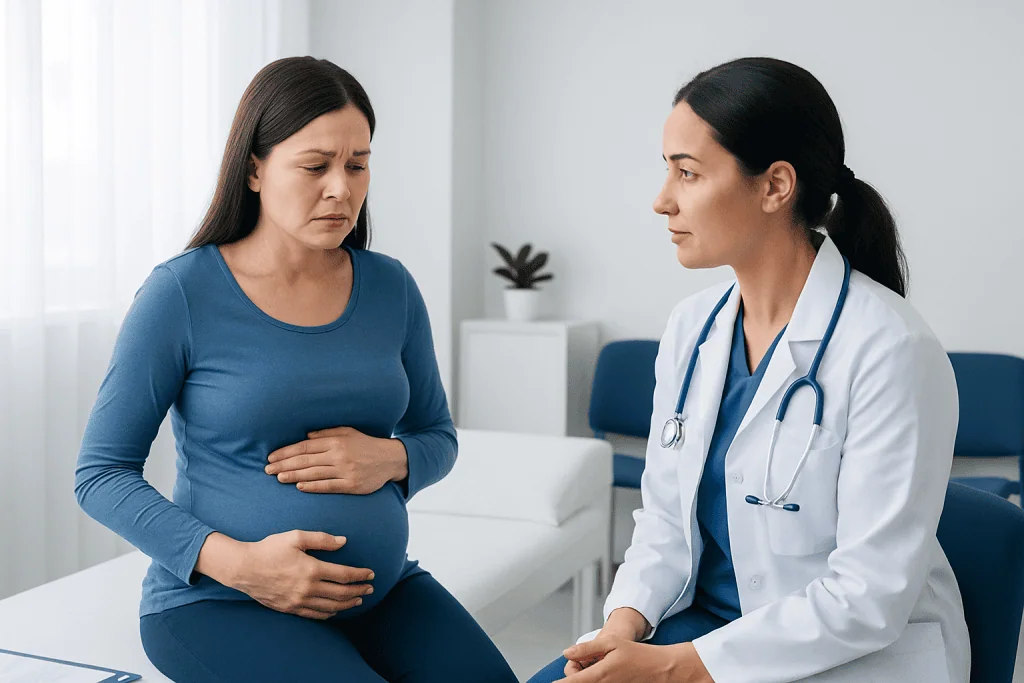
The most typical sign of constipation during pregnancy is passing stool less often than usual, especially when it is hard or pellet-like. Bowel movements may require straining, and there may be a sensation that the bowel has not emptied fully. These symptoms can come and go rather than staying constant.
Many women also report bloating, lower abdominal discomfort, increased gas, or a feeling of heaviness. Because bowel movements become difficult, some begin to avoid going to the bathroom, which can make symptoms worse. Holding stool for too long allows the colon to absorb even more water from it.
Constipation may also contribute to hemorrhoids or small tears around the anus, which can cause pain or bright red blood on toilet paper. While mild bleeding can happen with hemorrhoids, any rectal bleeding in pregnancy should still be mentioned to a clinician so the cause is clear.
- Hard, dry, or lumpy stools
- Fewer bowel movements than usual
- Straining during bowel movements
- Feeling of incomplete emptying
- Bloating, cramping, or gas
- Discomfort from hemorrhoids
Causes and risk factors
Several factors can cause or worsen constipation during pregnancy. Hormonal slowing of the gut is one of the main reasons, but it is rarely the only one. The effect is often strongest when combined with reduced fluid intake, lower fiber intake, and less movement.
Prenatal vitamins are another common contributor, especially those that contain iron. Iron is important in pregnancy and should not be stopped without medical advice, but it can make stools harder and more difficult to pass. If constipation begins soon after starting a supplement, a doctor may suggest practical ways to reduce side effects rather than stopping treatment.
As pregnancy progresses, the enlarging uterus can physically crowd the intestines and rectum. This can slow bowel transit and make it more difficult to empty completely. Women who were prone to constipation before pregnancy may notice a stronger effect during this time.
Other risk factors include dehydration from vomiting, a low-fiber diet, limited activity, bed rest, stress, and certain medications. Less commonly, constipation may relate to another digestive or pelvic floor issue. If symptoms are long-standing or severe, a doctor may consider whether evaluation in gastroenterology care is appropriate.
Diagnosis and how doctors assess it
Diagnosis usually begins with a clinical history and physical examination. A doctor or midwife will ask about bowel frequency, stool consistency, straining, pain, diet, fluid intake, supplements, medications, and any previous bowel problems. They will also ask about warning signs such as bleeding, vomiting, fever, or severe pain.
In many cases, no extensive testing is needed. Constipation during pregnancy is often diagnosed based on symptoms and common contributing factors. The goal is to confirm that the problem fits a typical pregnancy pattern and to identify anything that suggests a different diagnosis.
If symptoms are persistent, unusual, or associated with significant pain, clinicians may investigate further. Evaluation might focus on conditions that can mimic constipation or make it worse, including hemorrhoids, anal fissures, bowel obstruction, thyroid disorders, or pre-existing intestinal conditions. In selected cases, a doctor may recommend specialist review and, when clinically appropriate, colonoscopy after careful consideration of timing and necessity.
Imaging or invasive tests are not routine for ordinary pregnancy-related constipation. Instead, management usually starts with safer, lower-risk measures and close follow-up. The approach is designed to relieve symptoms while protecting both mother and baby.
Treatment options that are usually considered safe
Treatment for constipation during pregnancy usually begins with non-drug measures. Increasing daily fluids, choosing high-fiber foods, and staying physically active can improve stool consistency and bowel movement frequency. Even gentle activity, such as regular walking, can support bowel motility if the pregnancy care team says it is safe.
Fiber can be increased through fruits, vegetables, legumes, whole grains, nuts, and seeds, usually in a gradual way to limit gas and bloating. Some women benefit from a regular toileting routine, such as trying to use the bathroom after breakfast when the bowel is naturally more active. Responding promptly to the urge to pass stool can also help.
If lifestyle measures are not enough, a clinician may suggest a pregnancy-safe stool softener, fiber supplement, or laxative. These decisions depend on the severity of symptoms, medical history, and stage of pregnancy. Self-medicating is not ideal during pregnancy, because not every product is appropriate for every person.
Doctors may also review prenatal supplements if iron appears to be contributing. Sometimes timing, formulation, or supportive measures can reduce side effects without interrupting needed treatment. For persistent or complicated constipation, coordinated care may involve obstetrics together with obstetrics and gynecology and digestive specialists.
Prevention and self-care tips
Preventing constipation during pregnancy often centers on daily habits rather than a single remedy. Drinking fluids regularly throughout the day helps keep stool softer, particularly in warm weather or when nausea has reduced intake. Water is usually the main choice, though soups and other hydrating foods can also contribute.
Meals that include fiber from several sources are often more effective than relying on one food alone. Many women find it helpful to build fiber gradually, for example by adding fruit at breakfast, vegetables at lunch and dinner, and whole grains or beans across the week. A sudden increase can cause temporary bloating, so slow adjustments are usually more comfortable.
Movement matters as well. Walking, prenatal stretching, and other clinician-approved exercise can support normal bowel function, mood, and circulation. Rest is important in pregnancy, but long periods of inactivity may worsen constipation in some women.
- Drink fluids consistently during the day
- Choose fruits, vegetables, legumes, and whole grains often
- Stay active if the pregnancy team says exercise is safe
- Go to the bathroom when there is an urge rather than waiting
- Ask a clinician before using over-the-counter laxatives
- Discuss troublesome prenatal vitamin side effects instead of stopping them alone
When to seek medical care
Medical advice is important if constipation during pregnancy is severe, lasts despite self-care, or causes significant pain. A clinician should also be contacted if there is vomiting, fever, pronounced abdominal swelling, inability to pass gas, or pain that feels different from ordinary cramping. These symptoms can suggest that something more than routine constipation is happening.
Rectal bleeding should always be mentioned, even when hemorrhoids seem likely. Bright red blood can occur with straining, but bleeding may also come from an anal fissure or another bowel problem. Similarly, sudden constipation that starts with major dietary changes, dehydration, or new medication may need individualized advice.
Women who have a history of bowel disease, pelvic floor disorders, or repeated severe constipation may benefit from earlier review. This is especially true if there are symptoms that overlap with another condition such as Crohn's disease or if constipation alternates with diarrhea. Prompt assessment can help avoid worsening discomfort and unnecessary worry.
For international patients who need evaluation, Acibadem International’s multidisciplinary specialists and JCI-accredited hospitals provide diagnosis and treatment across women’s health and digestive care. The safest next step is always to discuss symptoms with a qualified healthcare professional who can recommend pregnancy-appropriate treatment.
Frequently asked questions
Is constipation during pregnancy normal?
Yes. Constipation during pregnancy is common because hormones slow the intestines and the growing uterus can add pressure on the bowel. It is usually manageable, but persistent or severe symptoms should still be discussed with a clinician.
What helps relieve constipation during pregnancy?
Many women improve with more fluids, more fiber, gentle physical activity, and regular toilet habits. If these measures are not enough, a doctor may recommend a pregnancy-safe stool softener or laxative. It is best not to choose over-the-counter products without medical advice.
Can prenatal vitamins cause constipation?
Yes, especially if they contain iron. Iron is often necessary during pregnancy, so supplements should not be stopped without speaking to a healthcare professional. A clinician may suggest ways to reduce side effects while still meeting nutritional needs.
When should a pregnant woman worry about constipation?
Medical attention is important if constipation comes with severe abdominal pain, vomiting, fever, inability to pass gas, heavy bleeding, or marked bloating. It should also be reviewed if it does not improve with self-care or keeps returning. These features may point to a problem beyond routine pregnancy constipation.
Can constipation during pregnancy harm the baby?
Simple constipation itself does not usually harm the baby. The main issue is discomfort for the mother and complications such as hemorrhoids or anal fissures. Even so, any severe or unusual symptoms should be assessed to make sure the pregnancy is progressing safely.
Are laxatives safe during pregnancy?
Some laxatives and stool softeners may be used during pregnancy, but the choice depends on the person and the stage of pregnancy. A doctor or midwife can recommend the safest option based on symptoms and medical history. Long-term or frequent use without guidance is not advisable.
References
- American College of Obstetricians and Gynecologists
- National Institute of Diabetes and Digestive and Kidney Diseases
- Mayo Clinic
- National Health Service
- World Gastroenterology Organisation
This article is for general information only and is not a substitute for professional medical advice. Please consult a qualified doctor about your individual situation.
Persistent digestive symptoms? Get evaluated in Turkey
JCI-accredited · board-certified surgeons · reply within 24h
Add us as a Preferred Source to see more of our trusted health content across Google Search, AI Overviews and Discover.

More from the Health Library



Related Specialists

Dr. Hanside Setenay Ünal
Neurosurgery
Dr. Mehmet Bilhan Hayırlıoğlu
Anesthesiology
Fzt. Umut Şahin
Physical Medicine & Rehabilitation
Prof. Dr. Derya Eroğlu
Gynecology & Obstetrics