Convergence Insufficiency Treatment: How It Works, Results and What to Expect

Convergence insufficiency affects the ability of both eyes to turn inward together for near tasks such as reading. Office-based vision therapy with home reinforcement is commonly recommended for symptomatic patients.
Key Takeaways
- Convergence insufficiency affects the ability of both eyes to turn inward together for near tasks such as reading.
- Office-based vision therapy with home reinforcement is commonly recommended for symptomatic patients.
- Reading glasses alone do not usually correct the underlying eye coordination problem, though they may help selected people with other focusing needs.
- Improvement is often gradual and depends on regular practice, follow-up and the cause of symptoms.
- Persistent double vision, new neurologic symptoms or sudden visual changes need prompt medical assessment.
Convergence insufficiency treatment commonly involves structured eye coordination exercises, often provided in-office with guided home practice. Treatment can reduce eyestrain, headaches and double vision during close work, although the right approach depends on the person’s symptoms, examination findings and overall eye health.
Overview: how convergence insufficiency treatment works
Convergence insufficiency treatment aims to improve how the eyes work together at close range. In this condition, the eyes have difficulty turning inward and maintaining alignment when looking at a nearby object. As a result, reading, screen work and other detailed close tasks may cause eyestrain, headaches, blurred vision, words appearing to move, or intermittent double vision.
The main treatment is a planned programme of vergence exercises, often called vision therapy or orthoptic therapy. These exercises train the brain and eye-movement system to coordinate both eyes more effectively, build stamina for close work and recognize when the eyes are drifting apart. For many symptomatic children, teenagers and adults, supervised office-based therapy combined with home practice has the strongest evidence for improving symptoms and clinical measures of convergence.
Treatment is individualized. An eye care professional first confirms that symptoms are due to convergence insufficiency rather than uncorrected refractive error, dry eye, an eye disease, migraine, medication effects or a neurologic condition. Some people need glasses or treatment for another visual issue alongside convergence therapy.
Who may benefit and how diagnosis guides care
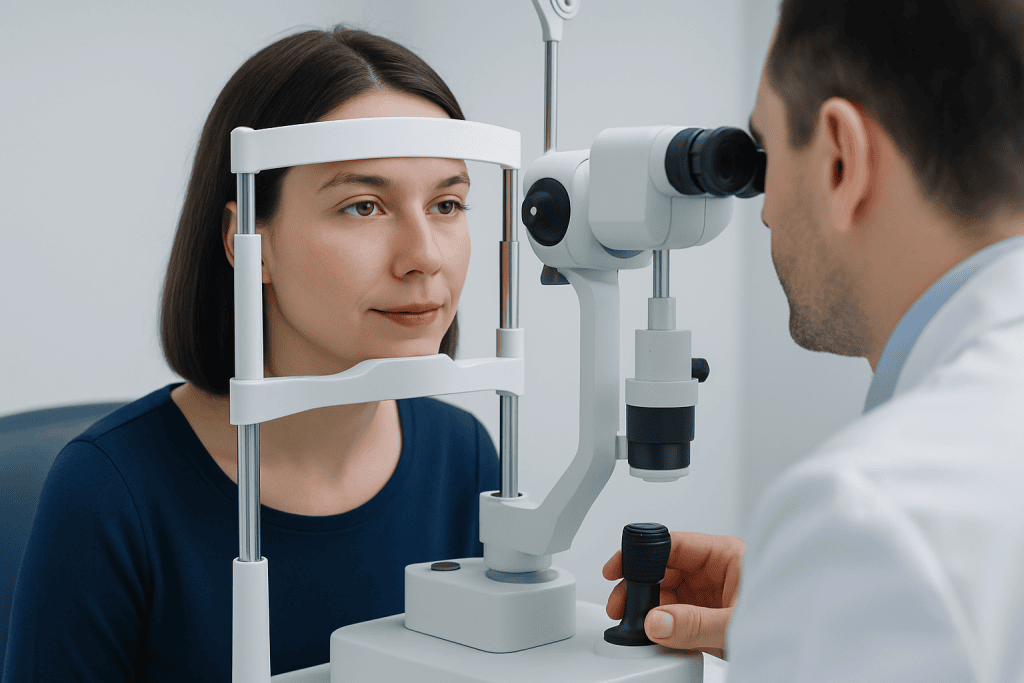
Treatment is generally considered when convergence insufficiency causes bothersome symptoms or interferes with school, work, reading or daily activities. It may be identified in children who avoid reading or lose their place on a page, as well as in adults who develop discomfort during sustained computer use or other near work. The condition is not caused by laziness, poor motivation or a lack of intelligence.
A comprehensive eye examination is important before starting therapy. The clinician may assess visual acuity, refraction, eye alignment, eye movements, near point of convergence, focusing ability and how well the eyes maintain binocular vision. They will also ask about symptoms, medical history, medications and any recent head injury.
Candidacy depends on the examination and the person’s ability to participate consistently. Therapy may be adapted for age, visual demands and physical or cognitive needs. If double vision is new, constant, associated with drooping eyelids, weakness, severe headache, balance problems or other neurologic symptoms, urgent assessment is needed before routine convergence exercises are considered.
What happens during convergence insufficiency treatment

After assessment, the clinician sets practical goals, such as reading comfortably for a longer period, reducing headaches or improving stamina for close work. Treatment often includes scheduled office sessions with an optometrist, ophthalmologist, orthoptist or trained vision therapist, together with shorter home exercises between appointments. The exact frequency and duration vary.
Exercises may involve moving a small target toward the nose while keeping it single, using targets at different distances, or working with lenses, prisms or computer-based activities under professional direction. These tasks are designed to challenge convergence gradually while maintaining clear, single vision. The professional monitors symptoms and adjusts the level of difficulty as control improves.
Home practice is an important part of the programme. Instructions should be specific, including how often to practise, when to stop and what symptoms to report. Exercises should not produce severe or prolonged discomfort. Brief tiredness during training can occur, but persistent headaches, worsening double vision or marked dizziness should be discussed with the treating clinician.
- Assessment: confirmation of the diagnosis and identification of contributing vision problems.
- Training plan: supervised exercises matched to the person’s findings and goals.
- Home reinforcement: regular, clinician-directed practice between visits.
- Review: symptom checks and repeat measurements to guide progression or changes in care.
Benefits, limitations and possible risks
The expected benefit of treatment is more comfortable and efficient near vision. People may notice less eyestrain, fewer headaches, less loss of place while reading and less intermittent double vision. Improvements are assessed using both symptoms and objective eye coordination measurements, because feeling better and maintaining convergence are both important outcomes.
Convergence therapy is non-surgical and does not involve an invasive recovery period. However, it requires time, regular attendance and home participation. Results can vary, and symptoms may have more than one cause. For example, a person with uncorrected long-sightedness, dry eye, migraine or a learning difficulty may need additional assessment and support even if convergence insufficiency is also present.
Temporary visual fatigue, mild headache or brief double vision during challenging exercises can occur. These effects should settle with rest or adjustment of the programme. Therapy should be supervised rather than self-prescribed, particularly when symptoms are persistent, when there is a history of brain injury or when the onset of double vision was sudden.
How long does it take to correct convergence insufficiency?
There is no single timetable for convergence insufficiency treatment. Many structured programmes run for several weeks to a few months, with progress reviewed regularly. Some people notice reduced symptoms earlier, while others require a longer course or additional work to maintain improvement.
Time to improvement depends on symptom severity, the measured degree of convergence difficulty, attendance at sessions, consistency with home exercises and whether other eye or health conditions are present. A clinician can give a more individualized estimate after testing and can modify the plan if progress is slower than expected.
Follow-up matters after active treatment ends. Some patients are advised to continue selected exercises for a period to help retain gains, especially if their daily activities involve prolonged reading or screen work.
What worsens convergence insufficiency?
Symptoms are often more noticeable when near visual work is prolonged or demanding. Long reading sessions, intensive screen use, small print, inadequate breaks, tiredness and illness can reduce visual stamina. Stress and poor sleep may also make headaches, eye discomfort and concentration difficulties feel more pronounced.
Uncorrected refractive errors, dry eye symptoms and focusing problems can add to the visual strain associated with convergence insufficiency. Following a concussion or other brain injury, some people experience convergence problems or a return of symptoms and should have an appropriate medical and eye assessment rather than relying on self-treatment.
Simple adjustments can support comfort while treatment is underway. These include adequate lighting, a comfortable viewing distance, regular breaks from close work and using any prescribed glasses as directed. These measures may ease symptoms but do not replace a tailored therapy plan when clinically indicated.
What happens if convergence insufficiency is left untreated?
Convergence insufficiency does not usually damage the eyes or cause loss of sight. However, untreated symptoms can continue to make reading, studying, office tasks and screen use uncomfortable. A person may avoid close work, take longer to complete it, lose concentration or develop headaches and intermittent double vision during near activities.
In children, these symptoms can be mistaken for a lack of interest in schoolwork or for a learning problem. Convergence insufficiency is not itself a learning disability, but visual discomfort may affect reading endurance and performance. An eye examination can help clarify whether vision is contributing to these difficulties.
It is also important not to assume that all double vision or reading discomfort is convergence insufficiency. Persistent symptoms deserve assessment because other eye conditions, neurological disorders and general health problems can sometimes produce similar complaints.
What is the prognosis for convergence insufficiency?
The prognosis is generally good when symptomatic convergence insufficiency is correctly diagnosed and treated with an appropriate, consistent programme. Many people experience meaningful improvement in symptoms and near-eye coordination. Ongoing review helps ensure that the response is sustained and that any remaining visual needs are addressed.
Some individuals may have occasional symptoms during periods of fatigue, illness or unusually intensive near work. Others may need further therapy, a refresher programme or management of contributing conditions. Maintaining good visual habits and attending recommended follow-up appointments can support long-term comfort.
Acibadem International’s multidisciplinary specialists and JCI-accredited hospitals can assess visual symptoms and coordinate eye care for international patients when appropriate.
When to seek medical care
An eye care professional should assess recurring eyestrain, headaches, blurred vision, words moving on the page, difficulty reading or intermittent double vision at near range. Assessment is especially useful when these symptoms affect school, work, driving preparation tasks or quality of life. A complete examination can identify convergence insufficiency and rule out other causes.
Prompt medical evaluation is important for sudden double vision, double vision that is constant or occurs at distance, new loss of vision, eye pain, a severe or unusual headache, facial weakness, numbness, imbalance, trouble speaking or symptoms after a head injury. These signs may not be explained by routine convergence insufficiency and should not be managed with home exercises alone.
People already in treatment should contact their clinician if exercises consistently worsen symptoms, if double vision becomes more frequent, or if new symptoms develop. The programme may need adjustment or further investigation.
Frequently asked questions
Can convergence insufficiency be treated with glasses?
Glasses can correct refractive errors, such as long-sightedness, short-sightedness or astigmatism, that may contribute to visual discomfort. However, glasses alone do not usually correct the reduced inward eye coordination that defines convergence insufficiency. A clinician may recommend glasses alongside convergence therapy when both issues are present.
Are home eye exercises enough for convergence insufficiency?
Home exercises may be part of treatment, but they work best when selected and monitored by a qualified eye care professional. Supervised care helps confirm the diagnosis, set the correct level of difficulty and measure progress. Self-directed exercises may not address the actual cause of symptoms.
Is convergence insufficiency treatment painful?
Treatment should not be painful. Some people experience temporary eye fatigue, mild headache or brief double vision while performing challenging exercises. Symptoms that are severe, prolonged or worsening should be reported so the programme can be adjusted.
Can adults benefit from convergence insufficiency treatment?
Yes. Adults with symptomatic convergence insufficiency may benefit from a tailored treatment programme, particularly when close work causes eyestrain, headaches or double vision. The assessment should also consider other possible causes of new symptoms, especially in adults with sudden onset.
Does screen time cause convergence insufficiency?
Screen time is not known to be the sole cause of convergence insufficiency, but prolonged close screen work can reveal or worsen its symptoms. Regular breaks, appropriate viewing distance and good lighting may improve comfort. Persistent symptoms should be evaluated by an eye care professional.
Can convergence insufficiency return after treatment?
Symptoms can sometimes return or become more noticeable during fatigue, illness or periods of intense near work. Follow-up and occasional maintenance exercises may be advised for some patients. If symptoms return, a repeat eye examination can determine whether further therapy or another treatment is needed.
References
- American Academy of Ophthalmology
- American Association for Pediatric Ophthalmology and Strabismus
- National Eye Institute
- Convergence Insufficiency Treatment Trial Study Group
This article is for general information only and is not a substitute for professional medical advice. Please consult a qualified doctor about your individual situation.
Explore treatments in Turkey — costs, top hospitals & a free quote
JCI-accredited · board-certified surgeons · reply within 24h
Add us as a Preferred Source to see more of our trusted health content across Google Search, AI Overviews and Discover.

More from the Health Library

Related Specialists

Dr. Murat İçli
Ear Nose & Throat
Dr. Artunç Kaan Turanoğlu
Otorhinolaryngology
Dr. Süheyla Tak
Emergency Service
Dr. Edis Kahraman
Gynecology & Obstetrics