Orthokeratology Lenses Cost: What Patients Really Pay
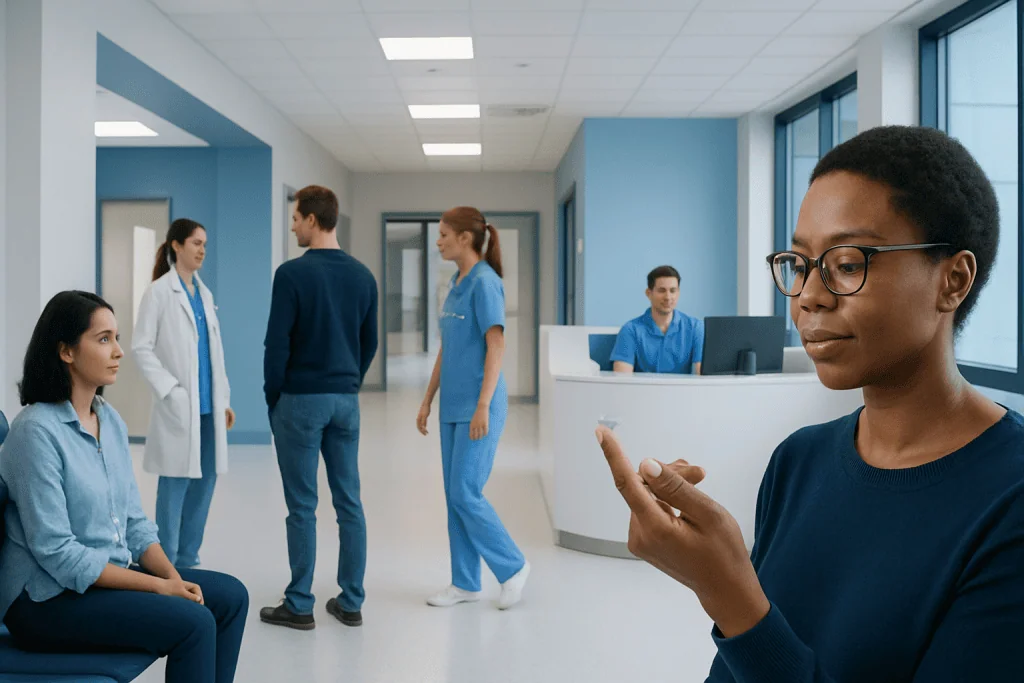
Ortho-K pricing can include assessment, corneal mapping, custom lenses, teaching and scheduled follow-up care. The lenses are worn overnight and removed in the morning; the vision effect is temporary and depends on continued use.
Key Takeaways
- Ortho-K pricing can include assessment, corneal mapping, custom lenses, teaching and scheduled follow-up care.
- The lenses are worn overnight and removed in the morning; the vision effect is temporary and depends on continued use.
- Ortho-K may be suitable for selected children and adults with myopia, but an eye specialist must assess candidacy.
- Careful hygiene, correct lens handling and regular reviews are essential to reduce the risk of eye infection.
- Patients should seek prompt eye care for pain, redness, light sensitivity, discharge or a sudden change in vision.
Orthokeratology lenses cost is individualized because it commonly includes specialist examinations, custom lens fitting, monitoring visits and replacement lenses. Ortho-K is a non-surgical option that temporarily reshapes the cornea during sleep, allowing many suitable patients to see more clearly during the day without glasses or contact lenses.
Orthokeratology Lenses Cost: What Patients Really Pay For
Orthokeratology lenses cost is not usually a single standard fee. The overall plan may include an eye examination, detailed measurements of the cornea, custom-made overnight lenses, training in safe handling, and a series of follow-up appointments to check vision and eye health. Replacement lenses, lens-care products and future reviews may also be separate ongoing costs.
For this reason, orthokeratology pricing is best discussed directly with an optometrist or ophthalmologist who provides the service. A written estimate can clarify what is included, how long the fitting period lasts, whether planned follow-up visits are covered, and what future replacement or emergency-care arrangements may involve.
Ortho-K is different from standard daytime contact lens wear. It is a carefully supervised form of vision correction in which rigid, gas-permeable lenses are designed for the individual eye. The cost reflects the clinical expertise, specialized testing and ongoing monitoring needed for safe use.
How Ortho-K Works
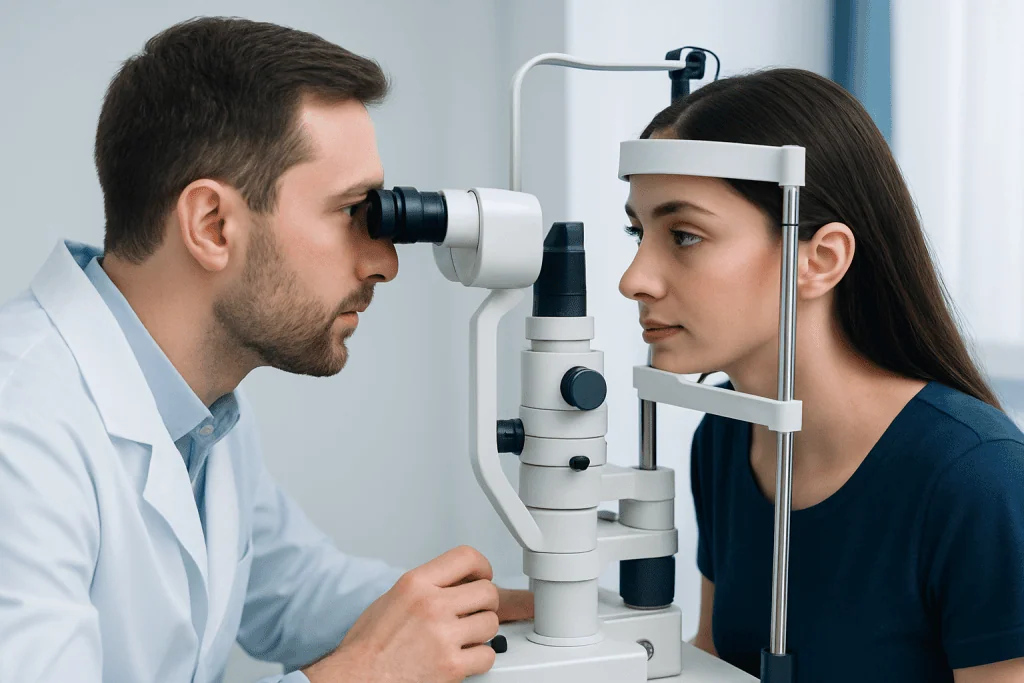
Orthokeratology, often called Ortho-K, uses specially shaped rigid gas-permeable contact lenses worn while sleeping. The lenses gently and temporarily alter the shape of the front surface of the eye, called the cornea. When the lenses are removed in the morning, light may focus more accurately on the retina, improving uncorrected daytime vision.
It is most often considered for myopia, also known as short-sightedness. Some designs may help selected people with astigmatism or mild farsightedness, but suitability depends on the prescription, corneal shape, tear film and overall eye health. It may also be discussed as part of a broader approach to myopia management, particularly for children whose short-sightedness is progressing.
The reshaping effect is reversible. If lens wear stops, the cornea gradually returns toward its previous shape and glasses or other correction will again be needed. Ortho-K does not remove the underlying tendency for refractive error.
Who May Be a Candidate for Ortho-K?
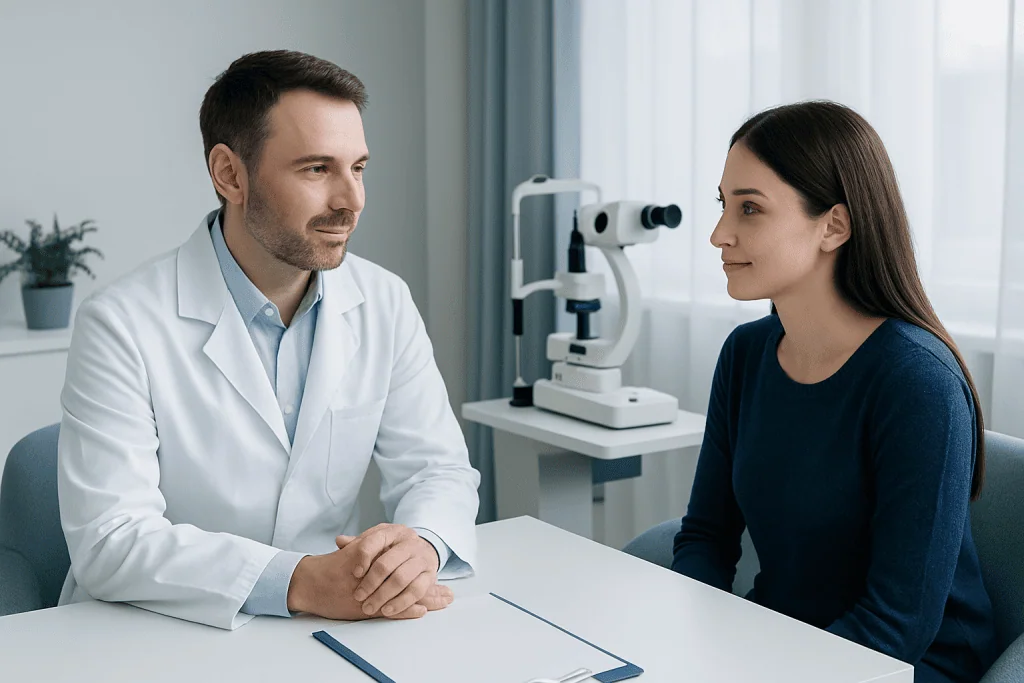
A comprehensive eye assessment is needed before starting Ortho-K. Candidates may include children, teenagers and adults who have myopia and want an alternative to daytime glasses or contact lenses. Motivation to follow cleaning instructions and attend review visits is an important part of candidacy, especially when a parent or caregiver helps a child with lens care.
An eye specialist considers the degree and stability of refractive error, corneal health and shape, eyelid anatomy, tear production, allergies and any history of contact lens problems. Corneal topography, which creates a detailed map of the corneal surface, is central to fitting and monitoring the lenses.
Ortho-K may not be appropriate for people with active eye infection, significant dry eye, certain corneal conditions, poorly controlled allergies, reduced corneal sensation or difficulty maintaining safe lens hygiene. Patients who are not suitable may wish to discuss other options, such as glasses, standard contact lenses or an assessment for laser eye surgery when clinically appropriate.
What Happens During Ortho-K Fitting and Follow-Up?
The process begins with a detailed history and vision examination. The clinician checks the eye surface, measures refraction, evaluates tears and obtains corneal maps. These results are used to select or design a lens with a shape intended to fit safely and create the desired temporary corneal change.
At the fitting appointment, the lenses are assessed on the eyes and vision is checked. The patient is taught how to insert, remove, clean, disinfect and store the lenses. They should understand that tap water and saliva must never be used on lenses or cases, because microorganisms in water can cause serious eye infections.
Early follow-up visits are particularly important. The clinician may review the patient after the first night of wear and at further planned intervals, checking corneal shape, lens fit, vision quality and eye-surface health. Adjustments or replacement lenses may be needed during the fitting period, which is one reason orthokeratology costs can differ between patients.
- Initial eye examination and suitability assessment
- Corneal topography and other fitting measurements
- Custom overnight lenses and application training
- Planned early and long-term monitoring appointments
- Replacement lenses, cases and prescribed cleaning systems when needed
How Much Is Ortho-K Without Insurance?
Without insurance, the amount a patient pays depends on the country, clinic, prescription complexity, lens design and what services are bundled into the plan. In the United States, orthokeratology cost USA discussions often focus on self-pay arrangements because vision benefits may not cover all aspects of specialty contact lens fitting or ongoing lens replacement.
Rather than relying on general orthokeratology lenses prices found online, patients can ask a clinic for an itemized explanation. Useful questions include whether the examination and corneal mapping are included, how many follow-up visits are planned, whether lens changes during fitting are covered, and how often lenses are expected to be replaced.
It is also sensible to ask about likely recurring expenses. These may include annual reviews, replacement lenses, lens cases and recommended cleaning and disinfection products. Insurance coverage and reimbursement rules vary widely, so patients can check their policy directly and ask the clinic whether it can provide documentation needed for a claim.
Why Is Ortho-K So Expensive?
Ortho-K can appear more costly than ordinary contact lens wear because it is a customized clinical service rather than only a lens purchase. The clinician needs specialized measurements, including detailed corneal mapping, and uses these findings to fit lenses that work during sleep while protecting eye health.
Regular monitoring is also built into safe care. Vision and corneal shape can change as treatment begins, and lens positioning may need to be refined. Follow-up visits help detect early signs of irritation, staining of the corneal surface, dry eye or a fit problem before these become more significant.
The durable, highly oxygen-permeable lens material and individualized design can add to the cost. When comparing orthokeratology pricing, a lower initial quote may not include the same level of testing, fitting support or aftercare. Comparing what is included is usually more meaningful than comparing a single headline figure.
Benefits, Recovery Timeline and Potential Downsides
Many people notice clearer daytime vision after the first few nights, but the time needed to reach a stable result varies. Some patients need days to weeks of regular overnight wear, and lens adjustments may be required. Vision can fluctuate early on, particularly later in the day, until the effect becomes more consistent.
A potential benefit is daytime freedom from glasses and contact lenses for suitable patients. Ortho-K is also reversible and does not involve corneal surgery. However, it requires a consistent nightly routine, careful hygiene and regular professional monitoring. It may not provide the same quality of vision for every prescription or lifestyle need.
Potential downsides of wearing Ortho-K lenses include temporary blur or glare, halos around lights, dry or uncomfortable eyes, lens displacement during sleep and variable vision if wear is inconsistent. More importantly, overnight contact lens wear carries a risk of corneal infection, which can threaten sight if not treated quickly. Following the prescribed cleaning system and attending reviews substantially supports safer use.
Acibadem International’s multidisciplinary eye-care specialists and JCI-accredited hospitals can assess refractive concerns and discuss appropriate treatment options for international patients, including specialist contact lens treatment.
Can Ortho-K Permanently Fix Vision?
No. Ortho-K does not permanently fix vision or cure myopia. It creates a temporary corneal reshaping effect that is maintained through continued overnight lens wear. If the lenses are stopped, the cornea progressively returns toward its original shape and the previous refractive error generally reappears.
This temporary effect can still be useful for people who prefer daytime lens-free vision but do not want, are not ready for, or are not suitable for refractive surgery. An eye specialist can explain whether Ortho-K, glasses, daytime contact lenses or another approach best matches the person’s eyes and expectations.
Children using Ortho-K for myopia control should continue with scheduled monitoring. The goal is to support clear vision and assess eye development over time, not to promise that myopia will stop or that glasses will never be needed again.
When to Seek Medical Care
Patients should contact their eye-care professional promptly if they develop eye pain, increasing redness, light sensitivity, discharge, swelling, persistent discomfort, sudden blurred vision or a reduction in vision while using Ortho-K lenses. They should remove the lenses unless their clinician has given different instructions and should not resume wear until they have been assessed.
Urgent same-day eye assessment is important if symptoms are severe, vision decreases suddenly, or there is concern about a corneal injury or infection. Contact lens-related infections can worsen quickly, and early treatment is important for protecting vision.
Routine care also matters. Patients should attend planned follow-up appointments even when vision seems satisfactory, replace lenses and cases as advised, and bring their lenses and care products to appointments when requested.
Frequently asked questions
What are the potential downsides of wearing Ortho-K lenses?
Potential downsides include fluctuating vision, glare or halos, dryness, lens discomfort and the need for strict nightly routines. Overnight lens wear can also increase the risk of corneal infection if lenses are not cleaned, disinfected and handled correctly. Pain, redness, light sensitivity or reduced vision requires prompt professional assessment.
How much is Ortho-K without insurance?
The self-pay amount varies by location, prescription complexity and the services included by a clinic. A plan may include testing, customized lenses, fitting appointments and follow-up care, while replacement lenses and cleaning products may be separate. Patients should request an itemized estimate and confirm possible recurring costs.
Why is Ortho-K so expensive?
Ortho-K involves more than purchasing contact lenses. It requires detailed corneal measurements, custom lens fitting, education on safe overnight wear and repeated monitoring visits. The individualized design and ongoing clinical supervision contribute to the overall cost.
Can Ortho-K permanently fix vision?
No. Ortho-K temporarily changes the corneal shape while lenses are worn regularly overnight. When lens wear stops, the cornea gradually returns toward its previous shape and the refractive error usually returns. It is a reversible vision-correction method, not a permanent cure.
How quickly does vision improve with Ortho-K?
Some people notice improvement after the first night, but stable daytime vision may take several days or weeks. The timeline depends on the prescription, corneal response, lens fit and consistency of wear. Follow-up visits allow the clinician to check progress and adjust the lenses if needed.
Is Ortho-K safe for children?
Ortho-K may be considered for selected children when prescribed and monitored by an experienced eye-care professional. Safe use depends on appropriate candidacy, reliable follow-up and careful lens cleaning, often with parent or caregiver support. The clinician will discuss expected benefits, limitations and infection-prevention measures.
References
- American Academy of Ophthalmology
- American Optometric Association
- U.S. Food and Drug Administration
- International Myopia Institute
- Centers for Disease Control and Prevention
This article is for general information only and is not a substitute for professional medical advice. Please consult a qualified doctor about your individual situation.
Explore treatments in Turkey — costs, top hospitals & a free quote
JCI-accredited · board-certified surgeons · reply within 24h
Add us as a Preferred Source to see more of our trusted health content across Google Search, AI Overviews and Discover.

More from the Health Library

Related Specialists
Dt. Fulden Kalelioğlu
Oral & Dental Health
Ahmet Turan
Physical Medicine & Rehabilitation
Dr. Özgür Bayındır
Emergency Service
Prof. Dr. Zeynep Yezdan Fırat
Otorhinolaryngology