COPD: Breathlessness, Spirometry Testing, and Treatment Planning

COPD is usually caused by long-term exposure to lung irritants, especially tobacco smoke, but air pollution, occupational exposures and genetic factors can also contribute. Spirometry is the key test used to confirm airflow limitation and support an accurate COPD diagnosis.
Key Takeaways
- COPD is usually caused by long-term exposure to lung irritants, especially tobacco smoke, but air pollution, occupational exposures and genetic factors can also contribute.
- Spirometry is the key test used to confirm airflow limitation and support an accurate COPD diagnosis.
- Treatment planning is individualized and may include inhaled medicines, vaccination, pulmonary rehabilitation, oxygen assessment and support to stop smoking.
- Breathlessness in COPD can often be improved with pacing, breathing techniques, regular supervised exercise and correct inhaler use.
- Sudden worsening of breathlessness, increased sputum or signs of infection should be discussed promptly with a healthcare professional.
COPD is a long-term lung condition that makes airflow in and out of the lungs more difficult, often causing breathlessness, cough and reduced exercise tolerance. Diagnosis with spirometry and a personalized treatment plan can help many people manage symptoms, reduce flare-ups and stay active.
Overview
Chronic obstructive pulmonary disease, commonly called COPD, is a long-term condition in which the airways and lung tissue are damaged in a way that makes it harder to breathe. The term includes chronic bronchitis and emphysema, which often overlap. COPD usually develops slowly over many years, so early symptoms may be mistaken for normal aging, being unfit or having a lingering cough.
In COPD, the breathing tubes may become narrowed and inflamed, and the tiny air sacs in the lungs may lose some of their elasticity. This means air can become trapped in the lungs, especially during activity, leading to breathlessness, chest tightness and fatigue. While COPD is not usually reversible, its symptoms and progression can often be managed with the right medical care and lifestyle support.
A clear diagnosis is important because several other conditions, including asthma, heart disease, anemia and anxiety disorders, can also cause breathlessness. Spirometry testing helps doctors measure airflow and confirm whether COPD is present. Once the diagnosis is understood, the treatment plan can be adjusted to the person’s symptoms, flare-up history, other medical conditions and daily goals.
Symptoms and How COPD Breathlessness Feels
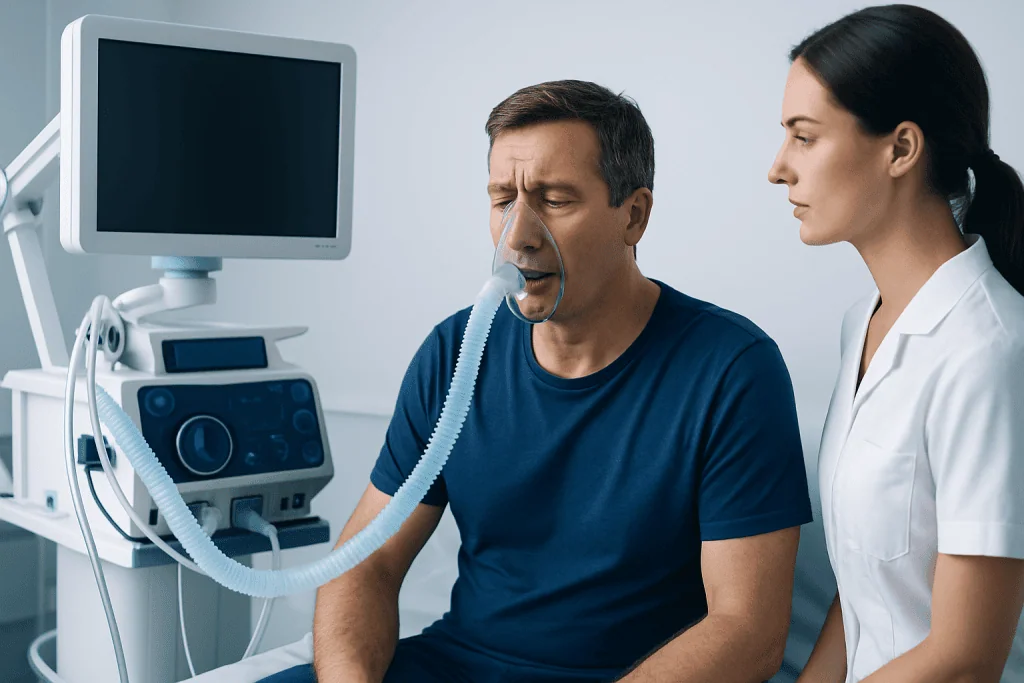
The most recognized symptom of COPD is breathlessness, particularly during walking, climbing stairs, carrying groceries or doing household tasks. Some people describe it as not being able to get enough air, needing to stop frequently, or feeling more tired than expected after routine activities. Breathlessness can lead people to reduce activity, but becoming less active can weaken muscles and make breathing feel even harder over time.
Other common symptoms include a long-lasting cough, mucus production, wheezing and chest tightness. Symptoms may be mild at first and may come and go, especially after colds or exposure to smoke, dust or cold air. In more advanced COPD, breathlessness may occur with light activity or even at rest, and daily tasks may require more planning and rest periods.
COPD can also cause flare-ups, sometimes called exacerbations, when symptoms become worse than usual. A flare-up may involve increased breathlessness, more coughing, a change in mucus amount or color, feverish feelings, or reduced ability to perform normal activities. Recognizing these changes early helps the care team adjust treatment and may reduce the risk of complications.
Causes and Risk Factors
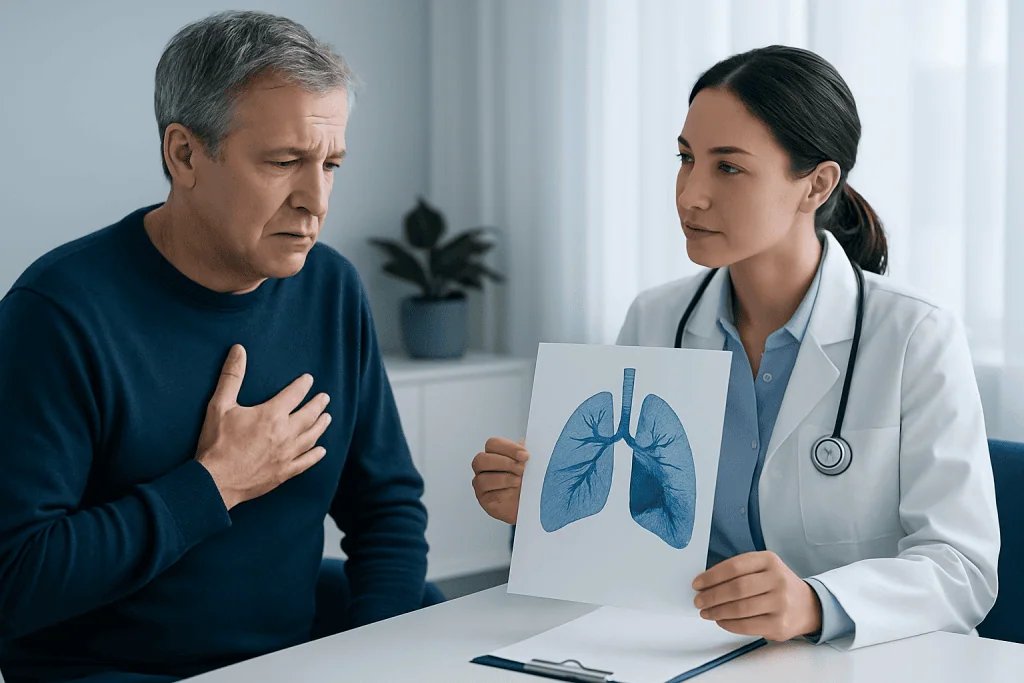
The main cause of COPD is long-term exposure to irritants that damage the lungs. Tobacco smoking is the most common risk factor, including cigarettes, cigars and pipes. However, COPD can also occur in people who have never smoked, particularly when there has been significant exposure to air pollution, indoor smoke from biomass fuels, chemical fumes, dusts or repeated respiratory infections.
Workplace exposures can play a role, especially in jobs involving mining, construction, agriculture, textile production, welding or other environments where dusts and fumes are inhaled regularly. Good workplace ventilation and protective equipment are important for reducing risk. Outdoor air pollution may also worsen symptoms in people who already have COPD.
A less common but important genetic cause is alpha-1 antitrypsin deficiency, which can increase the risk of emphysema, sometimes at a younger age. A doctor may consider testing for this if COPD occurs early, if there is a strong family history, or if the pattern of lung disease suggests it. Age, previous asthma, childhood lung problems and recurrent chest infections can also influence lung health and COPD risk.
Diagnosis and Spirometry Testing
Spirometry is the main breathing test used to diagnose COPD. During the test, the person takes a deep breath and blows out as hard and as long as possible into a device called a spirometer. The machine measures how much air can be exhaled and how quickly it comes out. These measurements help identify persistent airflow limitation, which is central to COPD diagnosis.
Two important values are often discussed: FEV1, which is the amount of air exhaled in the first second, and FVC, which is the total amount of air exhaled during the test. Doctors may repeat spirometry after giving a bronchodilator medicine to see how the airways respond. The results must be interpreted by a qualified clinician because age, height, sex, symptoms and medical history all matter.
Other tests may be used to understand the full picture. These can include a chest X-ray or CT scan, oxygen level measurement, blood tests, an electrocardiogram or echocardiogram if heart disease is suspected, and exercise or walking tests to assess functional capacity. In some cases, sputum testing or evaluation for sleep-related breathing problems may be needed.
Accurate diagnosis is especially important because COPD and asthma can have similar symptoms but may require different treatment approaches. Some people have features of both conditions. A careful review of symptoms, triggers, smoking or exposure history, spirometry results and response to treatment helps the doctor create a safe and effective plan.
Treatment Options and Planning
COPD treatment planning is personalized. The goals are to reduce symptoms, improve exercise tolerance, prevent flare-ups and support quality of life. The plan may change over time depending on symptom control, inhaler technique, lung function, other health conditions and whether flare-ups occur. Regular follow-up is useful because COPD needs ongoing adjustment rather than a one-time prescription.
Inhaled medicines are a central part of treatment for many people. Bronchodilators help relax the muscles around the airways so air can move more easily. Some are used for quick relief, while others are taken regularly for maintenance. Inhaled corticosteroids may be considered for selected patients, particularly when there is a history of frequent flare-ups or certain inflammatory patterns, but they are not needed for everyone.
Correct inhaler technique is as important as the medicine itself. Many people do not receive the full benefit if the inhaler is used incorrectly, if breathing is not coordinated with the device, or if the device type does not suit their abilities. A nurse, pharmacist or respiratory therapist can demonstrate technique, check it regularly and recommend spacers or alternative devices when appropriate.
Other parts of treatment may include vaccinations, pulmonary rehabilitation, nutrition support, treatment of anxiety or sleep problems, and assessment for oxygen therapy if blood oxygen levels are persistently low. Antibiotics or steroid tablets may be used for some flare-ups under medical guidance. In selected advanced cases, specialist procedures or surgery may be discussed, but these decisions require detailed evaluation by a respiratory specialist.
Pulmonary Rehabilitation, Daily Self-care and Prevention
Pulmonary rehabilitation is one of the most helpful non-drug treatments for COPD. It usually combines supervised exercise, breathing education, energy-saving strategies, nutrition advice and emotional support. The program is designed to help people become stronger and more confident with activity, even if lung function itself does not dramatically change.
Breathing techniques can also help with day-to-day breathlessness. Pursed-lip breathing, where a person breathes out slowly through gently narrowed lips, may reduce air trapping during exertion. Pacing activities, sitting for tasks when possible, using rest breaks before becoming exhausted and planning heavier tasks for times of better energy can make daily routines easier.
Stopping smoking is the most important step for anyone with COPD who smokes. Support may include counseling, nicotine replacement or prescription medicines, depending on the person’s health and preferences. Avoiding secondhand smoke, occupational irritants, heavy pollution and respiratory infections also helps protect the lungs.
Preventive care includes staying up to date with recommended vaccinations, including influenza, COVID-19 and pneumococcal vaccines when appropriate. Good hand hygiene, early attention to respiratory infections, balanced nutrition and regular physical activity within safe limits all support overall health. People with COPD should ask their doctor for an action plan that explains what to do if symptoms suddenly worsen.
Living With COPD and Follow-up Care
Living with COPD can affect not only breathing but also sleep, mood, independence and social life. Some people avoid going out because they worry about breathlessness or coughing in public. Education, rehabilitation and a practical treatment plan can help restore confidence and reduce the sense of uncertainty. It is also important for family members and caregivers to understand the condition and how to support safe activity.
Follow-up visits may include reviewing symptoms, flare-ups, oxygen levels, inhaler technique, vaccination status, exercise capacity and side effects of medicines. The healthcare team may also screen for related conditions such as heart disease, osteoporosis, anxiety, depression, reflux disease or sleep apnea. Treating these conditions can improve overall wellbeing and sometimes reduce breathlessness.
Travel and daily planning are possible for many people with COPD, but preparation matters. Patients who use oxygen or have significant breathlessness should discuss travel plans with their doctor, especially before flying or visiting high-altitude locations. Medication supplies, inhaler prescriptions, a written action plan and emergency contacts should be kept accessible.
When to See a Doctor
A person should seek medical advice if they have a long-lasting cough, frequent mucus production, wheezing, chest tightness or breathlessness that is new, persistent or gradually worsening. Anyone with a history of smoking or long-term exposure to dusts, fumes or indoor smoke should consider evaluation if breathing becomes more difficult than expected. Early diagnosis can support better planning and may help slow further lung damage.
Prompt medical attention is important when symptoms worsen suddenly. Warning signs include severe or unusual breathlessness, chest pain, bluish lips or fingers, confusion, high fever, coughing blood, fainting, or oxygen readings lower than the range advised by a doctor. These symptoms may have causes other than COPD and need urgent assessment.
Patients already diagnosed with COPD should contact their healthcare team if they need their rescue inhaler more often, have increased sputum, notice a change in sputum color, or cannot do their usual activities. International patients can also access evaluation and treatment planning through multidisciplinary specialists at Acibadem International’s JCI-accredited hospitals, where respiratory, imaging, rehabilitation and related services can be coordinated when needed.
Frequently asked questions
What is the difference between COPD and asthma?
COPD and asthma can both cause wheezing, cough and breathlessness, but they are different conditions. Asthma often varies more from day to day and may begin earlier in life, while COPD is usually related to long-term lung irritation and causes persistent airflow limitation. Some people have features of both, so spirometry and medical history are important.
Can COPD be cured?
COPD is generally a long-term condition that cannot be fully reversed. However, symptoms can often be improved, flare-ups can be reduced and daily function can be supported with the right treatment plan. Stopping smoking, using medicines correctly and joining pulmonary rehabilitation can make a meaningful difference.
Is spirometry painful or risky?
Spirometry is a noninvasive breathing test and is not painful. It requires strong breathing effort, so some people may feel temporarily lightheaded or tired afterward. The clinician will decide whether the test is appropriate, especially if someone has had recent surgery, chest pain or certain heart problems.
Why do COPD symptoms get worse during infections?
Respiratory infections can increase airway inflammation and mucus production, making already narrowed airways harder to use. This can trigger a COPD flare-up with more breathlessness, cough and fatigue. Early guidance from a healthcare professional can help determine whether additional treatment is needed.
Do all people with COPD need oxygen therapy?
No. Oxygen therapy is only recommended for people whose blood oxygen levels are persistently low according to medical testing. Breathlessness alone does not always mean oxygen is needed, because muscle deconditioning, airway narrowing, anxiety or heart conditions may also contribute.
Can exercise be safe with COPD?
Yes, exercise is often beneficial when it is planned safely and matched to the person’s condition. Pulmonary rehabilitation is a structured way to build strength, learn breathing strategies and reduce fear of activity. Patients should ask their doctor what level of exercise is appropriate for them.
This article is for general information only and is not a substitute for professional medical advice. Please consult a qualified doctor about your individual situation.
Explore treatments in Turkey — costs, top hospitals & a free quote
JCI-accredited · board-certified surgeons · reply within 24h
Add us as a Preferred Source to see more of our trusted health content across Google Search, AI Overviews and Discover.

Pulmonary Medicine Specialists at Acibadem



More from the Health Library

Hemochromatosis: Iron Overload Symptoms, Genetic Testing, and Organ Protection

Aplastic Anemia: Severe Fatigue, Low Blood Counts, and Urgent Evaluation

Kidney Stones: Warning Signs, Causes, and Treatment

Condition: Meaning, Definition, and Common Uses in Medicine
Idiopathic Intracranial Hypertension: Headache, Vision Changes, and Diagnosis