COPD: Symptoms, Causes, and Breathing Support Options

COPD is usually caused by long-term irritation of the lungs, most often from tobacco smoke, but air pollution, workplace exposures, and genetic factors can also contribute. Common symptoms include shortness of breath, chronic cough, mucus production, wheezing, frequent chest infections, and reduced exercise tolerance.
Key Takeaways
- COPD is usually caused by long-term irritation of the lungs, most often from tobacco smoke, but air pollution, workplace exposures, and genetic factors can also contribute.
- Common symptoms include shortness of breath, chronic cough, mucus production, wheezing, frequent chest infections, and reduced exercise tolerance.
- Spirometry is the key test used to confirm COPD and assess how much airflow is limited.
- Treatment may include inhaled medicines, vaccinations, pulmonary rehabilitation, oxygen therapy when indicated, and support to stop smoking.
- Breathing support options range from breathing techniques and rehabilitation to home oxygen or non-invasive ventilation for selected patients.
- New or worsening breathlessness, blue lips, confusion, chest pain, or a severe flare-up requires urgent medical assessment.
COPD is a long-term lung condition that makes airflow in and out of the lungs more difficult, often causing breathlessness, cough, and fatigue. With early diagnosis, smoking cessation, appropriate medicines, pulmonary rehabilitation, and selected breathing support, many people can reduce symptoms and stay active for longer.
Overview
Chronic obstructive pulmonary disease, or COPD, is a long-term condition in which the airways and air sacs in the lungs become damaged and narrowed. This makes it harder to move air in and out of the lungs, especially during physical activity. COPD is an umbrella term that includes chronic bronchitis, emphysema, or a combination of both.
In chronic bronchitis, the airways are inflamed and produce extra mucus, leading to a persistent cough. In emphysema, the tiny air sacs that help transfer oxygen into the bloodstream lose their elasticity and become damaged. Many people with COPD have features of both conditions.
COPD usually develops slowly over many years. Because early symptoms may feel like normal aging, being out of shape, or a smoker’s cough, some people are diagnosed only after symptoms become more noticeable. Although COPD cannot usually be reversed, appropriate care can relieve symptoms, reduce flare-ups, and support daily activities.
COPD Symptoms
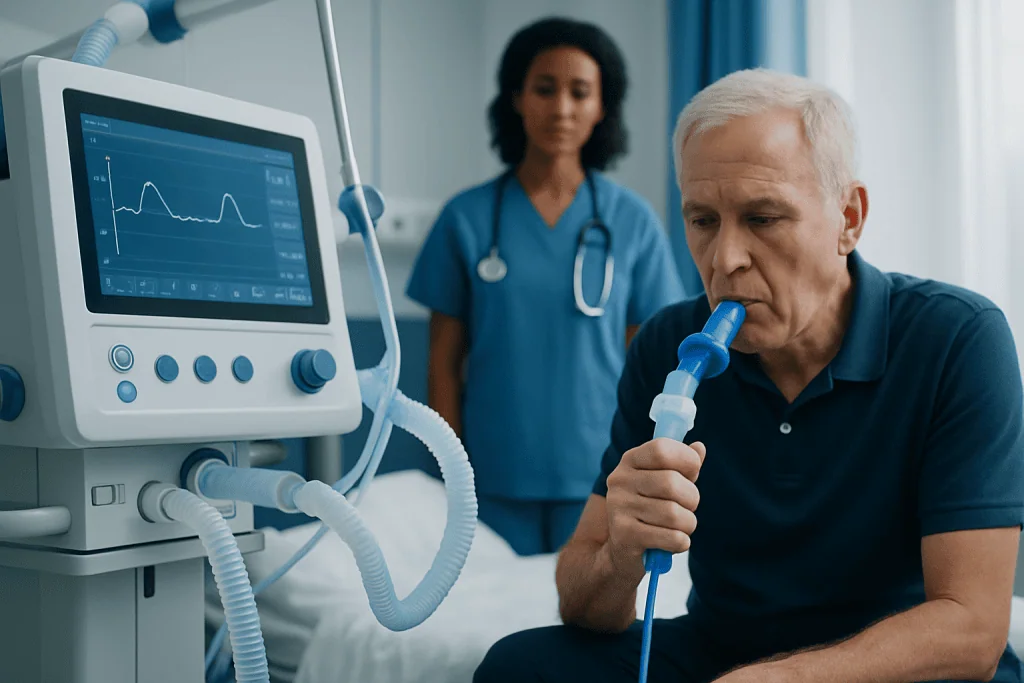
COPD symptoms can vary from mild to severe. At first, a person may notice shortness of breath only when climbing stairs, walking uphill, or exercising. Over time, breathlessness may occur with ordinary daily tasks such as dressing, showering, or walking short distances.
Common COPD symptoms include:
- Shortness of breath, especially during activity
- A long-lasting cough
- Coughing up mucus or phlegm
- Wheezing or a whistling sound while breathing
- Chest tightness
- Frequent respiratory infections
- Tiredness and reduced stamina
- Unintentional weight loss in more advanced disease
COPD can also cause flare-ups, sometimes called exacerbations. During a flare-up, symptoms become worse than usual and may include increased breathlessness, more coughing, thicker or discolored mucus, fever, or a need to use rescue medicines more often. Flare-ups are important because they can affect lung function and quality of life, so they should be discussed with a healthcare professional.
Causes and Risk Factors
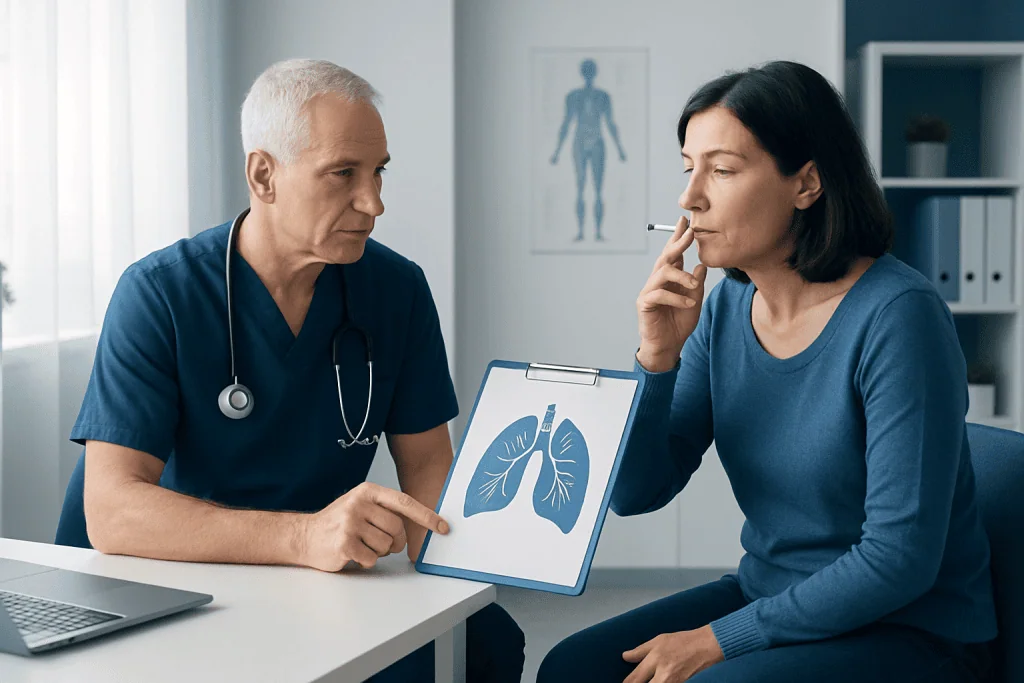
The main cause of COPD is long-term exposure to substances that irritate and inflame the lungs. Tobacco smoke is the most common risk factor, including cigarettes, cigars, pipes, and exposure to secondhand smoke. However, not everyone who develops COPD has smoked, and not everyone who smokes develops COPD.
Other COPD causes and risk factors include long-term exposure to indoor air pollution, outdoor air pollution, dust, chemical fumes, and smoke from biomass fuels used for cooking or heating in poorly ventilated spaces. People who work in mining, construction, manufacturing, agriculture, or other dusty or chemical-exposed environments may have a higher risk, especially if protective equipment is not used consistently.
A less common cause is alpha-1 antitrypsin deficiency, an inherited condition that can lead to COPD at a younger age, particularly if the person smokes. A history of severe childhood respiratory infections, poorly controlled asthma, and repeated lung infections may also increase vulnerability. A doctor may consider genetic testing when COPD develops early, appears severe, or occurs with a family history of lung or liver disease.
Diagnosis
Diagnosing COPD begins with a medical history and physical examination. The doctor asks about symptoms, smoking history, secondhand smoke exposure, occupational or environmental exposures, past lung infections, asthma, allergies, medicines, and family history. The examination may include listening to the lungs and checking oxygen levels with a fingertip pulse oximeter.
The main test for COPD is spirometry. This simple breathing test measures how much air a person can blow out and how quickly. It can confirm airflow obstruction, help assess severity, and distinguish COPD from other causes of breathlessness. Spirometry is often performed before and after an inhaled bronchodilator medicine to see how the airways respond.
Additional tests may be recommended depending on the situation. A chest X-ray or CT scan can help look for emphysema, infections, lung nodules, heart problems, or other conditions. Blood tests may check oxygen and carbon dioxide levels, signs of infection, anemia, or alpha-1 antitrypsin deficiency. Exercise tests, such as a walking test, may help assess how symptoms change during activity and whether oxygen levels fall with exertion.
Treatment Options
COPD treatment is personalized according to symptoms, lung function, flare-up history, other medical conditions, and the person’s goals. The most important step for anyone who smokes is to stop smoking. Quitting can slow further lung damage and improve the effectiveness of other treatments. Support may include counseling, nicotine replacement, or prescription medicines when appropriate.
Inhaled medicines are commonly used to open the airways, reduce symptoms, and lower the risk of flare-ups. Bronchodilators help relax the muscles around the airways, making breathing easier. Some are used for quick relief, while others are taken regularly for longer-lasting control. Inhaled corticosteroids may be added for selected patients, especially those with frequent flare-ups or overlapping asthma features. Correct inhaler technique is essential, so patients benefit from having their technique checked regularly.
Pulmonary rehabilitation is a key part of COPD care. It is a structured program that may include supervised exercise training, breathing techniques, education, nutrition guidance, and support for managing anxiety or breathlessness. Rehabilitation can help people improve stamina, understand their condition, and feel more confident in daily life.
Other treatments may include vaccinations to reduce the risk of respiratory infections, medicines for flare-ups, airway clearance strategies for people with significant mucus, and treatment of related conditions such as heart disease, sleep apnea, anxiety, or osteoporosis. In carefully selected advanced cases, specialists may discuss lung volume reduction procedures, endobronchial valves, or lung transplantation. These options require detailed evaluation and are not suitable for everyone.
Breathing Support Options
Breathing support for COPD includes several approaches, from simple breathing techniques to medical devices used at home or in hospital. The right option depends on symptoms, oxygen levels, carbon dioxide levels, sleep quality, flare-up history, and overall health. A respiratory specialist can help determine which support is appropriate and when it should be used.
Breathing techniques can help some people manage shortness of breath. Pursed-lip breathing, for example, involves breathing in through the nose and breathing out slowly through gently closed lips. This can help keep airways open longer and reduce the feeling of trapped air. Positioning, pacing activities, and using a handheld fan directed toward the face may also reduce the sensation of breathlessness for some patients.
Oxygen therapy is prescribed when blood oxygen levels are consistently low, either at rest, during sleep, or with activity. Oxygen can be delivered through nasal tubes from a concentrator, portable cylinder, or portable oxygen concentrator. It should be used exactly as prescribed, because too little may not help and too much may be unsafe for certain people with COPD. Smoking or open flames near oxygen is dangerous and must be avoided.
Non-invasive ventilation, often delivered through a mask, may be used in hospital during severe flare-ups or at home for selected patients with ongoing high carbon dioxide levels or sleep-related breathing problems. It helps support breathing by delivering pressurized air. Some patients may also need continuous positive airway pressure if they have obstructive sleep apnea in addition to COPD. Decisions about oxygen or ventilation should be made after appropriate testing and medical review.
Prevention and Self-care
Preventing COPD or slowing its progression begins with protecting the lungs. Avoiding tobacco smoke is the most effective step. People who smoke should be offered practical, non-judgmental help to quit, and people who do not smoke should avoid starting. Reducing exposure to dust, fumes, chemical vapors, and indoor smoke can also help protect lung health.
Daily self-care is an important part of living with COPD. Regular physical activity, as advised by a healthcare professional, can help maintain muscle strength and endurance. Eating a balanced diet supports energy and immune function. Some people with advanced COPD may need nutrition advice because breathing can increase energy needs, while others may benefit from weight management to reduce the work of breathing.
Patients are often encouraged to create a COPD action plan with their doctor. This plan may explain usual medicines, warning signs of a flare-up, when to start prescribed rescue treatments, and when to seek urgent care. Annual influenza vaccination and recommended pneumococcal, COVID-19, and other vaccines can reduce the risk of infections that may trigger flare-ups.
When to See a Doctor
A person should arrange a medical evaluation if they have a persistent cough, regular mucus production, wheezing, chest tightness, or shortness of breath that is new, worsening, or limiting daily activities. Anyone with a history of smoking, occupational dust exposure, or long-term exposure to indoor or outdoor air pollution should mention these risks to the doctor, even if symptoms seem mild.
Urgent medical care is needed if breathlessness becomes severe, lips or fingertips look blue or gray, confusion or extreme drowsiness occurs, chest pain develops, or usual medicines do not improve symptoms. A sudden increase in mucus, fever, or a significant change in sputum color may also require prompt assessment, especially in people already diagnosed with COPD.
International patients seeking evaluation may be assessed by multidisciplinary respiratory teams at Acibadem International’s JCI-accredited hospitals, where diagnostic testing and treatment planning for COPD are available. As with any chronic condition, decisions about medicines, oxygen, ventilation, and follow-up should be made with a qualified healthcare professional who understands the person’s full medical history.
Frequently asked questions
What is COPD?
COPD is a long-term lung disease that makes it difficult to breathe because airflow is limited. It includes chronic bronchitis, emphysema, or both. The condition usually develops gradually and can be managed with lifestyle changes, medicines, rehabilitation, and selected breathing support.
What are the early symptoms of COPD?
Early COPD symptoms may include getting breathless during activity, a cough that does not go away, wheezing, or producing mucus most days. These symptoms can be mild at first and may be mistaken for aging or being unfit. A doctor can check breathing with spirometry if COPD is suspected.
Can COPD be cured?
COPD is generally not considered curable because lung damage is often permanent. However, treatment can reduce symptoms, prevent flare-ups, and help people stay active. Stopping smoking, using prescribed inhalers correctly, and attending pulmonary rehabilitation can make a meaningful difference.
When is oxygen therapy needed for COPD?
Oxygen therapy is used when tests show that blood oxygen levels are too low. It may be needed at rest, during activity, or during sleep, depending on the person's measurements. Oxygen should only be used as prescribed because the correct flow and timing are important for safety.
Is exercise safe for people with COPD?
Exercise is often beneficial for people with COPD when it is planned safely. Pulmonary rehabilitation programs are designed to improve strength, stamina, and confidence while teaching ways to manage breathlessness. A healthcare professional should advise on the most suitable level of activity.
What is a COPD flare-up?
A COPD flare-up is a period when symptoms become worse than usual, such as increased breathlessness, more coughing, more mucus, or a change in mucus color. Flare-ups may be triggered by infections, air pollution, or other irritants. Patients should follow their COPD action plan and contact a doctor if symptoms are significant or do not improve.
Can someone get COPD without smoking?
Yes, COPD can occur in people who have never smoked. Long-term exposure to air pollution, workplace dust or fumes, secondhand smoke, biomass fuel smoke, and certain genetic factors can contribute. A full medical and exposure history helps doctors identify likely causes and guide prevention.
References
- Global Initiative for Chronic Obstructive Lung Disease
- World Health Organization
- American Lung Association
- National Heart, Lung, and Blood Institute
- European Respiratory Society
This article is for general information only and is not a substitute for professional medical advice. Please consult a qualified doctor about your individual situation.
Explore treatments in Turkey — costs, top hospitals & a free quote
JCI-accredited · board-certified surgeons · reply within 24h
Add us as a Preferred Source to see more of our trusted health content across Google Search, AI Overviews and Discover.