

Coronary Artery Bypass Surgery Recovery in Older Adults
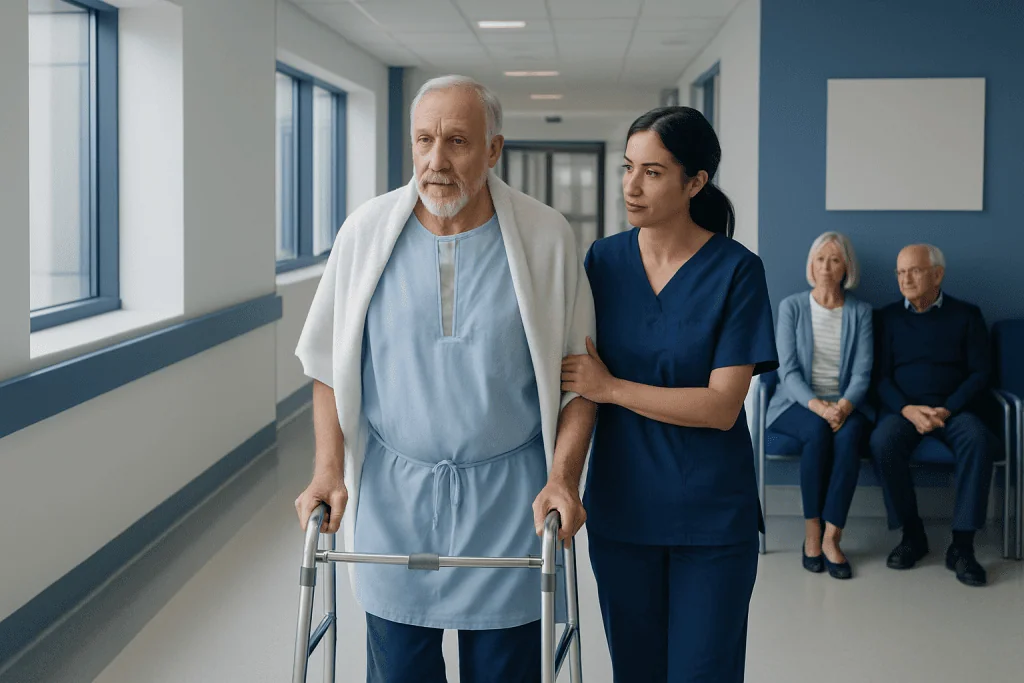
Recovery after bypass surgery often happens in stages, from hospital care to gradual return to daily activities at home. Older adults may heal more slowly and need closer attention to strength, balance, nutrition, medications, and mood.
Key Takeaways
- Recovery after bypass surgery often happens in stages, from hospital care to gradual return to daily activities at home.
- Older adults may heal more slowly and need closer attention to strength, balance, nutrition, medications, and mood.
- Cardiac rehabilitation can improve endurance, confidence, and long-term heart health after surgery.
- Warning signs such as chest pain, shortness of breath, fever, wound changes, or confusion should be reported promptly.
- Regular follow-up with the surgical and cardiology team helps monitor healing and adjust treatment safely.
Coronary artery bypass surgery recovery in older adults is often steady and successful, but it may take more time, patience, and support than recovery in younger people. Understanding what to expect can help patients and families feel prepared, stay safe, and support healing at home.
Overview of Recovery After Bypass Surgery
Coronary artery bypass grafting, often called CABG or heart bypass surgery, is a procedure that improves blood flow to the heart by creating a new route around blocked coronary arteries. In older adults, recovery can be very positive, but it may require more time and support because aging can affect strength, balance, lung function, and the body’s ability to heal.
Recovery usually starts in the intensive care unit or a closely monitored hospital setting, then continues on the ward, at home, and often through structured cardiac rehabilitation. Many people feel tired, sore, or emotionally unsettled in the first days and weeks. This is common and does not necessarily mean something is wrong.
The pace of healing varies from person to person. It depends on age, general fitness, pre-existing conditions such as diabetes or kidney disease, how complex the surgery was, and whether there were any complications. Older adults and their caregivers usually benefit from a clear plan for medications, exercise, wound care, diet, and follow-up appointments.
What to Expect in the First Days and Weeks

In the hospital, the care team watches heart rhythm, blood pressure, breathing, pain control, and fluid balance closely. Tubes and monitors are gradually removed as the patient stabilizes. Nurses and physiotherapists usually encourage early movement, such as sitting up, standing, and short walks, because gentle activity supports circulation, breathing, and overall recovery.
Once home, it is normal to feel weak more easily than before surgery. Energy often returns gradually rather than all at once. Some people notice discomfort around the chest incision, soreness where a blood vessel was taken from the leg or arm, reduced appetite, constipation, poor sleep, or swelling in the legs. These symptoms often improve over time with proper aftercare.
The breastbone, if opened during surgery, needs time to heal. For that reason, the surgical team usually gives temporary lifting and movement restrictions. Older adults may need help with shopping, bathing, meal preparation, transportation, or medication management during the early recovery period. A calm routine, regular rest, and gentle daily walking can be especially helpful.
- Expect fatigue for several weeks.
- Walking is usually encouraged, starting slowly and increasing gradually.
- Driving, heavy lifting, and strenuous housework may need to wait until the doctor says they are safe.
- Sleep and appetite may take time to return to normal.
Common Challenges for Older Adults

Older adults often recover well, but they may face challenges that deserve extra attention. Muscle loss, frailty, arthritis, vision problems, hearing loss, or memory changes can make daily tasks harder after surgery. If balance is reduced, the risk of falls may increase, especially when starting new medications or getting up too quickly.
Delirium, which is a sudden change in attention and thinking, can happen after major surgery, particularly in older people. A person may seem confused, sleepy, restless, or unlike themselves. This can improve, but it should always be reported to the medical team promptly because it may be linked to infection, medication effects, dehydration, or other treatable problems.
Emotional recovery also matters. Some people feel worried, tearful, or less motivated after heart surgery. Others may feel frustrated that recovery seems slower than expected. Family support, reassurance, and communication with the care team can make a meaningful difference. If low mood or anxiety persists, professional support may be helpful.
Nutrition can also affect healing. Older adults may need encouragement to eat enough protein, fruits, vegetables, and fluids, especially if appetite is low. Weight loss, weakness, or poor oral intake should be discussed with a clinician or dietitian.
How Recovery Is Monitored
Follow-up care after bypass surgery helps the team check the heart, review medications, and monitor wound healing and physical progress. Appointments may involve the cardiac surgeon, cardiologist, primary care doctor, nurses, physiotherapists, and rehabilitation specialists. These visits are important even if the patient feels well.
Doctors may review blood pressure, heart rate, breathing, fluid status, blood tests, and symptoms such as swelling or palpitations. They also assess whether the incisions are healing properly and whether there are signs of infection. Medication plans are often adjusted during this period, especially for pain relief, blood thinners, cholesterol treatment, blood pressure control, and diabetes management.
Some patients need closer observation if they have other conditions such as coronary artery disease, chronic lung disease, kidney problems, or a history of irregular heart rhythm. Clear communication between the patient, family, and medical team helps identify concerns early and supports safer recovery at home.
Treatment and Support During Recovery
Recovery care after CABG focuses on healing, symptom control, and lowering the risk of future heart problems. Pain management is important because uncontrolled pain can limit movement, sleep, and breathing exercises. At the same time, clinicians are careful to choose medications that are appropriate for older adults, who may be more sensitive to side effects.
Cardiac rehabilitation is one of the most valuable parts of recovery. This structured program combines supervised exercise, education, and lifestyle support. It helps patients rebuild stamina safely, improve confidence, and understand how to protect heart health over the long term. For many people, cardiac rehabilitation becomes a bridge between surgery and daily life.
Some patients may also need breathing exercises, physical therapy, or home nursing support. If swelling in the legs, reduced mobility, or deconditioning is significant, clinicians may recommend a more tailored recovery plan. Ongoing care may also include management by specialists in cardiology and evaluation after coronary artery bypass grafting to make sure the heart is recovering as expected.
Near the end of recovery planning, some international patients may seek coordinated follow-up care. Acibadem International’s multidisciplinary specialists and JCI-accredited hospitals provide diagnosis, treatment, and aftercare support for patients recovering from heart conditions and procedures.
Self-care at Home: Activity, Diet, and Daily Habits
Home recovery is often smoother when the patient has a simple daily plan. Walking is usually the main exercise at first, with short, regular sessions and gradual increases in distance or time. Patients are generally advised to stop and seek advice if activity causes significant chest pain, severe shortness of breath, dizziness, or unusual palpitations.
Healthy eating supports both wound healing and heart health. Meals usually focus on vegetables, fruit, whole grains, lean proteins, and reduced salt, while limiting highly processed foods. If appetite is poor, smaller and more frequent meals may help. Avoiding tobacco is essential, and alcohol should be discussed with the doctor because it can affect recovery and medications.
Good self-care also includes taking medications exactly as prescribed, keeping follow-up visits, and using any breathing or coughing exercises recommended after surgery. Rest matters, but long periods of inactivity can slow progress. Gentle movement, regular sleep routines, and support from family members often make recovery easier for older adults.
- Keep incision areas clean and dry as instructed.
- Take medicines on schedule and ask before using over-the-counter products.
- Use a written list for medications, symptoms, and appointments.
- Ask for help with tasks that strain the chest or increase fall risk.
When to Seek Medical Advice
Most symptoms after bypass surgery improve gradually, but some problems need prompt medical attention. Patients should contact their doctor if they develop fever, increasing redness or drainage from the incision, worsening leg swelling, new irregular heartbeat, or pain that is getting worse rather than better. These signs may point to infection, fluid problems, or other postoperative concerns.
Emergency care is needed for symptoms such as severe chest pain, sudden shortness of breath, fainting, signs of stroke, or heavy bleeding. In older adults, new confusion or sudden weakness should also be taken seriously. Even symptoms that seem mild can matter if they represent a clear change from the usual recovery pattern.
It can help to remember that asking questions is part of safe recovery. Patients and caregivers should feel comfortable contacting the care team if they are unsure about activity limits, wound appearance, medication effects, mood changes, or the expected timeline. Prompt guidance can prevent minor issues from becoming more serious.
Frequently asked questions
How long does coronary artery bypass surgery recovery take in older adults?
Recovery time varies, but many older adults need several weeks to regain strength and several months to feel closer to their usual energy level. Healing may be slower if there are other medical conditions, reduced mobility, or complications. The medical team can give the most realistic timeline for each individual.
Is fatigue normal after bypass surgery?
Yes, fatigue is very common after heart bypass surgery, especially in the first weeks. The body uses a great deal of energy to heal, and sleep can also be disrupted after a hospital stay. Gradual activity, good nutrition, and regular follow-up usually help energy improve over time.
When can an older adult walk and exercise after CABG?
Walking often starts very early, sometimes while still in the hospital, and continues at home in short, gentle sessions. Exercise should increase gradually and follow the surgeon’s or cardiologist’s advice. A supervised cardiac rehabilitation program is often one of the safest ways to rebuild endurance.
What warning signs should family members watch for at home?
Family members should watch for fever, wound redness or drainage, worsening swelling, shortness of breath, chest pain, fainting, or a sudden change in thinking or behavior. In older adults, confusion can be an important warning sign. If any of these happen, the care team should be contacted promptly.
Can bypass surgery affect memory or mood in older adults?
Some older adults notice temporary changes in concentration, sleep, mood, or memory after major surgery. Stress, medications, pain, infection, and poor sleep can all contribute. If confusion, sadness, or anxiety is severe or does not improve, it should be discussed with a healthcare professional.
Why is cardiac rehabilitation important after coronary artery bypass surgery?
Cardiac rehabilitation helps patients recover strength safely and learn long-term heart-healthy habits. It usually includes monitored exercise, education, and support for lifestyle changes such as diet, activity, and smoking cessation. For older adults, it can also improve confidence and reduce fear about returning to normal activities.
References
- American Heart Association
- National Institute on Aging
- National Heart, Lung, and Blood Institute
- Centers for Disease Control and Prevention
- European Society of Cardiology
This article is for general information only and is not a substitute for professional medical advice. Please consult a qualified doctor about your individual situation.
Coronary Artery Bypass Surgery in Turkey — costs, top hospitals & a free quote
JCI-accredited · board-certified surgeons · reply within 24h
Add us as a Preferred Source to see more of our trusted health content across Google Search, AI Overviews and Discover.
Check your numbers in seconds
BMI, calories, due date, blood pressure and 30+ more clinical calculators — free, instant, doctor-reviewed ranges.

Cardiology Department
Diagnosis and treatment of heart and vascular conditions, from prevention to advanced interventional procedures.
90 specialists in this unitMore from the Health Library



Related Specialists

Dr. Alp Er Tunga Bölükbaşı
Orthopedic Surgery & Traumatology
Dt. Zeynep Kavi
Dentistry
Prof. Dr. Mete Güngör
Gynecology & Obstetrics
Yağız Meteoğlu
Physical Medicine & Rehabilitation