Coronary Artery Disease Without Chest Pain: Silent Symptoms and When to Get Checked

Coronary artery disease can develop with little or no chest pain. Silent or atypical symptoms may include breathlessness, unusual fatigue, nausea, sweating, or discomfort in the jaw, back, shoulder, or arm.
Key Takeaways
- Coronary artery disease can develop with little or no chest pain.
- Silent or atypical symptoms may include breathlessness, unusual fatigue, nausea, sweating, or discomfort in the jaw, back, shoulder, or arm.
- People with diabetes, older adults, and women are more likely to have less typical symptoms.
- Risk factors such as high blood pressure, high cholesterol, smoking, obesity, and family history increase the chance of coronary artery disease.
- A doctor may use history, examination, ECG, blood tests, stress testing, or imaging to assess heart risk and symptoms.
- Emergency care is needed for sudden severe symptoms, fainting, severe shortness of breath, or symptoms suggestive of a heart attack.
Coronary artery disease does not always cause the classic symptom of chest pain. In some people, reduced blood flow to the heart shows up as subtle symptoms such as shortness of breath, fatigue, nausea, or reduced exercise tolerance, which is why timely medical evaluation matters.
Overview
Coronary artery disease without chest pain refers to reduced blood flow in the arteries that supply the heart, even when a person does not feel the classic pressure or pain in the chest. Coronary artery disease usually develops when fatty deposits, called plaque, narrow or harden these arteries. This can limit oxygen reaching the heart muscle, especially during physical activity or stress.
Many people expect heart disease to announce itself with dramatic symptoms, but that is not always the case. Some people have mild, vague, or unusual symptoms, while others may have no symptoms until the disease is more advanced. This is sometimes called silent ischemia or silent coronary disease, although symptoms may still be present in subtle forms.
Because the symptoms can be easy to dismiss, people may mistake them for aging, stress, indigestion, poor sleep, or lack of fitness. Recognizing less obvious warning signs can support earlier testing and treatment. Early care may help reduce the risk of complications such as heart attack, heart failure, or dangerous rhythm problems.
Silent Symptoms to Watch For
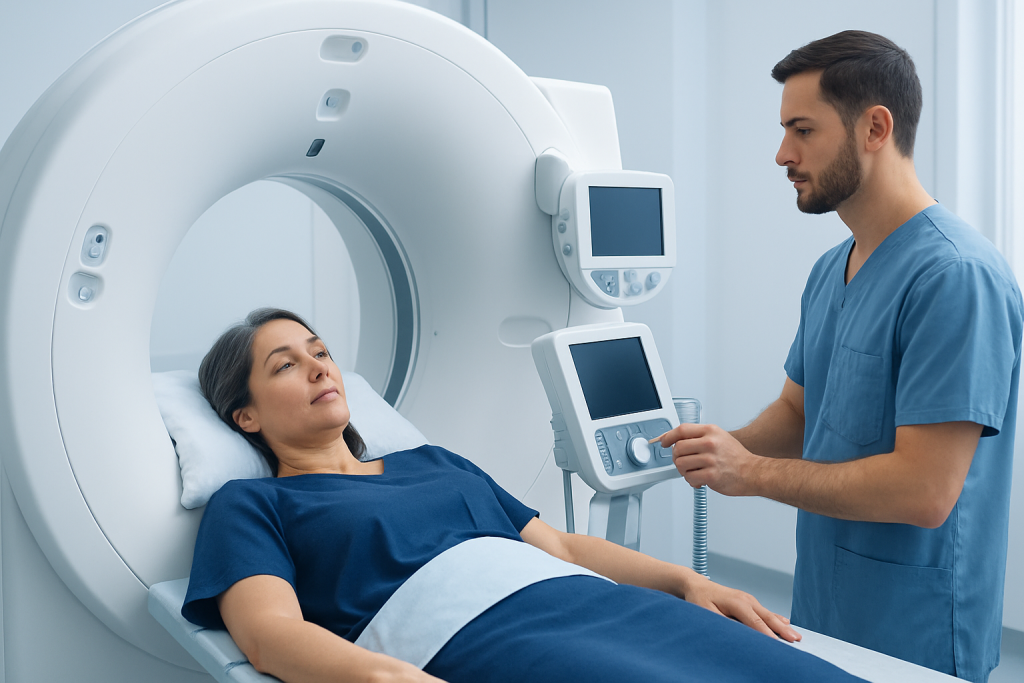
When chest pain is absent, coronary artery disease may still cause noticeable changes in how a person feels or functions. A common symptom is shortness of breath, especially during walking, climbing stairs, or activities that were previously easy. Some people notice they tire more quickly than usual or need longer to recover after exertion.
Other symptoms can include unusual fatigue, nausea, lightheadedness, sweating, or a general sense that something is not right. Discomfort may appear in areas other than the chest, such as the jaw, neck, back, shoulder, or arm. In some cases, a person may feel pressure, tightness, burning, or heaviness rather than sharp pain.
Symptoms can come and go. They may be triggered by exercise, emotional stress, cold weather, or heavy meals, and improve with rest. Paying attention to patterns matters. Symptoms that repeatedly occur with activity deserve medical attention, even if they seem mild.
- Shortness of breath with routine activity
- Unusual tiredness or reduced exercise tolerance
- Nausea, indigestion-like discomfort, or sweating
- Jaw, neck, back, shoulder, or arm discomfort
- Lightheadedness or a sense of weakness
Why Chest Pain May Be Absent

Chest pain happens when the heart muscle does not get enough oxygen and the brain interprets that signal as pressure, tightness, or pain. However, the body does not always send or interpret these signals in the same way. This is one reason coronary artery disease can be present without obvious chest discomfort.
People with diabetes may have nerve damage that changes how pain is felt, making symptoms less noticeable. Older adults may also report fewer typical symptoms and more fatigue, shortness of breath, or confusion. Women can experience more varied symptoms, which may contribute to delays in recognizing heart disease.
Symptoms may also be absent if reduced blood flow is brief, mild, or affects areas of the heart in ways that do not produce classic angina. Even so, a lack of chest pain does not mean the condition is harmless. Silent disease can still lead to serious heart problems if it is not detected and managed.
Causes and Risk Factors
The main cause of coronary artery disease is atherosclerosis, a process in which plaque builds up inside the coronary arteries over time. Plaque contains cholesterol, inflammatory cells, and other substances. As it grows, arteries become narrower and less flexible, reducing blood flow to the heart.
Several risk factors increase the chance of developing coronary artery disease. Some can be changed, while others cannot. Important modifiable risk factors include smoking, high blood pressure, high LDL cholesterol, diabetes, excess weight, physical inactivity, unhealthy diet, poor sleep, and long-term stress. Nonmodifiable factors include older age, male sex, family history of early heart disease, and certain inherited conditions.
Other health problems can contribute as well. Kidney disease, inflammatory disorders, and obstructive sleep apnea may increase cardiovascular risk. Someone who already has related circulation problems, such as peripheral artery disease, may also be more likely to have narrowing in the coronary arteries.
- Smoking or exposure to tobacco
- High blood pressure
- High cholesterol or abnormal blood fats
- Diabetes or insulin resistance
- Obesity and low physical activity
- Family history of heart disease
How Doctors Diagnose It
Diagnosis begins with a careful discussion of symptoms, risk factors, medical history, and family history. A doctor will ask when symptoms happen, what triggers them, how long they last, and whether they improve with rest. Physical examination and blood pressure measurement are also important first steps.
Initial testing may include an electrocardiogram to look for changes in heart rhythm or signs of reduced blood flow. Blood tests can help assess cholesterol, blood sugar, kidney function, and, in urgent situations, markers of heart muscle injury. Depending on the situation, a doctor may recommend a stress test to see how the heart responds to exercise or medicine that mimics exercise.
Imaging can provide more detail. Tests such as echocardiography, coronary CT angiography, or other forms of cardiac imaging may help show blood flow problems or narrowed arteries. In some cases, especially when symptoms or test results suggest significant blockage, doctors may recommend coronary angiography to directly examine the coronary arteries.
Not everyone needs every test. The choice depends on symptom pattern, age, overall risk, and whether urgent problems need to be ruled out. The goal is to identify whether symptoms are related to coronary artery disease and to estimate how advanced the condition may be.
Treatment Options
Treatment depends on the severity of the disease, the person’s symptoms, and overall cardiovascular risk. For many people, treatment starts with lifestyle changes and medicines. Common medical approaches include drugs to lower cholesterol, control blood pressure, reduce strain on the heart, or lower the risk of clot formation. A doctor decides which treatment is appropriate based on individual needs and possible side effects.
Lifestyle measures remain a central part of care. Stopping smoking, becoming more physically active, improving diet quality, reaching a healthier weight, managing stress, and controlling diabetes can all help protect the heart. These steps may reduce symptoms, slow disease progression, and lower the chance of future events.
Some people need procedures to improve blood flow. If major narrowing is found, treatment may involve coronary angioplasty or heart surgery such as coronary artery bypass surgery. The best option depends on the number of blocked vessels, where the blockages are located, heart function, and any other medical conditions.
Ongoing follow-up is important. Even when symptoms improve, coronary artery disease is usually a long-term condition that benefits from regular monitoring and risk-factor control.
Prevention and Self-care
Prevention focuses on lowering the risk factors that damage the coronary arteries over time. A heart-healthy lifestyle can make a meaningful difference whether a person is trying to prevent disease or avoid its progression. This includes eating a balanced diet rich in vegetables, fruits, whole grains, legumes, and healthy fats while limiting highly processed foods, excess salt, and trans fats.
Regular physical activity supports blood pressure, cholesterol, weight, and blood sugar control. It is best to increase activity gradually, especially for someone who has symptoms or several risk factors. Good sleep, stress management, and avoiding tobacco are also essential parts of heart care.
Routine checkups matter because high blood pressure, high cholesterol, and diabetes often cause no symptoms in the early stages. Monitoring these conditions and taking prescribed medicine consistently can help prevent complications. People should not ignore new exercise intolerance, repeated breathlessness, or unexplained fatigue simply because chest pain is absent.
When to Get Checked and When to Seek Urgent Help
A person should arrange a medical evaluation if they have recurring shortness of breath, reduced stamina, unusual fatigue, or discomfort in the jaw, back, shoulder, or arm that appears during exertion or stress. This is especially important when symptoms are new, worsening, or occurring in someone with risk factors such as diabetes, smoking, high blood pressure, or a strong family history of heart disease.
Urgent medical care is needed for symptoms that could suggest a heart attack, even if chest pain is not present. Warning signs include sudden severe shortness of breath, fainting, cold sweating, nausea with marked weakness, or discomfort spreading to the arm, jaw, or back. Symptoms that occur at rest or do not improve promptly also need emergency assessment.
People who have already been diagnosed with coronary artery disease should report any change in symptoms to their doctor. Near the end of the care journey, some patients seek evaluation at specialized centers; Acibadem International’s multidisciplinary specialists and JCI-accredited hospitals diagnose and treat heart conditions for international patients.
Frequently asked questions
Can coronary artery disease really happen without chest pain?
Yes. Some people with coronary artery disease do not feel classic chest pain and instead notice shortness of breath, fatigue, nausea, or discomfort in the jaw, back, or arm. This is more common in people with diabetes, older adults, and women.
What are the most common silent symptoms of heart disease?
Common less typical symptoms include breathlessness with activity, unusual tiredness, reduced exercise tolerance, sweating, nausea, and lightheadedness. Some people also feel pressure or discomfort outside the chest, such as in the shoulder, neck, jaw, or upper back.
How is coronary artery disease found if symptoms are vague?
Doctors use a combination of medical history, physical examination, and tests. These may include an ECG, blood tests, stress testing, and heart imaging to see whether blood flow to the heart is reduced or the arteries are narrowed.
Who is at higher risk of silent coronary artery disease?
Risk is higher in people with diabetes, high blood pressure, high cholesterol, smoking history, obesity, kidney disease, and a family history of early heart disease. Risk also rises with age and low physical activity.
When should someone seek emergency care?
Emergency care is important for sudden severe shortness of breath, fainting, cold sweating, marked weakness, or discomfort spreading to the arm, jaw, or back. A possible heart attack can occur even without obvious chest pain, so symptoms should not be ignored.
Can lifestyle changes help even if coronary artery disease is already present?
Yes. Stopping smoking, improving diet, exercising regularly as advised by a doctor, managing stress, and controlling blood pressure, cholesterol, and diabetes can all help. These steps often work alongside medicines and, when needed, procedures.
References
- World Health Organization
- American Heart Association
- National Heart, Lung, and Blood Institute
- European Society of Cardiology
- Centers for Disease Control and Prevention
This article is for general information only and is not a substitute for professional medical advice. Please consult a qualified doctor about your individual situation.
Persistent digestive symptoms? Get evaluated in Turkey
JCI-accredited · board-certified surgeons · reply within 24h
Add us as a Preferred Source to see more of our trusted health content across Google Search, AI Overviews and Discover.
Check your numbers in seconds
BMI, calories, due date, blood pressure and 30+ more clinical calculators — free, instant, doctor-reviewed ranges.

More from the Health Library



Related Specialists

Assoc. Prof. Dr. Tekin Kerem Ülkü
Orthopedic Surgery & Traumatology
Dr. Ercan Yavuz
Urology
Assoc. Prof. Dr. Alpay Medetalibeyoğlu
Internal Medicine
Fzt. İkra Tigis
Physical Medicine & Rehabilitation