Cortisol Belly: An Evidence-Based Guide for Patients

Cortisol belly is not a formal diagnosis, but it can describe central abdominal weight gain linked to stress, sleep, lifestyle, medicines, or hormone problems. Chronic stress may influence appetite, blood sugar, sleep, and fat distribution, but not every belly shape is caused by high cortisol.
Key Takeaways
- Cortisol belly is not a formal diagnosis, but it can describe central abdominal weight gain linked to stress, sleep, lifestyle, medicines, or hormone problems.
- Chronic stress may influence appetite, blood sugar, sleep, and fat distribution, but not every belly shape is caused by high cortisol.
- True cortisol excess can occur in conditions such as [[DISEASE:cushing-syndrome|Cushing syndrome]], which usually causes additional symptoms beyond weight gain alone.
- Treatment depends on the cause and may include lifestyle changes, medication review, or specialist care for endocrine disorders.
- Medical advice is important if abdominal weight gain is rapid, unexplained, or accompanied by weakness, high blood pressure, easy bruising, or menstrual changes.
Cortisol belly is a non-medical term people use for fat that builds up around the abdomen, often blamed on stress and high cortisol. In reality, abdominal weight gain can have several causes, and a careful medical evaluation helps distinguish everyday stress-related changes from hormonal disorders or other health conditions.
What Is Cortisol Belly?
Cortisol belly is a popular term for extra fat around the midsection that people associate with stress and the hormone cortisol. It is not an official medical diagnosis. Instead, it describes a pattern of abdominal weight gain that may happen for many reasons, including stress, reduced activity, poor sleep, menopause, insulin resistance, some medications, or less commonly, true hormone disorders.
Cortisol is a hormone made by the adrenal glands. It helps regulate blood sugar, blood pressure, inflammation, and the body’s response to physical or emotional stress. Cortisol naturally rises and falls during the day, so having cortisol in the body is normal and necessary. Problems usually arise when cortisol remains elevated over time or when other health factors combine with stress to affect eating habits, sleep, and metabolism.
Many people assume that a larger abdomen automatically means “high cortisol.” That is too simple. Belly fat can increase even when cortisol levels are normal, especially with aging, low muscle mass, a sedentary routine, highly processed food intake, or genetic factors. A patient-friendly way to think about it is that stress may contribute to the picture, but it is rarely the only explanation.
How Cortisol Affects Body Shape and Metabolism
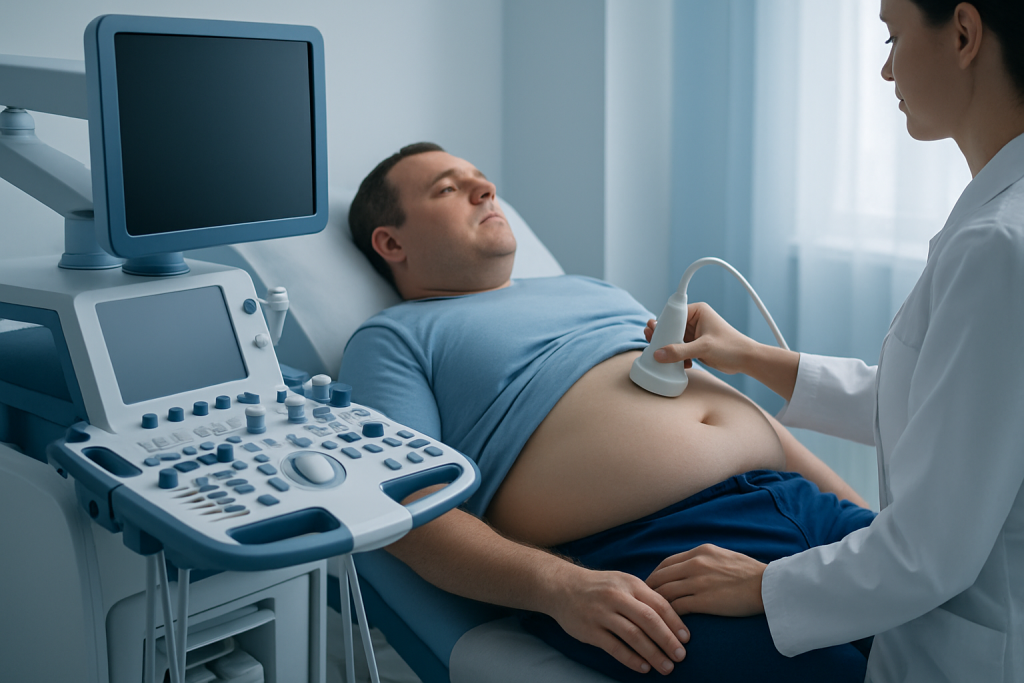
Cortisol does not directly “create” belly fat in every case, but it can influence several processes that make abdominal weight gain more likely. When the body is under ongoing stress, cortisol can affect appetite, cravings for energy-dense foods, blood sugar control, and how fat is stored. It may also reduce sleep quality, and poor sleep itself is strongly linked with weight gain and metabolic changes.
Some people notice that during stressful periods they snack more often, move less, and sleep fewer hours. This combination can increase calorie intake while lowering energy use. Over time, that pattern can contribute to central fat accumulation. In this way, cortisol may act more like part of a chain reaction than a single root cause.
There is also a difference between ordinary stress-related changes and medical cortisol excess. In true hypercortisolism, such as Cushing syndrome, the body is exposed to too much cortisol for a prolonged period. That usually causes a broader set of symptoms, not just abdominal fullness. Distinguishing between these situations is an important part of proper diagnosis.
Symptoms and Signs That May Go Along With It

The most noticeable feature people describe as cortisol belly is increased fat around the waist or upper abdomen. Clothes may feel tighter around the midsection even if total body weight has changed only modestly. Some people also report bloating, fatigue, stronger cravings for sugary foods, or a sense that they gain weight more easily during stressful periods.
Stress-related abdominal weight gain may occur alongside poor sleep, anxiety, low mood, or reduced exercise. However, these symptoms are common and non-specific. They do not prove that cortisol is the cause. A doctor will usually look at the whole picture, including age, medications, eating patterns, sleep quality, blood pressure, and family history.
Signs that suggest a medical hormone problem rather than routine stress can include:
- Rapid or unexplained central weight gain
- Roundness of the face or fat accumulation at the upper back
- Easy bruising or purple stretch marks
- Muscle weakness, especially in the thighs or shoulders
- High blood pressure or high blood sugar
- Irregular periods, reduced fertility, or decreased libido
- Mood changes, acne, or increased facial/body hair in some patients
Because these signs overlap with other conditions, they should be assessed by a qualified clinician rather than self-diagnosed online.
Common Causes and Risk Factors
Several everyday factors can contribute to what people call cortisol belly. Chronic stress is one, but it often works together with other influences. A busy schedule, emotional eating, insufficient sleep, alcohol use, and little resistance exercise can all make abdominal weight gain more likely. Aging also changes body composition, often reducing muscle mass and shifting fat toward the abdomen.
Hormonal transitions are another common factor. During perimenopause and menopause, body fat distribution often changes even without major changes in eating habits. Insulin resistance, prediabetes, and thyroid disorders can also affect weight patterns and energy levels. In some patients, digestive bloating may make the abdomen look larger even when true fat gain is limited.
Medications matter as well. Long-term corticosteroid treatment, such as prednisone or similar drugs, can lead to weight gain and a Cushing-like appearance in some people. Other medicines may increase appetite or promote fluid retention. Less commonly, tumors affecting the pituitary or adrenal glands can cause genuine cortisol excess and require specialist care, sometimes including adrenal surgery or pituitary surgery.
Risk factors that deserve attention include a strong family history of diabetes, high blood pressure, obesity, sleep apnea, and endocrine conditions. These do not confirm a diagnosis, but they can guide a doctor toward the most appropriate testing.
How Doctors Evaluate Cortisol Belly
Evaluation begins with a detailed history and physical examination. The doctor will ask when the abdominal weight gain started, whether it is getting worse, and whether symptoms such as fatigue, weakness, bruising, headaches, menstrual changes, or elevated blood pressure are present. They will also review medications, especially steroid use in pills, injections, creams, or inhalers.
Measurements such as body mass index, waist circumference, and blood pressure may be helpful, but they do not diagnose the cause on their own. Blood tests may be used to look for related issues such as diabetes, cholesterol abnormalities, thyroid disease, or other metabolic concerns. If symptoms suggest cortisol excess, the clinician may order specific endocrine tests to measure how cortisol is behaving over time.
Testing for suspected high cortisol can involve saliva, urine, or blood-based approaches, depending on the person’s symptoms and medical history. Because cortisol normally changes throughout the day, interpretation can be complex. In some cases, imaging is needed if laboratory results suggest a problem in the adrenal or pituitary glands. This workup may involve endocrinology and endocrinology evaluation to reach an accurate diagnosis.
One important point for patients is that self-testing is often misleading. Over-the-counter “adrenal stress” panels and generic internet advice may not reflect real medical standards. A structured evaluation is the safest way to understand whether stress, lifestyle, medication effects, or a hormone disorder is the main issue.
Treatment Options: What Actually Helps
Treatment depends on the cause. If abdominal weight gain is mainly related to stress, poor sleep, low activity, or nutrition patterns, the focus is usually on sustainable lifestyle changes rather than “cortisol detoxes” or quick fixes. There is no evidence-based shortcut that targets belly fat alone, and products marketed specifically for cortisol belly are often oversimplified.
Helpful first steps often include regular physical activity, especially strength training combined with aerobic exercise, a consistent sleep schedule, and eating patterns built around vegetables, fruits, legumes, whole grains, lean proteins, and healthy fats. Reducing highly processed snacks and sugary drinks can support both weight management and blood sugar control. Stress management techniques such as mindfulness, counseling, breathing exercises, or cognitive behavioral strategies may also help if stress is a major contributor.
If a medicine is involved, a doctor may review whether alternatives are possible. Patients should not stop prescribed steroids suddenly without medical supervision. When evaluation shows a hormonal disorder such as Cushing syndrome, treatment may involve targeted medication, monitoring, or surgery depending on the source of excess cortisol. In selected cases, care may include adrenalectomy or pituitary surgery after specialist assessment.
For people with obesity, diabetes, or metabolic syndrome, a broader care plan may be needed. This can include nutrition counseling, medically supervised weight management, and treatment of related conditions such as sleep apnea or high blood pressure. A realistic plan aims to improve overall metabolic health, not only the number on the scale.
Self-Care, Prevention, and Healthy Expectations
Preventing stress-related abdominal weight gain usually means supporting the body’s daily rhythms rather than chasing a single hormone. Regular sleep and wake times, meals that include enough protein and fiber, and routine movement throughout the week can make a meaningful difference. Building muscle through resistance exercise is especially helpful because muscle supports metabolism, physical function, and long-term weight maintenance.
Stress management should be practical and individualized. Some people benefit from structured relaxation practices, while others do better with social support, therapy, time outdoors, or reducing an unrealistic workload. Alcohol moderation and smoking cessation are also important, since both can worsen overall health and indirectly affect body composition.
Patients should be cautious about social media claims that every bloated stomach, stubborn waistline, or difficult week is a sign of “adrenal fatigue” or dangerously high cortisol. These terms are often used loosely and can create unnecessary worry. The healthier approach is to look at patterns over time and seek medical advice if symptoms are persistent, unusual, or affecting quality of life.
Near the end of an evaluation pathway, some patients benefit from multidisciplinary care. Acibadem International’s JCI-accredited hospitals care for international patients with endocrine and metabolic concerns through teams that may include internal medicine, endocrinology, imaging, and surgical specialists when needed.
When to Seek Medical Care
It is reasonable to seek medical advice if abdominal weight gain is new, rapid, or difficult to explain. A checkup is also appropriate if the waistline is increasing together with high blood pressure, rising blood sugar, fatigue, sleep problems, or reduced exercise tolerance. Even when the cause is not serious, a clinician can help identify practical next steps.
More urgent assessment is important if abdominal changes come with severe weakness, easy bruising, purple stretch marks, menstrual changes, headaches with vision symptoms, or signs of uncontrolled diabetes or blood pressure. These features can point to a hormone disorder or another medical problem that should not be ignored.
Patients already taking steroid medication should speak with their doctor if they notice major body-shape changes, swelling, or other side effects. They should not stop steroid treatment on their own. A careful review can clarify whether the medicine is contributing and whether safer alternatives or dose adjustments are possible.
Frequently asked questions
Is cortisol belly a real medical diagnosis?
No. Cortisol belly is an informal term, not a formal diagnosis used in medical guidelines. Doctors usually look beyond the label to find out whether abdominal weight gain is related to stress, lifestyle, medication use, menopause, metabolic disease, or true cortisol excess.
Can stress really cause belly fat?
Stress can contribute, but it is usually not the only factor. Ongoing stress may affect sleep, appetite, food choices, activity levels, and blood sugar regulation, all of which can promote abdominal weight gain over time.
How can someone tell whether it is normal stress or high cortisol from a disease?
Weight gain alone cannot answer that question. A doctor looks for other features such as easy bruising, muscle weakness, high blood pressure, high blood sugar, purple stretch marks, menstrual changes, and medication history, then decides whether formal cortisol testing is needed.
Will lowering cortisol automatically flatten the stomach?
Not necessarily. If abdominal weight gain has several causes, improving one factor may help without producing rapid visible change. Most people benefit from a broader plan that addresses sleep, nutrition, exercise, stress, and any medical conditions together.
Do supplements or detox plans help with cortisol belly?
Many products are marketed for this purpose, but evidence is often limited or poor. It is safer to focus on proven steps such as sleep improvement, stress management, regular exercise, balanced eating, and medical review when symptoms are unusual or persistent.
When should a person be worried about cortisol belly?
Concern is more appropriate when abdominal weight gain is rapid, unexplained, or accompanied by symptoms such as weakness, bruising, high blood pressure, high blood sugar, headaches, or menstrual changes. These signs do not always mean a serious problem, but they do justify professional evaluation.
This article is for general information only and is not a substitute for professional medical advice. Please consult a qualified doctor about your individual situation.
Medical weight-loss options in Turkey — costs & eligibility
JCI-accredited · board-certified surgeons · reply within 24h
Add us as a Preferred Source to see more of our trusted health content across Google Search, AI Overviews and Discover.
Check your numbers in seconds
BMI, calories, due date, blood pressure and 30+ more clinical calculators — free, instant, doctor-reviewed ranges.

More from the Health Library

Crypt Abscess: What Patients Need to Know

Small Bumps on Skin: What Patients Need to Know

Perejil: An Evidence-Based Guide for Patients

Blood Oxygen Level: What Patients Need to Know

Acne Scars Topical: What Patients Need to Know