Cosmetic Dentistry: A Complete Medical Overview

Cosmetic dentistry focuses on improving the appearance of teeth, gums, and smile balance. Some cosmetic treatments also restore strength or function, especially when teeth are worn, broken, or misaligned.
Key Takeaways
- Cosmetic dentistry focuses on improving the appearance of teeth, gums, and smile balance.
- Some cosmetic treatments also restore strength or function, especially when teeth are worn, broken, or misaligned.
- The best treatment plan depends on oral health, bite, gum condition, goals, and expectations.
- Good oral hygiene and regular dental care help cosmetic results last longer.
- Pain, swelling, loose teeth, or bleeding gums should be assessed before cosmetic treatment begins.
Cosmetic dentistry is a group of dental treatments that improve the color, shape, alignment, and overall appearance of the teeth and smile. Depending on the person’s needs, it may also help support comfort, chewing, speech, and long-term oral health when planned carefully by a qualified dentist.
Overview: What cosmetic dentistry includes
Cosmetic dentistry refers to dental care aimed at improving the appearance of the teeth, gums, and smile. It can address concerns such as discoloration, chips, uneven spacing, worn edges, mild misalignment, missing teeth, or restorations that no longer match the natural teeth. In many cases, cosmetic planning also considers oral function, because a smile that looks balanced often works better as well.
This field is broader than teeth whitening alone. It may include professional whitening, bonding, veneers, crowns, orthodontic alignment, gum contouring, and replacement of missing teeth. Some procedures are mainly aesthetic, while others combine appearance and restoration. For example, a crown may improve the look of a damaged tooth while also protecting it from further fracture.
A careful dental evaluation is important because cosmetic concerns can be linked to underlying problems such as tooth decay, enamel wear, gum disease, grinding, or bite imbalance. Treating appearance without addressing these issues may lead to discomfort or shorter-lasting results. A patient-friendly cosmetic plan usually starts with oral health, then moves to design and treatment choices that fit the person’s face, bite, and goals.
Common concerns cosmetic dentistry can address
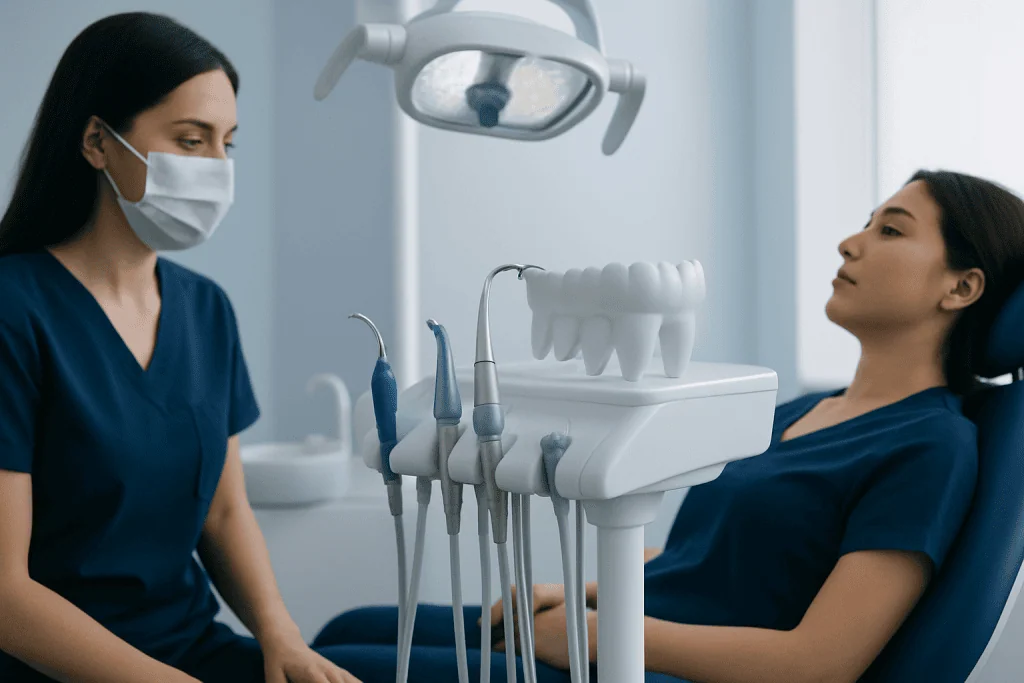
People seek cosmetic dentistry for many reasons. Some want a brighter smile, while others are concerned about damaged or uneven teeth. Cosmetic treatment can help improve both small details and more complex smile concerns, especially when several issues affect confidence or daily comfort.
Common concerns include:
- Stained or yellow teeth
- Chipped, cracked, or worn teeth
- Gaps between teeth
- Mild crowding or uneven alignment
- Teeth that appear too short, small, or irregular in shape
- Old fillings or crowns that do not match neighboring teeth
- A gummy smile or uneven gum line
- Missing teeth affecting smile balance
Not every concern needs a complex solution. A small chip may be improved with bonding, while wider changes in color and shape may be better suited to veneers or crowns. If missing teeth are involved, restoration options such as dental implants may be discussed. The most suitable treatment depends on the condition of the natural teeth, the amount of enamel available, gum health, and the way the upper and lower teeth meet.
Types of cosmetic dentistry treatments

Professional teeth whitening is one of the most common cosmetic procedures. It can lighten external and some internal staining, especially from food, drinks, aging, or smoking. Whitening is usually most effective on natural teeth and may not change the color of crowns, veneers, or fillings, so color matching may need to be considered in advance.
Dental bonding uses tooth-colored resin to repair chips, close small gaps, or improve the shape of a tooth. Veneers are thin custom coverings placed on the front surface of teeth to improve color, shape, size, and symmetry. Crowns cover the entire visible part of a tooth and may be used when a tooth is both cosmetically and structurally compromised. In some cases, patients may also be evaluated for dental crown treatment when a tooth has significant damage or old restorations.
Alignment can also be part of cosmetic planning. Braces or clear aligners may improve spacing, crowding, or bite relationships before other cosmetic work is done. When gum appearance is a concern, reshaping the gum line may be considered. If a tooth cannot be saved, replacement options may include implants or bridges to restore smile continuity and chewing support. Broader restorative planning may overlap with prosthetic dentistry when several teeth need repair or replacement.
Some people ask for a “smile makeover,” which is not a single procedure but a personalized combination of treatments. This can include whitening, orthodontics, veneers, gum contouring, and replacement of damaged or missing teeth. A successful plan balances appearance with comfort, speech, oral hygiene, and long-term durability.
How dentists evaluate candidacy and plan treatment
Before cosmetic treatment begins, a dentist checks the teeth, gums, jaw function, and bite. This evaluation often includes photographs, dental X-rays, and an examination of existing fillings, crowns, enamel wear, and gum support. The goal is to understand both the visible concern and any underlying dental condition that may influence treatment safety or longevity.
Oral health problems should usually be treated first. Active decay, infection, and gum disease can affect the success of cosmetic work and may worsen if left untreated. For example, a person with inflamed gums or untreated periodontal disease may need periodontal care before veneers or whitening are considered. Likewise, sensitivity, tooth fractures, or bite strain should be assessed carefully.
Planning also includes discussion of expectations. Dentists often review tooth shade, shape, smile line, facial proportions, and how much of the teeth show when speaking or smiling. They may explain what is realistic, how long results may last, and whether a conservative approach is possible. In many cases, preserving natural tooth structure is a key part of modern cosmetic dentistry.
Benefits, limitations, and possible risks
Cosmetic dentistry can improve smile appearance, confidence, and in some cases oral function. Restoring chipped, worn, or uneven teeth may make biting feel more comfortable and help distribute pressure more evenly. Replacing missing teeth may also support chewing and reduce shifting of nearby teeth. For many people, the benefits are both aesthetic and practical.
At the same time, every treatment has limits. Whitening may not work evenly on all types of discoloration. Bonding can stain or wear over time. Veneers and crowns may require maintenance or eventual replacement. Orthodontic movement can improve alignment, but retainers are usually needed to help keep the result stable. Some changes are reversible, while others are not.
Possible risks depend on the procedure and the person’s oral condition. They can include temporary tooth sensitivity, gum irritation, bite discomfort, bonding fracture, or the need for future replacement of restorations. People who grind their teeth, clench, or have untreated gum disease may face higher risks of wear or failure. A careful discussion with a dentist helps balance cosmetic goals with tissue preservation and long-term oral health.
Aftercare, maintenance, and prevention
Long-lasting cosmetic results depend heavily on daily oral care. Brushing with fluoride toothpaste, cleaning between the teeth, and attending regular dental checkups help protect both natural teeth and cosmetic restorations. Dentists may also recommend professional cleaning, night guards for grinding, or retainer use after orthodontic treatment.
Diet and habits also matter. Limiting tobacco and reducing frequent exposure to strongly staining foods and drinks may help preserve tooth color. Biting hard objects, using teeth as tools, or chewing ice can damage bonding, veneers, and crowns. If sensitivity occurs after treatment, a dentist can advise on appropriate products and follow-up.
Prevention remains important even after cosmetic improvements. Treating decay early, managing dry mouth, and controlling gum inflammation can extend the life of restorations and improve comfort. If a person notices loosening, chipping, color mismatch, or changes in the bite, early review is better than waiting for the problem to grow. Patients seeking comprehensive dental care may also discuss options such as dental treatment tailored to both function and appearance.
When to seek medical care
Cosmetic concerns alone do not always require urgent attention, but certain symptoms should be assessed before or during cosmetic planning. A person should see a dentist promptly if there is tooth pain, swelling, bleeding gums, pus, persistent bad taste, loose teeth, trauma, or sudden sensitivity. These signs may point to infection, gum disease, fracture, or decay that needs treatment first.
Medical review is also important if chewing feels uneven, the jaw becomes sore, or teeth appear to be wearing down quickly. These issues may be related to bite imbalance or grinding and can affect the success of cosmetic restorations. If a tooth is missing or cannot be saved, clinicians may discuss replacement options and evaluate whether nearby tissues are healthy enough for reconstruction.
For people considering cosmetic dentistry, a consultation is especially helpful when multiple treatments may be involved or when there is a history of complex dental work. Acibadem International’s multidisciplinary specialists and JCI-accredited hospitals evaluate and treat dental conditions for international patients, including coordinated restorative and aesthetic care when appropriate.
Frequently asked questions
What is cosmetic dentistry?
Cosmetic dentistry is dental care focused on improving the appearance of the teeth, gums, and smile. Depending on the treatment, it may also help support function, comfort, and restoration of damaged teeth.
Is cosmetic dentistry only for appearance?
Not always. Some cosmetic procedures are mainly aesthetic, but others also strengthen teeth, improve bite balance, or replace missing teeth. A dentist will usually consider both appearance and oral health when recommending treatment.
How long do cosmetic dentistry results last?
Results vary by treatment type, oral hygiene, diet, grinding habits, and regular follow-up care. Whitening may need maintenance sooner, while crowns, veneers, and implants may last much longer with good care and regular dental review.
Does cosmetic dentistry hurt?
Many cosmetic procedures involve little or manageable discomfort, and dentists use methods to keep treatment as comfortable as possible. Some people may notice temporary sensitivity or mild soreness afterward, depending on the procedure.
Who is a good candidate for cosmetic dentistry?
A good candidate is someone with realistic goals and stable oral health, or someone willing to treat underlying dental issues first. Healthy gums, controlled decay risk, and a properly assessed bite all help improve treatment success.
Can cosmetic dentistry fix crooked teeth?
It can help in different ways depending on the degree of misalignment. Mild cases may be improved with bonding or veneers, while more significant alignment issues are often better treated with orthodontic options such as braces or clear aligners.
References
- American Dental Association
- National Institute of Dental and Craniofacial Research
- Mayo Clinic
- Cleveland Clinic
- FDI World Dental Federation
This article is for general information only and is not a substitute for professional medical advice. Please consult a qualified doctor about your individual situation.
Cosmetic Dentistry in Turkey — costs, top hospitals & a free quote
JCI-accredited · board-certified surgeons · reply within 24h
Add us as a Preferred Source to see more of our trusted health content across Google Search, AI Overviews and Discover.

Dental & Oral Health
Full-scope dental care from implants and aesthetics to oral and maxillofacial surgery.
151 specialists in this unit