Costello Syndrome: Early Signs, Risk Factors, and How It Is Treated

Costello syndrome is a rare genetic condition caused by HRAS changes that can affect growth, development, the heart, skin, and cancer risk.
Key Takeaways
- Costello syndrome is caused by a change in the HRAS gene and usually occurs for the first time in a child rather than being inherited from a parent.
- Early feeding difficulties, poor growth after birth, low muscle tone, developmental delay, distinctive facial features, and heart conditions are common features.
- People with Costello syndrome need regular follow-up because certain heart rhythm problems and childhood cancers occur more often than in the general population.
- Treatment is individualized and may include nutritional support, developmental therapies, cardiac care, orthopedic management, and cancer surveillance.
- Genetic counseling can help families understand the diagnosis, recurrence risk, and testing options.
Costello syndrome is a rare genetic condition that begins before birth or in early childhood and may affect feeding, growth, learning, the heart, skin, joints, and cancer risk. There is no cure that corrects the underlying gene change, but coordinated medical monitoring and supportive treatment can help address each person’s needs over time.
Overview: what is Costello syndrome?
Costello syndrome is a rare genetic condition that can affect many body systems, including growth, development, the heart, skin, muscles, joints, and digestive system. It is part of a group of conditions called RASopathies, which result from changes in genes involved in the RAS/MAPK cell-signaling pathway. The condition is present from birth, although its signs may become clearer as a child grows.
Costello syndrome is caused by a disease-causing change, also called a variant, in the HRAS gene. This gene helps regulate how cells grow, divide, and communicate. A change in HRAS can lead to characteristic physical features and medical concerns, but the way the condition affects individuals varies widely. Some children have significant feeding or heart problems early in life, while others have milder health needs.
There is currently no treatment that removes the underlying genetic change. Care focuses on identifying health concerns early, supporting development and daily function, and providing regular screening tailored to the person’s age and clinical history. Many families benefit from care coordinated by a pediatrician or clinical geneticist together with heart, nutrition, developmental, and other specialists.
Early signs and symptoms
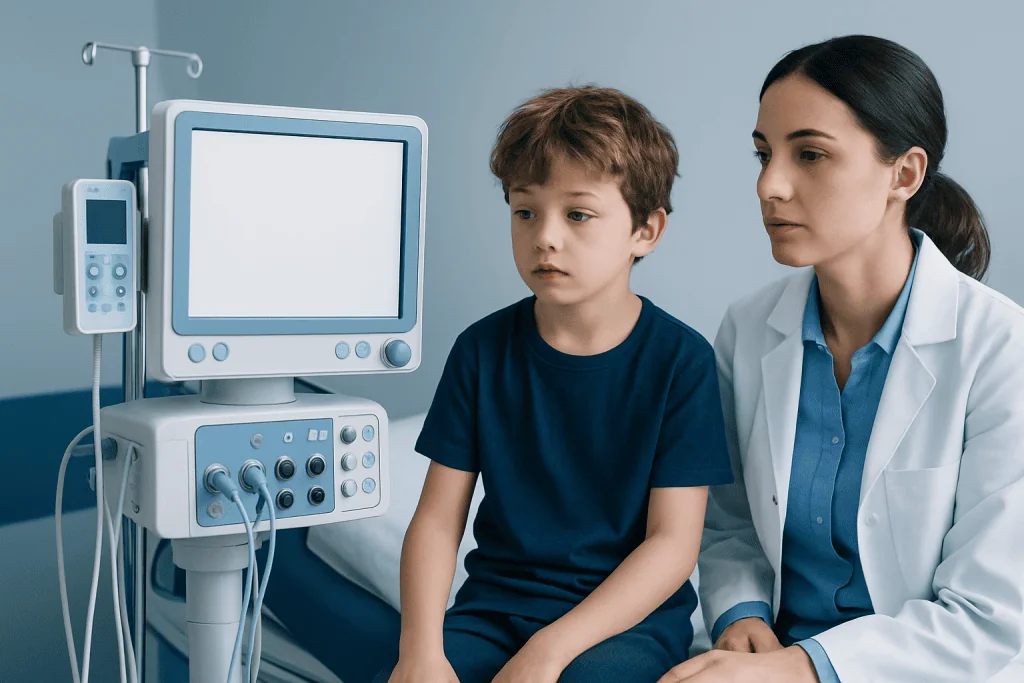
Before birth, ultrasound findings may sometimes suggest a concern, although they are not specific to Costello syndrome. These findings can include excess amniotic fluid, increased fetal growth, swelling, or heart-related changes. After birth, babies often have severe feeding difficulties, such as weak sucking, frequent vomiting or reflux, trouble swallowing, and difficulty gaining weight. Some infants need temporary tube feeding or specialist nutritional support.
Growth may follow a distinctive pattern. Babies may be relatively large at birth, then experience poor weight gain and slower growth during infancy and childhood. Low muscle tone, known as hypotonia, and loose joints can contribute to delayed motor milestones, including sitting, walking, and coordination. Speech and learning development may also be delayed, though abilities and support needs differ from one person to another.
Physical features may include a larger head size relative to the body, a broad forehead, full lips, a wide mouth, a short nose with a broad tip, and low-set or unusually shaped ears. The skin can appear soft or loose, especially on the hands and feet, and may develop deeper creases. Some children develop small wart-like growths called papillomas, often around the nose, mouth, or anus, usually later in childhood.
Other possible features include curly or sparse hair, dental crowding, vision concerns, hearing differences, sleep difficulties, constipation, and orthopedic issues such as tight heel cords, scoliosis, or hip problems. Not every person will have all of these signs. A healthcare professional considers the overall pattern rather than relying on any one feature.
Causes, inheritance, and risk factors

Costello syndrome results from a change in one copy of the HRAS gene. It follows an autosomal dominant inheritance pattern, meaning that a person with the condition has a 50% chance of passing the gene change to each child. However, nearly all affected children have a new, or de novo, gene change that was not inherited from either parent.
For this reason, parents usually have not done anything to cause Costello syndrome, and there are no known lifestyle, dietary, environmental, or pregnancy-related actions that prevent it. The condition occurs in people of all backgrounds. When a child is diagnosed, testing of the parents may be recommended to clarify whether the variant is new in the child or inherited.
If neither parent carries the child’s HRAS variant in blood testing, the chance of Costello syndrome occurring again in a future pregnancy is generally low, although it is not considered zero because of the uncommon possibility of germline mosaicism. A genetic counselor can explain this in clear, family-specific terms and discuss reproductive testing options when appropriate.
Heart health and other medical concerns
Heart involvement is one of the most important aspects of Costello syndrome. Some babies have congenital heart differences, while others develop thickening of the heart muscle, called <a href="https://acibademinternational.com/diseases/hypertrophic-cardiomyopathy/”>hypertrophic cardiomyopathy. Heart rhythm disturbances can also occur, including rapid rhythms that may begin in infancy or childhood. Regular assessment by a pediatric cardiologist is important even when a child appears well.
Symptoms that may warrant prompt cardiac evaluation include episodes of unusual sleepiness, pale or bluish color, fainting, chest discomfort, breathing difficulty, poor feeding, or a racing heartbeat. These symptoms can have different causes, but they should not be ignored in a child known or suspected to have Costello syndrome. Cardiac testing may include an electrocardiogram, echocardiogram, and rhythm monitoring.
People with Costello syndrome also have a higher-than-average risk of certain tumors. The tumors most often discussed in childhood include rhabdomyosarcoma and neuroblastoma; bladder cancer has been reported more often in older children and adults. This does not mean that cancer will develop, but it is the reason specialists may recommend age-appropriate surveillance based on current expert guidance and the individual’s history.
Neurologic and musculoskeletal concerns can be relevant as well. Some people develop tight tendons, spine curvature, hand or foot differences, or reduced endurance. Brain imaging may be considered when there are specific symptoms or examination findings, such as headaches, changes in balance, weakness, seizures, or an unusually rapid increase in head size.
How Costello syndrome is diagnosed
Diagnosis often begins when a clinician recognizes a combination of feeding problems, developmental differences, characteristic appearance, skin changes, and heart findings. Because these features can overlap with other RASopathies and genetic conditions, clinical assessment alone is not enough to confirm the diagnosis. A referral to a clinical geneticist or genetics service is usually appropriate.
Genetic testing can identify a disease-causing variant in the HRAS gene and confirm Costello syndrome. Testing may be performed using a targeted test when the condition is strongly suspected, a panel that examines several RASopathy-related genes, or broader sequencing when the diagnosis is uncertain. The genetics team interprets the result alongside the person’s medical history and physical findings.
After diagnosis, the initial evaluation commonly includes a heart assessment, growth and feeding review, developmental assessment, hearing and vision checks, and examination of the bones, joints, skin, and nervous system. The healthcare team may also establish a cancer surveillance plan. This baseline assessment helps create a practical follow-up schedule rather than assuming every possible complication will occur.
Treatment options and lifelong support
Treatment for Costello syndrome is individualized and focuses on current symptoms, preventing complications where possible, and supporting participation in everyday life. In infancy, feeding and growth are often central concerns. A pediatric gastroenterologist, dietitian, feeding therapist, or speech and language therapist may help with swallowing safety, reflux management, nutrition planning, and decisions about temporary or longer-term feeding support.
Early intervention services can be particularly valuable. Physical therapy may support muscle strength, balance, mobility, and joint range of motion, while occupational therapy can help with fine-motor skills and daily activities. Speech and language therapy may address communication, feeding skills, and social interaction. Educational plans should be based on the child’s individual learning profile and reviewed as needs change.
Heart treatment depends on the specific finding. It may involve regular observation, medication for a rhythm disturbance or cardiomyopathy, or care from an electrophysiology or cardiac surgery team when indicated. Orthopedic treatment may include stretching programs, braces, physical therapy, or surgery for selected problems. Dermatologic, dental, hearing, vision, sleep, and gastrointestinal concerns can also be managed with specialist input.
Long-term care works best when families have a clear written plan identifying which specialists are involved, what symptoms need urgent attention, and when screening tests are due. Acibadem International’s multidisciplinary specialists and JCI-accredited hospitals can support diagnosis and individualized care planning for international patients with complex genetic conditions.
Daily care, prevention, and family support
Because Costello syndrome is genetic, it cannot be prevented through lifestyle changes. However, regular follow-up can reduce the chance that feeding problems, cardiac changes, developmental needs, or other concerns go unnoticed. Families can keep a record of growth, medications, symptoms, cardiac appointments, therapy goals, and test results, which can be especially helpful when several specialists are involved.
At home, care often centers on nutrition, safe activity, sleep, communication, and routine. Families should follow individualized advice from the child’s clinicians about feeding textures, swallowing precautions, physical activity, and any heart-related restrictions. Gentle movement and therapy-guided exercises may help maintain mobility, but strenuous activity should not be started or limited without discussing it with the cardiac team.
Emotional and practical support matters as well. Parent groups, rare-disease organizations, school support services, and genetic counseling may help families access information and share experiences. As children approach adolescence and adulthood, planning should gradually include independence, education, work goals, adult specialist care, and reproductive counseling when relevant.
When to seek medical care
Parents or caregivers should contact the child’s healthcare team promptly for worsening feeding, repeated vomiting, signs of dehydration, poor weight gain, new breathing difficulties, unusual tiredness, fainting, a fast or irregular heartbeat, or a noticeable reduction in usual activity. These symptoms do not always indicate a serious problem, but they need assessment, particularly when heart disease is present or suspected.
Urgent medical care is appropriate for severe breathing difficulty, blue or gray lips or skin, loss of consciousness, a seizure, sudden weakness, or signs of severe dehydration. New persistent pain, a growing lump, blood in the urine, unexplained bruising, or a sustained change in behavior should also be discussed with a doctor because people with Costello syndrome may need individualized tumor surveillance.
Even without new symptoms, regular planned appointments are important. A clinical geneticist, pediatrician or primary care clinician, cardiologist, and other specialists can adjust monitoring and treatment as the person grows. Families should ask their care team which symptoms are most relevant to their child and when to use emergency services.
Frequently asked questions
Is Costello syndrome life-threatening?
Costello syndrome can involve serious health concerns, especially heart rhythm disorders, hypertrophic cardiomyopathy, severe feeding difficulties, and an increased risk of certain tumors. However, outlook varies considerably, and careful monitoring plus timely treatment can help manage many complications. The person’s cardiac findings and overall medical needs are important factors in individual prognosis.
What age is Costello syndrome diagnosed?
Some signs may be noticed during pregnancy or soon after birth, particularly feeding difficulties, poor growth, low muscle tone, and heart findings. In other children, the diagnosis is made later when developmental features, skin changes, facial characteristics, and medical history are considered together. Genetic testing confirms the diagnosis.
Can Costello syndrome be inherited?
Yes, Costello syndrome is autosomal dominant, so an affected person can pass the HRAS gene variant to a child. In most diagnosed children, though, the variant is new and neither parent has the condition. Genetic counseling can provide personalized information about family planning and recurrence risk.
Does everyone with Costello syndrome develop cancer?
No. Costello syndrome increases the risk of certain tumors, but cancer does not occur in every person with the condition. Clinicians may recommend surveillance based on age, symptoms, and current expert recommendations so that concerning changes can be assessed early.
What specialists care for a child with Costello syndrome?
Care commonly involves a clinical geneticist, pediatrician, cardiologist, dietitian, feeding specialist, developmental therapists, and dental, orthopedic, eye, hearing, or skin specialists as needed. The exact team depends on the child’s symptoms. A coordinated approach helps families avoid fragmented care and keep screening up to date.
Is there a cure for Costello syndrome?
There is no cure that reverses the HRAS gene change at present. Treatment addresses specific concerns, such as feeding problems, developmental delays, heart conditions, joint issues, and sleep or gastrointestinal symptoms. Ongoing follow-up allows the care plan to change as needs evolve.
This article is for general information only and is not a substitute for professional medical advice. Please consult a qualified doctor about your individual situation.
Joint and spine care in Turkey — expert assessment & treatment
JCI-accredited · board-certified surgeons · reply within 24h
Add us as a Preferred Source to see more of our trusted health content across Google Search, AI Overviews and Discover.

Otorhinolaryngology Specialists at Acibadem
Dr. Hakkı Süha Özçelik
Otorhinolaryngology
Prof. Dr. Haluk Özkarakaş
Otorhinolaryngology
Dr. Hande Kaytancı
Otorhinolaryngology
Assoc. Prof. Dr. Hande Senem Deveci
Otorhinolaryngology
Prof. Dr. Hasan M. Tanyeri
OtorhinolaryngologyMore from the Health Library

Lucentis Injection: How It Works, Results and What to Expect

Maintenance Chemo: How It Works, Results and What to Expect

Understanding Psychodynamic Therapy: A Complete Patient Guide

Pseudoarthrosis: Diagnosis, Outlook, and Modern Treatment Approaches

Oral Cancer Surgery: Procedure, Recovery and Results