Coughing After Heart Bypass Surgery: Why It Happens and When to Call

A mild cough is common after heart bypass surgery because of the breathing tube, anesthesia, reduced movement, and mucus buildup in the lungs. Coughing can feel uncomfortable when the breastbone is healing, but supporting the chest with a pillow usually makes it safer and easier.
Key Takeaways
- A mild cough is common after heart bypass surgery because of the breathing tube, anesthesia, reduced movement, and mucus buildup in the lungs.
- Coughing can feel uncomfortable when the breastbone is healing, but supporting the chest with a pillow usually makes it safer and easier.
- Breathing exercises, early walking, good hydration, and using an incentive spirometer as instructed help reduce lung complications.
- Patients should call their care team if cough is worsening, produces yellow or green phlegm, occurs with fever, or causes increasing breathlessness.
- Urgent medical help is needed for severe shortness of breath, chest pressure, blue lips, coughing blood, fainting, or sudden swelling in one leg.
Coughing after heart bypass surgery is often a normal part of recovery, especially in the first days and weeks as the lungs clear mucus and recover from anesthesia. It should still be watched carefully, because fever, worsening shortness of breath, thick sputum, or new chest pain may signal a complication that needs medical review.
Overview
Coughing after heart bypass surgery can be surprising for patients and families, especially because the chest is tender and the breastbone is healing. In many cases, a mild to moderate cough is expected after heart bypass surgery, also called coronary artery bypass grafting or CABG. The cough is often part of the body clearing mucus from the airways after anesthesia, a breathing tube, and several hours of limited movement.
Even though coughing may feel uncomfortable, it has an important purpose. It helps move secretions out of the lungs, supports deeper breathing, and can lower the risk of lung collapse or infection when it is done correctly. Nurses and physiotherapists often teach patients how to cough safely by hugging a pillow or folded blanket against the chest.
Most recovery-related cough improves gradually as breathing becomes easier, mobility increases, and the lungs clear. However, not every cough is harmless. A cough that worsens, comes with fever, produces thick colored mucus, or is linked with shortness of breath should be discussed with the surgical or cardiology team.
Why Coughing Happens After Heart Bypass Surgery
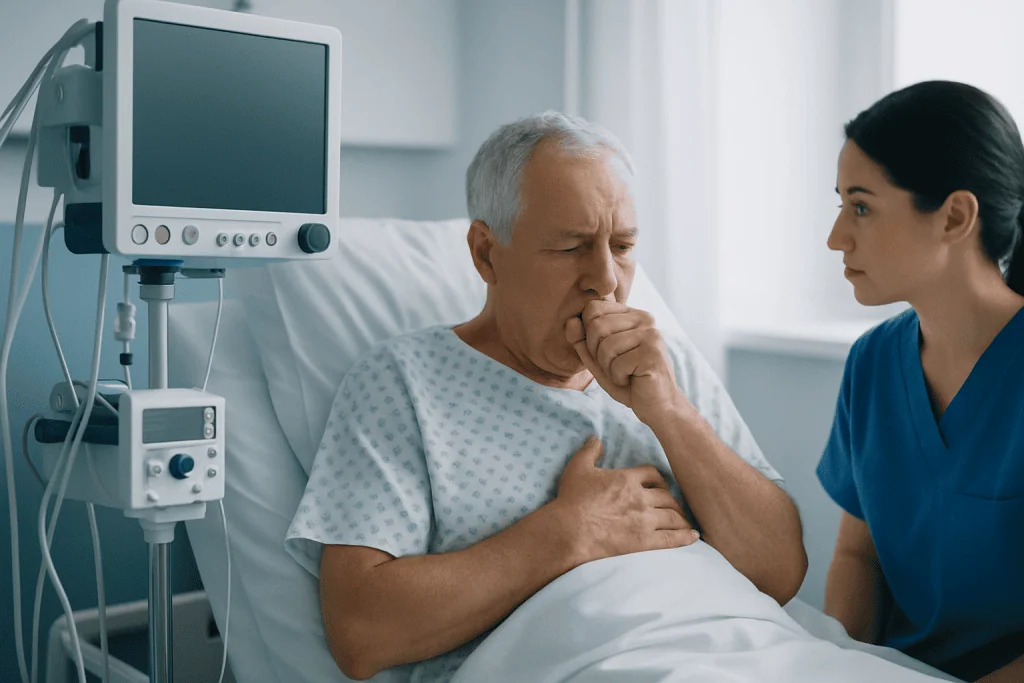
Several normal recovery factors can cause coughing after bypass surgery. During the operation, a breathing tube is placed through the mouth into the windpipe to support breathing under general anesthesia. After it is removed, the throat and airway may feel dry, scratchy, or irritated for a few days, which can trigger a tickle or dry cough.
Anesthesia and bed rest can also slow normal lung expansion. When a person takes shallow breaths because of pain or fatigue, mucus can collect in the smaller airways. The body responds by coughing to move the mucus upward. This is why deep-breathing exercises and an incentive spirometer are commonly prescribed after surgery.
Other common contributors include mild fluid shifts after surgery, postnasal drip, dry hospital air, and certain medicines. Some blood pressure medicines, particularly ACE inhibitors, can cause a persistent dry cough in some people. Patients should not stop any medicine on their own, but they should tell their doctor if a new cough begins after a medication change.
What Is Normal and What May Not Be Normal

A recovery cough is often mild, intermittent, and gradually improving. It may be dry at first or may bring up small amounts of clear or whitish mucus. It can be more noticeable when changing position, walking, taking deep breaths, or using an incentive spirometer. Some soreness around the breastbone or incision during coughing is also common.
Coughing should not cause the chest incision to open when the sternum has been closed properly, but it can create a pulling sensation. Patients are usually advised to support the chest before coughing, sneezing, laughing, or standing from a chair. This support reduces discomfort and helps protect the healing breastbone.
Signs that a cough may need medical attention include:
- Fever, chills, or feeling increasingly unwell
- Yellow, green, foul-smelling, or bloody sputum
- Shortness of breath that is new, worsening, or present at rest
- Chest pressure, tightness, or pain that is different from incision soreness
- Wheezing, rapid breathing, dizziness, or blue lips
- Swelling, redness, or drainage from the chest incision
Possible Causes That Need Medical Review
Although many coughs after CABG are part of healing, doctors also watch for problems that can develop after major surgery. One possibility is atelectasis, which means small areas of the lung are not fully expanded. It can cause a low-grade fever, shallow breathing, and cough, and it often improves with deep breathing, walking, and respiratory therapy when addressed early.
Pneumonia is another concern, especially if cough is accompanied by fever, thick sputum, worsening fatigue, or shortness of breath. Fluid around the lungs, called pleural effusion, may also occur after cardiac surgery and can make breathing feel more difficult. The care team may use a chest X-ray, blood tests, oxygen measurement, or ultrasound to evaluate these symptoms.
Less commonly, cough and breathlessness may relate to heart rhythm problems, heart failure, medication effects, or a blood clot that travels to the lung. These conditions are not assumed from cough alone, but they are reasons to contact a doctor promptly when symptoms are unusual or worsening. Patients recovering from coronary artery bypass surgery should follow their discharge instructions and call the provided emergency number when advised.
How Doctors Evaluate a Cough After Bypass Surgery
When a patient reports coughing after bypass surgery, the medical team first asks about timing, severity, mucus, fever, breathing, pain, and medication changes. They may also ask whether the cough is improving, whether it wakes the patient at night, and whether there are symptoms such as swelling in the legs, palpitations, or weight gain from fluid retention.
A physical examination usually includes listening to the lungs and heart, checking oxygen levels, measuring temperature, and inspecting the incision. Depending on the findings, the doctor may request a chest X-ray, electrocardiogram, blood tests, sputum testing, or an echocardiogram. These tests help distinguish a normal postoperative cough from infection, fluid buildup, or cardiac causes.
Patients should bring an updated medication list to follow-up visits, including blood pressure medicines, diuretics, blood thinners, pain medicines, inhalers, and over-the-counter products. This is important because some cough treatments may not be suitable after heart surgery, especially products that affect blood pressure, heart rhythm, bleeding risk, or sedation.
Treatment, Comfort Measures, and Safe Coughing
Treatment depends on the cause. A simple postoperative cough may need only breathing exercises, walking, pain control, hydration, and time. If there is infection, fluid around the lungs, asthma-like airway irritation, or a medication-related cough, the doctor will choose a treatment plan based on the patient’s overall heart condition and surgical recovery.
Safe coughing technique is important. The patient can sit upright, take a slow deep breath, hold a pillow firmly over the breastbone, and cough from the chest rather than clearing the throat repeatedly. Short, controlled coughs are often more comfortable than forceful coughing. Pain should be controlled enough to allow deep breathing and movement, but medicines should be taken only as prescribed.
Common supportive steps include using the incentive spirometer as taught, walking several times a day if permitted, drinking fluids if not restricted, avoiding smoke and strong odors, and resting between activities. Participation in cardiac rehabilitation may also help patients rebuild stamina safely while improving breathing, confidence, and heart-healthy habits during recovery.
Prevention and Self-Care During Recovery
Preventing troublesome coughing after bypass surgery is mainly about keeping the lungs open and reducing irritation. Patients are usually encouraged to sit up, change position, take deep breaths, and walk with assistance soon after surgery. These steps help clear secretions and reduce the risk of postoperative lung complications.
Home care should follow the discharge plan exactly. Patients should avoid smoking and secondhand smoke, keep follow-up appointments, take medicines as prescribed, and follow sternal precautions for lifting, pushing, pulling, and driving. If a cough is triggered by reflux or postnasal drip, raising the head during rest and discussing safe treatments with a clinician may help.
Good hand hygiene and avoiding close contact with people who have respiratory infections are also helpful while the body is healing. Vaccinations, such as influenza or pneumococcal vaccines, may be recommended for some patients depending on age, medical history, and local guidance, but timing after surgery should be discussed with the doctor.
When to Call a Doctor
Patients should call their cardiac surgery team or cardiologist if the cough is worsening rather than improving, lasts longer than expected, produces yellow or green mucus, or occurs with fever, chills, wheezing, or increasing tiredness. They should also seek advice if coughing causes severe pain, if pain medicine is not allowing deep breathing, or if there is new drainage, redness, or swelling at the incision.
Urgent medical care is needed for severe shortness of breath, chest pressure, fainting, confusion, blue lips, coughing blood, sudden rapid heartbeat, or sudden swelling and pain in one leg. These symptoms can have several causes, and prompt assessment helps the team choose the safest treatment.
International patients who have had or are planning coronary bypass surgery may need coordinated follow-up between their surgeon, cardiologist, and local doctor. Acibadem International’s multidisciplinary specialists and JCI-accredited hospitals diagnose and treat heart conditions, including bypass surgery recovery concerns, for international patients in a coordinated care setting.
Frequently asked questions
Is coughing normal after heart bypass surgery?
Yes, coughing is common after heart bypass surgery, especially in the first days and weeks. It often happens because the airway was irritated by the breathing tube or because the lungs are clearing mucus after anesthesia. A cough should gradually improve and should not be accompanied by worsening shortness of breath, fever, or thick colored sputum.
Can coughing damage the breastbone after bypass surgery?
Normal coughing is not expected to damage a properly repaired breastbone, but it can feel painful while the sternum and muscles heal. Patients are usually taught to support the chest with a pillow when coughing, sneezing, or laughing. If there is a popping sensation, increasing instability, or incision drainage, the surgical team should be contacted.
How long does a cough last after CABG?
A mild cough may improve within days to a few weeks, depending on the patient’s lungs, activity level, medications, and any pre-existing respiratory conditions. Some people cough longer if they have postnasal drip, reflux, smoking-related irritation, or a medication side effect. A persistent or worsening cough should be reviewed by a doctor.
What color phlegm is concerning after heart surgery?
Small amounts of clear or whitish mucus can occur during normal recovery. Yellow, green, foul-smelling, or bloody phlegm may suggest infection or another problem and should be reported to the care team. Color alone does not make a diagnosis, but it helps doctors decide whether tests are needed.
Should a patient use cough medicine after bypass surgery?
Patients should ask their doctor before using cough medicine after bypass surgery. Some over-the-counter products can affect blood pressure, heart rhythm, sleepiness, or interactions with prescribed medicines. If the cough is helping clear mucus, suppressing it may not be the best approach unless a clinician recommends it.
What helps make coughing less painful after surgery?
Sitting upright, supporting the chest with a pillow, taking prescribed pain medicine as directed, and coughing in short controlled bursts can reduce discomfort. Deep breathing and walking as instructed help loosen mucus so coughing may become easier. Severe or increasing pain should be discussed with the healthcare team.
When is coughing after bypass surgery an emergency?
Emergency care is needed if coughing occurs with severe shortness of breath, chest pressure, fainting, blue lips, confusion, coughing blood, or sudden one-sided leg swelling. These symptoms can indicate serious heart, lung, or circulation problems. It is safer to seek urgent evaluation rather than wait for symptoms to pass.
References
- American Heart Association
- Society of Thoracic Surgeons
- European Society of Cardiology
- National Heart, Lung, and Blood Institute
- Mayo Clinic
This article is for general information only and is not a substitute for professional medical advice. Please consult a qualified doctor about your individual situation.
Heart Bypass Surgery in Turkey — costs, top hospitals & a free quote
JCI-accredited · board-certified surgeons · reply within 24h
Check your numbers in seconds
BMI, calories, due date, blood pressure and 30+ more clinical calculators — free, instant, doctor-reviewed ranges.