

COVID Symptoms 2025: Common Causes, Related Conditions, and When to See a Doctor
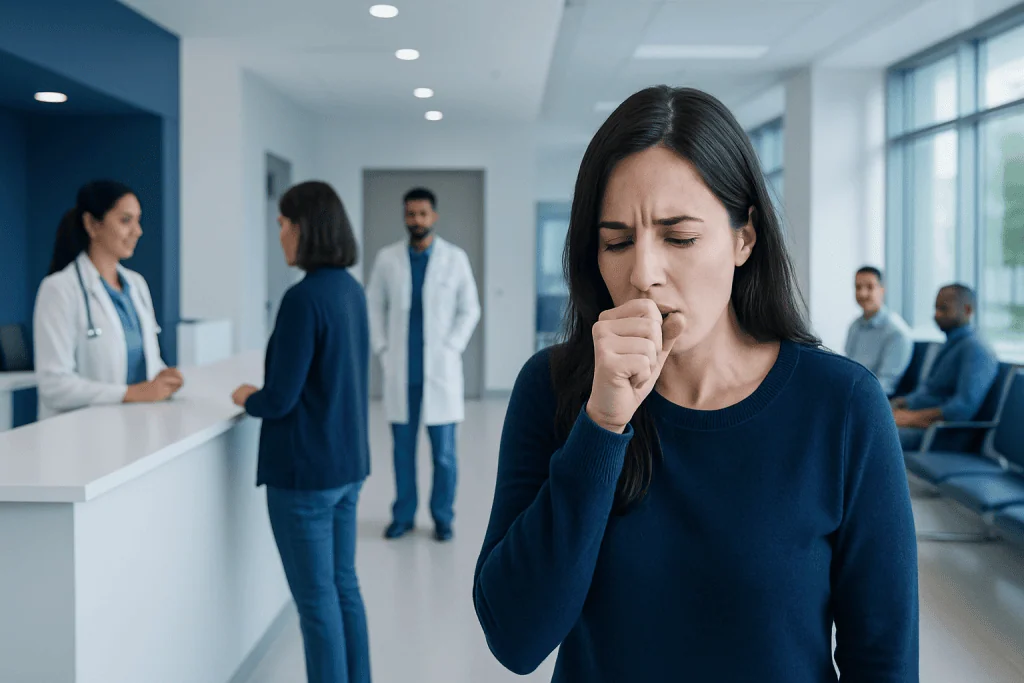
COVID symptoms 2025 often include sore throat, cough, fever, fatigue, congestion, headache, and muscle aches. Symptoms can range from mild to more serious, and some people have gastrointestinal symptoms or loss of smell and taste.
Key Takeaways
- COVID symptoms 2025 often include sore throat, cough, fever, fatigue, congestion, headache, and muscle aches.
- Symptoms can range from mild to more serious, and some people have gastrointestinal symptoms or loss of smell and taste.
- COVID-19 can look similar to flu, RSV, common colds, allergies, and sinus infections, so testing may be helpful.
- Older adults, pregnant people, and those with chronic health conditions have a higher risk of complications.
- Medical care is important urgently for breathing trouble, chest pain, confusion, dehydration, or worsening symptoms.
- Treatment depends on symptom severity, risk factors, and timing; rest, fluids, and medical advice are key.
COVID symptoms 2025 most often resemble a viral upper respiratory illness, with sore throat, cough, fever, fatigue, congestion, headache, and body aches among the most common complaints. Because symptoms overlap with flu, RSV, allergies, and other infections, testing and a clinician’s judgment remain the best way to confirm the cause and decide whether treatment is needed.
Overview: What COVID Symptoms 2025 Usually Look Like
COVID symptoms 2025 most commonly include sore throat, cough, fever, tiredness, nasal congestion, headache, and body aches. Many people have a mild illness that feels similar to a cold or the flu, while others develop more significant breathing symptoms, marked fatigue, or complications that need medical attention. The exact symptom pattern can vary from person to person, and some people may have very few symptoms at all.
One reason this topic can feel confusing is that COVID-19 symptoms continue to overlap with many other conditions. Seasonal flu, RSV, common colds, allergies, and sinus infections can all cause coughing, congestion, fatigue, and fever. Because of this overlap, symptom lists alone cannot reliably confirm COVID-19; a test and an individual medical assessment are often needed.
Current variants have tended to cause upper respiratory symptoms in many patients, but COVID-19 can still affect the lungs, heart, nervous system, and other organs in some cases. A person’s age, immune status, vaccination history, and underlying health conditions can influence how severe symptoms become. People with chronic respiratory disease, heart disease, diabetes, cancer, or weakened immunity may need earlier medical guidance.
Although most people recover with supportive care, it is still important to pay attention to warning signs. Worsening shortness of breath, chest discomfort, confusion, inability to keep fluids down, or low oxygen levels should not be ignored. COVID-19 also remains linked with post-viral symptoms in some patients, including prolonged fatigue and brain fog after the initial infection has improved.
Common Symptoms and How They May Change

The most frequently reported COVID symptoms remain familiar: sore throat, cough, runny or blocked nose, fever, chills, tiredness, body aches, and headache. Some people also notice hoarseness, sinus pressure, reduced appetite, nausea, diarrhea, or a general feeling of being unwell. In others, symptoms stay very mild and may be mistaken for allergies or an ordinary cold.
Loss of smell or taste can still occur, but it is not always present and may be less prominent than earlier in the pandemic. A dry cough is common, but some people produce mucus, especially if they have irritation in the upper airways or a related infection. Fever may be brief or absent, so a lack of fever does not rule out COVID-19.
Symptoms often begin within a few days after exposure and may gradually build rather than appear all at once. Early complaints frequently include throat discomfort, fatigue, and congestion, followed by cough or fever. In a smaller number of cases, symptoms progress to shortness of breath, wheezing, chest tightness, or worsening weakness, especially in higher-risk patients.
- Common: sore throat, cough, congestion, headache, fatigue, body aches, fever
- Sometimes seen: nausea, diarrhea, reduced smell or taste, hoarseness
- More concerning: shortness of breath, chest pain, confusion, severe dehydration
Related Conditions That Can Resemble COVID-19

A major practical question is not only what COVID symptoms 2025 are, but what else they could be. Influenza can cause fever, body aches, fatigue, headache, and cough very suddenly. RSV may lead to congestion, cough, and wheezing, especially in infants, older adults, and people with chronic disease. Common cold viruses often produce sore throat, sneezing, and nasal symptoms that feel very similar to mild COVID-19.
Allergies are another common source of confusion. They can cause congestion, runny nose, sneezing, itchy eyes, and throat irritation, but they do not usually cause fever or body aches. Bacterial sinusitis may be more likely if facial pressure, thick nasal discharge, or symptoms that worsen after initially improving are present. In some patients, COVID-19 may also trigger or worsen other respiratory illnesses, including bronchitis or pneumonia.
For people with chronic airway disease, a viral infection may aggravate asthma or chronic lung conditions. This can make it harder to tell whether symptoms come from COVID-19 itself or from a flare of an underlying problem. In those situations, clinicians often consider symptoms, exposure history, oxygen levels, exam findings, and laboratory or imaging results together.
Because several illnesses can circulate at the same time, it is possible to have COVID-19 and another infection together. That is one reason clinicians may recommend testing for multiple respiratory viruses in selected patients. Distinguishing among these conditions matters because follow-up, isolation advice, and treatment options can differ.
Causes, Spread, and Risk Factors for More Severe Illness
COVID-19 is caused by infection with the SARS-CoV-2 virus. It spreads mainly through respiratory droplets and smaller airborne particles released when an infected person breathes, talks, coughs, or sneezes. Risk is generally higher in crowded indoor settings, poorly ventilated spaces, and during close contact with someone who is contagious.
Not everyone who becomes infected develops the same symptom pattern. Previous immunity from vaccination or prior infection may reduce the risk of severe disease, but it does not always prevent infection or symptoms. Individual immune responses, age, pregnancy, and medical history all help shape how the illness appears.
People at higher risk of complications include older adults, pregnant individuals, and those with chronic lung disease, heart disease, kidney disease, diabetes, obesity, cancer, or weakened immunity. Neurologic conditions and certain disabilities may also increase risk, especially if swallowing, mobility, or breathing are affected. These groups may benefit from early medical review if symptoms start.
Smoking and poor baseline lung health can make respiratory symptoms harder to tolerate. Someone with asthma, for example, may notice increased wheeze or chest tightness during a viral illness and may need careful management of their underlying condition. If breathing symptoms are prominent, doctors may assess whether additional evaluation such as chest diseases evaluation or pulmonary function testing is appropriate based on the clinical picture.
How COVID-19 Is Diagnosed
Doctors diagnose COVID-19 by combining symptoms, exposure history, and testing. A rapid antigen test can be useful, especially early in illness, but a negative result does not always exclude infection. In some cases, repeat testing or a molecular test may be advised if suspicion remains high.
A clinical evaluation is especially important for people at higher risk of severe disease or those with worsening symptoms. The doctor may ask when symptoms began, whether fever or breathing difficulty is present, and whether there are underlying medical conditions that could affect treatment decisions. Oxygen level, temperature, pulse, and lung examination are often part of the assessment.
Additional tests are not necessary for everyone. However, chest imaging, blood tests, or broader respiratory viral testing may be considered if symptoms are severe, prolonged, or not following the expected course. If a person has persistent shortness of breath or signs of a lower respiratory infection, clinicians may investigate complications such as COVID-19 pneumonia when relevant.
Diagnosis also includes ruling out other conditions when appropriate. For instance, chest pain may need evaluation for cardiac or lung causes, and marked dehydration may require urgent treatment. The aim is not only to confirm infection but also to identify who needs closer monitoring or specific therapies.
Treatment Options and Supportive Care
Most mild cases are managed with rest, fluids, nutrition as tolerated, and over-the-counter symptom relief chosen with a doctor or pharmacist when needed. Simple measures such as staying hydrated, using a humidified environment, and easing throat irritation can help make recovery more comfortable. Isolation guidance should follow current local public health advice to reduce spread to others.
Some patients may be eligible for antiviral treatment, especially if they are at higher risk for severe disease and are evaluated early after symptoms begin. These medicines are not right for everyone, and suitability depends on timing, other medications, kidney or liver function, pregnancy considerations, and overall risk factors. A clinician can decide whether prescription treatment is appropriate.
When symptoms affect breathing or raise concern for complications, further care may be needed. This can include oxygen monitoring, treatment of coexisting airway disease, or hospital-based support if the illness becomes severe. In select cases with prolonged cough or breathlessness, doctors may recommend a respiratory work-up and, if needed, bronchoscopy or oxygen therapy as part of specialist care.
Recovery times vary. Many people improve over several days to two weeks, but fatigue and cough can last longer. Returning gradually to normal activity, sleeping adequately, and following up if symptoms linger or worsen are sensible steps. Near the end of the care pathway, some international patients may seek evaluation at Acibadem International, where multidisciplinary specialists in JCI-accredited hospitals diagnose and treat respiratory and infectious conditions.
Prevention, Self-Care, and Protecting Others
Prevention remains centered on reducing exposure and lowering the chance of severe disease. Staying up to date with recommended vaccination, improving indoor ventilation, avoiding close contact when ill, and using a mask in higher-risk settings can all help. Hand hygiene is still useful, particularly after coughing, sneezing, or touching shared surfaces.
At home, self-care begins with listening to the body. Rest, regular fluids, and avoiding strenuous exertion during fever or significant fatigue are reasonable. People with chronic illnesses should continue their usual prescribed medicines unless a doctor advises otherwise, and they should keep rescue treatments such as inhalers accessible if they have them.
It is also helpful to monitor the overall trend of symptoms rather than a single moment. Improvement day by day is reassuring, while worsening shortness of breath, poor oral intake, or a return of fever after initial recovery may suggest the need for reassessment. Some people choose to use a home pulse oximeter, but the reading should be interpreted alongside symptoms and not in isolation.
To protect family members and coworkers, people with suspected COVID-19 should limit close contact, cover coughs and sneezes, and follow current recommendations about testing and staying home. High-risk household members may need extra precautions. These steps are simple but still meaningful in reducing transmission.
When to Seek Medical Care
Medical advice is appropriate if COVID-like symptoms are significant, if a person is at higher risk for complications, or if there is uncertainty about whether treatment should begin early. A doctor should also be contacted for symptoms that are not improving, persistent high fever, severe sore throat with dehydration, or cough that is becoming more difficult to manage. Children, older adults, and people with chronic diseases may need earlier review even when symptoms seem moderate.
Urgent medical attention is important for trouble breathing, bluish lips or face, new confusion, fainting, severe chest pain, inability to stay awake, or signs of dehydration such as very little urination and dizziness. These symptoms do not always mean severe COVID-19, but they can signal an emergency that needs prompt evaluation. Anyone who feels rapidly worse should not wait for symptoms to pass on their own.
People with prolonged fatigue, cough, shortness of breath, sleep problems, or concentration difficulties after the acute infection may also benefit from follow-up. Ongoing symptoms can have several causes, and a doctor can help determine whether there is lingering inflammation, a complication, or another condition altogether. Early assessment can also support a safer return to work, exercise, or travel.
Frequently asked questions
What are the most common COVID symptoms in 2025?
The most common COVID symptoms 2025 include sore throat, cough, congestion, fatigue, headache, body aches, and fever. Some people also have nausea, diarrhea, or a reduced sense of smell or taste, while others have only mild cold-like symptoms.
How can someone tell if it is COVID, flu, or a cold?
Symptoms overlap a lot, so it is often difficult to tell by symptoms alone. Flu may start more suddenly with prominent fever and body aches, while allergies usually cause itching and sneezing without fever; testing is often the best way to confirm COVID-19.
Is loss of smell still a sign of COVID-19?
Yes, loss or change in smell or taste can still happen with COVID-19, but it is not present in every case. Many people now report sore throat, congestion, and cough more often than smell loss.
When should a person seek urgent care for COVID symptoms?
Urgent care is important for breathing difficulty, chest pain, bluish lips or face, confusion, fainting, severe weakness, or signs of dehydration. Anyone whose symptoms are rapidly worsening should seek prompt medical evaluation.
Who is more likely to get severe COVID-19?
Older adults, pregnant people, and those with chronic medical conditions such as heart disease, lung disease, diabetes, kidney disease, cancer, or weakened immunity face a higher risk of complications. These individuals should consider early contact with a healthcare professional if symptoms begin.
What treatments are used for COVID-19?
Many people need only supportive care such as rest, fluids, and symptom relief. Higher-risk patients may qualify for antiviral treatment if assessed early, and severe cases may require oxygen, hospital care, or treatment for complications.
This article is for general information only and is not a substitute for professional medical advice. Please consult a qualified doctor about your individual situation.
Explore treatments in Turkey — costs, top hospitals & a free quote
JCI-accredited · board-certified surgeons · reply within 24h
Add us as a Preferred Source to see more of our trusted health content across Google Search, AI Overviews and Discover.

More from the Health Library

Why Does Alcohol Make Me Sleepy? Here Is What the Evidence Says

Deltoid Pain: Possible Causes and When to Seek Care

When Do Your Feet Stop Growing? Here Is What the Evidence Says
Gall Bladder Symptoms Explained: Common Triggers and Red Flags

Burning Pain in Shoulder: Possible Causes and When to Seek Care

Butterfly Skin Rash on Face: Common Causes, Related Conditions, and When to See a Doctor
Infectious Diseases & Clinical Microbiology Specialists at Acibadem

Dr. Dilara Akman
Infectious Diseases & Clinical Microbiology
Dr. Ersen Hürmüzlü
Infectious Diseases & Clinical Microbiology
Dr. Fatma Erbay Apaydın
Infectious Diseases & Clinical Microbiology
Dr. Hakan Kutlu
Infectious Diseases & Clinical Microbiology