

Cpap vs bipap: How to Tell the Difference and When It Matters
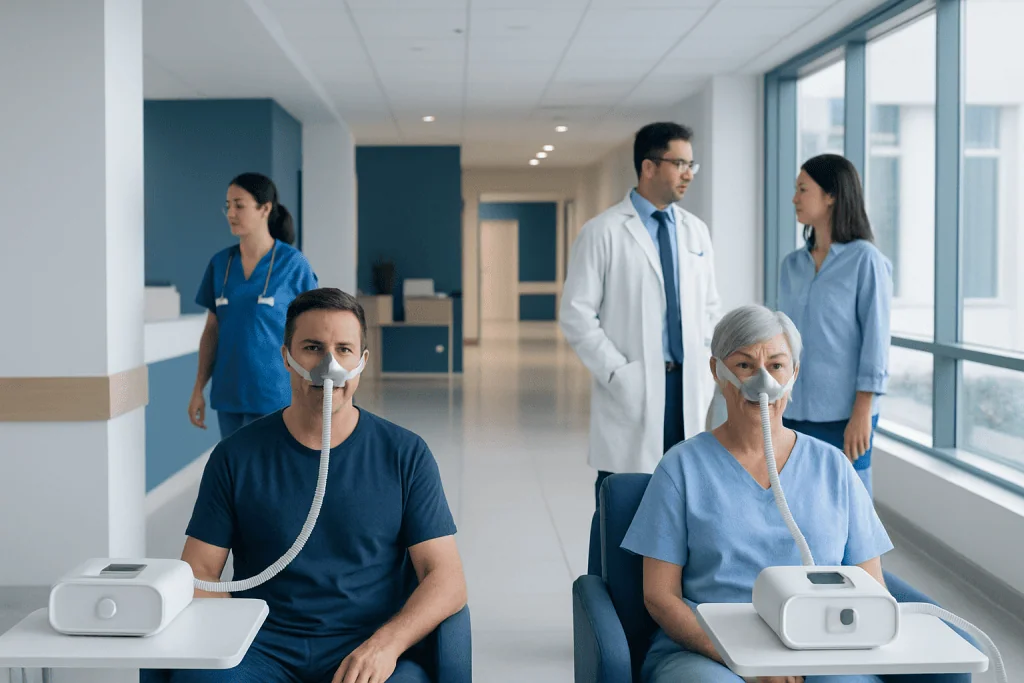
CPAP delivers one constant air pressure; BiPAP delivers two pressures, one for inhaling and one for exhaling. CPAP is commonly used for obstructive sleep apnea, while BiPAP may be used when higher pressure support or easier exhalation is needed.
Key Takeaways
- CPAP delivers one constant air pressure; BiPAP delivers two pressures, one for inhaling and one for exhaling.
- CPAP is commonly used for obstructive sleep apnea, while BiPAP may be used when higher pressure support or easier exhalation is needed.
- A clinician chooses between them based on symptoms, sleep study results, oxygen and carbon dioxide levels, and underlying lung or nerve conditions.
- Comfort alone does not determine the right device; the decision should match the person’s breathing pattern and medical needs.
- Persistent snoring, pauses in breathing, daytime sleepiness, or trouble tolerating PAP therapy should be discussed with a qualified doctor.
CPAP and BiPAP are both noninvasive breathing support devices, but they do not work the same way. CPAP provides one continuous pressure, while BiPAP uses a higher pressure for inhaling and a lower pressure for exhaling, and that difference can matter for comfort, diagnosis, and treatment goals.
Overview: CPAP vs BiPAP at a Glance
In simple terms, the difference in cpap vs bipap comes down to how air pressure is delivered. CPAP stands for continuous positive airway pressure. It sends one steady level of pressure through a mask to help keep the airway open. BiPAP stands for bilevel positive airway pressure. It provides two pressure levels: a higher one when breathing in and a lower one when breathing out.
That design difference matters because some people mainly need help preventing the throat from collapsing during sleep, while others also need extra breathing support or find exhaling against a single fixed pressure difficult. Both devices are forms of noninvasive ventilation, and both are prescribed based on a person’s symptoms, test results, and overall health.
The table below gives a side-by-side view of the main differences.
- Pressure delivery: CPAP uses one constant pressure; BiPAP uses two pressures.
- Main purpose: CPAP is often first-line for obstructive sleep apnea; BiPAP may be used for more complex breathing needs.
- Exhalation comfort: BiPAP may feel easier to breathe out against because the pressure drops during exhalation.
- Typical use: CPAP is common in uncomplicated sleep apnea; BiPAP may be considered in certain cases of sleep-related breathing disorders, hypoventilation, or some lung and neuromuscular conditions.
- Clinical monitoring: BiPAP often requires closer adjustment to match inhalation and exhalation needs.
How the Machines Work and Why the Difference Matters
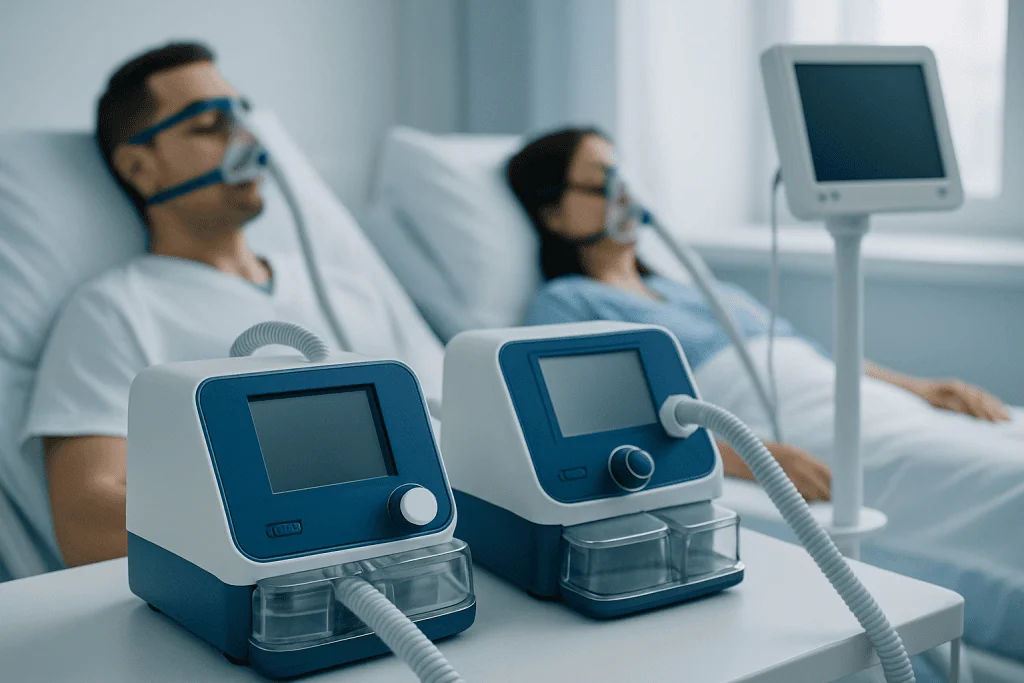
CPAP acts like a gentle air splint. By maintaining continuous pressure, it helps prevent the soft tissues of the upper airway from narrowing or collapsing during sleep. This is why it is widely used for sleep apnea, especially obstructive sleep apnea, where the main problem is repeated airway blockage.
BiPAP also helps keep the airway open, but it adds a second function: pressure support for breathing in. The higher inspiratory pressure can make inhalation easier, while the lower expiratory pressure can reduce the effort of breathing out. This may be useful for people who need higher pressures overall, who retain carbon dioxide, or who have conditions that affect breathing mechanics.
In everyday use, the distinction matters for more than comfort. It can affect sleep quality, oxygen levels, carbon dioxide clearance, and whether the machine is addressing the right problem. A person with straightforward obstructive sleep apnea may do very well with CPAP, while someone with obesity hypoventilation, certain chronic lung diseases, or neuromuscular weakness may need a more tailored approach.
Some devices also include advanced modes and comfort features, which can make the names sound interchangeable when they are not. For that reason, patients should not switch between CPAP and BiPAP on their own. The settings and goals are different, and a clinician usually decides based on formal evaluation.
How a Clinician Tells Them Apart
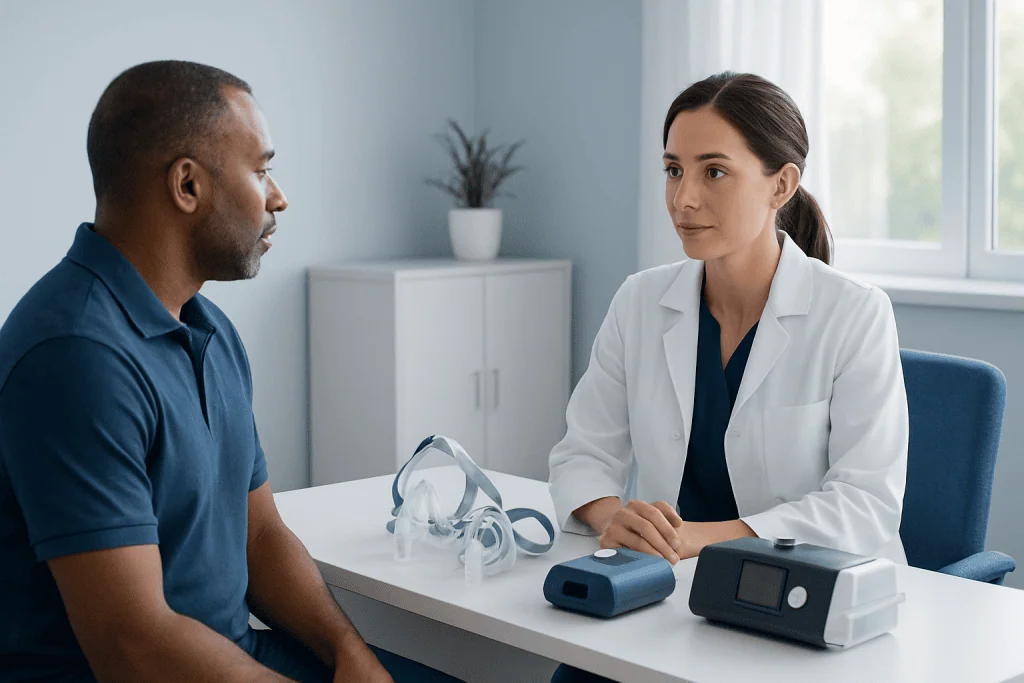
Doctors do not choose between CPAP and BiPAP based on preference alone. They begin by understanding the person’s symptoms and the likely cause of breathing difficulty. Loud snoring, witnessed pauses in breathing, morning headaches, poor sleep, daytime sleepiness, and trouble concentrating may suggest a sleep-related breathing disorder. Shortness of breath, shallow breathing, or signs of carbon dioxide retention may point toward a different kind of ventilatory support need.
Testing often plays a central role. A sleep study can show whether breathing events are obstructive, central, or mixed, how often they happen, and how much they affect oxygen levels. In some situations, clinicians also look at daytime oxygen and carbon dioxide levels, lung function testing, body weight, heart and lung disease history, and whether a person has a neuromuscular condition.
Another clue is treatment response. If a person has obstructive sleep apnea and does well with a single pressure, CPAP may be appropriate. If the needed pressure is high, exhaling becomes difficult, or breathing remains inadequate despite treatment, a clinician may consider bilevel support instead. This is not simply a matter of comfort settings; it is about whether the therapy is correcting the underlying breathing problem.
Mask fit, mouth breathing, nasal blockage, and leaks are also reviewed before changing device type. Sometimes what seems like “CPAP failure” is actually an issue with pressure adjustment, humidification, mask choice, or nasal obstruction. Careful reassessment helps avoid unnecessary changes and supports more effective treatment.
When CPAP Is Usually Used
CPAP is commonly the first treatment choice for many adults with obstructive sleep apnea. In this condition, the muscles and tissues of the throat relax during sleep and narrow the airway. A steady pressure can help keep that passage open, reducing snoring, breathing pauses, and sleep disruption.
For many people, CPAP is effective because the main issue is upper airway collapse rather than weak breathing effort. It may improve sleep quality, daytime alertness, and overall functioning when used consistently and adjusted properly. Some patients use fixed-pressure CPAP, while others are prescribed auto-adjusting PAP devices that work within a clinician-set range.
CPAP may be especially suitable when the sleep study shows obstructive events without evidence of more complex ventilatory problems. It is also often considered before more specialized modes because it is simpler and may be all that is needed. If a person is newly diagnosed and their clinician suspects uncomplicated obstructive sleep apnea, CPAP is often the starting point.
People who struggle at first should know that early adjustment is common. Dryness, mask discomfort, air leaks, or trouble getting used to the pressure can often be improved with humidification, mask changes, desensitization strategies, and follow-up with a sleep specialist. In some cases, evaluation for related issues such as a deviated septum or chronic nasal obstruction can also be helpful.
When BiPAP May Be Recommended
BiPAP may be recommended when a person needs more than a single continuous pressure. One common reason is difficulty tolerating high CPAP pressures, especially when exhaling feels uncomfortable. The lower exhalation pressure on BiPAP can make breathing feel more natural for some patients.
It may also be used when breathing support is needed beyond simply keeping the upper airway open. Examples can include hypoventilation syndromes, certain chronic respiratory conditions, some neuromuscular disorders, and selected cases where carbon dioxide removal is a concern. In sleep medicine, BiPAP can sometimes be considered when obstructive sleep apnea is accompanied by more complex breathing patterns or when CPAP does not adequately control the problem.
Because bilevel therapy can be more individualized, it is usually prescribed after careful assessment and setup. Clinicians may determine inspiratory and expiratory pressures during a titration study or through close follow-up with monitoring data. The goal is to improve breathing efficiency without causing discomfort or unnecessary pressure exposure.
For patients with persistent symptoms despite standard therapy, further evaluation may include additional sleep testing or broader respiratory assessment. Depending on the findings, treatment planning may involve sleep study evaluation and consultation in a service that manages sleep apnea treatment or noninvasive ventilation more broadly.
What to Do if Symptoms Suggest One or the Other
If a person snores loudly, feels excessively sleepy during the day, wakes unrefreshed, or has witnessed pauses in breathing during sleep, the next step is not to choose a machine independently. The safer approach is to seek a medical evaluation. A doctor can determine whether the symptoms point to obstructive sleep apnea, another sleep disorder, or a breathing problem that may need a different therapy.
If someone already uses CPAP but still feels unwell, the answer is not always “switch to BiPAP.” First, the treatment team usually checks adherence, pressure settings, leak data, mask fit, nasal blockage, weight changes, alcohol or sedative use, and whether central events or another sleep disorder are present. A focused review often explains why symptoms continue.
If there is shortness of breath during the day, morning headaches, shallow breathing, or known lung, chest wall, or neuromuscular disease, a clinician may assess whether bilevel support is more appropriate. That decision may involve overnight testing, blood gas evaluation, or pulmonary function testing. The exact pathway depends on the person’s diagnosis and symptoms.
In specialist centers, care can involve sleep medicine, pulmonology, ENT, and neurology together. Near the end of the diagnostic process, some patients may also benefit from evaluation of airway anatomy or alternative treatments, including septoplasty when structural nasal blockage is contributing to PAP intolerance. Acibadem International’s multidisciplinary specialists in JCI-accredited hospitals diagnose and treat sleep-related breathing conditions for international patients.
Practical Self-care and Treatment Success Tips
Whether a person uses CPAP or BiPAP, successful treatment depends on more than the machine itself. A well-fitted mask, regular cleaning, proper humidification, and routine follow-up can make therapy more comfortable and more effective. Many early side effects improve once the mask type and pressure settings are optimized.
Sleep habits matter too. Keeping a regular sleep schedule, limiting alcohol near bedtime, and avoiding sedating medicines unless approved by a doctor may help reduce breathing disturbances. For some people, weight management and side-sleeping are also useful parts of an overall care plan, though they do not replace prescribed therapy when sleep apnea is significant.
Nasal care can be important. Dryness, congestion, or mouth breathing may make PAP treatment harder to tolerate. Saline rinses, humidification, and assessment for allergies or structural nasal problems may improve comfort. If persistent blockage is present, a doctor may look for sinus disease, enlarged tissues, or a septal problem that should be addressed.
Most importantly, patients should bring ongoing concerns to their care team rather than stopping treatment on their own. Downloaded machine data, symptom diaries, and follow-up visits help clinicians judge whether the current device is working or whether another form of therapy is needed.
When to Seek Medical Care
A medical review is appropriate if a person has frequent loud snoring, witnessed breathing pauses, excessive daytime sleepiness, morning headaches, poor concentration, or nighttime choking or gasping. These symptoms can suggest a sleep-related breathing disorder that deserves proper testing and individualized treatment.
People already using PAP therapy should contact their doctor if they cannot tolerate the mask or pressure, continue to feel tired, notice persistent air leaks, or have worsening shortness of breath. A reassessment can show whether the issue is mask fit, settings, another diagnosis, or the need for a different type of support.
Urgent medical attention is important if breathing difficulty is severe, lips look bluish, confusion develops, chest pain occurs, or a person seems unusually hard to wake. These symptoms are not specific to CPAP or BiPAP decisions and should be evaluated promptly.
Choosing between CPAP and BiPAP is a clinical decision, not a consumer preference. With the right diagnosis and follow-up, many people find a treatment approach that improves sleep and supports safer, more comfortable breathing.
Frequently asked questions
Is BiPAP better than CPAP?
Not necessarily. BiPAP is not automatically better; it is simply designed differently. CPAP is often very effective for obstructive sleep apnea, while BiPAP may be more appropriate when two pressure levels or additional breathing support are needed.
What is the main difference between CPAP and BiPAP?
The main difference is pressure delivery. CPAP provides one continuous pressure during both inhalation and exhalation, while BiPAP provides a higher pressure for breathing in and a lower pressure for breathing out.
Can someone switch from CPAP to BiPAP on their own?
No. Switching devices without medical guidance is not recommended because the settings and treatment goals are different. A clinician should decide based on symptoms, sleep study findings, and overall breathing needs.
Why might a person not tolerate CPAP well?
Common reasons include mask leaks, dry nose or mouth, pressure discomfort, nasal blockage, or difficulty adjusting to sleeping with a device. Sometimes these issues can be solved without changing to BiPAP, so follow-up with a sleep specialist is important.
Is BiPAP only used for sleep apnea?
No. BiPAP can also be used in some people who need ventilatory support because of hypoventilation, certain lung conditions, or neuromuscular disorders. Its role depends on the underlying reason for breathing difficulty.
How do doctors decide whether CPAP or BiPAP is needed?
They look at symptoms, medical history, and test results, especially sleep study findings. In some cases, oxygen and carbon dioxide levels, lung function, and response to prior therapy also help guide the choice.
References
- American Academy of Sleep Medicine
- National Heart, Lung, and Blood Institute
- American Thoracic Society
- National Institute of Neurological Disorders and Stroke
- Mayo Clinic
This article is for general information only and is not a substitute for professional medical advice. Please consult a qualified doctor about your individual situation.
Explore treatments in Turkey — costs, top hospitals & a free quote
JCI-accredited · board-certified surgeons · reply within 24h
Add us as a Preferred Source to see more of our trusted health content across Google Search, AI Overviews and Discover.

More from the Health Library



Related Specialists

Dr. Abbasgulu Baghirov
Pediatrics
Dr. Mehmet Altuğ
Orthopedic Surgery & Traumatology
Assoc. Prof. Dr. Şevket Tolga Tombul
Urology
Dr. Murat Sarıkaş
Orthopedic Surgery & Traumatology