Crepitus: An Evidence-Based Guide for Patients

Crepitus describes sounds or sensations such as popping, crackling, clicking, or grinding in joints or soft tissues. Painless crepitus is often harmless, but painful or new crepitus may signal injury, arthritis, or inflammation.
Key Takeaways
- Crepitus describes sounds or sensations such as popping, crackling, clicking, or grinding in joints or soft tissues.
- Painless crepitus is often harmless, but painful or new crepitus may signal injury, arthritis, or inflammation.
- Common sites include the knees, shoulders, neck, jaw, and fingers.
- Doctors diagnose the cause through symptoms, physical examination, and sometimes imaging tests.
- Treatment depends on the cause and may include exercise, physical therapy, medication, or, less commonly, procedures or surgery.
Crepitus is the medical term for crackling, popping, clicking, or grinding sensations in a joint or soft tissue. It is often benign, especially when painless, but it can also be linked to cartilage wear, injury, inflammation, or air under the skin and should be evaluated when it is persistent, painful, or associated with swelling or limited movement.
What crepitus means
Crepitus is a medical term for a popping, crackling, clicking, or grinding sound or feeling that can happen in a joint or, less commonly, in soft tissues under the skin. Many people notice crepitus in the knees when climbing stairs, in the shoulders during overhead movement, or in the neck when turning the head. In many cases, especially if there is no pain, crepitus is not a sign of serious disease.
Crepitus can happen for different reasons. In joints, it may come from tiny gas bubbles bursting in the joint fluid, tendons or ligaments moving over nearby structures, or roughened cartilage surfaces rubbing together. In soft tissues, it can describe a crackling feeling caused by air trapped under the skin after an injury or medical procedure. Because the term is broad, the meaning depends on where it occurs and what other symptoms are present.
For patients, the most important question is not simply whether crepitus is present, but whether it is painful, new, worsening, or linked with swelling, stiffness, weakness, or reduced movement. Those details help doctors tell the difference between a normal body sound and a condition that needs treatment.
How crepitus feels and where it can occur
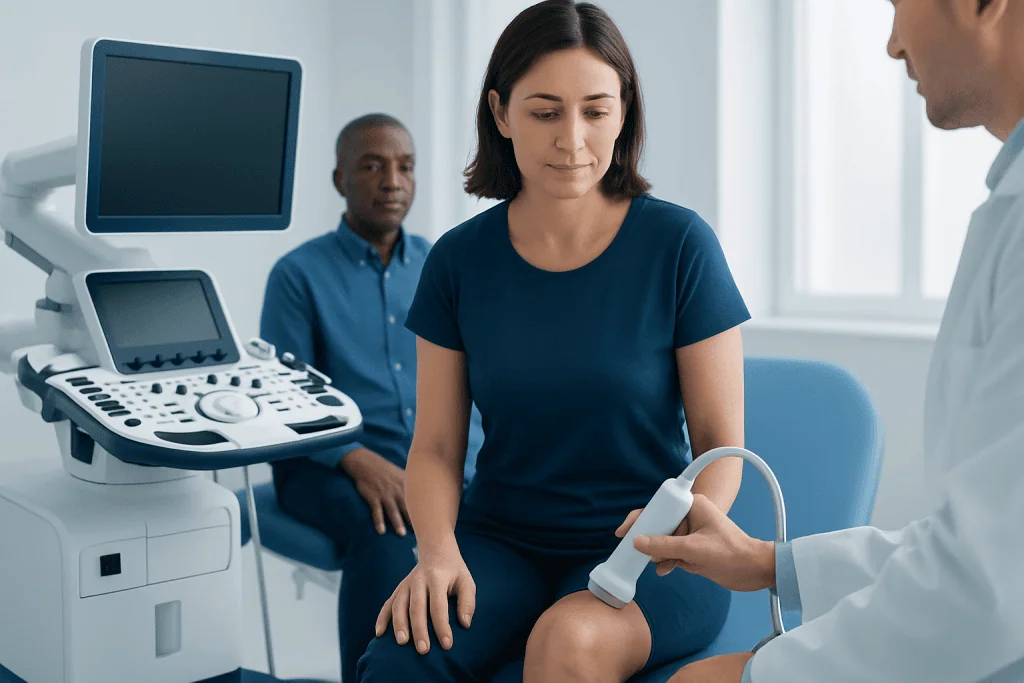
People describe crepitus in different ways. Some hear a brief pop or click, while others feel a coarse grinding or crunchy sensation. The sound may happen only with certain movements, such as standing up from a chair, rotating the shoulder, or bending the neck. It can be occasional or frequent, and it may or may not be accompanied by discomfort.
Common places for crepitus include the knee, shoulder, fingers, neck, jaw, and ankle. Knee crepitus is especially common and may be noticed when squatting or climbing stairs. Shoulder crepitus may occur with reaching or lifting. In the jaw, crepitus can be associated with temporomandibular joint problems. Neck crepitus often reflects movement of joints and soft tissues and is not always concerning on its own.
Symptoms that deserve closer attention include pain, swelling, warmth, stiffness in the morning, a feeling of the joint catching or locking, visible deformity, or a reduced ability to use the joint normally. If crepitus follows a fall, sports injury, or sudden twist, an underlying structural problem should be considered.
- Painless clicking with normal movement is often benign.
- Grinding with pain may suggest cartilage wear or inflammation.
- Crepitus after injury may occur with ligament, tendon, meniscus, or cartilage damage.
- Soft-tissue crepitus under the skin needs prompt medical assessment.
Common causes and risk factors

Harmless crepitus often relates to normal joint mechanics. Tiny gas bubbles can form and collapse in synovial fluid, creating a popping sound. Tendons and ligaments can also move over bones during motion, especially if muscles are tight or a person has recently increased activity. This type of crepitus is often painless and does not limit function.
Other cases are linked to joint wear or inflammation. Cartilage can become thinner or rougher with age, repetitive strain, or osteoarthritis, leading to a grinding sensation as surfaces move against each other. Inflammation inside or around a joint, including bursitis or tendinitis, can also change how tissues glide. After an injury, crepitus may reflect damage to cartilage, a meniscus tear in the knee, or irritation from swelling.
Less commonly, crepitus occurs in soft tissues rather than a joint. This may happen when air gets trapped under the skin after trauma, surgery, certain infections, or chest-related conditions. Soft-tissue crepitus feels different from a joint click and should be evaluated quickly because the causes and urgency can be very different.
Risk factors depend on the underlying cause but may include older age, previous joint injury, repetitive movements at work or in sports, reduced muscle strength, poor flexibility, excess body weight, and existing inflammatory or degenerative joint disease. Some people are simply more aware of normal body sounds, especially if they become anxious after noticing a new sensation.
How doctors evaluate crepitus
Assessment starts with a careful history. A doctor will usually ask when the crepitus began, where it happens, whether it is painful, what movements trigger it, and whether there was an injury. They may also ask about swelling, stiffness, instability, fever, numbness, or previous joint problems. These details often narrow the likely cause even before any tests are done.
During the physical examination, the doctor may observe how the joint moves, feel for tenderness or swelling, check range of motion, and sometimes place a hand over the area to feel the crepitus during movement. They may also test joint stability, muscle strength, and alignment. This helps distinguish a benign sound from signs of arthritis, tendon irritation, or internal joint injury.
Imaging is not always necessary. If symptoms are mild and there are no warning signs, conservative care may be recommended first. When pain is significant, movement is limited, or an injury is suspected, tests such as X-rays or MRI scan can help show cartilage wear, inflammation, or soft-tissue damage. In some cases, orthopedic rehabilitation assessment is useful to identify movement patterns that may be contributing to symptoms.
Treatment options for crepitus
Crepitus itself is a sign, not a disease, so treatment depends on the cause. If there is no pain, swelling, or loss of function, treatment may not be needed. Reassurance, activity modification, and attention to posture, flexibility, and muscle balance are often enough. Many people find that improving strength around a joint reduces symptoms over time.
When crepitus is linked to overuse, tendon irritation, or mild joint irritation, doctors may recommend rest from aggravating activities, ice or heat as appropriate, and short-term pain relief medicines if suitable for the patient. Structured exercises can be very helpful. Physical therapy may focus on strengthening supporting muscles, improving joint mechanics, and restoring flexibility. For knee symptoms, better hip and thigh strength can reduce stress on the joint during daily activities.
If an underlying condition is identified, treatment becomes more specific. For example, inflammatory problems may require medication, and mechanical injuries may need bracing, injections, or orthopedic review. In selected cases, persistent symptoms are evaluated further in orthopedics and traumatology services, particularly when there is locking, instability, significant pain, or imaging evidence of structural damage.
Surgery is not a routine treatment for crepitus alone. It is generally considered only when there is a clear structural problem causing ongoing pain or impaired function and when non-surgical options have not provided enough relief. The goal is to address the underlying condition rather than the sound itself.
Self-care and prevention
Healthy movement habits can reduce bothersome crepitus and support joint function. Regular low-impact exercise helps keep muscles strong and joints mobile. Walking, cycling, swimming, and guided strengthening routines are commonly recommended because they improve support around the joints without excessive impact. Warming up before exercise and increasing intensity gradually can also help.
Flexibility and posture matter as well. Tight muscles can change how tendons track over bones, which may contribute to clicking or snapping sensations. Gentle stretching, ergonomic adjustments at work, and paying attention to body mechanics during sports or lifting may reduce irritation. If one specific movement repeatedly triggers painful crepitus, it is sensible to stop and seek guidance rather than pushing through discomfort.
Weight management can lower stress on weight-bearing joints such as the knees and hips. Supportive footwear may also help some people by improving alignment and reducing joint strain during walking. Staying active is usually better than long periods of rest, because prolonged inactivity can increase stiffness and weaken muscles that protect the joints.
For patients with known arthritis or a past injury, a personalized exercise program is often the most effective prevention strategy. If symptoms are recurring, a clinician or physical therapist can help identify movement patterns that need to be adjusted and screen for related conditions such as arthritis.
When to seek medical care
Medical evaluation is recommended if crepitus is painful, starts suddenly after an injury, or is accompanied by swelling, redness, warmth, or reduced joint movement. A doctor should also assess crepitus that comes with a feeling of the joint giving way, locking, or catching, as these symptoms may suggest internal damage.
Prompt care is especially important if there is soft-tissue crepitus under the skin, shortness of breath, fever, severe pain, or rapidly worsening symptoms. These features are not typical of simple harmless joint noises and can point to conditions that need urgent assessment.
If symptoms are ongoing or interfere with work, exercise, sleep, or daily activities, a planned medical visit is reasonable even if the problem seems mild. A clinician can help determine whether the sound is a normal variation or part of a treatable condition. Near the end of the care pathway, patients who need specialist assessment may be seen by multidisciplinary teams; Acibadem International’s JCI-accredited hospitals diagnose and treat bone and joint conditions for international patients.
Frequently asked questions
Is crepitus always a sign of arthritis?
No. Crepitus can happen for normal reasons, such as gas bubbles in joint fluid or tendons moving over nearby structures. Arthritis is one possible cause, especially when crepitus is accompanied by pain, stiffness, or swelling.
Why do my knees crack when I squat or climb stairs?
Knee crepitus is common and may occur when the kneecap, cartilage surfaces, or surrounding soft tissues move during bending. If there is no pain or swelling, it is often not harmful. If it is persistent and painful, a medical assessment can help identify the cause.
Can painless crepitus be normal?
Yes. Many people have painless clicking or popping in joints without any underlying disease. It becomes more important to evaluate when the sound is new, frequent, painful, or associated with limited function.
Should exercise be avoided if crepitus is present?
Not usually. Gentle, well-chosen exercise is often helpful because it improves strength, mobility, and joint support. However, activities that trigger pain, swelling, or a feeling of instability should be paused until a clinician gives guidance.
What tests might be needed for crepitus?
Many cases can be assessed with a medical history and physical examination alone. If injury, arthritis, or soft-tissue damage is suspected, a doctor may order imaging such as X-rays or MRI. The choice of test depends on the location and associated symptoms.
When is crepitus an urgent problem?
Urgent evaluation is needed if crepitus follows major trauma, is associated with severe pain, fever, increasing swelling, or inability to move the joint, or if there is a crackling feeling under the skin. These situations can point to conditions beyond simple joint noises.
This article is for general information only and is not a substitute for professional medical advice. Please consult a qualified doctor about your individual situation.
Joint and spine care in Turkey — expert assessment & treatment
JCI-accredited · board-certified surgeons · reply within 24h
Add us as a Preferred Source to see more of our trusted health content across Google Search, AI Overviews and Discover.

More from the Health Library

Best Meals for Diarrhea: An Evidence-Based Guide for Patients

Skeletal System Cool Facts: What Patients Need to Know

Fluoxetine: What Patients Need to Know
Cardiac Pet Scan: An Evidence-Based Guide for Patients

Bulked: A Complete Medical Overview