

Best Meals for Diarrhea: An Evidence-Based Guide for Patients

Small, bland meals are often better tolerated than large meals during diarrhea. Hydration is essential; water, oral rehydration solutions, broth, and electrolyte-containing drinks can help replace losses.
Key Takeaways
- Small, bland meals are often better tolerated than large meals during diarrhea.
- Hydration is essential; water, oral rehydration solutions, broth, and electrolyte-containing drinks can help replace losses.
- Low-fat, low-fiber, and mildly seasoned foods are usually easiest on the digestive system.
- Some foods and drinks, including alcohol, fried foods, spicy meals, and excess sugar, may worsen diarrhea.
- Medical care is important if diarrhea is severe, lasts several days, or comes with dehydration, blood, fever, or significant weakness.
The best meals for diarrhea are usually small, bland, low-fat meals built around easy-to-digest foods such as rice, toast, bananas, applesauce, potatoes, soup, and plain crackers. Fluids, electrolytes, and a gradual return to normal eating are often more helpful than strict fasting, while greasy, spicy, and very sugary foods can make symptoms worse.
Overview: What are the best meals for diarrhea?
The best meals for diarrhea are usually simple, soft, and easy to digest. For many people, this means choosing small meals based on foods such as white rice, bananas, toast, applesauce, plain pasta, boiled potatoes, oatmeal, soup, and crackers. These foods can be gentler on the stomach and intestines while the body recovers.
It is also important to focus on fluids, because diarrhea can lead to dehydration and loss of electrolytes such as sodium and potassium. Water is helpful, but many people also benefit from oral rehydration solutions, broths, or diluted electrolyte drinks, especially if bowel movements are frequent.
Rather than following a very restrictive eating plan for too long, most people do best by eating what they can tolerate and gradually returning to a balanced diet as symptoms improve. A short period of bland eating can help, but ongoing diarrhea may need medical evaluation to look for infection, food intolerance, medication effects, or digestive conditions such as gastroenteritis.
How diarrhea affects digestion and appetite
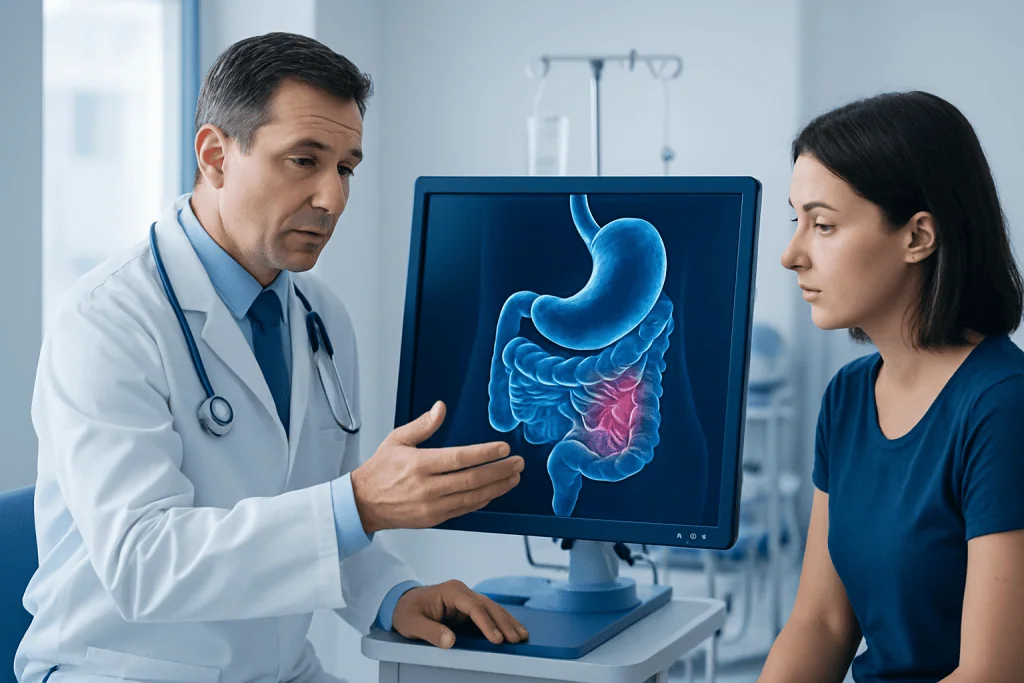
Diarrhea happens when stool moves through the intestines too quickly or when the intestines do not absorb enough water. This can leave a person feeling crampy, weak, bloated, or nauseated. Appetite often drops at the same time, which is why simple meals are usually more realistic than full plates of food.
During a short-term illness, the digestive tract may become temporarily more sensitive to fat, fiber, lactose, heavy seasoning, and large portions. Eating foods that are mild in texture and flavor can reduce the effort required for digestion. This does not cure the underlying cause, but it may help symptoms settle while the gut lining recovers.
Many people assume that they should stop eating completely until diarrhea ends. In practice, light meals are often better tolerated than fasting, especially in children, older adults, and anyone who is already tired or dehydrated. The goal is not to force food, but to support hydration and nutrition with foods that are less likely to aggravate symptoms.
Best meals and snacks to try

Well-tolerated meals for diarrhea tend to be low in fat, low in strong seasoning, and moderate in portion size. Choices can be repeated through the day in small amounts rather than eaten as large meals. If nausea is present, room-temperature or slightly warm foods may be easier to manage than very hot or very cold dishes.
Helpful meal ideas may include:
- Plain white rice with a little salt
- Toast with a thin layer of smooth nut butter if tolerated
- Bananas with plain oatmeal
- Applesauce with crackers
- Boiled or baked potatoes without heavy butter or cream
- Plain pasta or noodles
- Chicken soup or clear broth with rice or noodles
- Plain crackers, pretzels, or rice cakes
- Skinless baked chicken or turkey in small portions
- Eggs prepared simply, such as boiled or scrambled with little fat
Some people also tolerate yogurt with live cultures, but this depends on whether lactose worsens symptoms. If dairy seems to trigger bloating or urgency, it may help to pause milk, cream, and soft cheeses for a short time. As symptoms improve, foods can usually be reintroduced one at a time, starting with simple carbohydrates and lean proteins.
If diarrhea is linked to an ongoing digestive condition, a doctor may suggest a more tailored nutrition plan. In some cases, assessment by a specialist in gastroenterology care can help identify patterns related to infection, inflammation, or food intolerance.
What to drink and how to prevent dehydration
Fluids are a key part of recovery from diarrhea. Each loose bowel movement causes water loss, and some people also lose important salts and minerals. Mild dehydration can cause thirst, dry mouth, dizziness, dark urine, fatigue, or headache, while more severe dehydration may require urgent medical treatment.
Water is useful, but it may not be enough on its own when diarrhea is frequent. Oral rehydration solutions are designed to replace both fluid and electrolytes. Other options that may help include clear broth, ice chips, diluted fruit juice in small amounts, or electrolyte drinks that are not overly sugary. Taking small sips often can be easier than drinking large amounts at once.
Some beverages can worsen diarrhea or stomach upset. It is often wise to limit alcohol, energy drinks, very sweet sodas, and large amounts of coffee. If caffeine seems to trigger urgency, switching to water or broth temporarily may help. Anyone who cannot keep fluids down, or who shows signs of dehydration, should contact a doctor promptly.
Foods and habits that may make diarrhea worse
Even healthy foods can be difficult to tolerate during active diarrhea. High-fat and heavily seasoned meals may stimulate the intestines and increase cramping or urgency. Raw vegetables, bran cereals, large salads, beans, and very fibrous foods can also be hard to digest until symptoms settle.
Foods and habits that often worsen symptoms include:
- Fried foods and fast food
- Spicy meals
- Rich sauces, cream, and heavy cheese
- Alcohol
- Very sugary drinks or desserts
- Large portions eaten quickly
- Excess caffeine
- Sugar alcohols such as sorbitol or xylitol found in some sugar-free products
Milk and dairy can be challenging for some people because temporary lactose intolerance can occur after a stomach infection. This does not happen to everyone, but if milk seems to cause more bloating or loose stools, a short break may help. If symptoms return repeatedly after certain foods, medical review may be useful to look for issues such as irritable bowel syndrome or malabsorption.
A practical eating plan for the first 24 to 48 hours
A simple approach can make eating feel more manageable. In the first day or two, many people do best with frequent sips of fluid and small meals every few hours. The aim is to stay hydrated, reduce stomach strain, and maintain some energy intake without pushing the digestive tract too hard.
A practical progression might begin with fluids such as water, oral rehydration solution, or broth. If these are tolerated, a person can add bland carbohydrates such as toast, rice, crackers, applesauce, bananas, or plain noodles. After that, lean protein such as chicken, turkey, or eggs may be introduced in small portions. If symptoms improve, more normal meals can be resumed gradually.
There is no single perfect diarrhea diet for everyone. Some people recover quickly after a viral illness, while others need a more individualized approach because symptoms are related to medication side effects, antibiotic-associated diarrhea, or inflammatory conditions. In selected cases, doctors may recommend testing or procedures such as colonoscopy if symptoms are prolonged, recurrent, or accompanied by warning signs.
When to seek medical care
Most short episodes of diarrhea improve within a few days with fluids, rest, and a gentle diet. However, medical care is important if diarrhea is severe, lasts longer than expected, or comes with symptoms that suggest dehydration or a more serious underlying cause.
A person should seek medical advice if there is blood in the stool, black stool, fever, severe abdominal pain, persistent vomiting, fainting, signs of dehydration, or diarrhea lasting more than a few days. Older adults, infants, pregnant people, and those with weakened immune systems may need earlier assessment. Recurrent diarrhea, unintentional weight loss, or nighttime symptoms also deserve medical evaluation.
Doctors may check for infection, medication-related causes, food intolerance, or digestive disease. If symptoms suggest inflammatory or structural bowel problems, further evaluation with endoscopic assessment may be considered. Near the end of the care pathway, Acibadem International’s multidisciplinary specialists and JCI-accredited hospitals also diagnose and treat digestive conditions for international patients.
Frequently asked questions
What is the single best meal for diarrhea?
There is not one perfect meal for everyone, but many people tolerate plain rice, toast, bananas, applesauce, soup, or crackers very well. The best choice is a small, bland meal that does not worsen cramping, nausea, or urgency.
Is it better to stop eating when having diarrhea?
Usually, no. Small amounts of bland food are often better than complete fasting because they can support energy and recovery while being easier on the digestive system. If nausea is strong, starting with fluids and then adding simple foods gradually may help.
Are bananas, rice, applesauce, and toast still recommended?
These foods can still be useful because they are simple and often easy to digest. However, they do not need to be the only foods eaten. A broader bland diet that includes soup, potatoes, oatmeal, noodles, and lean protein is often more practical and nutritionally balanced.
Can yogurt help diarrhea?
Some people find plain yogurt with live cultures helpful, especially during recovery. Others feel worse if they are temporarily sensitive to lactose after a stomach illness. If yogurt increases bloating or loose stools, it is reasonable to stop it and try again later.
What drinks should be avoided with diarrhea?
Alcohol, very sugary drinks, and large amounts of caffeine may worsen symptoms or contribute to fluid loss. Energy drinks and some sodas can also irritate the stomach. Water, broth, and oral rehydration solutions are often better choices.
When should someone see a doctor for diarrhea?
Medical care is important if diarrhea lasts more than a few days, is very severe, or comes with fever, blood in the stool, dehydration, fainting, or strong abdominal pain. People at higher risk, such as infants, older adults, and those with chronic illness, should seek advice earlier.
References
- National Institute of Diabetes and Digestive and Kidney Diseases
- Centers for Disease Control and Prevention
- World Health Organization
- American College of Gastroenterology
This article is for general information only and is not a substitute for professional medical advice. Please consult a qualified doctor about your individual situation.
Persistent digestive symptoms? Get evaluated in Turkey
JCI-accredited · board-certified surgeons · reply within 24h
Add us as a Preferred Source to see more of our trusted health content across Google Search, AI Overviews and Discover.

More from the Health Library



Related Specialists

Assoc. Prof. Dr. Bahar Sevimli Dikicier
Dermatology
Dr. Zeynep Sağırkaya
Occupational Medicine
Assoc. Prof. Dr. Ece Orhon
Psychiatry
Assoc. Prof. Dr. Omar Yusef Kudsı
General Surgery