Cri Du Chat Syndrome: Diagnosis, Outlook, and Modern Treatment Approaches

Cri du chat syndrome is caused by a missing segment of chromosome 5, also called 5p deletion. The condition often becomes noticeable in infancy because of a high-pitched cry, low muscle tone, feeding difficulty, and developmental delay.
Key Takeaways
- Cri du chat syndrome is caused by a missing segment of chromosome 5, also called 5p deletion.
- The condition often becomes noticeable in infancy because of a high-pitched cry, low muscle tone, feeding difficulty, and developmental delay.
- Genetic testing confirms the diagnosis and helps guide medical follow-up and family counseling.
- There is no cure for the chromosome change itself, but early intervention can improve communication, movement, feeding, and quality of life.
- Care is usually multidisciplinary and may involve pediatrics, genetics, neurology, cardiology, speech therapy, and rehabilitation.
Cri du chat syndrome is a rare genetic condition caused by a deletion on the short arm of chromosome 5. Diagnosis is confirmed with genetic testing, and modern treatment focuses on early supportive therapies, careful medical follow-up, and personalized developmental care.
Overview
Cri du chat syndrome is a rare genetic condition caused by a deletion of genetic material on the short arm of chromosome 5, often written as 5p deletion. The name means “cry of the cat” in French and refers to the distinctive high-pitched cry that some affected babies have in early infancy. Although this cry can be an important clue, the condition is defined by the chromosome change rather than by the cry alone.
The effects of cri du chat syndrome vary from one child to another. Common features include developmental delay, low muscle tone, feeding difficulties, speech and language challenges, and differences in growth. Some children also have heart defects, hearing problems, vision issues, or orthopedic concerns. Because the presentation is broad, diagnosis and follow-up are best guided by genetics specialists and a pediatric team familiar with developmental conditions.
Modern care does not remove the chromosome deletion, but it can make a meaningful difference in a child’s health, development, and daily functioning. Early recognition allows families to begin feeding support, developmental therapies, and medical screening as soon as possible. In many cases, coordinated long-term care helps children build skills and participate more fully at home, in school, and in the community.
How cri du chat syndrome affects a child’s development
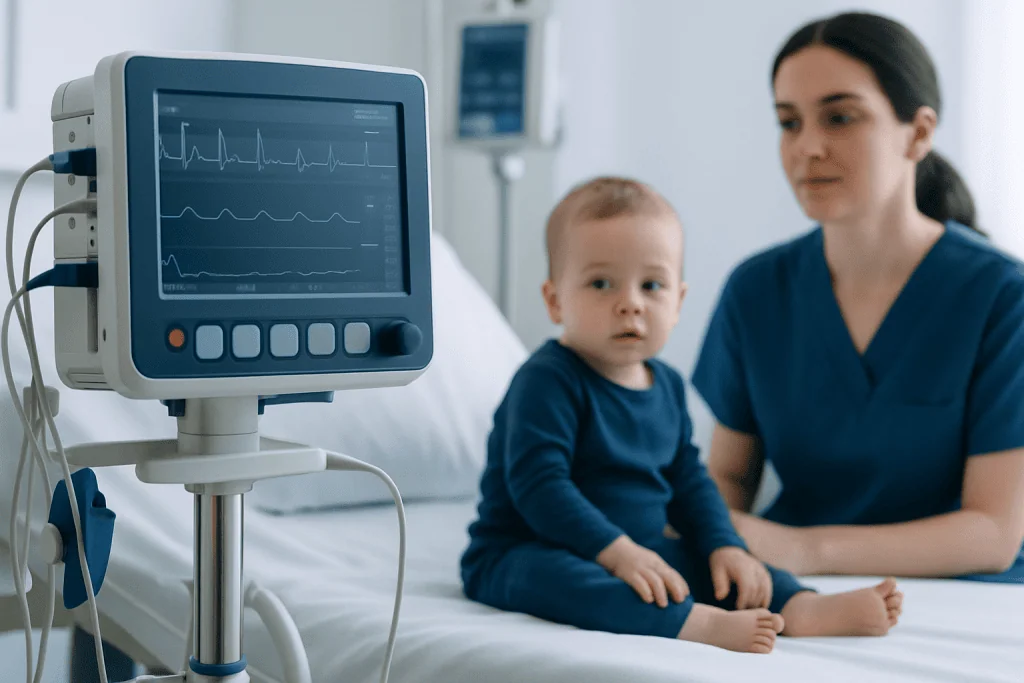
Cri du chat syndrome primarily affects development, especially movement, speech, learning, and adaptive skills. Infants may have low muscle tone, delayed head control, and difficulty with sucking or swallowing. As children grow, they may take longer to sit, walk, or develop fine motor abilities. Language is often more affected than understanding, so some children comprehend more than they can express verbally.
Behavior and learning patterns can also be part of the condition. Some children show strong social interest and respond well to predictable routines, visual supports, and structured teaching. Others may have frustration related to limited communication, sleep difficulties, sensory sensitivities, or attention challenges. These differences are not the same in every child, which is why individualized assessment is important.
The size and location of the chromosome deletion can influence severity, but they do not always predict a child’s exact abilities. Development should be viewed as an ongoing process rather than a fixed outcome. With early intervention, speech and language support, and appropriate rehabilitation, many children continue to gain skills over time.
Symptoms and signs

Signs of cri du chat syndrome may be present at birth or become clearer in infancy. The most recognized early feature is a high-pitched, weak, or cat-like cry, especially in newborns. However, not every child has a classic cry, and the sound may become less obvious with age. Other early signs often include low birth weight, low muscle tone, feeding problems, poor weight gain, and delayed development.
Doctors may also notice characteristic physical features, although these can be subtle and vary widely. Some children have a small head size, a round face, widely spaced eyes, low-set ears, or a small jaw. Medical issues that may occur alongside the syndrome include heart abnormalities, constipation, reflux, recurrent ear infections, hearing loss, vision problems, and skeletal differences.
Common symptoms and associated findings can include:
- High-pitched cry in infancy
- Low muscle tone and delayed motor milestones
- Feeding and swallowing difficulties
- Speech and language delay
- Learning difficulties or intellectual disability
- Small head size or slower growth
- Behavioral or sensory regulation challenges
- Possible congenital heart, hearing, or vision problems
Because these signs overlap with other genetic and developmental conditions, confirmation depends on chromosome testing rather than clinical appearance alone.
Causes and risk factors
Cri du chat syndrome happens when a segment of the short arm of chromosome 5 is missing. This missing genetic material affects normal development. In many cases, the deletion occurs as a new, spontaneous genetic event around the time of conception and is not caused by anything a parent did or did not do during pregnancy.
In some families, the deletion is related to a balanced chromosomal rearrangement in one parent, such as a translocation. A parent with a balanced rearrangement is usually healthy because no genetic material is missing or extra, but the rearrangement can increase the chance of a child inheriting an unbalanced chromosome pattern. For this reason, once a child is diagnosed, parents are often offered chromosome studies and genetic testing or counseling to better understand recurrence risk.
There are no known lifestyle, dietary, or environmental steps that can reliably prevent the chromosome deletion itself. Families should not assume the condition was caused by routine activities, stress, or common exposures. Genetic counseling can help explain whether the deletion was de novo or inherited and can support future family planning decisions with clear, individualized information.
How diagnosis is confirmed
Doctors may suspect cri du chat syndrome based on a newborn’s cry, growth pattern, muscle tone, feeding concerns, or developmental differences. Still, the diagnosis must be confirmed by genetic testing. Chromosomal microarray and other chromosome analyses can identify the 5p deletion and may define its size. This information helps confirm the diagnosis and may guide counseling and monitoring.
Diagnosis often involves more than the lab result alone. The clinical team usually performs a full medical and developmental assessment to look for associated concerns such as heart defects, hearing problems, swallowing issues, or vision changes. Depending on the child’s needs, doctors may recommend echocardiography, hearing tests, ophthalmology review, and developmental evaluation. In some children, brain and nervous system assessment may also be helpful, especially when there are tone, movement, or seizure concerns.
Families may hear the condition described as a genetic disorder or as 5p deletion syndrome. Both terms refer to the same underlying chromosome problem. A confirmed diagnosis can be emotionally difficult, but it also provides a clear starting point for coordinated care, realistic expectations, and early access to support services.
Modern treatment approaches and long-term care
There is no treatment that replaces the missing chromosome segment, so care focuses on each child’s symptoms, development, and overall health. Early intervention is a central part of modern management. Physical therapy may support posture, balance, and movement. Occupational therapy can help with daily skills, coordination, and sensory needs. Speech and language therapy often begins early and may include nonverbal communication strategies or augmentative communication tools when needed.
Medical treatment depends on associated conditions. Babies with feeding problems may need evaluation for swallowing safety, reflux, and nutrition. Children with congenital heart disease may need pediatric cardiology assessment and, in selected cases, pediatric cardiac surgery. If a child has severe feeding difficulty or poor weight gain, specialist support from pediatric gastroenterology and nutrition can be important. Some children also benefit from pediatric rehabilitation programs that bring multiple therapies together in one coordinated plan.
Follow-up care should be practical and individualized. It may include regular developmental reviews, hearing and vision monitoring, school planning, and support for sleep or behavior challenges. When neurological symptoms are present, a doctor may also assess for related issues seen in some developmental conditions, including muscle tone or seizure concerns. Families sometimes encounter broader discussions of epilepsy in children with developmental disorders, but seizure evaluation is only needed when symptoms suggest it.
Near the end of the care journey planning process, some families seek multidisciplinary centers that can coordinate genetics, pediatrics, therapy, and specialist reviews under one system. Acibadem International’s multidisciplinary specialists and JCI-accredited hospitals diagnose and treat children with complex genetic and developmental conditions, including individualized support for international patients.
Everyday support, prevention, and self-care for families
Because cri du chat syndrome is genetic, it cannot be prevented through routine self-care. What families can do is support development, nutrition, safety, and communication from an early stage. Consistent follow-up, timely therapy appointments, and a structured home routine often help children make the most of their abilities. Small, repeated daily practice can be as important as formal therapy sessions.
Feeding and growth deserve close attention, especially in infancy. Parents and caregivers may be advised on positioning, bottle or nipple selection, texture modifications, and safe swallowing practices. As children grow, encouraging movement, play, and social interaction can support strength, coordination, and communication. Visual schedules, gestures, picture supports, and calm routines may reduce frustration and make daily tasks easier.
Family well-being matters too. Caring for a child with complex needs can be demanding, and support from therapists, schools, social workers, and patient organizations can be valuable. Genetic counseling is often helpful not only at diagnosis but also later, when families are making education plans, considering future pregnancies, or trying to understand the child’s changing needs over time.
When to seek medical care
Medical review is important whenever a baby or child shows signs that could suggest a developmental or genetic condition. Parents should seek medical care if an infant has persistent feeding difficulty, poor weight gain, unusual limpness, a weak or high-pitched cry, delayed milestones, or concerns about hearing or vision. Early evaluation helps rule out urgent problems and can speed access to therapies if they are needed.
Prompt care is also important if a child with known cri du chat syndrome develops breathing difficulty, choking during feeds, repeated vomiting, dehydration, suspected seizures, severe sleep problems, or a sudden loss of skills. These symptoms do not always mean a serious complication, but they deserve timely medical attention. Regular planned follow-up with the child’s doctor remains the best way to monitor health and adjust care as needs change.
Frequently asked questions
What is cri du chat syndrome?
Cri du chat syndrome is a rare genetic condition caused by a missing piece of chromosome 5, known as a 5p deletion. It can affect growth, development, muscle tone, feeding, speech, and learning. The condition varies widely, so each child may have a different set of needs.
Why do some babies with cri du chat syndrome have a cat-like cry?
The distinctive cry is thought to be related to differences in the larynx and nervous system development in early infancy. It is a helpful clue, but not every baby has the classic cry. The diagnosis is confirmed by genetic testing, not by the cry alone.
Can cri du chat syndrome be cured?
There is no cure that can reverse the chromosome deletion itself. However, supportive treatment can address feeding, movement, communication, learning, and associated medical issues. Early and ongoing therapy often improves daily functioning and quality of life.
How is cri du chat syndrome diagnosed?
Doctors usually confirm the condition with genetic testing, such as chromosomal microarray or chromosome analysis. A child may also need other evaluations to check the heart, hearing, vision, swallowing, and development. These tests help build a complete care plan.
Is cri du chat syndrome inherited?
Many cases happen spontaneously and are not inherited from either parent. In some families, the deletion is linked to a balanced chromosome rearrangement in a parent. Genetic counseling can clarify recurrence risk and explain what testing may be useful for family members.
What is the outlook for children with cri du chat syndrome?
The outlook depends on the size of the deletion, associated medical problems, and how early support begins. Many children continue to develop skills over time, especially with coordinated therapy and medical follow-up. The focus is usually on maximizing function, health, communication, and participation in daily life.
References
- National Organization for Rare Disorders
- MedlinePlus Genetics
- Genetics Home Reference and U.S. National Library of Medicine resources
- American Academy of Pediatrics
- National Human Genome Research Institute
This article is for general information only and is not a substitute for professional medical advice. Please consult a qualified doctor about your individual situation.
Explore treatments in Turkey — costs, top hospitals & a free quote
JCI-accredited · board-certified surgeons · reply within 24h
Add us as a Preferred Source to see more of our trusted health content across Google Search, AI Overviews and Discover.

More from the Health Library



Related Specialists

Prof. Dr. Tayyar Sarioğlu
Cardiovascular Surgery
Assoc. Prof. Dr. Çağlar Ruhi
Nephrology
Dyt. Zeynep Acar
Nutrition & Diet
Prof. Dr. Nergiz Hüseyinoğlu
Neurology