Crouzon Syndrome: Diagnosis, Outlook, and Modern Treatment Approaches

Crouzon syndrome is usually caused by a change in the FGFR2 gene and most often involves premature fusion of skull bones. The condition can affect head shape, eye position, jaw growth, breathing, hearing, and dental alignment, but severity varies widely.
Key Takeaways
- Crouzon syndrome is usually caused by a change in the FGFR2 gene and most often involves premature fusion of skull bones.
- The condition can affect head shape, eye position, jaw growth, breathing, hearing, and dental alignment, but severity varies widely.
- Diagnosis often combines physical examination, imaging, genetic testing, and input from craniofacial specialists.
- Treatment is individualized and may include surgery, eye and airway monitoring, hearing support, and dental or orthodontic care.
- Early follow-up is important to protect brain development, vision, sleep, and overall function.
Crouzon syndrome is a rare genetic condition in which some skull bones fuse too early, changing the shape of the head and face and sometimes affecting breathing, vision, hearing, or dental development. With timely diagnosis and coordinated care, many children benefit from treatment that supports healthy growth, function, and quality of life.
Overview
Crouzon syndrome is a genetic craniofacial condition that causes some bones of the skull to fuse earlier than expected. Because a child’s brain and face continue to grow rapidly in infancy and childhood, early fusion can change the shape of the head and influence how the eyes, nose, upper jaw, and airway develop.
In simple terms, crouzon syndrome is one form of craniosynostosis, meaning premature closure of skull sutures. It does not usually affect the hands or feet, which helps distinguish it from some other craniofacial syndromes. The degree of change can be mild in some children and more complex in others.
Modern care focuses not only on appearance, but also on function and long-term health. Specialists monitor growth of the skull and face, breathing during sleep, vision, hearing, and dental development. When treatment is needed, the goal is to create space for the brain, protect eyesight, support breathing, and help the face and jaws grow as safely as possible.
Symptoms and how it may affect daily life
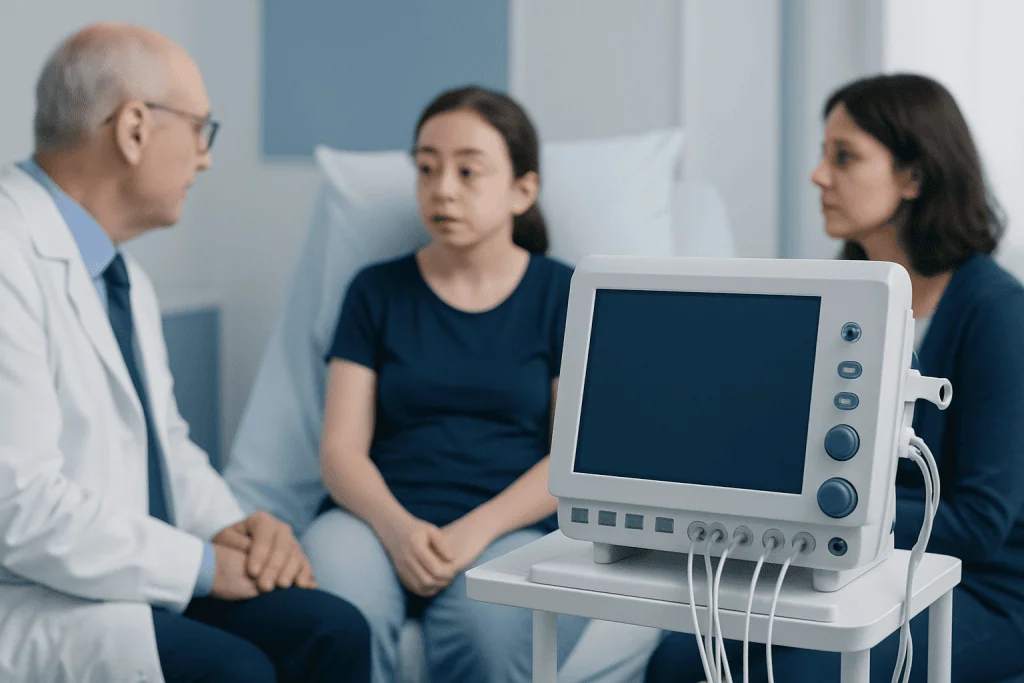
The signs of crouzon syndrome often become noticeable at birth or during early infancy, although the timing and severity can vary. Common features include an unusual head shape, widely appearing eyes because the eye sockets are shallow, and a midface that appears underdeveloped. Some children also have a prominent forehead, a beaked nose, or crowding of the teeth as the upper jaw grows differently.
Symptoms are not only cosmetic. Depending on which skull sutures are fused and how the facial bones develop, a child may experience breathing difficulties, noisy breathing, snoring, feeding challenges in infancy, or sleep-disordered breathing. Vision may be affected if the eyes are exposed or if there is pressure around the optic nerves. Hearing problems can also occur, sometimes related to middle ear issues or recurrent ear infections.
Daily life may be affected in several ways. A child may need regular checkups with a craniofacial team, ophthalmologist, ENT doctor, audiologist, and dentist or orthodontist. Some children have speech or dental concerns as they grow, and school support may be helpful if hearing or vision is reduced. Many families find that careful follow-up brings reassurance because changes can be addressed step by step.
- Unusual head shape or forehead prominence
- Shallow eye sockets and prominent-appearing eyes
- Midface underdevelopment
- Dental crowding or bite problems
- Snoring, mouth breathing, or sleep apnea
- Vision, hearing, or recurrent ear problems
Causes, genetics, and risk factors
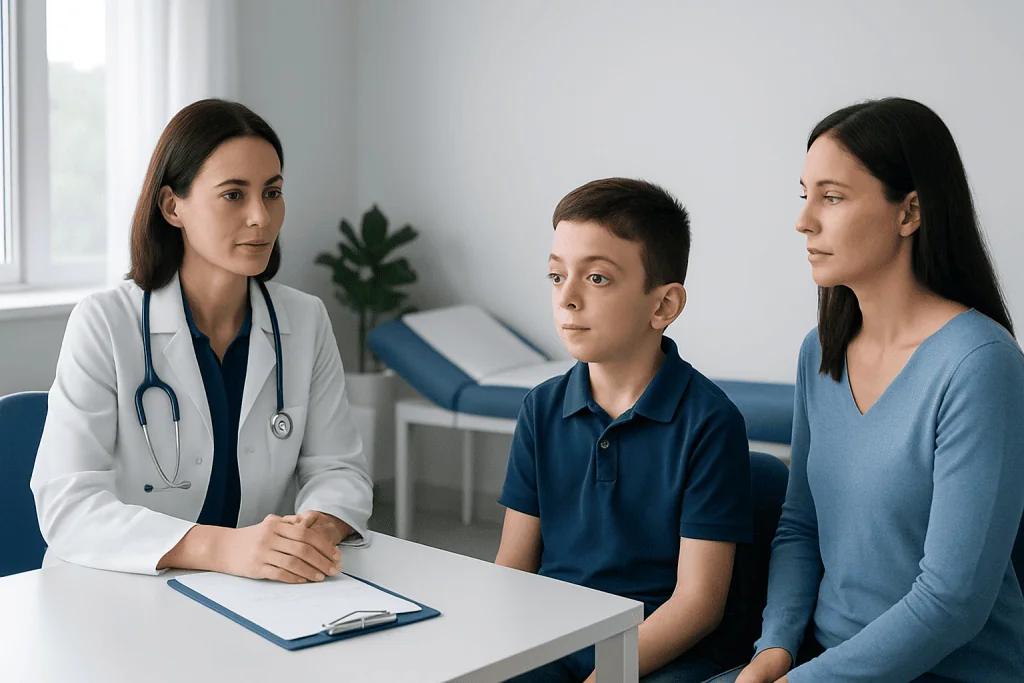
Crouzon syndrome is most commonly linked to a change in the FGFR2 gene. This gene helps guide how bone develops and matures. When the gene is altered, the signal for bone growth can become unbalanced, leading some skull bones to fuse too early.
The condition is usually inherited in an autosomal dominant pattern. This means a child can develop the syndrome if one parent carries the gene change. However, some cases happen for the first time in a family, without a prior history. If there is a known family history of craniofacial conditions, genetic counseling can help parents understand recurrence risks and what testing may be appropriate.
Parents do not cause crouzon syndrome through routine activities, diet, or care during pregnancy. It is a genetic condition, not something caused by common environmental exposures. Even so, once the diagnosis is suspected, early assessment is valuable because the main risks are related to growth of the skull, airway, eyes, ears, and teeth rather than to the genetic change alone.
How diagnosis is made
Diagnosis begins with a detailed clinical examination. Doctors look at head shape, facial proportions, eye position, jaw growth, breathing patterns, and developmental milestones. In many children, the pattern of craniofacial findings suggests crouzon syndrome early, but confirming the diagnosis usually requires imaging and sometimes genetic testing.
Imaging is important for understanding which skull sutures are fused and how the facial bones are developing. A specialist may request cranial imaging and, when needed, advanced studies to plan surgery or monitor pressure-related concerns. Depending on symptoms, the child may also need eye examinations, hearing tests, sleep studies, and dental or orthodontic assessment. In selected cases, MRI may be used to evaluate related structures or complications when doctors need more detailed information.
Genetic testing can confirm an FGFR2-related diagnosis and may help with counseling for the family. Because crouzon syndrome can overlap with other craniofacial conditions, diagnosis is often most helpful when done by a multidisciplinary team familiar with syndromic craniosynostosis. This kind of coordinated review helps the family understand not only the name of the condition, but also what it means for monitoring and treatment over time.
Treatment options and long-term management
Treatment for crouzon syndrome is individualized. Not every child needs the same procedures, and timing depends on age, symptoms, growth, and the structures involved. A core principle is to treat functional problems early, especially if there are concerns about pressure inside the skull, breathing obstruction, eye exposure, or significant feeding issues.
Surgery may be recommended to reshape the skull, increase space for brain growth, or improve facial structure and airway support. Procedures can include cranial vault surgery in infancy or early childhood and later facial advancement in selected patients. Depending on the child’s anatomy and symptoms, a team may discuss options within craniofacial surgery or pediatric neurosurgery. Some children also benefit from ENT care, hearing support, dental treatment, orthodontics, or speech therapy.
Ongoing follow-up is a central part of modern treatment. Doctors monitor vision, corneal exposure, hearing, dental eruption, bite alignment, growth of the midface, and sleep quality. If sleep-disordered breathing is suspected, evaluation for airway obstruction is important; in some cases, formal sleep assessment or additional ENT review may be needed. Families are often reassured to learn that treatment usually happens in stages rather than all at once.
Near the end of childhood or during adolescence, treatment may shift toward jaw alignment, facial balance, and function. The long-term plan can include orthodontic care, orthognathic planning, and continued eye and hearing surveillance. At centers such as Acibadem International, multidisciplinary specialists in JCI-accredited hospitals evaluate and treat international patients with complex craniofacial conditions using coordinated care pathways.
Outlook, development, and quality of life
The outlook for children with crouzon syndrome is often better than families first expect, especially when care starts early and follow-up is consistent. Many children have normal intelligence, attend school, build strong social relationships, and participate fully in daily activities. Outcomes depend less on the name of the syndrome itself and more on whether issues such as raised intracranial pressure, airway obstruction, vision problems, or hearing loss are identified and treated in time.
Some children need one operation, while others need several procedures over the years as the skull and face grow. This does not necessarily mean the condition is worsening; rather, growth-related changes may require staged treatment. Emotional support also matters, as visible facial differences can affect confidence and social experiences, particularly in school-age children and teenagers.
Families often do best when they have a clear long-term plan and know which symptoms deserve attention between appointments. Regular communication with the care team can make treatment more predictable and less stressful. With coordinated medical, surgical, dental, and developmental support, many patients achieve good functional outcomes and a strong quality of life.
Prevention and self-care for families
Because crouzon syndrome is genetic, it cannot usually be prevented through lifestyle changes. However, parents and caregivers can play an important role in supporting health and reducing complications. Keeping scheduled follow-up visits, eye appointments, hearing checks, and dental assessments helps problems get noticed early, when they may be easier to manage.
At home, practical care may include watching for noisy breathing during sleep, frequent waking, persistent mouth breathing, feeding difficulty, eye irritation, or changes in vision or behavior. Good dental hygiene is especially important when teeth are crowded or bite alignment is affected. If a child has dry or prominent eyes, parents should follow the eye specialist’s advice closely to protect the cornea.
Families with a history of crouzon syndrome may benefit from genetic counseling before or during future pregnancies. Counseling cannot change the diagnosis, but it can help clarify inheritance, testing options, and what to expect. Emotional support groups and craniofacial family networks may also help parents and children feel less isolated and better informed.
When to seek medical care
Medical review is important whenever a baby or child has an unusual head shape, prominent eyes, persistent snoring, feeding difficulty, or delayed evaluation for suspected craniosynostosis. Even if the child seems otherwise well, early assessment helps doctors decide whether observation is enough or whether more detailed testing is needed.
Families should seek prompt medical attention if a child develops worsening headaches, vomiting without a clear cause, unusual sleepiness, reduced vision, eye redness from exposure, repeated pauses in breathing during sleep, or signs of severe airway obstruction. These symptoms do not always mean a serious complication, but they should not be ignored.
If the diagnosis has already been made, regular planned follow-up remains essential even when symptoms appear stable. Ongoing care may involve pediatrics, neurosurgery, ENT, ophthalmology, orthodontics, and imaging support such as CT scanning when doctors need detailed bone assessment for treatment planning.
Frequently asked questions
What is crouzon syndrome?
Crouzon syndrome is a genetic condition that causes some skull bones to fuse too early. This affects the growth of the head and face and may influence breathing, vision, hearing, and dental development.
Is crouzon syndrome inherited?
It often is. Crouzon syndrome is commonly linked to a change in the FGFR2 gene and is usually inherited in an autosomal dominant pattern, although some cases happen for the first time in a family.
Can crouzon syndrome be mild?
Yes. Some children have relatively mild facial and skull changes, while others have more complex problems involving the airway, eyes, or hearing. The severity can vary even within the same family.
Does crouzon syndrome affect intelligence?
Many children with crouzon syndrome have normal intelligence. Developmental concerns are more likely when complications such as raised pressure in the skull, hearing loss, or sleep-related breathing problems are not recognized and managed promptly.
What treatments are used for crouzon syndrome?
Treatment may include surgery to reshape the skull or improve facial growth, along with eye care, ENT treatment, hearing support, and dental or orthodontic care. The exact plan depends on the child’s age, anatomy, and symptoms.
At what age is crouzon syndrome diagnosed?
It is often suspected at birth or in early infancy because of head shape or facial features. Some milder cases may become clearer later, especially when dental, breathing, or growth-related concerns develop.
References
- National Institute of Dental and Craniofacial Research
- National Organization for Rare Disorders
- MedlinePlus
- American Association of Neurological Surgeons
- American Cleft Palate-Craniofacial Association
This article is for general information only and is not a substitute for professional medical advice. Please consult a qualified doctor about your individual situation.
Explore treatments in Turkey — costs, top hospitals & a free quote
JCI-accredited · board-certified surgeons · reply within 24h
Add us as a Preferred Source to see more of our trusted health content across Google Search, AI Overviews and Discover.