Crystal: An Evidence-Based Guide for Patients

Crystal commonly means crystal methamphetamine, a highly addictive stimulant drug. Use can cause short-term effects such as euphoria, agitation, insomnia, and fast heart rate, as well as serious long-term physical and mental health problems.
Key Takeaways
- Crystal commonly means crystal methamphetamine, a highly addictive stimulant drug.
- Use can cause short-term effects such as euphoria, agitation, insomnia, and fast heart rate, as well as serious long-term physical and mental health problems.
- Diagnosis focuses on medical assessment, symptom review, substance-use history, and sometimes laboratory testing.
- Treatment may include supervised withdrawal support, behavioral therapies, mental health care, and long-term relapse prevention.
- Urgent medical care is needed for chest pain, seizures, severe confusion, overheating, suicidal thoughts, or suspected overdose.
Crystal usually refers to crystal methamphetamine, an illicit stimulant that can affect mood, sleep, heart rate, judgment, and long-term health. Understanding the signs, risks, and treatment options can help patients and families seek timely, appropriate care.
Overview: what “crystal” usually means
In health information, the term crystal most often refers to crystal methamphetamine, also called crystal meth, meth, or ice. It is a powerful stimulant that affects the central nervous system. People may use it by smoking, swallowing, snorting, or injecting it, and its effects can begin quickly and last for many hours.
Crystal methamphetamine increases the release of certain brain chemicals linked to alertness, energy, and reward. This is why it can create a temporary sense of wakefulness, confidence, or euphoria. However, these effects come with significant risks, including addiction, changes in behavior, sleep disruption, heart strain, and problems with mental health.
Patients and families often search for “crystal” because they are worried about sudden behavior changes, unexplained weight loss, sleep problems, or possible substance use. A clear understanding of what crystal is, how it affects the body, and when to get help can support earlier, safer care.
How crystal affects the body and mind
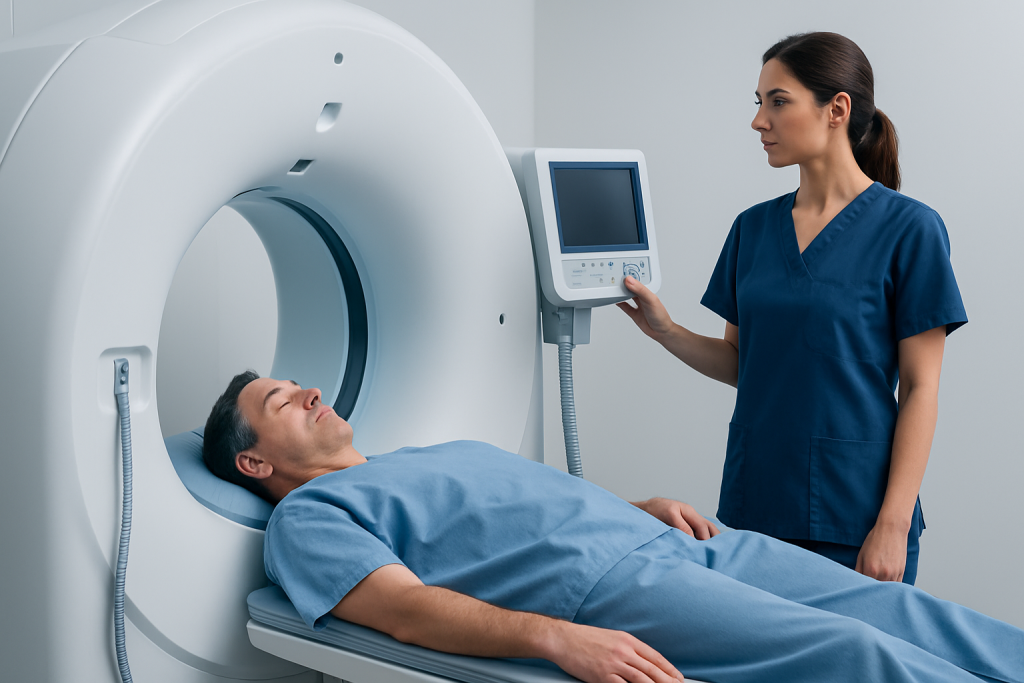
Crystal methamphetamine stimulates the brain and nervous system. In the short term, it may increase energy, reduce appetite, speed up breathing, raise blood pressure, and cause a fast heart rate. Some people also feel unusually talkative, restless, or intensely focused for a period of time.
Because the drug can strongly affect judgment and impulse control, it may also lead to risky decisions, aggression, anxiety, or paranoia. As the effects wear off, people may experience a “crash” marked by extreme tiredness, low mood, irritability, and increased hunger. Repeated use can make these ups and downs more severe.
Over time, crystal use can affect many body systems. It may contribute to dental problems, skin sores from scratching, poor nutrition, memory and concentration difficulties, mood disorders, and sleep disturbance. Long-term use can also increase the risk of serious complications involving the heart, blood vessels, and brain, including problems that may overlap with stroke or other neurological emergencies.
Crystal use can occur alongside other medical or mental health conditions. For example, stimulant use may worsen anxiety, depression, psychosis, or heart disease, and it can complicate the evaluation of symptoms such as chest pain, palpitations, severe headaches, or confusion.
Signs and symptoms patients and families may notice

The signs of crystal use can vary depending on how much was taken, how often it is used, whether other substances are involved, and a person’s overall health. Some symptoms appear during intoxication, while others are more noticeable during withdrawal or after long-term use.
Common signs and symptoms may include:
- Unusual energy or staying awake for long periods
- Loss of appetite and weight loss
- Dilated pupils, sweating, or tremors
- Fast heart rate or high blood pressure
- Anxiety, agitation, irritability, or panic
- Suspiciousness, paranoia, or hallucinations
- Poor sleep or complete inability to sleep
- Skin picking, repetitive behaviors, or jaw clenching
- Dental decay and dry mouth
- Low mood, exhaustion, or cravings after use
Family members may first notice changes in sleep, personal hygiene, mood, social behavior, finances, or work and school performance. These signs do not prove that crystal is involved, but they are reasons to seek a careful medical and psychological assessment.
If someone develops chest pain, severe shortness of breath, seizures, very high body temperature, loss of consciousness, violent agitation, or suicidal thoughts, this should be treated as an emergency rather than a routine concern.
Causes, risk factors, and complications
There is no single reason why a person may begin using crystal. Substance use disorders usually develop through a combination of biological, psychological, and social factors. These can include family history of addiction, exposure to trauma, untreated mental health conditions, chronic stress, peer influence, and limited social support.
Some people first use stimulants in an attempt to stay awake, suppress appetite, improve performance, or cope with low mood. Even if the initial use seems occasional, methamphetamine has a high potential for dependence. Repeated exposure can change the brain’s reward pathways, making cravings stronger and stopping more difficult without support.
Complications can be immediate or long term. Immediate risks include overheating, dehydration, abnormal heart rhythms, severe hypertension, overdose, accidents, and dangerous behavior. Long-term complications may affect the teeth, skin, brain, mood, memory, and cardiovascular system. In some patients, substance use may also be associated with infections, especially if needles are shared.
Because crystal can worsen or mimic psychiatric symptoms, people may be misjudged as having only a behavioral issue when they actually need integrated addiction and mental health care. Conditions such as depression can occur at the same time and should be assessed and treated together when present.
How doctors diagnose crystal-related problems
Diagnosis does not rely on one single test. A doctor usually begins with a confidential conversation about symptoms, recent substance exposure, medications, medical history, and mental health. This is followed by a physical examination that checks vital signs, hydration, heart rhythm, mental state, and any signs of injury or infection.
Laboratory testing may be used when it is clinically helpful. Depending on the situation, this can include urine toxicology, blood tests, an electrocardiogram, or imaging if doctors are concerned about stroke, head injury, chest complications, or severe neurological symptoms. Testing helps guide treatment, but it is only one part of the overall evaluation.
Doctors also look for complications and coexisting conditions. These may include anxiety disorders, psychosis, depression, malnutrition, liver or kidney problems, sexually transmitted infections, and heart disease. If symptoms suggest a related urgent condition, clinicians may arrange evaluation with specialists and tests such as MRI scanning or other imaging methods.
A respectful and nonjudgmental assessment is important. Accurate diagnosis helps separate stimulant effects from other medical problems and allows the care team to create a safer, more effective treatment plan.
Treatment options and recovery support
Treatment depends on whether the main problem is acute intoxication, withdrawal, addiction, or complications caused by use. In emergency situations, care focuses on stabilizing breathing, heart function, temperature, hydration, and safety. Agitation, chest pain, severe psychosis, or seizures may require urgent hospital treatment.
There is no single quick cure for crystal dependence, but recovery is possible. Many patients benefit from a structured treatment plan that includes medical supervision, behavioral therapy, and ongoing follow-up. Cognitive behavioral therapy, contingency management, family support, and treatment for coexisting mental health conditions are commonly used approaches.
Some patients need inpatient care, especially if there is severe withdrawal, psychosis, suicidality, unstable medical illness, or repeated relapse. Others can be treated in outpatient programs with regular monitoring. If substance use has affected mental health or daily functioning, referral to psychiatry care may be an important part of recovery.
Complications are treated individually. For example, heart symptoms may need cardiology evaluation, and neurological symptoms may require urgent specialist review. Near the end of the care journey, some international patients choose centers such as Acibadem International, where multidisciplinary specialists in JCI-accredited hospitals diagnose and treat substance-related medical and mental health complications.
Prevention, self-care, and support for families
Prevention often starts with honest, stigma-free conversations about substance use, stress, mental health, and social pressure. Early support for anxiety, depression, trauma, sleep problems, or family conflict may reduce the risk of harmful substance use in some people. Trusted primary care and mental health professionals can help identify concerns before they become more serious.
For someone who may be using crystal, self-care alone is not a replacement for professional treatment, but it can support recovery. Helpful steps may include maintaining hydration and nutrition, restoring regular sleep patterns, avoiding alcohol and other drugs, attending therapy sessions, and building a reliable support network. Relapse prevention planning is often most effective when tailored to triggers, routines, and coexisting mental health needs.
Families can help by focusing on safety, communication, and boundaries rather than blame. It is usually more productive to speak calmly, encourage assessment, and seek professional guidance than to confront someone during intoxication. Support groups, counseling, and caregiver education can also reduce stress for loved ones.
If there are signs of severe addiction or another serious condition such as anxiety disorder, coordinated care is often more helpful than trying to manage the problem alone at home.
When to seek medical care
Medical care should be sought promptly if crystal use is suspected and the person has new physical or mental symptoms, especially fast heartbeat, ongoing insomnia, marked weight loss, hallucinations, panic, or depressed mood. An appointment with a doctor is also appropriate when substance use is affecting work, school, relationships, or the ability to stop despite wanting to quit.
Emergency care is needed right away for chest pain, collapse, seizures, severe shortness of breath, high fever, extreme agitation, confusion, weakness on one side, severe headache, loss of consciousness, or thoughts of self-harm. These symptoms can signal a life-threatening complication and should not be observed at home.
Even when the situation is not an emergency, early evaluation matters. Timely treatment may reduce complications, improve mental health outcomes, and make recovery more manageable. If there is uncertainty about what to do next, contacting a qualified doctor or emergency service is the safest step.
Frequently asked questions
What is crystal in medical terms?
In most health contexts, crystal refers to crystal methamphetamine, an illegal stimulant drug. It affects the brain and body by increasing alertness and energy, but it also carries a high risk of dependence and serious health complications.
Is crystal the same as methamphetamine?
Crystal is a common form of methamphetamine, usually recognized by its glass-like or crystalline appearance. Both terms are often used interchangeably in general discussions, although the exact form and purity can vary.
What are the first signs of crystal use?
Early signs can include staying awake for unusually long periods, reduced appetite, fast speech, restlessness, and sudden mood or behavior changes. Some people also develop sweating, jaw clenching, anxiety, or suspiciousness.
Can someone recover from crystal addiction?
Yes, recovery is possible with appropriate treatment and support. Many people benefit from a combination of medical care, behavioral therapy, mental health treatment, and long-term follow-up to reduce relapse risk.
How is crystal addiction treated?
Treatment usually begins with a medical and psychological assessment, followed by a plan based on the person's needs. This may include supervised withdrawal support, counseling, behavioral therapies, treatment of coexisting mental health conditions, and regular monitoring.
When should someone go to the emergency room for crystal-related symptoms?
Emergency care is needed for chest pain, seizures, severe agitation, overheating, collapse, trouble breathing, loss of consciousness, or suicidal thoughts. These symptoms may signal a dangerous complication and should be assessed immediately.
This article is for general information only and is not a substitute for professional medical advice. Please consult a qualified doctor about your individual situation.
Heart care in Turkey — expert evaluation and treatment
JCI-accredited · board-certified surgeons · reply within 24h
Add us as a Preferred Source to see more of our trusted health content across Google Search, AI Overviews and Discover.
Check your numbers in seconds
BMI, calories, due date, blood pressure and 30+ more clinical calculators — free, instant, doctor-reviewed ranges.

More from the Health Library

Sodium: An Evidence-Based Guide for Patients
Stinky Bowel: An Evidence-Based Guide for Patients
Sigmoid Colon: A Complete Medical Overview

Acne Prone Skin: A Complete Medical Overview

Adding Salt to Water: A Complete Medical Overview