Cure and Treatment: How It Works, Results and What to Expect

A cancer treatment plan may have a curative, disease-control or symptom-relief goal. Immunotherapy activates or strengthens parts of the immune system to fight certain cancers.
Key Takeaways
- A cancer treatment plan may have a curative, disease-control or symptom-relief goal.
- Immunotherapy activates or strengthens parts of the immune system to fight certain cancers.
- Scans, examinations, blood tests and symptoms together help clinicians assess whether treatment is working.
- Some people with advanced cancer have long-lasting responses to immunotherapy, but it cannot reliably cure every stage 4 cancer.
- Immune-related side effects can affect many organs and should be reported early.
- Follow-up care remains important during and after immunotherapy, including when treatment has ended.
Cure and treatment are not the same outcome: cancer treatment may aim to cure, control cancer for as long as possible, or relieve symptoms and support quality of life. Immunotherapy is one treatment approach that helps the immune system recognize and attack cancer cells, but its role, likely benefits and risks vary by cancer type and individual circumstances.
Overview: what cure and treatment mean in cancer care
Cure and treatment are related but different terms. A cure means there is no evidence that cancer remains and it is not expected to return, although doctors may use careful language because recurrence can sometimes occur years later. Treatment means any medical approach used to remove, destroy, shrink, control or slow cancer, or to ease symptoms caused by cancer or its treatment.
When people ask how cancer is treated and or cured, the answer depends on the cancer type, stage, location, tumor biology, overall health and personal priorities. Surgery, radiation therapy, chemotherapy, targeted therapy, hormone therapy, cellular therapies and immunotherapy may be used alone or in combination. The goal may be cure, long-term remission, disease control, symptom relief, or a combination of these goals.
Immunotherapy is an important option for selected cancers. Rather than directly killing cancer cells in the same way as many chemotherapy medicines, it helps the body’s immune defenses identify or attack cancer. It is not suitable for every person or every cancer, so decisions are made by an oncology team using pathology results, imaging and sometimes biomarker testing.
How immunotherapy works
The immune system normally detects and responds to abnormal cells. Cancer cells can sometimes avoid this response by using signals that switch immune cells off or by creating an environment that suppresses immune activity. Immunotherapy aims to overcome some of these barriers.
Checkpoint inhibitors are among the most commonly used forms of cancer immunotherapy. They block particular “brakes” on immune cells, allowing T cells to respond more actively to cancer. Other approaches may include monoclonal antibodies, cancer vaccines, immune-modulating medicines and, for selected blood cancers, engineered immune-cell treatments.
Whether immunotherapy is considered depends on the exact diagnosis. Tumor testing may look for features that suggest a greater chance of response, such as certain immune markers, gene changes or a high number of mutations. A favorable marker can guide treatment planning, but it does not guarantee that a treatment will work, and an absent marker does not always rule out benefit.
Immunotherapy may be given before surgery, after surgery to reduce recurrence risk, alongside other treatments, or for cancer that has spread. These different uses explain why cures and treatment plans can look very different from one person to another.
Who may be a candidate for immunotherapy?

Suitability is based on much more than cancer stage. The oncology team considers the primary cancer type, whether it has spread, previous treatments, pathology findings, molecular or biomarker results, symptoms, organ function and a person’s daily activity level. The intended goal of care is also discussed clearly before treatment starts.
Immunotherapy can be particularly useful in some melanoma, lung, kidney, bladder, head and neck, liver and certain gastrointestinal cancers, as well as specific blood cancers. However, the best choice differs substantially within and between these groups. For example, two people with the same named cancer may have tumors with different biological features and therefore different recommended treatment options.
People with autoimmune diseases, an organ transplant, ongoing significant infection, or certain inflammatory conditions require individualized assessment. Stimulating immune activity can worsen some immune-related conditions or affect transplanted organs. This does not automatically exclude treatment, but it makes close collaboration between specialists especially important.
A multidisciplinary review can help match treatment to the individual. Acibadem International’s multidisciplinary specialists and JCI-accredited hospitals diagnose and treat cancer for international patients, with treatment planning guided by the cancer type and clinical needs.
What happens during immunotherapy treatment?
Before treatment, the care team confirms the diagnosis and stage and reviews biopsy findings, scans, blood tests, medications, allergies and medical history. The team explains the proposed medicine, expected schedule, alternatives, possible benefits and side effects. Some people may need further biomarker testing before a final recommendation is made.
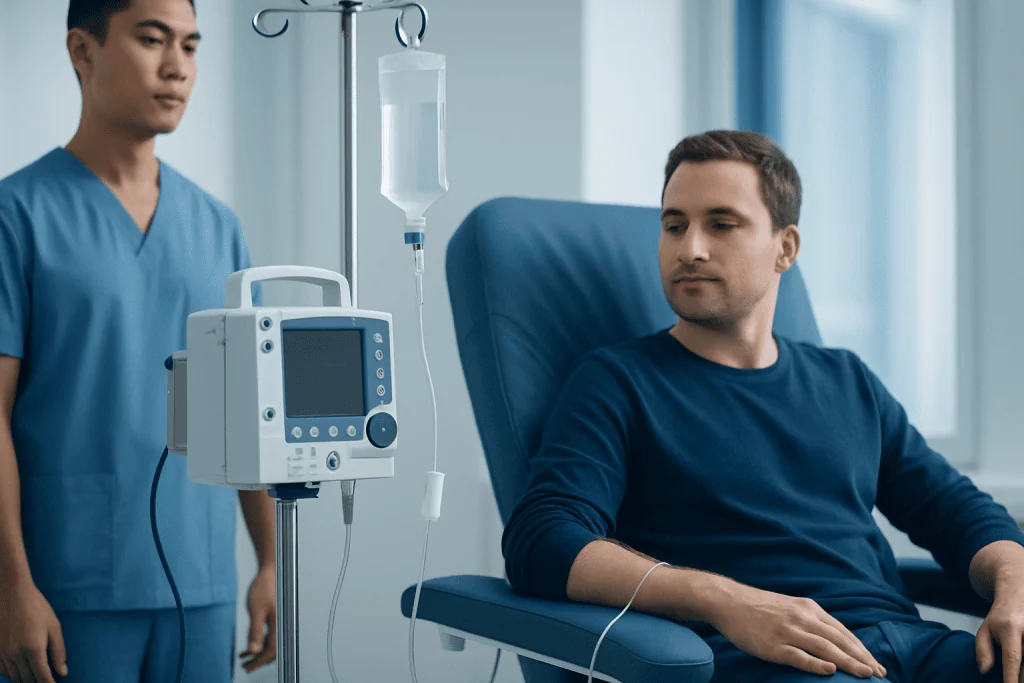
Many immunotherapy medicines are administered through a vein in an outpatient infusion unit. An appointment generally includes a symptom review, vital-sign checks and sometimes blood tests before the infusion. The medicine is then given over a planned period, followed by observation when appropriate. Some immunotherapies are tablets, injections or more specialized cell-based procedures delivered in dedicated centers.
Appointments often repeat every few weeks, but schedules vary by medicine and treatment purpose. The team may delay, pause or adjust treatment if tests change, side effects develop, or a person needs another intervention. Continuing treatment is not automatic; clinicians regularly review whether the expected benefit still outweighs the risks.
Imaging is usually performed at intervals rather than after every dose. This is important because immune-related inflammation can sometimes make a tumor look temporarily larger on a scan before a true response becomes clear. Oncologists interpret scans alongside symptoms, examination findings and laboratory results.
How do you know your cancer treatment is working?
Doctors assess cancer treatment response using several sources of information. These may include physical examinations, symptom changes, blood tests, tumor markers when they are relevant, and imaging such as CT, MRI or PET scans. The most reliable assessment comes from the overall pattern over time, not from one isolated test or day-to-day feelings.
A scan may show that tumors have shrunk, disappeared, remained stable or grown. Stable disease can be a meaningful outcome, particularly in advanced cancer, when it is accompanied by manageable symptoms and preserved quality of life. In some situations, a biopsy or additional scan is needed to clarify an uncertain result.
Symptoms can improve when treatment is helping, such as less pain, better breathing, improved appetite or more energy. However, symptoms alone cannot confirm a response. Some cancers cause few symptoms even when active, and treatment side effects can make a person feel unwell despite cancer responding.
With immunotherapy, early scans may occasionally suggest growth because immune cells have moved into the tumor. This is sometimes called pseudoprogression, but it is not common in all cancers and should never be assumed without clinical review. The oncology team will decide whether continued monitoring, repeat imaging or a change in treatment is safest.
Can immunotherapy cure stage 4 cancer?
Immunotherapy can produce deep and sometimes long-lasting responses in a minority of people with certain stage 4 cancers. In selected cases, cancer may remain undetectable for many years after treatment, and some people may be considered to have an exceptional durable remission. However, immunotherapy cannot reliably cure stage 4 cancer for everyone.
Stage 4 means cancer has spread to distant parts of the body. Treatment often aims to control the disease, prolong life and preserve or improve quality of life. For some cancers and individuals, a combination of systemic therapy with surgery, radiation or local treatment to a small number of metastases may be considered, but this approach is highly individualized.
The chance of benefit depends on the cancer type, its molecular characteristics, how much cancer is present, prior treatments and the person’s general health. It is reasonable to ask the oncology team what the treatment goal is in a specific situation and how response will be measured. Clear conversations can help patients and families make informed choices and plan for the future.
Even after an excellent response, follow-up is needed. Regular visits and scans allow the team to watch for recurrence, monitor late effects and support ongoing physical and emotional wellbeing.
What are the signs that immunotherapy is effective?
Possible signs that immunotherapy is effective include tumor shrinkage or stability on imaging, improvement in cancer-related symptoms, better function in daily life and favorable changes in certain blood tests when those tests are relevant to the cancer. The clearest sign is a confirmed response on scheduled clinical assessment.
Side effects are not a reliable measure of success. Some people respond very well without noticeable immune-related side effects, while others develop side effects without receiving a lasting cancer benefit. A rash, fatigue or inflammation should therefore be reported for safety rather than interpreted as proof that treatment is working.
Response can take time. Some people improve early, while others need several treatment cycles before scans show a clear change. Conversely, a cancer can progress despite treatment even if a person initially feels well. Keeping scheduled visits and completing recommended monitoring helps the team make timely decisions.
If the cancer is not responding, this does not mean there are no further options. Depending on the diagnosis, clinicians may consider another systemic treatment, radiation, surgery, a clinical trial, symptom-focused care or a combination of approaches. Supportive and palliative care can be provided at any stage alongside cancer-directed treatment.
How long does immunotherapy stay in your system?
Many immunotherapy drugs remain in the bloodstream for weeks after a dose, and their immune effects can continue after the drug level falls. The exact duration varies by medicine, dose schedule, liver and kidney function, and individual biology. A treating oncologist or pharmacist can explain the expected timing for the specific treatment being used.
For checkpoint inhibitors, medicines are commonly cleared gradually over weeks to months. However, immune activation may persist longer, which is why immune-related side effects can develop during treatment or sometimes after treatment has stopped. Follow-up instructions should be followed even after the final infusion.
Before surgery, vaccination, pregnancy planning, travel, or starting another medicine, patients should tell the relevant clinician about past and current cancer treatments. The care team can coordinate timing and assess whether special precautions are needed. Patients should not assume that a treatment has fully left the body simply because they no longer have appointments.
For cell-based immunotherapies, the persistence of treatment-related cells varies considerably. Monitoring may include blood tests, infection-prevention measures and longer-term follow-up, depending on the therapy and underlying cancer.
Benefits, risks and recovery timeline
The potential benefit of immunotherapy is a meaningful response with less impact on healthy rapidly dividing cells than some traditional chemotherapy medicines. Some people have durable disease control, and immunotherapy can sometimes be combined with other treatments. Benefits must always be balanced against the realistic chance of response and the possible burden of treatment.
Because immunotherapy activates immune responses, side effects can involve almost any organ. Common concerns may include fatigue, skin rash or itching, diarrhea, nausea, cough, joint aches and hormone-gland changes. Less common but potentially serious inflammation can affect the lungs, bowel, liver, kidneys, heart, nervous system or eyes.
There is no single recovery timeline. Many people return home after an infusion and continue usual activities as able, while others need rest for a day or two. If side effects occur, recovery may involve pausing immunotherapy, monitoring, medicines to reduce inflammation, or specialist care; the timeline then depends on the affected organ and severity.
Patients should contact their cancer team promptly for new or worsening symptoms, especially severe diarrhea, shortness of breath, chest pain, persistent fever, confusion, jaundice, severe headache, vision changes, marked weakness or a rapidly spreading rash. Early assessment can often prevent complications and support a safer return to treatment when appropriate.
When to seek medical care
Anyone with persistent or unexplained symptoms such as a new lump, unusual bleeding, ongoing pain, unexplained weight loss, lasting cough, changes in bowel or bladder habits, or worsening fatigue should arrange a medical evaluation. These symptoms often have causes other than cancer, but a clinician can determine whether tests are needed.
During immunotherapy, patients should use the oncology team’s contact instructions for any new symptom, even if it seems mild. Immune-related side effects may begin subtly and can become more serious if untreated. It is important not to self-treat significant symptoms with over-the-counter medicines without first asking the care team.
Urgent or emergency evaluation is needed for severe breathing difficulty, chest pain, fainting, confusion, seizure, severe abdominal pain, uncontrolled vomiting or diarrhea, heavy bleeding, or signs of a severe allergic reaction. People receiving cancer treatment should carry or keep accessible a list of their medicines and the cancer team’s contact details.
Regular follow-up, practical support, nutrition guidance, rehabilitation and mental health care can all be part of comprehensive cancer care. Discussing worries early helps patients understand their options and remain actively involved in decisions about treatment.
Frequently asked questions
Is immunotherapy the same as chemotherapy?
No. Chemotherapy generally works by damaging or stopping the division of rapidly growing cells, while immunotherapy helps the immune system recognize or respond to cancer. Both may be used in the same treatment plan, depending on the cancer type and treatment goal.
Can immunotherapy make cancer worse at first?
In some cases, immune-cell activity around a tumor can make it appear larger on an early scan before it later shrinks. This possible pseudoprogression is not the same as true progression and is assessed by the oncology team using repeat imaging, symptoms and other clinical information.
How often are scans done during immunotherapy?
The timing depends on the cancer, medicine, treatment goal and clinical situation. Many people have scans after several treatment cycles, but the oncology team may arrange earlier testing if symptoms change or there is another concern.
Do immunotherapy side effects mean the treatment is working?
No. Side effects do not reliably predict whether immunotherapy is effective. A person may respond without side effects, or have side effects without a lasting response, so treatment benefit is assessed through follow-up evaluations.
What happens if immunotherapy stops working?
The oncology team will review scan results, symptoms, prior treatments and tumor characteristics. Possible next steps may include another medicine, a combination approach, radiation, surgery for selected situations, a clinical trial or supportive care focused on symptoms and quality of life.
Can someone work or travel during immunotherapy?
Many people can continue some work, travel and daily activities, particularly when side effects are mild. Plans should be discussed with the cancer team, who can advise about infection risks, appointment timing, insurance considerations and how to access urgent care away from home.
References
- National Cancer Institute
- American Cancer Society
- European Society for Medical Oncology
- American Society of Clinical Oncology
- U.S. Food and Drug Administration
This article is for general information only and is not a substitute for professional medical advice. Please consult a qualified doctor about your individual situation.
Oncology care in Turkey — second opinion and treatment plan
JCI-accredited · board-certified surgeons · reply within 24h
Add us as a Preferred Source to see more of our trusted health content across Google Search, AI Overviews and Discover.