Cure for Irregular Menstruation: What Patients Need to Know

Irregular menstruation is common and may be temporary, but persistent changes deserve medical assessment. Pregnancy should be considered whenever a period is late or unexpectedly absent in someone who could become pregnant.
Key Takeaways
- Irregular menstruation is common and may be temporary, but persistent changes deserve medical assessment.
- Pregnancy should be considered whenever a period is late or unexpectedly absent in someone who could become pregnant.
- Treatment depends on the underlying cause and may include lifestyle changes, hormone-based medicines, or treatment for a medical condition.
- Very heavy bleeding, severe pain, bleeding during pregnancy, or symptoms of anemia need prompt medical attention.
- Tracking cycle dates, bleeding pattern, symptoms, medicines, and lifestyle changes can help a clinician make an accurate diagnosis.
There is no single cure for irregular menstruation because menstrual changes can result from many different factors, including stress, pregnancy, hormonal conditions, medicines, and natural life stages. The most effective approach is to identify the cause and choose care that supports regular, healthy cycles while protecting overall health.
Can irregular menstruation be cured?
A cure for irregular menstruation depends on why the menstrual cycle has changed. In many cases, periods become more predictable once an underlying trigger, such as stress, weight change, a thyroid disorder, polycystic ovary syndrome (PCOS), or a medication effect, is addressed. Some irregularity is also expected during puberty, after childbirth, while breastfeeding, and during the transition to menopause.
Menstruation is considered irregular when periods come unpredictably, are much farther apart or closer together than usual, last unusually long, or differ substantially in flow. A single unusual cycle is not always a sign of illness. However, a repeated pattern change, missed periods without a clear explanation, or bleeding that affects daily life should be discussed with a qualified healthcare professional.
The aim of care is not always to produce a calendar-perfect cycle. It may also include identifying pregnancy, managing troublesome bleeding or pain, restoring ovulation when appropriate, preventing anemia, and treating health conditions that can affect reproductive hormones.
How the menstrual cycle can change
The menstrual cycle is guided by communication between the brain, ovaries, uterus, and several hormones. Ovulation usually occurs before a menstrual period. If ovulation does not happen regularly, the timing of periods can become unpredictable. This is often called ovulatory dysfunction and can have several possible causes.
Irregular menstruation may involve periods that arrive too often, occur only every few months, or stop for a time. Bleeding may be lighter or heavier than usual, and some people notice changes in cramps, acne, breast tenderness, mood, or vaginal discharge. These symptoms can provide useful clues, but they cannot confirm a cause on their own.
Cycle patterns vary with age. It is common for cycles to be less regular in the first few years after menstruation begins. Later in life, fluctuating hormone levels around perimenopause can also make periods less predictable. Even so, new or bothersome bleeding changes should not automatically be attributed to age without appropriate assessment.
Common causes and risk factors

Pregnancy is an important cause of a missed or late period, including pregnancies that occur without obvious early symptoms. Breastfeeding can also delay the return of regular periods after delivery. Other temporary influences include emotional stress, illness, travel, major changes in sleep, intensive exercise, rapid weight loss, and significant weight gain.
Hormonal and medical conditions may contribute to irregular cycles. These include PCOS, thyroid disorders, elevated prolactin levels, diabetes, and conditions affecting the ovaries. PCOS may also be associated with acne, increased facial or body hair, weight changes, or difficulty becoming pregnant, although symptoms vary from person to person.
Some hormonal contraceptives, including pills, injections, implants, hormonal intrauterine devices, and emergency contraception, can alter bleeding patterns. Certain medicines and chronic health conditions may have similar effects. Structural conditions in the uterus, such as fibroids or polyps, more often cause heavy or irregular bleeding rather than missed periods. A clinician can help distinguish among these possibilities.
- Recent pregnancy, breastfeeding, or stopping hormonal contraception
- Stress, restrictive eating, eating disorders, or strenuous athletic training
- PCOS, thyroid disease, or other hormone-related conditions
- Perimenopause or reduced ovarian function at a younger age
- Uterine fibroids, polyps, infection, or medication effects
How doctors evaluate irregular periods
Evaluation usually starts with a conversation about the menstrual pattern, current symptoms, medical history, contraception, medicines, recent life changes, and pregnancy possibility. Keeping a record of period dates, flow, pain, spotting, and related symptoms for several months can be particularly helpful. A clinician may also ask about changes in weight, skin or hair symptoms, exercise habits, and family history.
A pregnancy test is often one of the first steps when a period is late or absent. Depending on the person’s age, symptoms, and history, testing may include blood tests to assess anemia, thyroid function, blood sugar, or reproductive hormones. Tests are selected individually; not everyone needs the same investigations.
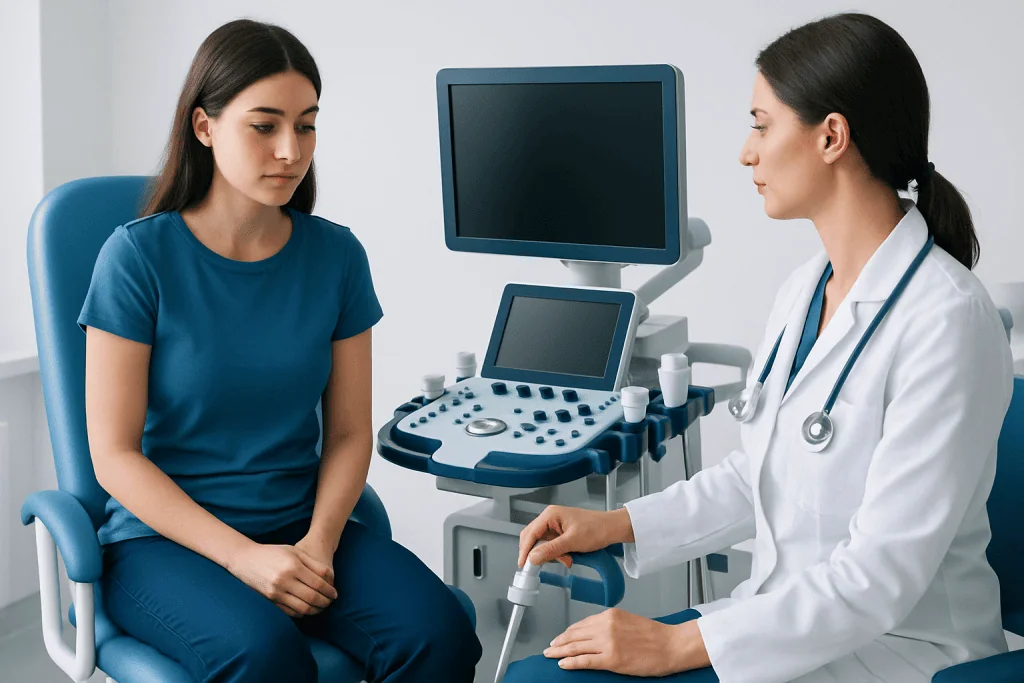
A pelvic examination or pelvic ultrasound may be recommended when there is heavy bleeding, pelvic pain, concern about fibroids or ovarian changes, or other findings that need clarification. In some situations, especially with persistent abnormal bleeding or certain risk factors, a doctor may advise assessment of the uterine lining. These tests help guide treatment and rule out less common but important causes.
Treatment options based on the cause
For temporary cycle changes related to stress, illness, sleep disruption, or changes in exercise and nutrition, periods may settle as the body recovers. Supportive measures can include regular meals, adequate energy intake, gradual and sustainable weight management when needed, sleep routines, and stress-reduction strategies. These measures are supportive rather than a substitute for assessment when periods remain irregular.
When treatment is needed, it is tailored to the diagnosis and the person’s goals, including whether pregnancy is desired now or in the future. Hormonal medicines may be used to regulate bleeding, protect the uterine lining when ovulation is infrequent, reduce heavy periods, or provide contraception. Other treatments may address a thyroid condition, diabetes-related insulin resistance, anemia, infection, or a uterine condition such as fibroids.
For people trying to conceive, the focus may be on identifying whether ovulation is occurring and treating factors that interfere with it. Ovulation-inducing treatment may be appropriate for selected patients after clinical assessment. It is important not to start hormones, supplements, or fertility medicines without medical guidance, as the right choice depends on the cause and can differ considerably between individuals.
Self-care and practical cycle tracking
Cycle tracking can make irregular menstruation easier to describe and may reveal patterns over time. A paper calendar, phone app, or simple note can record the first and last day of bleeding, heaviness of flow, clots, pain, spotting, and symptoms such as acne, headaches, or hot flashes. It is also useful to note new medicines, contraception changes, major stressors, and recent illness.
A balanced eating pattern, regular sleep, and physical activity suited to the person’s health and energy needs can support hormonal wellbeing. People who exercise intensely should ensure they are eating enough to meet their energy requirements. Anyone who is restricting food, has concerns about body image, or has symptoms of an eating disorder should seek compassionate professional support.
Iron-rich foods may be helpful for overall nutrition, particularly for people with heavy periods, but suspected anemia needs medical testing and advice. Over-the-counter pain relief may help some people with menstrual cramps when used as directed and when medically suitable. A clinician or pharmacist can advise on safe options for people with ulcers, kidney disease, bleeding disorders, allergies, or medication interactions.
When to seek medical care
Medical advice is recommended when periods are repeatedly irregular, periods stop for several months without pregnancy or an expected life-stage explanation, or bleeding becomes unusually heavy, prolonged, or painful. Assessment is also sensible when cycle changes are accompanied by new acne, excess hair growth, milk-like nipple discharge, thyroid-related symptoms, unexplained weight changes, or difficulty becoming pregnant.
Urgent medical care is important for very heavy bleeding that rapidly soaks through menstrual products, dizziness, fainting, shortness of breath, severe pelvic pain, or signs of anemia such as unusual weakness or paleness. Bleeding or significant pain during a possible or confirmed pregnancy should be assessed promptly. These symptoms do not always indicate a serious problem, but timely care is the safest approach.
Acibadem International’s multidisciplinary specialists and JCI-accredited hospitals assess menstrual concerns and related hormonal or gynecological conditions for international patients. A gynecologist can help create an individualized plan based on symptoms, medical history, examination findings, and future reproductive goals.
Frequently asked questions
Is it normal to have an irregular period sometimes?
An occasional early, late, light, or heavy period can happen and is often linked to temporary changes such as stress, illness, travel, or sleep disruption. Repeated changes or a pattern that is very different from the person’s usual cycle should be assessed by a healthcare professional.
Can stress cause irregular menstruation?
Yes. Stress can affect hormone signals between the brain and ovaries, which may delay ovulation or cause a missed period. If stress-related changes continue, or if there are other symptoms such as heavy bleeding or pelvic pain, medical advice is still important.
Should a pregnancy test be done for a late period?
A pregnancy test is appropriate when a period is late or missed in anyone who has had penis-in-vagina sex and could become pregnant. This applies even when contraception has been used, because no method is completely effective.
Can birth control make periods irregular?
Yes. Hormonal contraception can cause spotting, lighter bleeding, absent periods, or changes in timing, especially in the first months of use. A clinician should review heavy bleeding, severe pain, or new bleeding changes that are concerning.
Does irregular menstruation always mean PCOS?
No. PCOS is one possible cause, but irregular periods can also result from pregnancy, thyroid problems, stress, weight changes, perimenopause, medicines, and other conditions. Diagnosis requires a clinical assessment rather than relying on cycle timing alone.
Can irregular periods affect fertility?
They can, particularly when irregular periods reflect infrequent or absent ovulation. Many causes of irregular ovulation can be treated or managed, and a gynecologist or fertility specialist can advise based on the individual situation.
References
- American College of Obstetricians and Gynecologists
- World Health Organization
- National Institute of Child Health and Human Development
- National Health Service
- Mayo Clinic
This article is for general information only and is not a substitute for professional medical advice. Please consult a qualified doctor about your individual situation.
Explore treatments in Turkey — costs, top hospitals & a free quote
JCI-accredited · board-certified surgeons · reply within 24h
Add us as a Preferred Source to see more of our trusted health content across Google Search, AI Overviews and Discover.
Check your numbers in seconds
BMI, calories, due date, blood pressure and 30+ more clinical calculators — free, instant, doctor-reviewed ranges.