Cures for low blood pressure: A Complete Medical Guide for Patients

Low blood pressure, or hypotension, is treated based on the underlying cause rather than with a single universal cure. Some people naturally have lower blood pressure without symptoms and may not need treatment.
Key Takeaways
- Low blood pressure, or hypotension, is treated based on the underlying cause rather than with a single universal cure.
- Some people naturally have lower blood pressure without symptoms and may not need treatment.
- Common approaches include improving hydration, adjusting medications, dietary changes, compression garments, and treating related medical problems.
- Urgent medical care is important if low blood pressure causes fainting, chest pain, severe weakness, confusion, or signs of shock.
- A medical evaluation can help distinguish harmless low readings from hypotension linked to heart, hormonal, neurologic, or infectious conditions.
Cures for low blood pressure are not one-size-fits-all. The right approach depends on why blood pressure is low, how severe symptoms are, and whether an underlying condition, medication, or dehydration is involved.
Overview: Are There Real Cures for Low Blood Pressure?
Cures for low blood pressure depend on the reason it is happening. In many cases, low blood pressure improves when dehydration is corrected, a medication is adjusted, or an underlying illness is treated. For some people, especially those who naturally run low without symptoms, no treatment may be needed at all.
Low blood pressure is also called hypotension. It refers to blood pressure that is lower than expected for the person and, more importantly, low enough to cause symptoms such as dizziness, fainting, blurred vision, nausea, or unusual fatigue. A number on its own does not always tell the full story. A reading that is normal for one person may be too low for another.
Patient-friendly guidance often focuses only on quick fixes, but the safest approach is to match treatment to the cause. That may mean simple self-care steps, evaluation for another health problem, or occasionally prescription treatment. If symptoms are recurring, a clinician may also look for related issues such as heart rhythm problems or disorders affecting blood flow and nerve control.
What Low Blood Pressure Can Feel Like
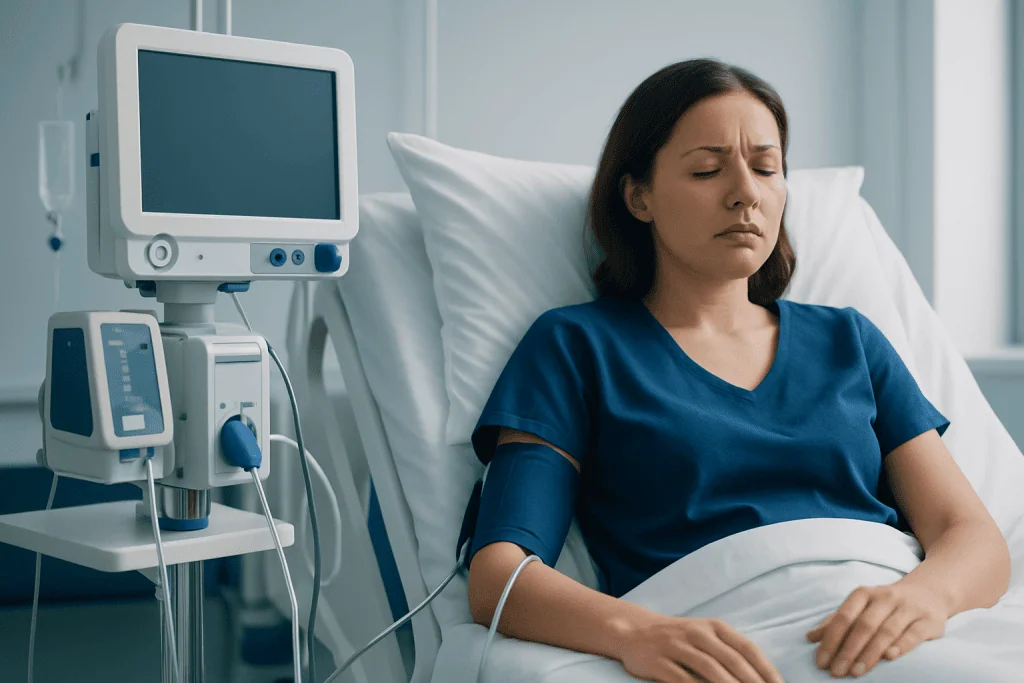
Not everyone with low blood pressure feels unwell. However, when blood pressure drops enough to reduce blood flow to the brain and other organs, symptoms can appear quite quickly. These symptoms may be brief and mild, or they may interfere with daily activities.
Common symptoms include:
- Dizziness or lightheadedness, especially when standing up
- Fainting or near-fainting
- Blurred or dim vision
- Nausea
- Weakness or unusual tiredness
- Trouble concentrating
- Cold, clammy skin
- Rapid or shallow breathing in more severe cases
Some people mainly notice symptoms after getting out of bed, standing after sitting for a long time, exercising, or being in a hot environment. This can happen with orthostatic hypotension, where blood pressure falls when standing. Others may develop low blood pressure after meals, during illness, or because of blood loss.
Symptoms should always be considered in context. For example, a healthy athlete may have a low resting blood pressure and feel completely well, while someone with infection, heart disease, or dehydration may become dizzy and weak with a similar reading.
Why Blood Pressure Becomes Too Low

There are many possible causes of hypotension. One of the most common is dehydration, which can happen from vomiting, diarrhea, fever, heavy sweating, or not drinking enough fluids. Blood loss, even if it is not obvious at first, can also lower blood pressure significantly.
Medications are another frequent reason. Blood pressure drugs, diuretics, some antidepressants, medicines for Parkinson’s disease, and certain heart medications may all contribute. When symptoms begin after a new prescription or dose change, the prescribing doctor should review the treatment plan. People should not stop medicines on their own unless they are told to do so.
Low blood pressure can also be linked to medical conditions affecting the heart, hormones, or nervous system. Examples include slow heart rate, heart valve disease, endocrine disorders such as adrenal insufficiency or thyroid disease, diabetes-related nerve damage, severe allergic reactions, and serious infections. In some cases, low blood pressure occurs alongside heart failure or other cardiovascular problems that reduce the heart’s ability to pump effectively.
Risk may increase with older age, prolonged bed rest, pregnancy, alcohol use, hot weather, and long periods of standing. Some people develop postural symptoms because the body’s automatic response to standing is less effective. Identifying this pattern helps guide the most useful treatment.
How Doctors Find the Cause
Diagnosis begins with a careful history and physical examination. A doctor will ask when symptoms happen, how long they last, what medications are being taken, whether there has been recent illness, and whether fainting has occurred. Measuring blood pressure while lying down, sitting, and standing can help identify orthostatic hypotension.
Further testing depends on what is suspected. Blood tests may check for anemia, infection, dehydration, blood sugar problems, thyroid disease, or electrolyte imbalance. An electrocardiogram can look for rhythm problems, and imaging or heart studies may be used if structural heart disease is a concern. If symptoms suggest circulation or heart-pumping problems, a clinician may recommend echocardiography to assess heart function.
Some patients need more specialized evaluation. A tilt table test may be used when symptoms are triggered by standing and the diagnosis remains unclear. In certain cases, doctors may investigate endocrine or neurologic causes as well. The goal is not simply to confirm a low reading, but to understand whether the blood pressure is harmless, situational, or a sign of another condition.
Treatment Options: From Simple Measures to Medical Care
The best treatment for low blood pressure depends on the cause. If dehydration is responsible, increasing fluids and replacing lost electrolytes often helps. If a medication is contributing, a doctor may reduce the dose, change the timing, or switch to another option. When low blood pressure is linked to an underlying illness, treatment focuses on that condition.
Self-care measures may include standing up slowly, avoiding long periods of standing, eating smaller meals if symptoms occur after eating, and wearing compression stockings when recommended. Some people are advised to increase salt intake, but this should only be done under medical guidance, especially if they have kidney disease, heart disease, or swelling. Caffeine may help some individuals in specific situations, but it is not a reliable or appropriate solution for everyone.
Prescription treatment is sometimes needed when symptoms are persistent or significantly affect quality of life. Doctors may consider medicines that help raise blood pressure or improve blood vessel tone, particularly in chronic orthostatic hypotension. These medicines are chosen carefully because they can have side effects and are not suitable for every patient.
If low blood pressure is severe or sudden, treatment may need to happen urgently in a medical setting. Intravenous fluids, monitoring, and cause-specific care may be necessary, especially if there is infection, bleeding, allergic reaction, or a heart-related emergency. In selected cases where heart rhythm or circulation problems are suspected, advanced testing such as an electrophysiology study or angiography may be part of the broader evaluation.
Prevention and Day-to-Day Self-Care
Preventing episodes of low blood pressure starts with recognizing triggers. Drinking enough water throughout the day is one of the most practical steps, especially during hot weather, travel, exercise, or illness. People who are prone to symptoms after standing may benefit from rising gradually and sitting at the edge of the bed before getting up.
Regular meals can also help, particularly for those who feel weak or dizzy after long gaps without eating. Smaller, more frequent meals may reduce post-meal drops in blood pressure for some people. Alcohol can worsen dehydration and blood vessel relaxation, so limiting it may be helpful.
Keeping a symptom diary can be useful. Recording blood pressure readings, medications, meals, hydration, and the timing of symptoms may reveal patterns that support diagnosis and treatment. People who have recurrent episodes should review all prescription and over-the-counter medicines with a healthcare professional.
When symptoms are ongoing, structured medical follow-up matters more than repeated home fixes. Near the end of the care pathway, some patients choose centers that can coordinate evaluation across cardiology, internal medicine, endocrinology, and neurology. Acibadem International’s multidisciplinary specialists at JCI-accredited hospitals diagnose and treat conditions related to hypotension for international patients.
When to Seek Medical Care
Medical advice is appropriate whenever low blood pressure causes repeated dizziness, fainting, falls, or difficulty with daily activities. A doctor should also evaluate symptoms that start after a medication change or that occur along with palpitations, shortness of breath, vomiting, diarrhea, or unexpected weight loss.
Urgent care is needed if low blood pressure is accompanied by chest pain, severe weakness, confusion, bluish skin, rapid breathing, heavy bleeding, high fever, or signs of allergic reaction. These symptoms can point to a serious drop in circulation that needs prompt treatment. Fainting should not be ignored, especially in older adults or in people with heart disease.
Even when symptoms seem mild, persistent episodes deserve attention. A proper diagnosis can uncover treatable causes and help prevent falls, injuries, and unnecessary anxiety. If there is any uncertainty, it is safest to contact a qualified healthcare professional.
Frequently asked questions
What is the fastest way to raise low blood pressure at home?
If symptoms are mild and the person is alert, lying down and drinking water may help, especially if dehydration is the cause. Standing up slowly and having a small salty snack may also help some people, but this is not appropriate for everyone. Severe symptoms, fainting, or chest pain need medical attention rather than home treatment.
Can low blood pressure be normal?
Yes. Some people naturally have lower blood pressure and feel completely well, especially younger adults and physically active people. Treatment is usually only needed when low blood pressure causes symptoms or is linked to an underlying medical issue.
Are there permanent cures for low blood pressure?
Sometimes. If low blood pressure is caused by dehydration, blood loss, or a medication side effect, it may improve once that issue is corrected. Chronic forms, such as orthostatic hypotension related to nerve or heart conditions, may need long-term management rather than a permanent cure.
Should a person eat more salt for low blood pressure?
Some people with hypotension are advised to increase salt, but this should only be done on medical advice. Extra salt can be harmful in people with heart failure, kidney disease, or certain other conditions. A doctor can explain whether it is safe and appropriate.
What causes dizziness when standing up?
This can happen when blood pressure drops after standing, a condition called orthostatic hypotension. It may be related to dehydration, medications, prolonged bed rest, aging, or disorders affecting the nervous system. Recurrent episodes should be assessed by a healthcare professional.
When is low blood pressure an emergency?
Low blood pressure can be an emergency when it comes with fainting, confusion, chest pain, shortness of breath, severe weakness, heavy bleeding, or signs of shock. These symptoms may mean the body is not getting enough blood flow. Immediate medical care is important.
References
- American Heart Association
- National Heart, Lung, and Blood Institute
- Mayo Clinic
- MedlinePlus
- National Institute on Aging
This article is for general information only and is not a substitute for professional medical advice. Please consult a qualified doctor about your individual situation.
Explore treatments in Turkey — costs, top hospitals & a free quote
JCI-accredited · board-certified surgeons · reply within 24h
Add us as a Preferred Source to see more of our trusted health content across Google Search, AI Overviews and Discover.
Check your numbers in seconds
BMI, calories, due date, blood pressure and 30+ more clinical calculators — free, instant, doctor-reviewed ranges.

More from the Health Library

Related Specialists
Fzt. Cüneyt Karoğlu
Physical Medicine & Rehabilitation
Assoc. Prof. Dr. Umut Kara
Anesthesiology
Prof. Dr. İbrahim Kaya
Orthopedic Surgery & Traumatology
Dr. Ertuğrul Yaltı
General Surgery