Cut Finger: An Evidence-Based Guide for Patients

Apply direct, continuous pressure with clean gauze or cloth to control most bleeding. Rinse minor cuts under clean running water and cover them with a non-stick dressing.
Key Takeaways
- Apply direct, continuous pressure with clean gauze or cloth to control most bleeding.
- Rinse minor cuts under clean running water and cover them with a non-stick dressing.
- Cuts that are deep, widely open, contaminated, numb or difficult to move need urgent medical evaluation.
- Do not try to remove deeply embedded objects or repeatedly inspect a bleeding wound.
- Watch for increasing redness, warmth, swelling, pus, fever or worsening pain, which can indicate infection.
- Keeping tetanus vaccination up to date is an important part of wound protection.
A cut finger can often be managed at home with prompt cleaning, steady pressure to stop bleeding and a clean dressing. However, a deep, dirty, gaping or numb finger wound may need timely medical assessment to protect movement, sensation and healing.
Cut finger: what to do first
A cut finger is common and may happen while cooking, using tools, opening packaging or handling broken glass. For a small, clean cut, immediate first aid is usually enough: wash the hands if possible, apply direct pressure to the wound with clean gauze or a clean cloth, rinse the cut once bleeding is controlled, and protect it with a dressing.
The first priority is controlling bleeding. Hold firm, uninterrupted pressure for about 10 minutes and, if practical, keep the hand raised above heart level. Avoid lifting the cloth repeatedly to check the wound, because this can disrupt the forming clot. If blood soaks through, add another layer over the first rather than removing it.
Once bleeding has slowed or stopped, remove rings from the affected hand early, before swelling develops. A person should not attempt home care alone if the cut is very deep, the edges stay open, sensation is reduced, movement is affected, or an object remains in the wound. These features can point to injury of deeper skin layers, tendons, nerves or blood vessels.
How to clean and dress a minor finger cut
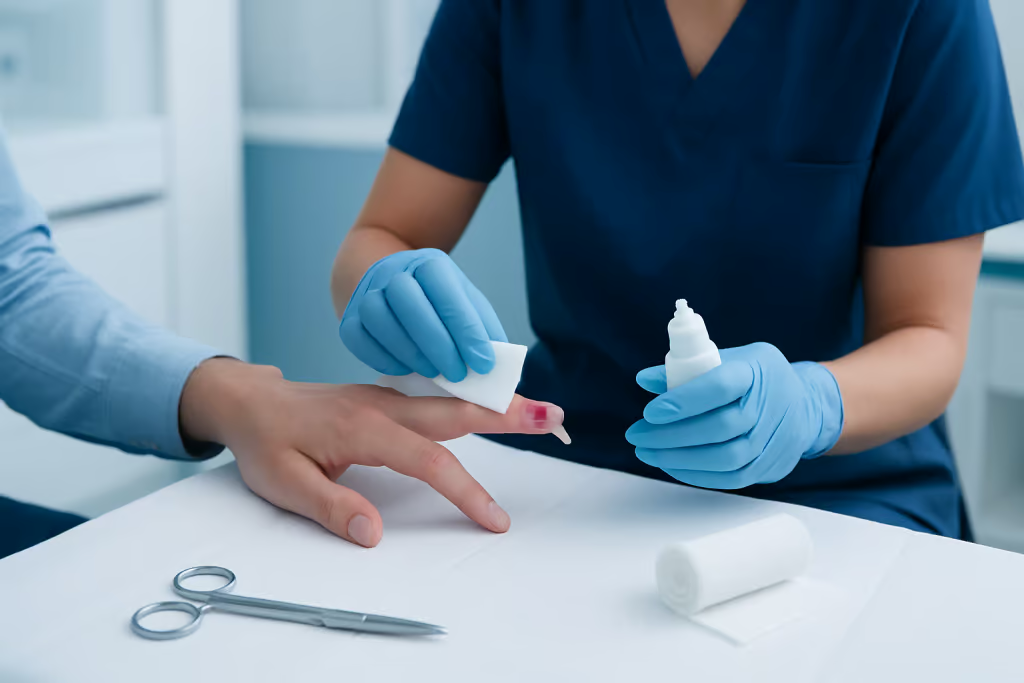
For a minor cut finger, rinse the wound gently under clean running water. Mild soap may be used on the surrounding skin, but it is best not to scrub deeply inside the cut. Visible dirt can be removed carefully with clean tweezers only if it is loose and easy to lift away; tweezers should first be cleaned with alcohol. If debris cannot be removed easily, medical care is safer.
Hydrogen peroxide, iodine and rubbing alcohol can irritate healing tissue when used repeatedly inside a wound. Clean water is generally sufficient for routine first aid. After rinsing, gently pat the surrounding skin dry. A thin layer of petroleum jelly can help keep a superficial wound moist and prevent the dressing from sticking. An antibiotic ointment may be appropriate for some people, but it can cause skin irritation or allergy and is not essential for every uncomplicated cut.
Cover the area with a sterile non-stick pad, plaster or finger bandage. The dressing should be secure but not tight enough to cause throbbing, tingling, coolness or color change in the fingertip. Change it daily, or sooner if it becomes wet, dirty or loose. A waterproof covering may be useful during brief tasks involving water, but prolonged soaking should be avoided while the wound is open.
- Keep the finger protected from friction, dirt and repeated bending when possible.
- Use clean hands when changing a bandage.
- Check the fingertip color, warmth and feeling after applying a dressing.
- Do not use household glues, tape across a dirty wound, or powders inside a cut.
Understanding depth, location and possible injury

The skin of the finger is thin in many areas, so a wound that appears small may still be deeper than expected. The location also matters. Cuts across a finger joint, near the nail, in the fingertip pad, or on the palm side of the finger deserve particular attention because they may affect movement, sensation, nail structures or important blood vessels.
A tendon injury can make it difficult or impossible to fully bend or straighten a finger. A nerve injury may cause persistent numbness, tingling or an altered sensation on one side of the finger. A significant blood vessel injury may cause continued heavy bleeding, while a fingertip that becomes pale, blue, cold or increasingly painful may have impaired circulation. These are not problems to test forcefully at home; the hand should be protected and assessed promptly.
Some wounds are more likely to be contaminated, including cuts from soil-covered objects, animal or human bites, rusty or dirty tools, fishhooks, broken glass and outdoor equipment. Puncture wounds can look small but may carry bacteria deeper into tissue. Bites to the hand have a relatively high risk of infection and should be evaluated by a clinician, even if the skin opening seems minor.
Medical assessment, closure and tetanus protection
A clinician assessing a cut finger will ask how and when the injury occurred, examine the wound and check circulation, sensation and the ability to move the finger. The wound may be irrigated more thoroughly, and an X-ray or other imaging may be considered when glass, metal, bone injury or another retained foreign body is suspected.
Depending on the wound, medical treatment may include wound cleaning, closure with adhesive strips, tissue adhesive or stitches, splinting, pain management, or referral to a hand specialist. Not every cut should be closed. Closing a heavily contaminated wound or one that has been open for a longer period can sometimes increase infection risk, so the decision depends on the injury and the person’s overall health.
Tetanus is a serious infection caused by bacteria that can enter through broken skin. A healthcare professional may recommend a tetanus vaccine booster based on the wound type and the person’s vaccination history. People who are unsure whether they have completed tetanus immunization, or who have a dirty or high-risk wound, should contact a medical professional promptly. Antibiotics are not routinely needed for every simple cut, but may be prescribed for bites, contaminated wounds or people with specific risk factors.
Healing, pain relief and everyday hand care
Many shallow finger cuts begin to feel better within a few days and heal over one to two weeks, although the exact timing depends on depth, location and repeated use of the hand. The fingertip and areas over joints can be slower to heal because they are exposed to pressure, moisture and movement. Protecting the wound during work, exercise and household tasks supports healing.
For discomfort, a person may consider an over-the-counter pain reliever that is appropriate for them, following the product label and advice from a pharmacist or clinician. Cold packs wrapped in a cloth may help reduce swelling around an unbroken area of skin. They should not be placed directly on an open wound or used for prolonged periods.
After the wound has closed, gentle finger movement can help prevent stiffness, unless a clinician has advised splinting or restricted movement. Do not pick at scabs, as this can reopen the skin and increase the chance of scarring or infection. A healed cut may remain tender or sensitive for a time, particularly at the fingertip; persistent numbness, weakness or painful sensitivity should be reviewed by a clinician.
Preventing infection and future finger cuts
Infection is not inevitable after a cut finger, and careful wound care lowers the risk. A healing cut may have mild tenderness and a small amount of redness immediately at its edge. More concerning changes include redness that spreads, increasing warmth or swelling, worsening pain after initial improvement, cloudy drainage or pus, red streaks moving up the hand or arm, fever, or feeling generally unwell.
People with diabetes, poor circulation, immune system conditions, or medicines that suppress immunity should seek advice earlier for any significant wound. These conditions can make infection more likely or slow the healing process. Likewise, people taking blood-thinning medication may need help if bleeding does not stop with sustained direct pressure.
Prevention includes using a stable cutting surface, keeping knives sharp and pointed away from the body, wearing suitable protective gloves for gardening or tool use, and handling broken glass with a brush and dustpan rather than bare hands. In the kitchen, cutting-resistant gloves can be helpful for certain tasks, but they do not replace careful technique. Maintaining routine tetanus vaccination is also an effective preventive measure.
When to seek medical care
Urgent medical care is appropriate if bleeding is spurting, does not stop after 10 to 15 minutes of firm direct pressure, or the wound is deep, gaping or exposes fat, tendon, bone or nail-bed tissue. A person should also seek prompt evaluation for a cut caused by a bite, a contaminated object, broken glass, a rusty tool, or an object that is embedded in the finger. Do not pull out an object that is deeply lodged; stabilize it loosely and seek urgent help.
Same-day assessment is advisable if there is numbness, tingling, loss of feeling, weakness, inability to bend or straighten the finger normally, severe pain, a damaged nail, or a cut crossing a joint. Emergency care is needed if the finger becomes pale, blue, cold, or if there is uncontrolled bleeding or a partial or complete amputation. If a fingertip or finger part is separated, wrap it in clean, damp gauze, place it in a sealed bag, keep the bag cool on ice water, and seek emergency care; do not place tissue directly on ice.
Medical advice is also important if signs of infection appear or if a wound is not improving as expected. Acibadem International’s multidisciplinary specialists and JCI-accredited hospitals can assess hand injuries and provide coordinated care for international patients when needed.
Frequently asked questions
Should a cut finger be covered or left open?
A minor cut finger is usually best covered with a clean, non-stick dressing, especially during the first days of healing. A dressing protects the wound from dirt and friction and can help maintain a moist healing environment. It should be changed daily or whenever it gets wet or dirty.
How long should pressure be applied to a bleeding finger cut?
Apply steady direct pressure with clean gauze or cloth for about 10 minutes without repeatedly checking the wound. If bleeding continues, keep pressure on and add another layer if the first becomes soaked. Bleeding that does not stop after 10 to 15 minutes of firm pressure needs urgent medical assessment.
Can a cut finger be washed with soap and water?
Yes. Rinsing a minor cut under clean running water is a suitable first step, and mild soap can be used around the wound. Avoid scrubbing inside the cut or repeatedly using harsh antiseptics, as they may irritate healing tissue.
How can someone tell if a finger cut needs stitches?
A cut may need closure if it is deep, widely open, located over a joint, continues to bleed, or involves the nail area. A clinician should also assess wounds with visible deeper tissue, numbness, limited movement or contamination. The need for stitches cannot always be judged reliably by appearance alone.
What are the first signs of an infected finger cut?
Increasing redness, warmth, swelling, pain, pus-like drainage and worsening tenderness can suggest infection. Red streaks, fever or feeling unwell require prompt medical attention. Mild local tenderness shortly after an injury can be normal, but symptoms should gradually improve rather than worsen.
Do all cuts from rusty objects require a tetanus shot?
Rust itself does not cause tetanus, but an object that is dirty or has been outdoors can carry bacteria. Whether a tetanus booster is needed depends on the wound and the person’s vaccination history. A healthcare professional can advise if the vaccination record is uncertain or the wound is contaminated.
References
- Centers for Disease Control and Prevention
- American Academy of Orthopaedic Surgeons
- American College of Emergency Physicians
- NHS
- Mayo Clinic
This article is for general information only and is not a substitute for professional medical advice. Please consult a qualified doctor about your individual situation.
Explore treatments in Turkey — costs, top hospitals & a free quote
JCI-accredited · board-certified surgeons · reply within 24h
Add us as a Preferred Source to see more of our trusted health content across Google Search, AI Overviews and Discover.

More from the Health Library



Related Specialists

Dr. Serkan Cici
Emergency Service
Dr. Gülay Beydilli Nacak
Gynecology & Obstetrics
Assoc. Prof. Dr. Fahrettin Kılıç (m)
Radiology
Dr. Haldun Şentürk
Emergency Service