Cystic Acne: What Patients Need to Know

Cystic acne causes deep, tender bumps that form under the skin and may leave scars. Hormones, genetics, excess oil, and blocked pores all play a role in cystic acne.
Key Takeaways
- Cystic acne causes deep, tender bumps that form under the skin and may leave scars.
- Hormones, genetics, excess oil, and blocked pores all play a role in cystic acne.
- Over-the-counter products may help some people, but moderate to severe cystic acne often needs prescription treatment.
- Picking or squeezing lesions can worsen inflammation and increase scarring risk.
- Early medical care can help control breakouts and protect long-term skin health.
Cystic acne is a deep, inflamed form of acne that can cause painful lumps under the skin and increase the risk of scarring. It often improves with the right medical treatment, skin care habits, and early evaluation by a qualified doctor.
What cystic acne is
Cystic acne is a severe inflammatory type of acne in which deep blockages and swelling develop within the skin. It commonly appears as large, painful lumps that do not come to a head easily and may stay for weeks. Unlike mild acne, which mainly causes blackheads or small pimples on the surface, cystic acne affects deeper layers of the skin.
This condition can appear on the face, jawline, chest, shoulders, back, and upper arms. The lesions are often tender, red, and swollen, and they may feel firm or soft under the skin. Because inflammation reaches deeper tissue, cystic acne is more likely to leave marks or permanent scars if it is not treated properly.
Cystic acne is not caused by poor hygiene, and washing the face too often does not cure it. In many people, it develops because of a combination of oil production, clogged pores, bacteria, inflammation, and hormonal activity. Early treatment can make a meaningful difference in both comfort and skin healing.
How to recognize the symptoms
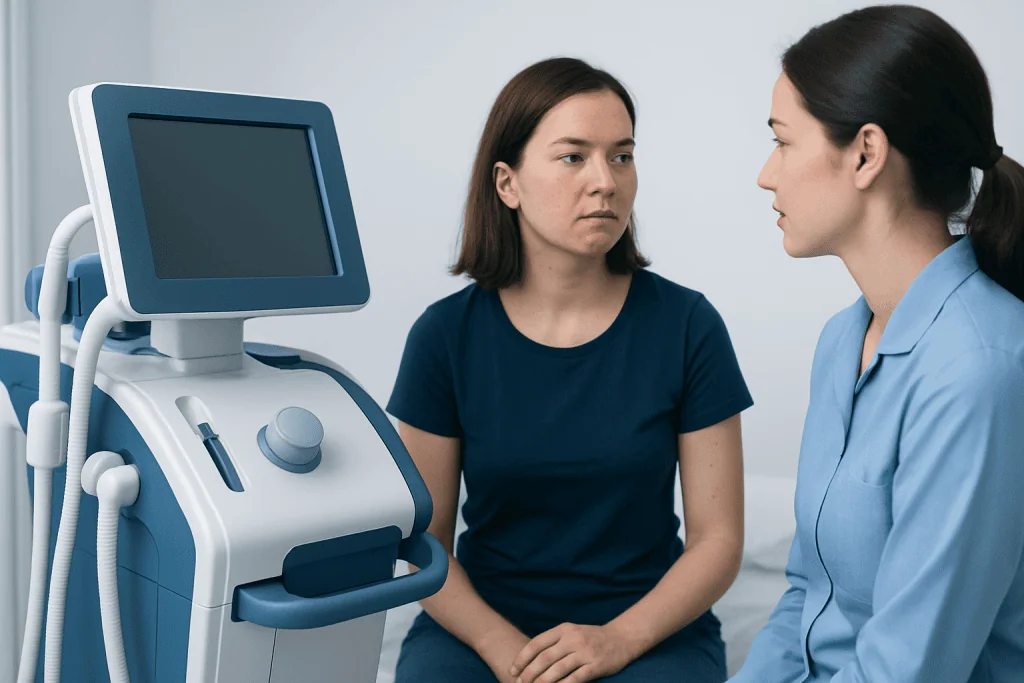
The most common sign of cystic acne is the presence of deep, painful bumps beneath the skin. These lesions are larger and more inflamed than typical pimples. They may be red or skin-colored and can feel warm, swollen, or sore when touched.
People may notice that cystic acne tends to come in repeated flares, especially in the same areas. Breakouts often affect the lower face and jaw in adults, while teenagers may also develop them across the cheeks, forehead, chest, and back. Some lesions may drain, but many remain under the skin and take a long time to settle.
Symptoms can include:
- Large tender nodules or cyst-like lumps
- Redness and visible swelling
- Pain or throbbing discomfort
- Persistent breakouts that do not respond to basic skin care
- Dark marks or scarring after lesions heal
Because it can affect appearance and self-confidence, cystic acne may also have emotional effects. It is common for patients to feel frustrated, embarrassed, or anxious about recurring breakouts, especially when over-the-counter products have not helped.
Why cystic acne happens

Cystic acne develops when hair follicles become blocked with oil, dead skin cells, and debris, then become inflamed deep within the skin. Sebaceous glands produce oil naturally, but when oil output is high and pores clog easily, the environment becomes more likely to support acne formation. Bacteria involved in acne can also trigger an immune response that worsens swelling and redness.
Hormonal changes are a major factor. This is why cystic acne often starts in adolescence, but it can also affect adults. Menstrual cycles, pregnancy, stopping or starting certain hormonal medicines, and conditions that increase androgen activity can all contribute. Genetics also matter; if close family members had severe acne, the risk may be higher.
Other factors may make cystic acne more likely or more persistent:
- Oily or acne-prone skin
- Family history of severe acne
- Hormonal fluctuations
- Use of pore-clogging skin or hair products
- Friction or pressure from helmets, masks, or tight clothing
- Stress, which may worsen existing acne in some people
Diet is not the only cause, but for some individuals certain patterns, such as high-glycemic foods or some dairy products, may play a role. Triggers vary from person to person, so a doctor may recommend looking at the broader picture rather than assuming a single cause.
How doctors diagnose cystic acne
Cystic acne is usually diagnosed through a skin examination and a discussion of symptoms, timing, and previous treatments. A dermatologist or qualified physician looks at the type of lesions, how widespread they are, whether scarring is present, and how much the condition affects daily life. Lab tests are not needed for most patients.
In some cases, the doctor may ask about menstrual irregularities, excess facial hair, weight changes, or medications, especially if hormonal causes are suspected. This can help identify related issues that may need attention. When acne is severe, recurrent, or leaving scars, early specialist care is often helpful.
Doctors also distinguish cystic acne from other skin conditions that can look similar, such as folliculitis, rosacea, inflamed epidermoid cysts, or hidradenitis suppurativa in certain body areas. An accurate diagnosis matters because different conditions may need different treatment plans.
Treatment options for cystic acne
Treatment depends on how severe the acne is, where it appears, whether scarring has started, and whether earlier therapies have failed. Mild acne may respond to topical ingredients, but true cystic acne often needs prescription treatment because the inflammation is deeper. The goal is to reduce new breakouts, calm current lesions, and prevent scars.
Doctors may recommend topical retinoids, benzoyl peroxide, topical antibiotics, oral antibiotics, hormonal treatment for some women, or isotretinoin for selected patients with severe or resistant acne. Steroid injections into very inflamed nodules may sometimes be used to reduce swelling quickly. Because each treatment has benefits and precautions, the plan should be individualized and medically supervised.
When scarring or stubborn breakouts remain, procedural options may be discussed after active inflammation is under better control. Depending on skin type and acne history, a specialist may consider approaches related to acne treatment, chemical peels, or laser treatment as part of broader skin management. These are not first-line solutions for every patient, but they may be helpful in selected cases.
Patients should avoid picking, squeezing, or scrubbing lesions aggressively. These habits can increase inflammation, delay healing, and worsen marks. Consistent treatment usually works better than changing products often or trying many harsh remedies at once.
Skin care, daily habits, and prevention
Although not every case can be prevented, gentle and consistent skin care can support treatment and reduce irritation. Washing the face twice a day with a mild cleanser is usually enough. Heavy scrubbing, alcohol-based toners, and frequent exfoliation often make inflamed skin feel worse rather than better.
Non-comedogenic products are generally preferred because they are less likely to block pores. This applies to moisturizers, sunscreen, makeup, and hair products that touch the skin. Sun protection is also important, especially because some acne treatments can make the skin more sensitive.
Helpful self-care steps include:
- Use a gentle cleanser and lukewarm water
- Choose oil-free or non-comedogenic skin products
- Avoid picking or popping deep lesions
- Remove makeup before sleep
- Wash after heavy sweating
- Follow the treatment plan long enough to judge results
Acne improvement takes time. Many prescription treatments need several weeks before meaningful changes are seen. Keeping a simple record of flare patterns, menstrual timing, skin products, and triggers can also help guide follow-up discussions with a doctor.
When to seek medical care
Medical care is advisable if acne is painful, deep, widespread, or leaving dark marks and scars. A doctor should also evaluate breakouts that do not improve with appropriate over-the-counter care, or acne that is affecting sleep, confidence, work, school, or social life. Early treatment can reduce the chance of long-term scarring.
Patients should seek professional advice if acne begins suddenly in adulthood, appears with other hormonal symptoms, or worsens after starting a new medication. Urgent assessment may be needed if a skin lesion becomes very red, hot, rapidly swollen, or associated with fever, as this may suggest another problem rather than routine acne.
For people who need specialist support, Acibadem International’s multidisciplinary physicians and JCI-accredited hospitals evaluate skin conditions and plan treatment for international patients. If acne is severe or if marks remain after breakouts calm, doctors may also review related concerns such as acne scars and whether targeted follow-up care is appropriate.
Frequently asked questions
Is cystic acne the same as regular acne?
No. Cystic acne is a deeper, more inflamed form of acne that causes painful lumps under the skin. It is more likely than mild acne to leave scars and often needs medical treatment.
Can cystic acne go away on its own?
Some flares may improve over time, but cystic acne often persists or returns without proper treatment. Because it can scar, it is best not to wait too long before seeking medical advice.
Does popping cystic acne help it heal faster?
No. Squeezing deep lesions usually increases inflammation and can push material deeper into the skin. This may delay healing and raise the risk of scarring or infection.
What is the best treatment for cystic acne?
The best treatment depends on severity, skin type, age, and possible hormonal factors. Many patients need prescription medicines, and some benefit from a combination of topical, oral, or procedural treatments under medical supervision.
Can diet cause cystic acne?
Diet is usually not the only cause. However, some people notice that certain foods seem to worsen breakouts, and a doctor may suggest looking at overall patterns rather than focusing on a single item.
Does cystic acne always leave scars?
Not always, but the risk is higher than with surface-level acne because the inflammation reaches deeper skin layers. Early treatment and avoiding picking can help reduce the chance of long-term marks.
References
- American Academy of Dermatology
- National Institute of Arthritis and Musculoskeletal and Skin Diseases
- Mayo Clinic
- National Health Service
- American Academy of Family Physicians
This article is for general information only and is not a substitute for professional medical advice. Please consult a qualified doctor about your individual situation.
Acne in Turkey — costs, top hospitals & a free quote
JCI-accredited · board-certified surgeons · reply within 24h
Add us as a Preferred Source to see more of our trusted health content across Google Search, AI Overviews and Discover.