Cystoscopy and Turbt: An Evidence-Based Patient Guide

Cystoscopy is a camera examination of the urethra and bladder; TURBT is a procedure to remove a bladder tumor through the urethra. A TURBT provides tissue needed to confirm whether a tumor is cancerous and to determine its grade and depth.
Key Takeaways
- Cystoscopy is a camera examination of the urethra and bladder; TURBT is a procedure to remove a bladder tumor through the urethra.
- A TURBT provides tissue needed to confirm whether a tumor is cancerous and to determine its grade and depth.
- Most TURBT procedures are performed under anesthesia and do not require an external surgical incision.
- Temporary burning with urination, blood in the urine, urgency, and frequency can occur during recovery.
- Follow-up is important because some bladder tumors can recur and may need monitoring or further treatment.
Cystoscopy and TURBT are closely related urology procedures used to investigate bladder symptoms and diagnose or remove suspicious bladder growths. Cystoscopy allows the urologist to view the bladder, while TURBT removes visible tumor tissue for laboratory analysis and, often, initial treatment.
Overview: what are cystoscopy and TURBT?
Cystoscopy and TURBT are procedures used to assess and manage abnormalities inside the bladder. A cystoscopy uses a narrow tube with a camera, called a cystoscope, to inspect the urethra and bladder lining. If an abnormal area is seen, a transurethral resection of bladder tumor (TURBT) may be performed to remove it and send it to a laboratory.
These procedures are often discussed together because cystoscopy may identify a growth and TURBT may be needed to establish a diagnosis and treat visible disease. TURBT is performed through the natural urinary passage rather than through an incision in the abdomen. It is a central procedure in the evaluation and early management of suspected bladder cancer.
The terms can be confusing. “Cystoscopy and TUR” may be used in clinical notes, with TUR meaning transurethral resection. A cystoscopy case report or operative report describes an individual examination or procedure, but it cannot predict what another person’s results or recovery will be. The treating urologist can explain the purpose of each planned step.
Cystoscopy vs TURBT: how do they differ?
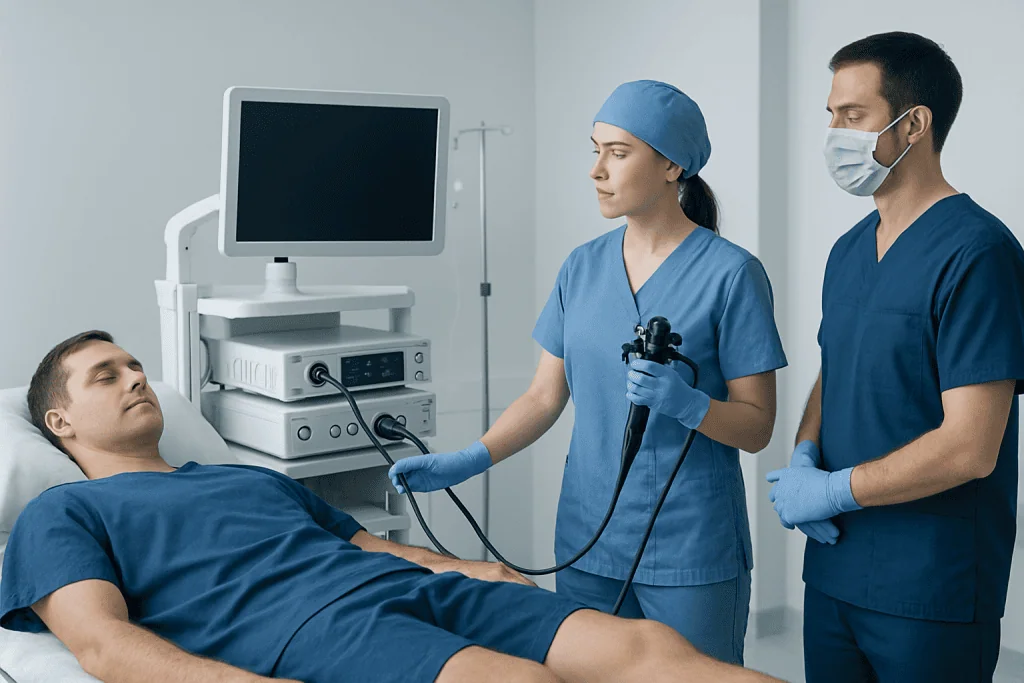
Cystoscopy is primarily an examination. It may be carried out in an outpatient clinic using local anesthetic gel, particularly when the goal is to investigate blood in the urine, recurrent urinary infections, urinary symptoms, or follow-up after a previous bladder condition. The urologist can see changes such as inflammation, stones, narrowing, or an unusual bladder lesion.
TURBT is a therapeutic and diagnostic operation. It is usually done in an operating room under general or spinal anesthesia. The surgeon introduces a resectoscope through the urethra, removes visible tumor tissue with a small wire loop or other instruments, controls bleeding, and sends tissue samples for pathology.
Sometimes a small biopsy can be taken during cystoscopy, but removal of a suspected bladder tumor generally requires TURBT. The pathology report helps identify the tumor type, whether cancer is present, how abnormal the cells appear, and how deeply the tumor has grown into the bladder wall. These findings guide decisions about surveillance and any additional treatment.
Can bladder tumors be removed during cystoscopy?
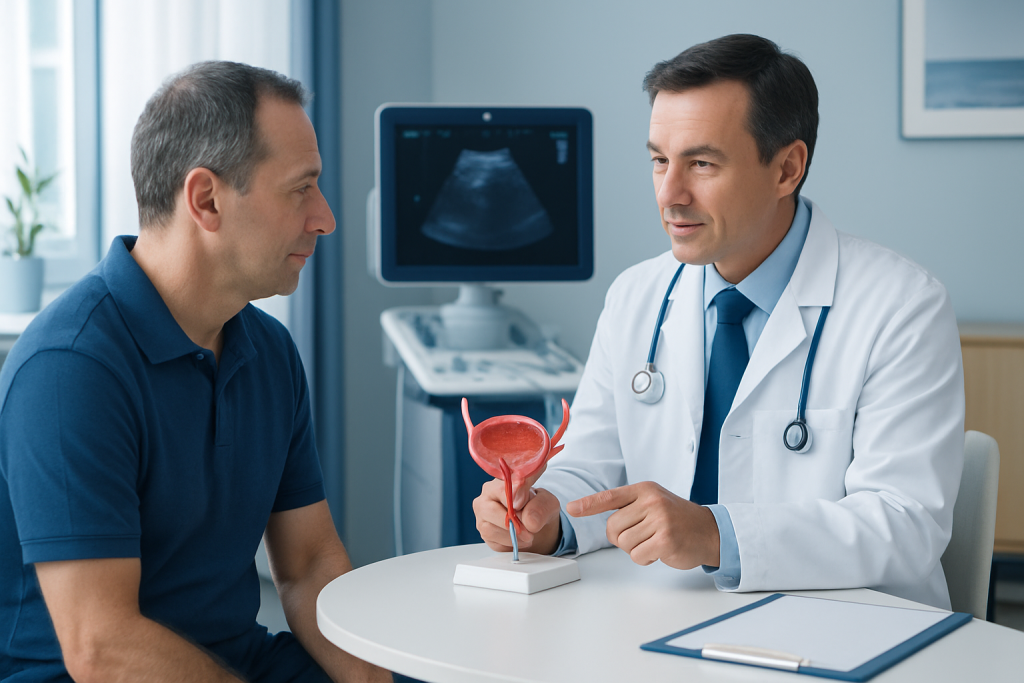
Yes, bladder tumors can be removed through the same natural urinary passage used for cystoscopy, but the full removal procedure is usually called TURBT rather than a routine office cystoscopy. The choice depends on the size, number, location, and appearance of the lesions, as well as the need for anesthesia and adequate tissue sampling.
For a TURBT, the surgeon uses a specialized cystoscope-like instrument designed for resection. Visible tumor is removed as completely and safely as possible, including tissue from the base of the tumor when appropriate. This is important because the pathologist may need to examine deeper bladder tissue to assess whether a cancer has invaded the bladder muscle.
In selected circumstances, very small lesions may be treated with office-based techniques. However, this is not suitable for every person or every lesion. A urologist determines the safest approach after reviewing cystoscopy findings, imaging, medical history, and anesthesia considerations.
Who may need cystoscopy and TURBT?
A clinician may recommend cystoscopy when there is unexplained visible blood in the urine, persistent microscopic blood in urine, recurrent urinary tract infections, troublesome urinary symptoms, an abnormal urine test, or a finding on ultrasound or CT imaging. Cystoscopy is also commonly used to monitor people with a history of bladder tumors.
TURBT may be recommended when cystoscopy or imaging shows a suspected bladder tumor. It may also be used when prior samples were insufficient, when a tumor has returned, or when more accurate staging information is needed. Not every bladder abnormality is cancer; benign growths, inflammation, infection, and treatment-related changes can sometimes resemble a tumor.
Before the procedure, the care team reviews medicines, allergies, bleeding risk, kidney function, urinary infections, and anesthesia history. Blood-thinning medicines should not be stopped independently; the prescribing clinician and urologist should provide an individualized plan. Active urinary infection may need treatment before an elective procedure.
What happens during the cystoscopy TURBT procedure?
Preparation varies according to whether the procedure is a diagnostic cystoscopy or a TURBT. For an office cystoscopy, local anesthetic gel is generally placed in the urethra, and the person may be awake. For TURBT, fasting instructions are usually given beforehand because anesthesia is commonly used. A urine sample, blood tests, or imaging may be requested when clinically appropriate.
During TURBT, the patient is positioned safely after anesthesia takes effect. The surgeon passes the resectoscope through the urethra into the bladder and examines the lining. Sterile fluid gently fills the bladder to improve visibility. The tumor is removed in carefully controlled pieces or by another appropriate technique, and bleeding is treated.
At the end, a urinary catheter may be placed to drain urine and, when needed, rinse the bladder. Some people go home the same day, while others stay overnight for observation, catheter care, or bladder irrigation. In certain cases, the urologist may place medication into the bladder soon after surgery to reduce the chance of early recurrence; suitability depends on surgical findings and individual safety factors.
Procedure coding is an administrative matter rather than a clinical diagnosis. A cystoscopy and TURBT CPT code can differ based on what was done, such as biopsy, tumor size, number of tumors, resection method, and related services. The hospital coding team or insurer can clarify billing questions.
How long does a cystoscopy with TURBT take?
The actual cystoscopy portion may take only a few minutes, while a TURBT commonly takes about 30 to 90 minutes. The total time at the hospital is longer because it includes admission, anesthesia preparation, recovery monitoring, and discharge planning. Larger, multiple, or difficult-to-reach tumors can make the operation longer.
It is not possible to estimate procedure duration from symptoms alone. The surgeon may need additional time to inspect the bladder fully, remove tissue safely, control bleeding, or obtain samples needed for accurate pathology. If unexpected findings arise, the team will explain them when the patient is awake and able to receive information.
Pathology results are not usually available immediately. The time needed depends on the laboratory and whether specialized testing is required. A follow-up appointment is typically arranged to discuss the results, next steps, and a surveillance plan if needed.
Benefits, risks, and recovery after TURBT
The main benefits of TURBT are removal of visible abnormal tissue and obtaining an accurate tissue diagnosis. For many non-muscle-invasive bladder tumors, TURBT is an essential first treatment and may remove all visible disease. It also provides information that helps the care team decide whether further bladder-directed therapy, repeat resection, imaging, or more extensive treatment is appropriate.
Common short-term effects include mild burning when passing urine, needing to urinate more often or urgently, and light blood in the urine. These usually improve over several days, although recovery can vary. People are commonly advised to drink fluids if their clinician permits, avoid strenuous activity or heavy lifting for the recommended period, and follow catheter-care instructions if a catheter is sent home.
Possible complications include urinary infection, bleeding, temporary difficulty passing urine, blood clots in the urine, and reactions related to anesthesia. Rarely, the bladder wall can be injured or perforated, which may require catheter drainage, observation, or further treatment. Promptly reporting concerning symptoms allows the team to assess them safely.
Some tumors recur after TURBT, which is why scheduled cystoscopy follow-up is important. Depending on pathology findings, a urologist may discuss intravesical treatment, repeat TURBT, or other care options. A multidisciplinary team can help coordinate diagnosis and treatment; Acibadem International’s multidisciplinary specialists and JCI-accredited hospitals also support international patients needing bladder tumor assessment and care.
What percentage of cystoscopy finds cancer?
There is no single reliable percentage because the chance of finding cancer on cystoscopy varies greatly with the reason for testing. It depends on factors such as age, smoking history, whether blood in the urine is visible or microscopic, prior bladder cancer, imaging findings, and the presence of other urinary conditions.
Most people who undergo cystoscopy do not have bladder cancer, particularly when testing is performed for common urinary symptoms alone. However, cystoscopy is important because it can identify abnormalities that urine tests and imaging may not fully characterize. It can also detect small bladder lesions in people being monitored after prior treatment.
A normal cystoscopy is reassuring, but the clinician may still recommend follow-up if symptoms continue or if other tests are abnormal. Conversely, an abnormal-looking area does not confirm cancer until tissue is examined by a pathologist. Individual risk should be discussed with the urology team rather than inferred from a general percentage.
Is a TURBT considered major surgery?
TURBT is a surgical procedure, but it is generally less invasive than open or robotic bladder surgery because it is performed through the urethra without an external incision. It commonly involves anesthesia, tissue removal, and a period of recovery, so it should still be approached with the preparation and follow-up appropriate for an operation.
Whether it feels “major” can vary between individuals. The procedure may be relatively brief for a small, superficial lesion, while larger or multiple tumors, complex medical conditions, bleeding risk, or the need for repeat resection can increase the level of care needed. Some patients require only same-day treatment, whereas others benefit from an overnight stay.
The pathology report also affects what follows. A TURBT may be both the initial treatment and the procedure that determines whether further therapy is needed. The urologist can explain expected recovery, activity restrictions, and the likelihood of further treatment based on the surgical findings.
When to seek medical care
Medical assessment is appropriate for visible blood in the urine, especially when it occurs without an obvious explanation, as well as persistent urinary burning, repeated urinary infections, difficulty passing urine, or unexplained urinary urgency. These symptoms often have non-cancerous causes, but evaluation helps identify the cause and guide treatment.
After cystoscopy or TURBT, contact the clinical team urgently for heavy or worsening bleeding, large blood clots, inability to urinate, fever, chills, severe or increasing pain, dizziness, or symptoms that do not improve as expected. Emergency care may be needed for severe bleeding, inability to pass urine with significant discomfort, or signs of a serious infection.
Follow the discharge instructions provided by the treating team, as they are tailored to the exact procedure and medical history. Keeping scheduled pathology and surveillance appointments is particularly important after TURBT, even when recovery feels uncomplicated.
Frequently asked questions
What is the difference between cystoscopy and TURBT?
Cystoscopy is an examination that allows a urologist to look inside the urethra and bladder with a camera. TURBT is an operation performed through the urethra to remove a suspected bladder tumor and obtain tissue for pathology. Cystoscopy may lead to a recommendation for TURBT when an abnormal area is identified.
Does a TURBT cure bladder cancer?
TURBT can remove all visible tumor for many early bladder cancers and is often the first treatment step. Whether it is sufficient on its own depends on pathology results, including tumor grade and depth. Some people need bladder-directed medication, repeat resection, or other treatment, and follow-up cystoscopy is commonly required.
Will a catheter be needed after TURBT?
A catheter is often used temporarily after TURBT to drain urine and allow the bladder to heal. It may be removed before discharge or remain in place for a short period, depending on bleeding, the extent of resection, and the surgeon’s assessment. The care team provides instructions on catheter care and removal.
How long does recovery from TURBT take?
Many people return to light daily activities within several days, but complete recovery can vary with the size and number of tumors removed, catheter use, and overall health. Mild blood in the urine and urinary irritation can occur during early healing. The urologist should advise when to resume work, exercise, sexual activity, and medications.
Is blood in the urine normal after cystoscopy or TURBT?
A small amount of blood in the urine can occur for a short time after cystoscopy and is more common after TURBT. It should generally lessen rather than worsen. Heavy bleeding, clots, inability to urinate, fever, or severe pain should be reported promptly to the treating team.
Why might a repeat TURBT be recommended?
A repeat TURBT may be advised if the first specimen does not contain enough bladder muscle for accurate staging, if a high-grade tumor is found, or if the original tumor was large or incompletely removed. It can help confirm the depth of disease and remove any remaining tumor. The need for repeat surgery is based on pathology and individual clinical findings.
References
- American Urological Association
- European Association of Urology
- National Cancer Institute
- National Health Service
- Urology Care Foundation
This article is for general information only and is not a substitute for professional medical advice. Please consult a qualified doctor about your individual situation.
Cystoscopy in Turkey — costs, top hospitals & a free quote
JCI-accredited · board-certified surgeons · reply within 24h
Add us as a Preferred Source to see more of our trusted health content across Google Search, AI Overviews and Discover.

Urology
Treatment of the urinary system and male reproductive health, including robotic and laser procedures.
63 specialists in this unit