

Deciduous Teeth: A Complete Medical Overview

Deciduous teeth usually begin to erupt around 6 months of age and are typically all present by about age 3. These first teeth are important for nutrition, speech development, jaw growth, and spacing for adult teeth.
Key Takeaways
- Deciduous teeth usually begin to erupt around 6 months of age and are typically all present by about age 3.
- These first teeth are important for nutrition, speech development, jaw growth, and spacing for adult teeth.
- Even though they fall out, deciduous teeth need daily care because decay and early tooth loss can affect long-term oral health.
- Common concerns include teething discomfort, cavities, delayed eruption, early loss, and alignment problems.
- A dentist or pediatrician should assess severe pain, facial swelling, dental trauma, or teeth that seem delayed or abnormal.
Deciduous teeth are the first set of 20 teeth that develop in childhood. They are temporary, but they play an important role in eating, speaking, facial growth, and guiding permanent teeth into the correct position.
Overview: What Are Deciduous Teeth?
Deciduous teeth, also called baby teeth or primary teeth, are the first teeth a child develops. There are 20 deciduous teeth in total: 10 in the upper jaw and 10 in the lower jaw. They begin forming before birth, usually start appearing during the first year of life, and are gradually replaced by permanent teeth during childhood.
Although these teeth are temporary, they are medically important. Deciduous teeth help children bite and chew food properly, support clear speech, and maintain the space needed for adult teeth. They also contribute to normal jaw and facial development.
Parents sometimes assume baby teeth matter less because they will eventually fall out. In practice, healthy deciduous teeth support a child’s comfort, nutrition, sleep, confidence, and future oral health. Problems such as untreated decay or early tooth loss can affect the gums, neighboring teeth, and the way permanent teeth come in later.
How Deciduous Teeth Develop and Erupt
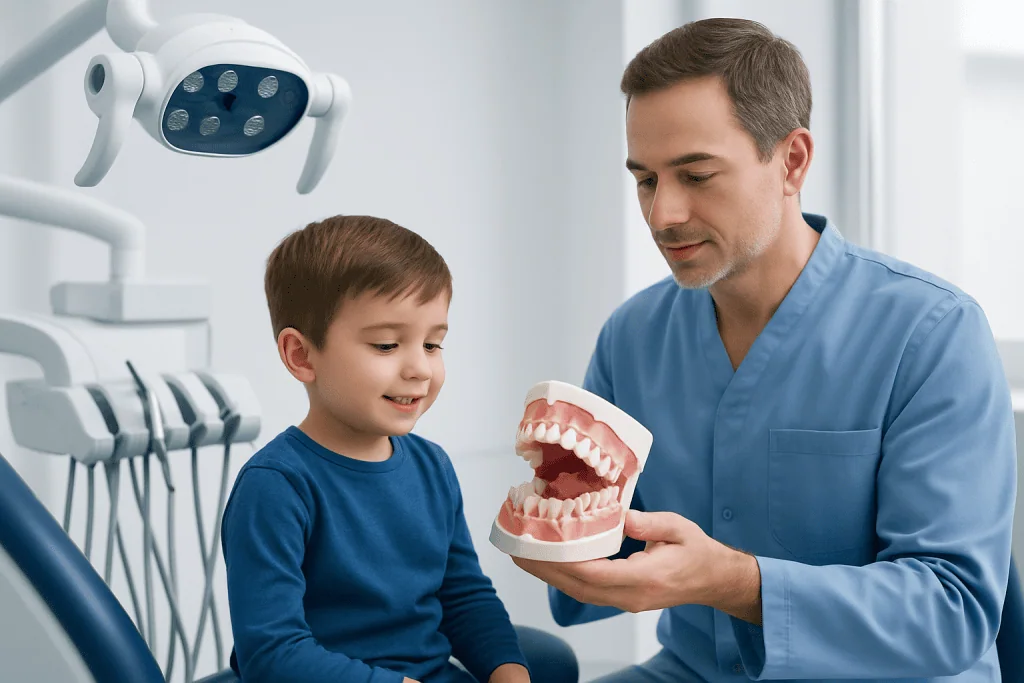
Tooth development starts during pregnancy, when the early tooth buds form in the fetus. The visible eruption of deciduous teeth usually begins at around 6 months of age, although normal timing can vary. Some babies get their first tooth earlier, while others do not show one until closer to their first birthday.
In many children, the lower central incisors appear first, followed by the upper central incisors. Over time, lateral incisors, first molars, canines, and second molars emerge. By about 2–3 years of age, most children have their full set of 20 primary teeth.
These teeth do not fall out all at once. Shedding often begins around age 6 and continues into early adolescence as permanent teeth erupt beneath them. The usual sequence is broadly predictable, but there can be healthy variations from one child to another.
- Typical eruption starts: around 6 months
- Most primary teeth present: by about age 3
- Shedding often begins: around age 6
- Replacement by adult teeth continues through later childhood
Why Baby Teeth Matter More Than Many People Realize
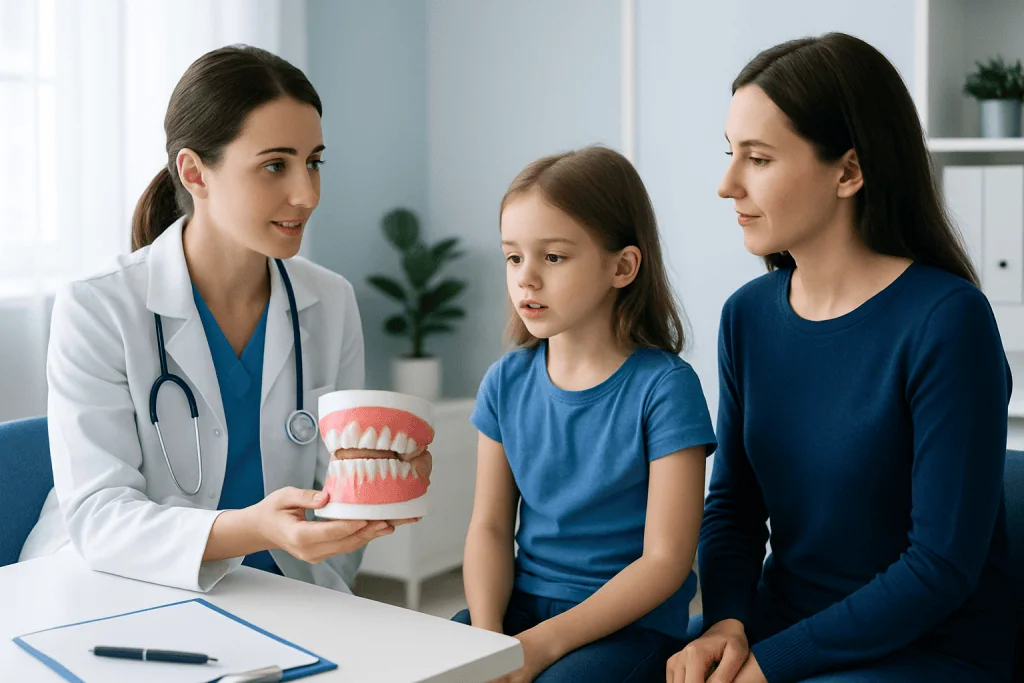
Deciduous teeth do much more than fill a temporary role. They allow young children to chew a wider range of foods, which supports balanced nutrition during years of rapid growth. They also help shape the way sounds are formed, which can influence early speech development.
Another major function is space maintenance. Each baby tooth helps hold room for the permanent tooth that will later replace it. If a deciduous tooth is lost too early because of decay or injury, nearby teeth may drift into the empty space, increasing the chance of crowding or misalignment.
Healthy primary teeth can also reduce the likelihood of pain, infection, and difficulty eating. If concerns arise about spacing, crowding, or the way teeth meet, clinicians may evaluate whether a child could later benefit from orthodontic assessment and care. In some cases, underlying problems such as tooth decay begin in the baby teeth and can affect long-term oral health if not treated.
Common Symptoms and Concerns
As deciduous teeth erupt, many babies experience teething symptoms. Mild gum irritation, increased drooling, a tendency to chew on objects, and temporary fussiness are common. Some children may have mild sleep disruption or reduced interest in solid foods for a short time.
Teething should not cause severe illness. High fever, persistent diarrhea, marked lethargy, or significant feeding problems should not automatically be blamed on teething. If a child seems unwell, a qualified clinician should look for another cause.
Other concerns can develop once teeth are present. These include white or brown spots on the enamel, sensitivity, tooth pain, bad breath, visible cavities, gum swelling, or early tooth loss. Parents may also notice delayed eruption, teeth coming in out of sequence, or signs of crowding or crossbite.
Dental injuries are also common in young children as they learn to walk and play. A bumped, chipped, displaced, or loosened baby tooth should be assessed, especially if there is bleeding, pain, or concern for damage to the underlying permanent tooth.
Causes of Problems and Risk Factors
The most common problem affecting deciduous teeth is dental decay. Cavities develop when bacteria in the mouth feed on sugars and produce acids that weaken tooth enamel. Frequent sugary drinks, prolonged bottle use, bedtime bottles containing milk or juice, inadequate brushing, and irregular dental visits can all raise the risk.
Some children are more prone to tooth problems because of enamel defects, dry mouth, developmental differences, certain medications, or limited exposure to fluoride. Poor oral hygiene in early childhood can also allow plaque to build up around the gumline, increasing the chance of inflammation and decay.
Delayed eruption may be a normal variation, but it can sometimes be linked to family patterns, nutritional issues, crowding, or less commonly, medical conditions affecting growth or development. Trauma can also harm primary teeth directly or affect the developing permanent teeth underneath.
Thumb sucking and prolonged pacifier use may influence the position of the teeth and bite if the habit continues over time. When cavities become deep or painful, some children may need pediatric dental care to restore or remove damaged baby teeth and protect the surrounding structures.
Diagnosis and Dental Checkups
Assessment of deciduous teeth usually begins with a clinical dental examination. The dentist looks at eruption pattern, enamel quality, plaque buildup, gum health, bite alignment, and any signs of decay or trauma. A child’s age, symptoms, feeding habits, and oral hygiene routine are also important parts of the evaluation.
Dental X-rays may be used when needed to check for cavities between teeth, evaluate injuries, or confirm the presence and position of developing permanent teeth. Imaging is used carefully and only when clinically appropriate.
Routine dental visits help identify problems early, often before a child develops significant pain. Many professional groups recommend an early dental visit within the first year of life or soon after the first tooth erupts. Follow-up timing depends on the child’s risk factors and oral health needs.
If there is concern about the supporting tissues around the tooth, clinicians may also evaluate the gums and jaw. More complex conditions can overlap with gum disease or structural abnormalities, though these are less common in very young children than cavities.
Treatment Options and Daily Care
Treatment depends on the problem found. Early enamel changes may improve with preventive measures such as better brushing, dietary guidance, and fluoride-based strategies recommended by a dental professional. Cavities may need fillings, and deeper infections may require more extensive treatment to control pain and preserve oral function.
If a baby tooth is severely damaged, infected, or affecting the surrounding teeth, a dentist may recommend removal. This decision is made carefully because preserving primary teeth is often preferable when possible. In selected situations, the child may need a space-maintaining approach or later restorative dental planning as they grow older, depending on the long-term effect on the developing dentition.
Daily home care is essential. Parents should clean an infant’s gums before teeth erupt, then brush teeth twice daily with an age-appropriate fluoride toothpaste as advised by a dental professional. As children get older, they still need supervision because brushing quality often remains limited for several years.
- Limit frequent sugary snacks and sweet drinks
- Avoid putting a child to bed with a bottle unless it contains only water
- Encourage drinking from a cup at the appropriate age
- Schedule regular dental visits
- Use mouth protection during sports when recommended
Near the end of childhood, if a baby tooth is retained too long or if eruption seems unusual, dental specialists may coordinate monitoring or intervention. Acibadem International’s multidisciplinary specialists and JCI-accredited hospitals diagnose and treat dental conditions for international patients when more complex evaluation is needed.
When to Seek Medical Care
Many issues involving deciduous teeth are minor and can be addressed at a routine dental visit, but some situations need prompt assessment. Medical or dental care should be sought if a child has significant tooth pain, facial swelling, fever with mouth symptoms, pus around a tooth, trouble eating or drinking, or bleeding that does not stop after dental trauma.
Parents should also arrange evaluation if a tooth appears dark after an injury, a baby tooth is pushed out of position, or eruption seems markedly delayed. Persistent bad breath, visible holes in a tooth, gum swelling, or white and brown enamel changes are additional reasons to seek advice rather than waiting for the tooth to fall out naturally.
If a child has a mouth injury together with drowsiness, vomiting, confusion, or concern for head injury, urgent medical assessment is important. A dentist, pediatrician, or emergency clinician can help decide the next steps and whether specialist dental treatment is needed.
Frequently asked questions
What are deciduous teeth?
Deciduous teeth are the first set of teeth a child develops. They are also known as baby teeth or primary teeth and are later replaced by permanent adult teeth.
How many deciduous teeth do children have?
Most children have 20 deciduous teeth in total. This includes incisors, canines, and molars in the upper and lower jaws.
When do deciduous teeth usually come in?
They often begin to erupt around 6 months of age, though normal timing can vary. Most children have all 20 primary teeth by about 2 to 3 years old.
Why is it important to care for baby teeth if they fall out anyway?
Baby teeth help with chewing, speech, comfort, and facial growth. They also hold space for permanent teeth, so decay or early loss can affect future dental alignment and oral health.
Can teething cause fever or severe illness?
Teething may cause mild gum discomfort, drooling, and irritability. It should not be assumed to cause high fever, severe diarrhea, or marked lethargy, so these symptoms should be discussed with a doctor.
What happens if a child gets a cavity in a deciduous tooth?
A cavity in a baby tooth can still cause pain, infection, and damage to nearby tissues if it is not treated. A dentist may recommend preventive care, a filling, or another treatment depending on how deep the decay is.
References
- American Academy of Pediatric Dentistry
- American Dental Association
- Centers for Disease Control and Prevention
- National Institute of Dental and Craniofacial Research
- Mayo Clinic
This article is for general information only and is not a substitute for professional medical advice. Please consult a qualified doctor about your individual situation.
Explore treatments in Turkey — costs, top hospitals & a free quote
JCI-accredited · board-certified surgeons · reply within 24h
Add us as a Preferred Source to see more of our trusted health content across Google Search, AI Overviews and Discover.

More from the Health Library



Related Specialists

Prof. Dr. Kenan Hizel
Infectious Diseases & Clinical Microbiology
Dr. Murat Öksüz
Gastroenterology
Prof. Dr. Ferda Özdemir
Physical Medicine & Rehabilitation
Assoc. Prof. Dr. M. Murat Sezer
Pulmonology