Deficiency Anemia Treatment: How It Works, Results and What to Expect

Deficiency anemia treatment should address both the nutrient deficiency and its underlying cause, such as blood loss, reduced absorption or increased nutritional needs. Iron deficiency anemia is often treated with oral iron first, but intravenous iron may be recommended in selected situations.
Key Takeaways
- Deficiency anemia treatment should address both the nutrient deficiency and its underlying cause, such as blood loss, reduced absorption or increased nutritional needs.
- Iron deficiency anemia is often treated with oral iron first, but intravenous iron may be recommended in selected situations.
- Energy, concentration and exercise tolerance may improve before blood tests fully normalize; replenishing iron stores can take several months.
- Iron infusion is a standard outpatient treatment and does not automatically mean the anemia is life-threatening.
- Ongoing or recurrent anemia needs medical assessment, particularly in men, postmenopausal women, pregnant people and anyone with unexplained bleeding.
Deficiency anemia treatment works by identifying which nutrient is low—most commonly iron—and replacing it while also finding and treating the reason for the deficiency. Many people improve with oral supplements and dietary changes, while intravenous iron or other treatment may be appropriate when anemia is more severe, symptoms are significant, or tablets are not effective or tolerated.
Deficiency Anemia Treatment: How It Works
Deficiency anemia treatment restores the nutrient the body needs to make healthy red blood cells and oxygen-carrying hemoglobin. Iron deficiency is the most common cause, but low vitamin B12 or folate can also lead to anemia. The appropriate plan depends on the blood test results, symptoms, medical history and the cause of the deficiency.
For iron deficiency anemia, treatment commonly includes iron replacement by mouth or, in some circumstances, through a vein. It is equally important to identify why iron became low. Heavy menstrual bleeding, pregnancy, frequent blood donation, a low-iron diet, gastrointestinal blood loss and conditions that reduce iron absorption are possible causes.
A clinician may also review related conditions that can contribute to anemia, including iron deficiency anemia, digestive disorders, kidney disease or chronic inflammation. Treating the cause helps reduce the chance that anemia will return after iron levels improve.
Who May Need Treatment and How It Is Assessed
Anemia may cause tiredness, reduced stamina, shortness of breath with activity, dizziness, headaches, paleness, palpitations or trouble concentrating. Some people have only mild symptoms, especially when anemia develops gradually. Symptoms alone cannot identify the type or severity of anemia, so testing is important.
Assessment usually begins with a complete blood count, which measures hemoglobin and the size of red blood cells. Iron studies, including ferritin and transferrin saturation, can help confirm iron deficiency. Depending on the situation, testing for vitamin B12, folate, inflammation, kidney function or blood loss may also be needed.
People may be candidates for iron replacement if testing confirms deficiency or if a clinician considers it very likely while evaluation continues. The plan should be individualized for children, older adults, pregnant people and those with chronic illness. Unexplained iron deficiency deserves careful assessment rather than self-treatment alone.
- Oral iron may suit people with mild to moderate deficiency who can absorb and tolerate it.
- Intravenous iron may be considered when oral treatment is not tolerated, does not work, is unlikely to be absorbed or when iron needs to be replaced more promptly.
- Vitamin B12 or folate deficiency requires replacement of the specific nutrient and investigation of the cause.
Step by Step: Oral Iron and Iron Infusion Treatment

Oral iron is commonly the first approach for confirmed iron deficiency anemia. A clinician recommends a formulation and schedule based on the individual’s needs. Iron can cause nausea, constipation, diarrhea, stomach discomfort or dark stools. Taking it exactly as advised and discussing side effects early can make treatment easier to continue.
Some foods, drinks and medicines can affect iron absorption. A healthcare professional may advise on timing around meals, tea, coffee, calcium-containing products or acid-reducing medicines. Food sources of iron can support recovery, but diet alone may not correct established anemia quickly enough when iron stores are depleted.
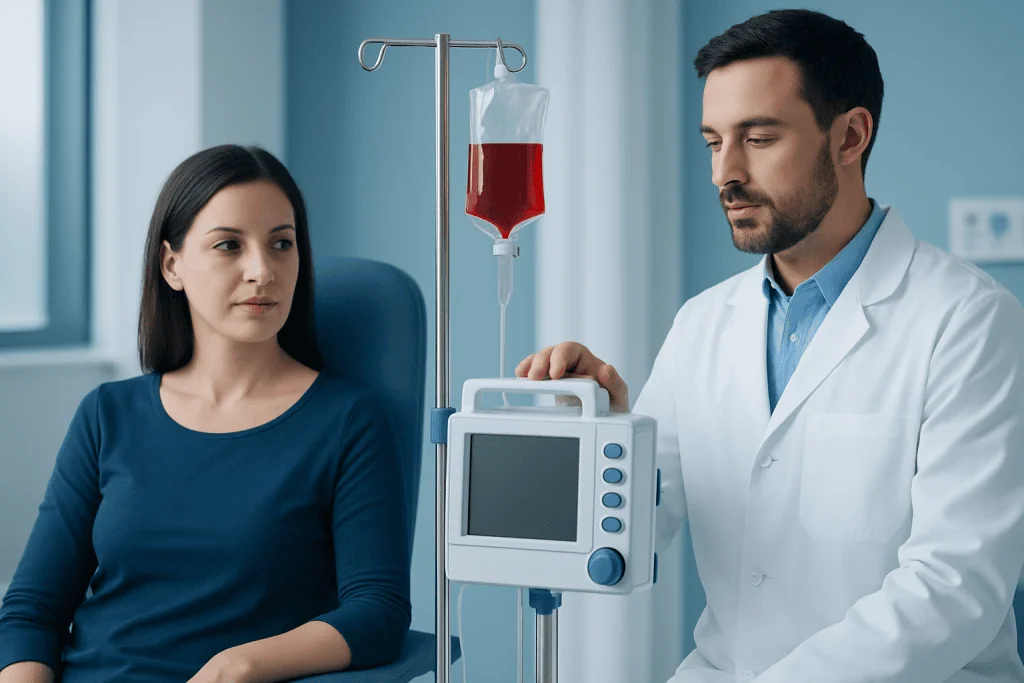
An iron infusion delivers iron directly into a vein in a clinic or hospital setting. Before treatment, the team reviews allergies, previous reactions, health conditions and blood tests. During the infusion, the patient sits or reclines while trained staff administer the medication and observe for reactions; the visit length depends on the iron product and dose prescribed.
After an infusion, most people can return home the same day. Staff may observe the patient briefly after the infusion and provide advice about expected effects, such as temporary headache, nausea, flushing, muscle or joint aches, or changes in taste. Follow-up blood tests show whether hemoglobin and iron stores are recovering as expected.
Benefits, Risks and Recovery Timeline
The main benefit of deficiency anemia treatment is improved oxygen delivery throughout the body as red blood cell production recovers. This can gradually lessen fatigue, breathlessness on exertion, dizziness and reduced exercise tolerance. Treatment also helps protect long-term health by addressing the cause of the deficiency rather than simply masking symptoms.
Oral iron is effective for many people but may cause digestive side effects and may work slowly if absorption is limited. Intravenous iron bypasses the digestive tract and can replace a larger amount of iron in fewer treatment sessions. However, it requires supervised administration because uncommon infusion reactions can occur. Serious allergic reactions are rare, but treatment teams are prepared to recognize and manage them.
Response varies with the severity of anemia, the ongoing cause of iron loss, adherence to treatment and whether another health condition is present. Hemoglobin commonly begins to rise within a few weeks of effective iron therapy, but restoring iron stores often takes longer. Clinicians may continue iron treatment after hemoglobin improves to rebuild stores and reduce recurrence.
Follow-up matters because an improving hemoglobin result does not always mean the cause has resolved. Continued heavy periods, unrecognized gastrointestinal bleeding, poor absorption or an incorrect diagnosis can prevent full recovery. Repeat testing helps guide the duration of treatment safely.
How Long Does It Take to Correct Iron Deficiency Anemia?
Iron deficiency anemia often begins to improve within a few weeks once effective treatment starts, but complete correction usually takes months rather than days. The exact timeline depends on how low the hemoglobin and iron stores were, whether blood loss is continuing and how well the body absorbs and uses iron.
With oral iron, clinicians commonly check blood counts after several weeks to confirm that hemoglobin is rising. Iron infusions can replenish iron more quickly than tablets in suitable patients, but red blood cells still need time to form. Even when symptoms improve, follow-up testing is important before treatment is stopped.
Recovery may take longer if the person has a digestive condition, inflammation, kidney disease, ongoing heavy menstrual bleeding or another source of blood loss. If blood results do not improve as expected, a clinician may reassess the diagnosis, treatment plan, absorption and possible ongoing bleeding.
How Serious Is It If You Need an Iron Infusion?
Needing an iron infusion does not by itself mean that anemia is dangerous or life-threatening. It usually means oral iron is not suitable, is causing difficult side effects, is not being absorbed adequately, or may not replace iron quickly enough for the person’s clinical situation.
For example, intravenous iron may be considered for people with inflammatory bowel disease, after certain digestive surgeries, during later pregnancy when clinically appropriate, or with substantial ongoing iron losses. It may also be used when a person has not responded sufficiently to oral iron despite taking it as advised.
Iron infusions are given under medical supervision because all intravenous medicines carry a small risk of reactions. The clinician will explain the expected benefits, alternatives and relevant risks. The more important question is why iron deficiency developed and whether that cause needs specific treatment.
What Are Signs Your Anemia Is Getting Better?
Early signs that anemia may be improving include better energy, less breathlessness during usual activities, fewer dizzy spells, improved concentration and greater exercise tolerance. These changes are often gradual, and some symptoms may improve at different rates. Feeling better is encouraging but should not replace scheduled blood tests.
Laboratory results provide the clearest evidence of recovery. A rising hemoglobin level suggests that the bone marrow is making more red blood cells, while ferritin and other iron studies help show whether iron stores are being restored. A clinician interprets results in the context of the person’s health and any inflammation or chronic disease.
Symptoms that persist, worsen or return after initial improvement should be discussed with a doctor. They may indicate ongoing blood loss, incomplete replacement, poor absorption, another type of anemia or a separate medical condition that needs attention.
Can You Live a Long Life With Iron Deficiency Anemia?
Many people with iron deficiency anemia can live a long, healthy life when the deficiency and its cause are identified, treated and monitored. Iron deficiency anemia is often reversible, particularly when it is related to nutritional needs, menstrual blood loss or another cause that can be effectively managed.
The key is not to ignore recurrent or unexplained anemia. Long-standing anemia can affect daily wellbeing and may signal an underlying issue such as persistent bleeding or a condition affecting nutrient absorption. Appropriate medical evaluation allows treatment to be tailored and helps prevent complications.
For international patients, Acibadem International’s multidisciplinary specialists and JCI-accredited hospitals can assess anemia, investigate contributing causes and coordinate treatment when needed. Care should always include a follow-up plan with a qualified clinician.
When to Seek Medical Care
Medical advice is recommended for persistent fatigue, unexplained weakness, shortness of breath with routine activity, palpitations, dizziness, pica (craving non-food items such as ice), heavy menstrual bleeding or symptoms that do not improve with treatment. A blood test can determine whether anemia is present and identify the likely type.
Urgent assessment is important for chest pain, fainting, severe shortness of breath, confusion, black or bloody stools, vomiting blood, or heavy bleeding that is difficult to control. These symptoms may indicate significant anemia or active bleeding and should not be managed with supplements alone.
People who are pregnant, have known digestive disease, have had weight-loss or stomach surgery, take medicines that may increase bleeding risk, or have recurring anemia should discuss monitoring with their healthcare team. Iron supplements should be kept safely away from children, as accidental ingestion can be dangerous.
Frequently asked questions
What is the best deficiency anemia treatment?
The best treatment depends on the deficient nutrient and the reason it became low. Iron deficiency anemia is commonly treated with oral iron or intravenous iron, while vitamin B12 or folate deficiency requires replacement of those nutrients. A clinician should also investigate and address blood loss, poor absorption or other contributing conditions.
Should iron deficiency anemia be treated with food alone?
Iron-rich foods support health and can help prevent deficiency, but they may not be enough to correct established iron deficiency anemia. When blood counts or iron stores are significantly low, a clinician may recommend iron supplementation or intravenous iron. Dietary advice is usually part of, rather than a replacement for, medical treatment.
What happens if oral iron causes side effects?
Digestive symptoms such as constipation, nausea, abdominal discomfort and dark stools are relatively common with oral iron. A doctor may adjust the schedule, formulation or timing, or consider intravenous iron when oral treatment is not tolerated or effective. It is best not to stop prescribed treatment without discussing alternatives.
How do doctors find the cause of iron deficiency anemia?
Doctors consider menstrual history, diet, pregnancy, blood donation, medicines, digestive symptoms and previous medical conditions. They may order blood tests and, when indicated, tests to look for bleeding or absorption problems in the digestive tract. The evaluation is tailored to age, sex, symptoms and individual risk factors.
Can anemia return after treatment?
Yes, anemia can return if iron stores are not fully replenished or if the underlying cause continues. Heavy menstrual bleeding, gastrointestinal blood loss, low dietary intake and impaired absorption are examples of reasons iron deficiency may recur. Follow-up blood tests and management of the cause can reduce this risk.
Is it safe to take iron without a blood test?
It is generally better to have anemia assessed before taking iron regularly, especially for persistent symptoms or recurrent anemia. Too much iron can be harmful, and not all anemia is caused by iron deficiency. Testing helps ensure the treatment matches the problem.
References
- World Health Organization
- National Heart, Lung, and Blood Institute
- American Society of Hematology
- National Institute of Diabetes and Digestive and Kidney Diseases
This article is for general information only and is not a substitute for professional medical advice. Please consult a qualified doctor about your individual situation.
Anemia in Turkey — costs, top hospitals & a free quote
JCI-accredited · board-certified surgeons · reply within 24h
Add us as a Preferred Source to see more of our trusted health content across Google Search, AI Overviews and Discover.

More from the Health Library



Related Specialists

Ody. Melisa Yalçın
Audiology
Dr. Arzu Aslan
Dermatology
Dr. Mehriban Allahverdiyeva
Inpatient Clinic Physicians Clinical Service
Dr. Buket Özel Bingöl
Otorhinolaryngology