Definition of flat foot: A Complete Medical Guide for Patients

Flat foot means the arch of the foot is low or collapsed, either all the time or when standing. Some people have no symptoms, while others develop foot, ankle, knee, or lower leg discomfort.
Key Takeaways
- Flat foot means the arch of the foot is low or collapsed, either all the time or when standing.
- Some people have no symptoms, while others develop foot, ankle, knee, or lower leg discomfort.
- Flat foot may be present from childhood or develop later due to tendon problems, injury, aging, or arthritis.
- Diagnosis is usually based on medical history, physical examination, and sometimes imaging tests.
- Treatment depends on symptoms and may include supportive shoes, exercises, orthotics, physical therapy, or surgery in selected cases.
The definition of flat foot is a foot shape in which the arch is lower than usual or absent, so the sole makes more contact with the ground. Flat foot, also called pes planus, can be painless in many people, but in others it may lead to fatigue, pain, or changes in walking.
Overview: what the definition of flat foot means
The definition of flat foot is a condition in which the arch on the inside of the foot is lower than expected or not visible, allowing more of the sole to touch the ground. Doctors may also call it pes planus. Flat foot can affect one foot or both feet, and it may be present from early childhood or develop later in life.
Not every flat foot is a medical problem. Many children naturally appear flat-footed at first because the arch is still developing, and many adults with low arches never have pain or movement problems. In these cases, flat foot is often considered a variation of normal foot shape rather than a disease.
However, flat foot can sometimes change how body weight is distributed through the feet, ankles, and legs. When this leads to discomfort, tired feet, swelling, or altered walking, an assessment may be helpful. Understanding the difference between a painless flat foot and a symptomatic one is often the most important first step.
How flat foot can appear in different forms
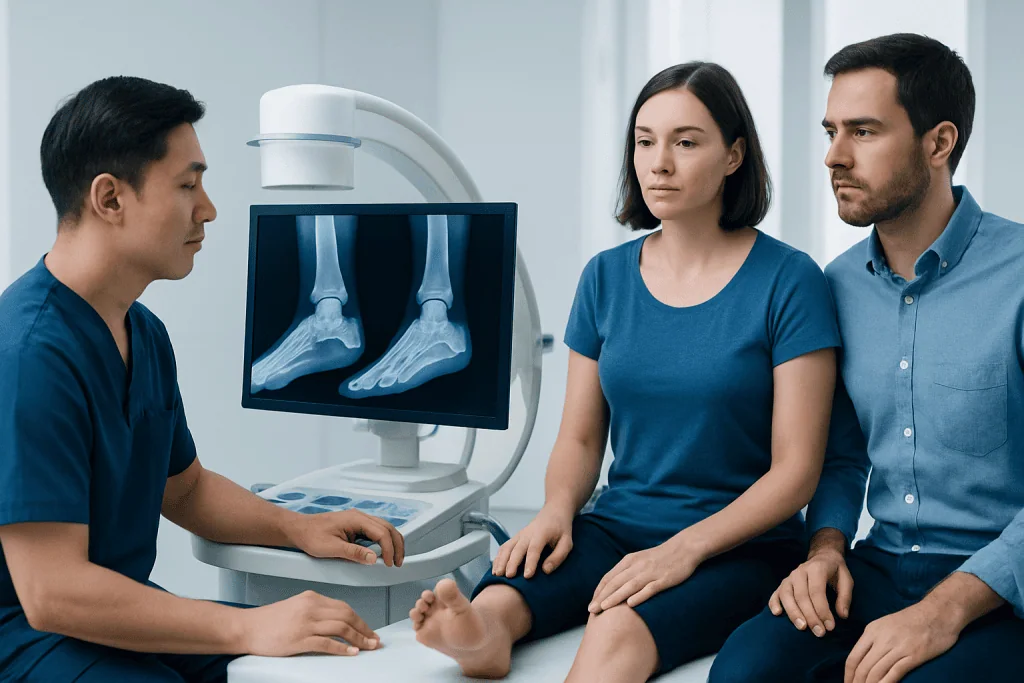
Flat foot is not exactly the same in every person. In some people, the arch is visible when they sit or stand on tiptoe but flattens when they stand normally. This is called a flexible flat foot. It is common and often causes few or no symptoms, especially in children and younger adults.
In other cases, the arch remains absent even when the foot is not bearing weight or when a person stands on tiptoe. This is called a rigid flat foot. A rigid flat foot is more likely to be linked to structural problems, arthritis, previous injury, or conditions affecting the bones and joints.
Doctors also distinguish between congenital and acquired flat foot. Congenital flat foot means the foot shape has been present from birth or early development. Acquired flat foot develops later, sometimes because of strain or damage in the posterior tibial tendon, changes in ligaments, inflammatory joint disease, or age-related wear. Related structural issues may overlap with foot and ankle disorders that affect alignment and walking.
Symptoms and possible effects on daily life

Many people with flat foot have no symptoms at all. Others notice aching in the arch, heel, ankle, or along the inside of the foot, especially after standing for long periods, walking long distances, or exercising. Some describe a tired or heavy feeling in the feet at the end of the day.
When symptoms are present, they can vary in intensity. Common complaints include:
- Foot pain or tenderness, especially near the arch or ankle
- Swelling along the inside of the ankle
- Difficulty standing on tiptoe
- Shoes wearing out unevenly
- Leg fatigue during activity
- Changes in balance or walking pattern
Because the foot is part of the body’s alignment chain, flat foot can sometimes contribute to discomfort higher up, including the knees, hips, or lower back. This does not mean flat foot is always the direct cause, but it may play a role in some people. If symptoms interfere with exercise, work, or routine walking, medical evaluation is reasonable.
Causes and risk factors
Flat foot may be a natural variation in foot structure, especially when it is flexible and painless. In children, low arches often reflect normal development. In adults, inherited foot shape can also explain why some people naturally have flatter feet without any health consequences.
When flat foot develops later or becomes painful, common causes include weakening or injury of the posterior tibial tendon, which helps support the arch. Ligament laxity, obesity, pregnancy, aging, prior fractures, and inflammatory conditions such as rheumatoid arthritis may also contribute. In some people, nerve or muscle disorders can affect the mechanics of the foot.
Other risk factors include long periods of standing, high-impact activity, diabetes-related foot changes, and joint degeneration. Problems such as tendon inflammation or joint wear may coexist with broader orthopedic disorders. In selected cases where tendon damage is suspected, doctors may consider imaging and, if symptoms are significant, discussion of orthopedic surgery as one possible treatment pathway.
How doctors diagnose flat foot
Diagnosis begins with a clinical history. A doctor will usually ask when the flat appearance was first noticed, whether pain is present, what activities worsen symptoms, and whether there has been any injury or swelling. They may also ask about family history, footwear, and conditions such as arthritis or diabetes.
During the examination, the doctor looks at the feet while sitting, standing, and walking. They may observe whether the arch reappears when the patient stands on tiptoe, check ankle movement, assess tenderness along tendons and joints, and inspect shoe wear patterns. This helps distinguish flexible flat foot from rigid flat foot and identifies signs of tendon dysfunction or joint disease.
Imaging is not always needed, especially in painless cases. But when symptoms are persistent or the cause is unclear, tests such as X-rays, ultrasound, or MRI can help evaluate bone alignment, arthritis, tendon injury, or other structural problems. If more detailed evaluation is needed, specialists may use MRI or other radiology methods to guide diagnosis and care planning.
Treatment options and what they aim to do
Treatment depends more on symptoms and function than on foot shape alone. A painless flat foot often needs no medical treatment. In these cases, reassurance, comfortable footwear, and periodic observation may be all that is required.
When symptoms are present, first-line treatment is usually conservative. Supportive shoes with a firm heel counter, arch supports, custom or prefabricated orthotics, stretching, strengthening exercises, and activity adjustment may improve comfort. Physical therapy can help improve flexibility, calf strength, foot control, and walking mechanics, especially when tendon strain or overuse is involved.
Pain relief measures may include rest, ice after activity, and doctor-guided use of medication when appropriate. Surgery is usually reserved for persistent pain, progressive deformity, severe tendon dysfunction, arthritis, or rigid flat foot that does not respond to non-surgical care. Surgical planning is individualized and may involve tendon repair, bone procedures, or joint stabilization depending on the cause.
Prevention and self-care
Not every case of flat foot can be prevented, particularly when foot shape is inherited or part of normal development. Even so, good foot care may reduce strain and help prevent symptoms from getting worse. The goal is usually to support the foot, improve mechanics, and avoid overloading painful structures.
Helpful self-care steps may include:
- Choosing supportive, well-fitting shoes for daily activities and exercise
- Replacing worn shoes that no longer provide stability
- Maintaining a healthy body weight to reduce pressure on the feet
- Stretching the calf muscles and Achilles tendon if tightness is present
- Building foot and ankle strength through clinician-guided exercises
- Reducing repetitive high-impact activity during painful flare-ups
Parents often worry when a child appears flat-footed, but many children develop visible arches over time. If the child is active, pain-free, and walking normally, urgent treatment is usually unnecessary. However, a doctor should assess any child with stiffness, pain, frequent tripping, or one-sided changes in foot shape.
When to seek medical care
Medical advice is appropriate if flat foot causes persistent pain, swelling, limping, or difficulty with normal activity. It is also wise to seek care if one foot becomes flatter than before, if the foot shape changes quickly, or if standing on tiptoe becomes difficult. These signs can suggest tendon problems or another condition that may benefit from early treatment.
Children should be assessed if they have rigid feet, pain, poor shoe tolerance, or trouble keeping up with usual play and exercise. Adults should also seek evaluation if flat foot appears after an injury, if there is numbness or weakness, or if symptoms affect balance or mobility.
Urgent medical attention is important after a major injury, sudden inability to bear weight, marked swelling, signs of infection, or severe unexplained pain. For patients who need specialist assessment, Acibadem International’s multidisciplinary teams in JCI-accredited hospitals evaluate and treat foot and ankle conditions for international patients using individualized care plans.
Frequently asked questions
Is flat foot the same as pes planus?
Yes. Pes planus is the medical term for flat foot. It describes a foot with a low or absent arch, either when standing or more permanently depending on the type.
Can flat foot be normal?
Yes, especially when it is flexible and does not cause pain. Many children and adults have low arches without any medical problem. Treatment is usually only needed when symptoms or functional difficulties develop.
Does flat foot always cause pain?
No. Many people with flat feet have no pain at all. When pain occurs, it may be related to overuse, tendon strain, arthritis, poor footwear, or changes in foot alignment.
Can children outgrow flat feet?
Often, yes. Young children commonly appear flat-footed because the arch is still developing. If the child is pain-free and active, the foot shape may change naturally over time.
What kind of doctor treats flat foot?
Flat foot may be evaluated by a primary care doctor, pediatrician, orthopedist, or foot and ankle specialist. If symptoms are ongoing, a physical therapist or rehabilitation specialist may also be involved in treatment.
Do all people with flat foot need orthotics?
No. Orthotics are usually considered when flat foot causes discomfort or affects walking. Some people do well with supportive shoes alone, while others benefit from custom or ready-made inserts.
When is surgery considered for flat foot?
Surgery is generally reserved for people with significant pain, progressive deformity, rigid flat foot, arthritis, or tendon failure that does not improve with conservative care. The exact procedure depends on the underlying cause and the structures involved.
References
- American Academy of Orthopaedic Surgeons
- National Institute of Arthritis and Musculoskeletal and Skin Diseases
- MedlinePlus
- American Orthopaedic Foot & Ankle Society
- NHS
This article is for general information only and is not a substitute for professional medical advice. Please consult a qualified doctor about your individual situation.
Explore treatments in Turkey — costs, top hospitals & a free quote
JCI-accredited · board-certified surgeons · reply within 24h
Add us as a Preferred Source to see more of our trusted health content across Google Search, AI Overviews and Discover.

More from the Health Library



Related Specialists

Dr. Ebru Özdemir
General Surgery
Prof. Dr. Çiğdem Ünal Gülmeden
Aesthetic Plastic & Reconstructive Surgery
Dr. Gamze Şarbat
Pediatrics
Dr. Halise Akgüneş
Emergency Service