Dehumidifier: What Patients Need to Know

A dehumidifier helps control excess indoor moisture rather than treating disease directly. Keeping humidity in a moderate range may reduce mold growth, dust mites, and musty odors.
Key Takeaways
- A dehumidifier helps control excess indoor moisture rather than treating disease directly.
- Keeping humidity in a moderate range may reduce mold growth, dust mites, and musty odors.
- Poor maintenance can allow microbes to grow in the device or cause air to become too dry.
- People with allergies, asthma, or chronic dampness at home may benefit most from careful use.
- A dehumidifier works best alongside cleaning, leak repair, ventilation, and medical care when needed.
A dehumidifier removes excess moisture from indoor air, which can make a home feel more comfortable and may reduce mold, mildew, and dust mite growth. For patients with allergies, asthma, or damp living spaces, it can be a useful part of home health management when humidity is kept in a healthy range.
Overview: what a dehumidifier does and who may benefit
A dehumidifier is a household device that removes extra moisture from the air. In practical terms, this means it can help a room feel less damp, reduce condensation on windows, and make it harder for mold and dust mites to thrive. For many patients, the main health value of a dehumidifier is not that it cures a condition, but that it helps create a healthier indoor environment.
People often ask whether a dehumidifier is “good for health.” The answer is that it can be helpful when indoor humidity is too high. Excess moisture is associated with mold growth, musty odors, and higher exposure to certain indoor allergens. By lowering humidity to a moderate level, a dehumidifier may support symptom control in some people with allergies or respiratory sensitivity.
Not everyone needs one. In very dry climates or during seasons when indoor air is already dry, using a dehumidifier may offer little benefit and can make the air uncomfortable. The goal is balance: air that is neither excessively damp nor overly dry.
How indoor humidity affects health
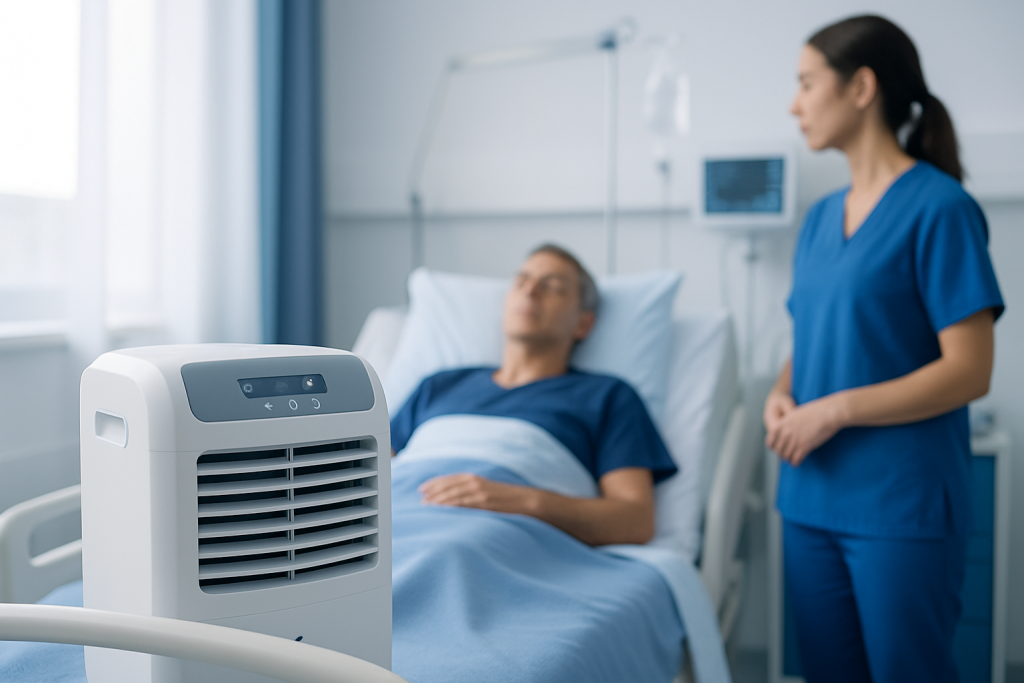
Indoor humidity influences comfort, sleep, and the amount of biological material that can grow inside a home. When air is very humid, people may notice a sticky feeling, difficulty drying laundry, fogged windows, or a persistent musty smell. These signs can suggest that moisture is accumulating indoors.
High humidity may encourage mold and mildew. It can also support dust mites, which are common allergy triggers. In sensitive individuals, this may contribute to sneezing, a runny nose, itchy eyes, coughing, or worsening asthma symptoms. Patients with chronic respiratory concerns may benefit from discussing symptom patterns with a clinician, especially if symptoms are worse at home. Related breathing conditions such as asthma may become harder to control when indoor triggers are not addressed.
Air that becomes too dry can also be irritating. Overuse of a dehumidifier may lead to dry skin, throat discomfort, or nasal dryness in some people. This is why most experts recommend aiming for a moderate indoor humidity level rather than trying to make rooms feel as dry as possible.
- Excess humidity may promote mold growth
- Damp environments can increase dust mites
- Very dry air may irritate the nose, throat, and skin
- Balanced humidity supports comfort and indoor air quality
Potential benefits of using a dehumidifier

The main benefit of a dehumidifier is reducing excess moisture. This can help limit conditions that allow mold, mildew, and dust mites to multiply. For people who live in basements, coastal climates, older buildings, or homes with poor ventilation, this may improve day-to-day comfort and reduce damp smells.
Some patients report fewer allergy-type symptoms when a damp room is brought under control. This can include less nasal congestion, fewer itchy eyes, and less irritation related to mold or dust mite exposure. However, a dehumidifier is best thought of as one part of an environmental control plan rather than a standalone medical treatment.
There may also be practical household benefits. Rooms may feel cooler and more comfortable, condensation can decrease, and fabrics or walls may stay drier. If there is visible mold or persistent moisture damage, removing humidity helps, but the underlying cause still needs attention. In some cases, specialists may assess ongoing respiratory symptoms or sleep-related breathing problems such as sleep apnea if environmental measures alone do not explain symptoms.
When a dehumidifier may not be enough
A dehumidifier can reduce moisture in the air, but it cannot fix all causes of dampness. If a home has water leaks, flooding, poor drainage, roof damage, or major ventilation problems, these issues usually need direct repair. Without correcting the source, humidity often returns and mold may keep coming back.
It is also important to understand that a dehumidifier does not treat infections, chronic lung diseases, or allergic conditions by itself. If a person has frequent wheezing, persistent cough, chest tightness, or recurring sinus symptoms, a medical evaluation may be needed. Depending on symptoms, doctors may consider assessment of the lungs with pulmonary function testing or other appropriate examinations.
Some symptoms have many possible causes, including allergy, reflux, viral illness, air pollution, smoking exposure, or structural breathing problems. A healthier indoor environment can be helpful, but it should not delay proper diagnosis if symptoms are ongoing or severe.
Choosing and using a dehumidifier safely
Safe use starts with proper sizing and placement. A dehumidifier should match the size and dampness level of the room. It usually works best in enclosed spaces where doors and windows are kept reasonably closed while the device is running. Good airflow around the unit is also important.
Maintenance matters. The water collection bucket should be emptied regularly, and the reservoir, filter, and surfaces should be cleaned according to the manufacturer’s instructions. If a device is neglected, stagnant water and dirty filters can reduce performance and may allow unwanted microbial buildup inside the machine.
Patients should also avoid over-drying the air. If skin, lips, nose, or throat become noticeably dry after using the device, humidity may be too low. A simple home hygrometer can help track moisture levels. If there are broader concerns about indoor air quality or moisture-related symptoms, clinicians may recommend environmental assessment along with medical review.
- Use the correct size for the room
- Place the unit where air can circulate freely
- Empty and clean the water container regularly
- Replace or clean filters as directed
- Monitor humidity instead of guessing
Dehumidifier, allergies, asthma, and mold concerns
For patients with allergies, a dehumidifier may help by lowering moisture that supports dust mites and mold. This can be especially useful in bedrooms, basements, and other areas that tend to stay damp. Still, the effect varies from person to person and depends on whether humidity is truly the main trigger.
In asthma, reducing indoor triggers may be part of a broader management plan. That plan can include regular cleaning, mattress and pillow protection, avoiding indoor smoking, and controlling visible mold. If symptoms continue, a doctor may evaluate the airways more closely. In selected cases, care may involve allergy testing to identify environmental triggers that are worsening symptoms.
Visible mold, repeated damp patches, or a strong musty odor suggest that moisture control needs more than a single device. Cleaning should be done carefully and larger mold problems may need professional remediation. Patients with weakened immune systems, significant lung disease, or severe respiratory symptoms should be especially cautious and seek individualized medical advice.
Prevention and self-care at home
A dehumidifier works best when combined with other moisture-control steps. Everyday habits can make a meaningful difference, especially in kitchens, bathrooms, laundry rooms, and basements. The aim is to reduce moisture production, improve ventilation, and stop water from entering the home.
Helpful self-care steps include using exhaust fans when cooking or showering, drying wet surfaces promptly, repairing plumbing leaks, and improving air circulation. In some homes, insulation or window upgrades may reduce condensation. These measures often improve comfort even before a dehumidifier is added.
People with ongoing respiratory or sinus symptoms may also benefit from keeping a simple symptom diary. Noting whether symptoms worsen in damp rooms, after rain, or in a basement can help a clinician identify patterns. If a more detailed review is needed, doctors may recommend tests or imaging such as chest X-ray depending on the clinical picture.
- Repair leaks and water damage promptly
- Use bathroom and kitchen ventilation
- Clean visible mold safely and address the cause
- Wash bedding regularly if dust mites are a concern
- Monitor rooms that feel damp or smell musty
When to seek medical care
Medical advice is appropriate if symptoms continue despite improving the home environment. This includes persistent coughing, wheezing, shortness of breath, chest tightness, recurrent sinus congestion, frequent headaches linked to indoor exposure, or worsening allergy symptoms. A clinician can help determine whether humidity is part of the problem or whether another condition needs attention.
Prompt medical evaluation is especially important for severe breathing difficulty, bluish lips, high fever, chest pain, or sudden worsening of asthma. Infants, older adults, pregnant patients, and people with chronic lung disease or weakened immune systems may need earlier assessment because they can be more vulnerable to indoor environmental triggers.
For international patients who need evaluation of respiratory, allergy, or related symptoms, Acibadem International’s multidisciplinary specialists and JCI-accredited hospitals provide diagnosis and treatment planning tailored to the individual. The most useful approach is usually a combination of medical assessment and practical indoor moisture control.
Frequently asked questions
What is a dehumidifier used for?
A dehumidifier is used to remove excess moisture from indoor air. It can help reduce dampness, condensation, musty odors, and conditions that allow mold and dust mites to grow.
Can a dehumidifier help with allergies?
It may help some people with allergies if their symptoms are triggered by mold or dust mites in a damp environment. It does not treat allergies directly, but it can support symptom control by improving indoor conditions.
Is a dehumidifier good for asthma?
It can be helpful when excess humidity is contributing to indoor triggers such as mold or dust mites. However, it is not a replacement for asthma medication or regular medical care, and ongoing symptoms should be reviewed by a doctor.
Can a dehumidifier make the air too dry?
Yes, if used too aggressively or in an already dry space, it may lower humidity too much. This can lead to dry skin, nasal irritation, throat discomfort, and reduced comfort.
How do patients know if they need a dehumidifier?
Common clues include a persistent musty smell, visible mold, damp walls, frequent condensation on windows, or rooms that always feel humid. A hygrometer can help confirm whether indoor humidity is consistently higher than a comfortable range.
Does a dehumidifier remove mold?
A dehumidifier does not remove existing mold from surfaces. It helps make the environment less favorable for mold growth, but cleaning and addressing the source of moisture are still necessary.
References
- World Health Organization
- United States Environmental Protection Agency
- Centers for Disease Control and Prevention
- American Academy of Allergy, Asthma & Immunology
- National Institute for Occupational Safety and Health
This article is for general information only and is not a substitute for professional medical advice. Please consult a qualified doctor about your individual situation.
Explore treatments in Turkey — costs, top hospitals & a free quote
JCI-accredited · board-certified surgeons · reply within 24h
Add us as a Preferred Source to see more of our trusted health content across Google Search, AI Overviews and Discover.