Delayed Sleep-Wake Phase Disorder: Why You Cannot Fall Asleep Early

Delayed sleep-wake phase disorder causes sleep and wake times to occur much later than desired. People with this condition can often sleep normally if allowed to follow their natural late schedule.
Key Takeaways
- Delayed sleep-wake phase disorder causes sleep and wake times to occur much later than desired.
- People with this condition can often sleep normally if allowed to follow their natural late schedule.
- It is related to the body's circadian rhythm rather than a lack of effort or poor motivation.
- Treatment may include carefully timed light exposure, melatonin, and structured sleep scheduling under medical guidance.
- Consistent routines and limiting evening light exposure can support treatment.
- A sleep specialist can help confirm the diagnosis and rule out other sleep or mental health conditions.
Delayed sleep-wake phase disorder is a circadian rhythm condition in which a person's internal body clock is shifted later than the schedule they need or want. It is not simply a habit of staying up late, and it can affect school, work, mood, and daytime alertness.
Overview
Delayed sleep-wake phase disorder, often shortened to DSWPD, is a type of circadian rhythm sleep-wake disorder. Circadian rhythms are the body’s internal timing systems that help regulate sleep, wakefulness, hormone release, body temperature, and other daily functions. In this condition, the internal clock is shifted later than the person’s social, school, or work schedule.
A person with delayed sleep-wake phase disorder may not feel sleepy until very late at night, sometimes well after midnight, and may struggle to wake up in the morning. If they are allowed to sleep according to their natural pattern, sleep quality and duration may be fairly normal. The main problem is the mismatch between the body’s timing and the outside world’s expectations.
This disorder is especially common in adolescents and young adults, but it can affect people of any age. It is different from occasional late nights, poor sleep habits alone, or simple preference for evenings. For many people, the delay is persistent, causes distress or impairment, and does not improve just by trying harder to go to bed earlier.
Symptoms
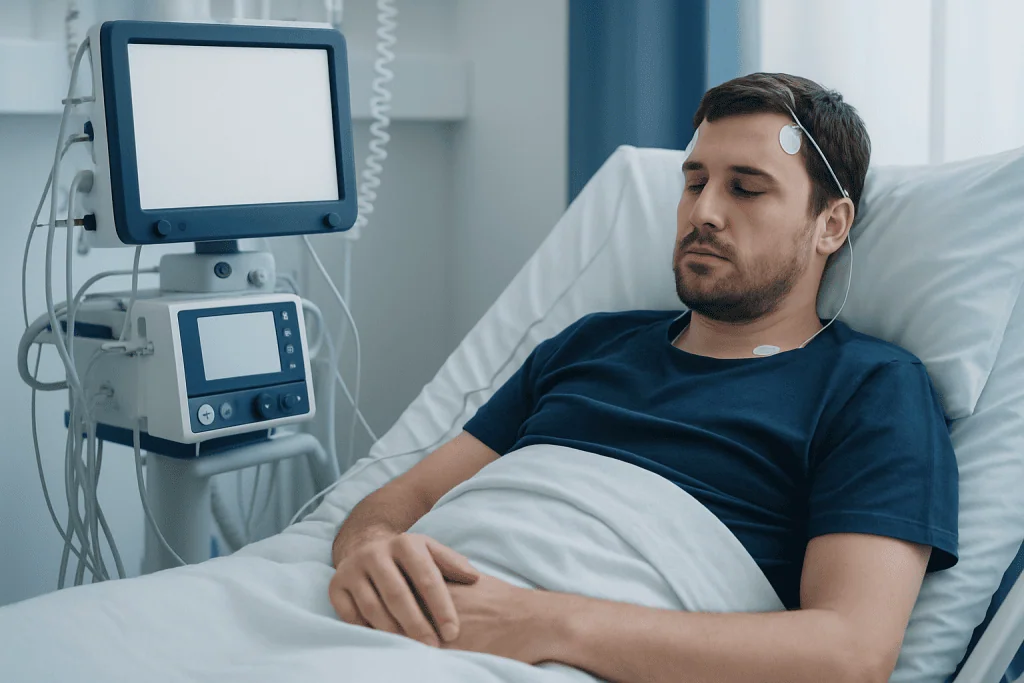
The most noticeable symptom is a long-standing inability to fall asleep at a socially acceptable or desired bedtime. Even when a person goes to bed early, they may lie awake for hours because their body does not yet feel ready for sleep. This can lead to frustration and the feeling that they “cannot fall asleep early” no matter how tired they seem.
Morning wake-up can be equally difficult. People may sleep through alarms, need repeated prompting, or feel very groggy after waking. When they must get up early for school, work, or family responsibilities, they often get too little sleep overall and develop daytime sleepiness.
Other symptoms may include:
- Difficulty keeping a regular morning schedule
- Tiredness, irritability, or low energy during the day
- Trouble with attention, memory, or school and work performance
- Improved sleep and alertness on weekends or holidays when allowed to follow a later schedule
- Stress or mood symptoms related to chronic sleep loss
Because the sleep pattern may look like insomnia at first, some people are misunderstood as having trouble sleeping in general. In delayed sleep-wake phase disorder, however, sleep can be normal when it occurs at the person’s biologically preferred time.
Causes and risk factors

The exact cause of delayed sleep-wake phase disorder is not always clear, but it is linked to how the brain regulates circadian timing. The body clock is influenced by genes, light exposure, behavior, and age. In some people, the internal rhythm naturally runs later, making it harder to become sleepy early in the evening.
Adolescence is a common time for this shift to appear because biological changes during puberty tend to move sleep timing later. Evening exposure to bright indoor light, smartphones, tablets, computers, and other screens can further delay the circadian clock. Irregular schedules, late-night studying, social activities, and sleeping in on weekends may reinforce the pattern.
Risk factors and related influences can include:
- Teenage or young adult age group
- Family history of circadian rhythm differences
- Frequent evening light exposure
- Inconsistent sleep and wake times
- Shifted schedules during school breaks, travel, or remote work
- Coexisting mental health conditions such as anxiety or depression
Some people may also have other sleep conditions at the same time, such as sleep apnea or chronic insomnia. Because symptoms can overlap, a careful evaluation helps identify whether delayed sleep-wake phase disorder is the main issue or one part of a broader sleep problem.
How it is diagnosed
Diagnosis begins with a detailed medical and sleep history. A doctor or sleep specialist asks about bedtime, wake time, school or work schedules, weekend sleep, daytime sleepiness, medications, caffeine use, and mental health symptoms. The pattern over time is important, especially whether the person regularly falls asleep and wakes much later than desired.
Patients are often asked to keep a sleep diary for one to two weeks. A wearable device called an actigraph may also be used to track sleep and activity patterns at home. These tools can show whether the sleep schedule is consistently delayed and help separate the condition from short-term sleep disruption.
Sometimes the main challenge is distinguishing delayed sleep-wake phase disorder from insomnia, depression, lack of sleep hygiene, or another circadian rhythm disorder. In selected cases, additional evaluation in a sleep laboratory may be recommended, especially if another sleep disorder is suspected.
Diagnosis is usually clinical, meaning it is based mainly on the history and pattern rather than a single test. The goal is not only to confirm the disorder but also to understand what is maintaining it, so treatment can be personalized and realistic.
Treatment options
Treatment aims to gradually shift the body clock earlier and help the person maintain a schedule that fits daily life. This is usually done with a combination of behavior changes and circadian timing strategies. Progress often takes time, and success depends on consistency.
Morning bright light therapy is a common treatment. Carefully timed exposure to light shortly after waking can help move the circadian rhythm earlier. Evening light reduction is also important, especially limiting bright room light and screen exposure before bedtime. Some patients may be advised to use light therapy under professional guidance, since timing matters and incorrect timing may worsen the delay.
Low-dose melatonin may sometimes be recommended in the early evening to help signal the body that nighttime is approaching. It is best used only with medical advice, because the timing and formulation matter more than simply taking it at bedtime. Melatonin is not a sleeping pill in the usual sense; it is used to shift circadian timing.
Behavioral approaches can also help. These may include setting a fixed wake-up time every day, avoiding long sleep-ins on weekends, planning wind-down routines, and addressing habits that push sleep later. If insomnia, stress, or anxiety are present, structured support such as cognitive behavioral therapy may be useful as part of the overall plan.
Prevention and self-care
Not every case can be prevented, especially when biology plays a strong role, but daily habits can reduce circadian delay and support treatment. The most helpful step is often consistency. A stable wake-up time, even after a poor night of sleep, helps anchor the body clock more effectively than focusing only on bedtime.
Morning daylight is a powerful cue for the circadian system. Spending time outside soon after waking, opening curtains, and starting the day with regular activity may help the brain recognize that it is daytime. In contrast, bright light late in the evening can push the clock later, so dimmer light and less screen use before bed are often recommended.
Useful self-care strategies include:
- Keeping the same wake time on weekdays and weekends
- Getting bright light exposure soon after waking
- Reducing screen time and bright light in the evening
- Avoiding caffeine late in the day
- Using the bed mainly for sleep rather than work or prolonged phone use
- Building a calm, repeatable wind-down routine before bed
Self-care can be helpful, but it may not be enough for people with a strongly delayed internal clock. If daytime functioning is affected, professional assessment is worthwhile. Near the end of the care journey, some international patients may choose centers such as Acibadem International, where multidisciplinary specialists in JCI-accredited hospitals evaluate and treat sleep disorders in a coordinated way.
When to see a doctor
Medical advice is important when a delayed sleep schedule persists for weeks or months and interferes with daily life. Missing school or work, falling asleep in class, struggling with concentration, or feeling chronically sleep-deprived are signs that professional help may be needed. A doctor can also check for contributing factors such as medication effects, mood disorders, or another sleep problem.
Prompt evaluation is especially helpful if symptoms began suddenly, if there is loud snoring, breathing pauses during sleep, unusual nighttime behaviors, severe depression, or major daytime safety concerns such as drowsy driving. These issues may point to a condition beyond delayed sleep-wake phase disorder and should not be ignored.
For some people, specialist care in neurology or sleep medicine is useful when routine sleep advice has not worked. A tailored plan can improve alignment between the internal clock and daily responsibilities while protecting sleep quality and daytime well-being.
Frequently asked questions
Is delayed sleep-wake phase disorder the same as insomnia?
No. In delayed sleep-wake phase disorder, the main issue is that the body's clock is shifted later, so sleep comes late but may be normal in quality and length when allowed at that time. In insomnia, a person may have trouble falling asleep or staying asleep even when they have an appropriate opportunity to sleep.
Why can someone with this condition sleep well on weekends?
Many people with delayed sleep-wake phase disorder feel better on weekends or holidays because they can follow their natural later sleep schedule. This often means they fall asleep and wake up at times that better match their internal clock, reducing forced sleep loss.
Can teenagers outgrow delayed sleep-wake phase disorder?
Some teenagers improve as their routines change and their circadian rhythm matures, but not everyone outgrows it completely. When symptoms are persistent and disruptive, evaluation and treatment can still be helpful rather than waiting and hoping it resolves on its own.
Does melatonin always help?
Melatonin can help some people, but it is not effective for everyone and should be used carefully. The timing is especially important in delayed sleep-wake phase disorder, so it is best discussed with a qualified clinician rather than taken casually at random times.
How long does treatment take?
Treatment often takes several weeks or longer because shifting the body clock is usually gradual. Improvement tends to be better when a person follows the plan consistently, especially with morning light, stable wake times, and evening light reduction.
Can screen use at night make the problem worse?
Yes. Light from phones, tablets, computers, and bright indoor lighting can signal the brain to stay alert later, which may further delay sleep timing. Reducing evening light exposure is a common part of treatment and self-care.
References
- American Academy of Sleep Medicine
- National Institute of Neurological Disorders and Stroke
- National Heart, Lung, and Blood Institute
- Sleep Foundation
This article is for general information only and is not a substitute for professional medical advice. Please consult a qualified doctor about your individual situation.
Explore treatments in Turkey — costs, top hospitals & a free quote
JCI-accredited · board-certified surgeons · reply within 24h
Add us as a Preferred Source to see more of our trusted health content across Google Search, AI Overviews and Discover.

More from the Health Library



Related Specialists

Assoc. Prof. Dr. Kamer Dere
Treatment of Pain Algology
Prof. Dr. Belgin Selam
Gynecology & Obstetrics
Dr. Işıl Avcı
Physical Medicine & Rehabilitation
Assoc. Prof. Dr. Kayahan Karaytuğ
Orthopedic Surgery & Traumatology