Dementia Doctor, Geriatric Neurologist, or Cognitive Neurologist: Which Specialist for Memory Disorders?

A memory disorders specialist may be a geriatric neurologist, cognitive neurologist, psychiatrist, or geriatrician, depending on the situation. Geriatric neurologists focus on brain and nerve conditions in older adults, including memory decline and dementia.
Key Takeaways
- A memory disorders specialist may be a geriatric neurologist, cognitive neurologist, psychiatrist, or geriatrician, depending on the situation.
- Geriatric neurologists focus on brain and nerve conditions in older adults, including memory decline and dementia.
- Cognitive neurologists specialize in thinking, memory, language, and behavior changes caused by brain disorders.
- Many causes of memory problems are treatable, including medication side effects, sleep problems, depression, thyroid disease, and vitamin deficiencies.
- A full evaluation usually includes medical history, cognitive testing, neurological examination, blood tests, and sometimes brain imaging.
- Early assessment can help guide treatment, safety planning, and support for both patients and families.
Several types of specialists can evaluate memory problems, and the right choice depends on a person’s age, symptoms, and overall health. In many cases, a geriatric neurologist or cognitive neurologist helps clarify whether memory changes are related to normal aging, mild cognitive impairment, dementia, or another medical condition.
Overview: Which Specialist Helps With Memory Disorders?
When memory problems begin to interfere with daily life, many people wonder which doctor to see first. The term memory disorders specialist is a broad one. It can refer to a doctor with expertise in diagnosing and treating conditions that affect memory, thinking, language, judgment, and behavior.
In practice, the most relevant specialists are often a geriatric neurologist, a cognitive neurologist, a general neurologist with dementia expertise, a geriatrician, or sometimes a psychiatrist. A geriatric neurologist focuses on brain and nervous system disorders in older adults. A cognitive neurologist focuses more specifically on disorders of memory and cognition, regardless of age, though many patients are older adults.
Some people use the informal term dementia doctor to describe any physician who diagnoses and treats dementia. There is usually no separate board-certified specialty called “dementia doctor.” Instead, dementia care is often provided by neurologists, geriatricians, psychiatrists, and multidisciplinary memory clinics.
The best specialist depends on the person’s symptoms, age, other medical conditions, and whether the main concern is memory loss alone or a wider pattern of cognitive or behavioral change. Primary care doctors often make the initial assessment and then refer to the most suitable specialist for further testing and management.
How Geriatric Neurologists and Cognitive Neurologists Differ
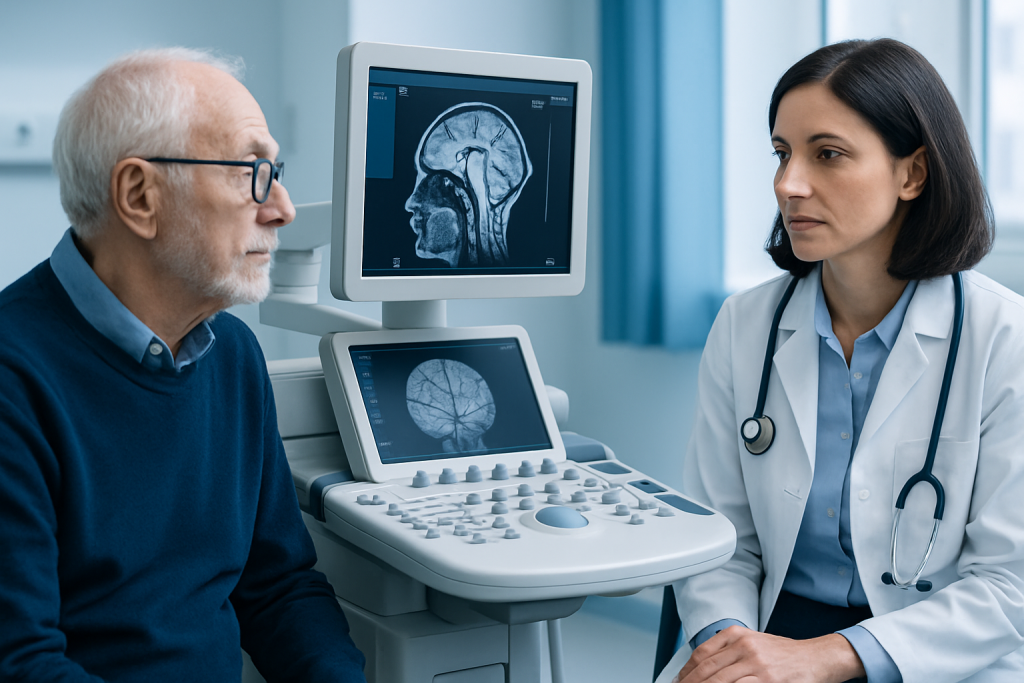
A geriatric neurologist is trained to care for older adults with neurological conditions. This includes dementia, stroke, Parkinson’s disease, tremor, neuropathy, balance problems, and age-related changes affecting the brain and nervous system. This specialist is especially helpful when memory problems occur alongside falls, walking difficulty, movement symptoms, multiple medications, or other conditions common in later life.
A cognitive neurologist specializes in disorders of cognition, including memory, attention, language, problem-solving, and personality or behavioral changes. This type of doctor may evaluate Alzheimer’s disease, frontotemporal dementia, mild cognitive impairment, unusual language syndromes, and other conditions that alter thinking. They are often especially useful when the presentation is complex, early-onset, or diagnostically unclear.
There is overlap between these specialties. Some doctors have expertise in both older adult neurology and cognitive disorders, and many memory clinics bring together neurologists, geriatricians, psychiatrists, neuroradiologists, and neuropsychologists. In real-life care, the title matters less than the doctor’s experience with memory disorders and access to a full diagnostic workup.
For many older adults, either specialist may be appropriate. If the main issue is memory decline in later life with other age-related medical concerns, a geriatric neurologist can be an excellent fit. If the changes involve more specialized questions about language, behavior, or complex cognitive symptoms, a cognitive neurologist may be particularly helpful.
Signs That a Specialist Evaluation Is Needed

Occasional forgetfulness can happen with stress, poor sleep, illness, or normal aging. However, a specialist evaluation is more important when memory changes become persistent, progressive, or disruptive. Family members often notice the changes first, especially if the person repeats questions, misses appointments, gets lost in familiar places, or struggles with tasks that were once routine.
Symptoms that deserve closer attention include difficulty finding words, confusion with finances or medications, poor judgment, mood or personality changes, loss of interest in activities, and trouble following conversations or instructions. New disorientation, hallucinations, major behavior changes, or a sudden decline should be assessed promptly, because they may point to an urgent medical problem rather than a chronic dementia syndrome.
Memory problems do not always mean dementia. Causes may include depression, anxiety, sleep apnea, thyroid disorders, vitamin B12 deficiency, hearing loss, alcohol use, infections, head injury, medication side effects, or delirium. Conditions such as Alzheimer’s disease and vascular cognitive impairment are important possibilities, but they are only part of the picture.
Seeking evaluation early can be helpful even if symptoms seem mild. An earlier diagnosis may allow treatment of reversible causes, better planning for daily life, and support for the person and family before difficulties become more advanced.
What Happens During a Memory Disorder Evaluation
A specialist visit usually begins with a detailed medical history. The doctor asks when symptoms started, how quickly they have changed, and how they affect daily activities such as managing money, shopping, cooking, driving, and taking medications. Information from a family member or close friend is often very useful because changes in memory and judgment may be hard for the individual to notice.
The evaluation typically includes a neurological examination and brief cognitive testing. These tests look at orientation, attention, recall, language, visual-spatial skills, and executive function. Depending on the case, the doctor may also recommend more detailed neuropsychological testing to build a fuller picture of strengths and weaknesses in thinking.
Blood tests are commonly used to check for conditions that can affect memory, such as anemia, infection, thyroid problems, liver or kidney disease, vitamin deficiencies, or metabolic imbalance. Brain imaging may also be recommended. In many cases, this includes MRI scanning or another imaging test to look for stroke, atrophy patterns, tumors, fluid buildup, or other structural changes.
If symptoms suggest a specific neurological disorder, the specialist may order further studies or refer to a memory clinic. The goal is not only to name a diagnosis but also to understand the likely cause, stage, contributing factors, and the person’s overall functional needs.
Conditions These Specialists Commonly Diagnose
Memory disorder specialists evaluate a wide range of conditions. Some patients are diagnosed with mild cognitive impairment, which means measurable thinking changes that do not yet significantly impair independence. Others may have dementia syndromes, in which cognitive decline affects everyday functioning.
Common diagnoses include Alzheimer’s disease, vascular dementia, Lewy body dementia, frontotemporal dementia, and Parkinson’s disease dementia. Specialists also assess memory complaints related to stroke, traumatic brain injury, epilepsy, multiple sclerosis, chronic medical illness, depression, and medication effects. In younger adults, uncommon inherited or inflammatory disorders may also need consideration.
Not all memory concerns are progressive neurodegenerative disease. Sometimes the final diagnosis is sleep deprivation, untreated hearing loss, anxiety, grief, or a drug interaction. This is one reason specialist assessment can be so valuable: it helps separate normal aging and reversible causes from conditions that need ongoing neurological care.
When diagnosis remains uncertain, further tools may be useful, such as PET/CT imaging in selected cases, advanced MRI interpretation, or formal neuropsychological assessment. These tests are chosen individually and are not necessary for everyone.
Treatment, Support, and Long-Term Care
Treatment depends on the cause of the memory problem. If the issue is related to medication side effects, poor sleep, mood disorders, or metabolic problems, addressing those factors may improve symptoms. If a neurodegenerative condition is diagnosed, the care plan may include medicines to help with cognition or behavior, management of cardiovascular risk factors, rehabilitation strategies, and practical support for daily living.
Memory disorder care is often multidisciplinary. In addition to a neurologist or geriatrician, care may involve neuropsychologists, psychiatrists, physical and occupational therapists, speech-language therapists, social workers, and primary care physicians. Some patients also benefit from neurological rehabilitation to support communication, mobility, routine, and independence.
Families and caregivers are an important part of treatment. Education about the diagnosis, safety planning, driving concerns, fall prevention, nutrition, and legal or financial planning can reduce stress and improve quality of life. Support groups and community resources may help caregivers cope with the emotional and practical demands of care.
For people with more complex symptoms, specialist centers can coordinate broader assessment and management. Acibadem International’s multidisciplinary specialists and JCI-accredited hospitals evaluate and treat memory disorders for international patients when advanced diagnostic support is needed.
How to Choose the Right Doctor and When to Seek Help
For many people, the best first step is to speak with a primary care doctor, who can review medications, screen for common medical causes, and arrange referral. A geriatric neurologist may be the best choice for an older adult with memory loss plus movement problems, falls, stroke history, or multiple age-related health issues. A cognitive neurologist may be ideal when symptoms involve language, behavior, complex diagnostic questions, or younger-onset cognitive decline.
It can help to ask practical questions before booking an appointment. Does the doctor regularly evaluate memory disorders? Is cognitive testing available? Will the clinic coordinate brain imaging, laboratory tests, or referrals to neuropsychology and psychiatry if needed? Experience with dementia care and access to a multidisciplinary team are often more important than the exact title alone.
Urgent medical attention is needed if confusion appears suddenly, especially with fever, weakness, severe headache, head injury, new hallucinations, or changes in consciousness. Sudden confusion may reflect delirium, stroke, infection, or another acute condition rather than dementia. Gradual decline should still be evaluated, but emergency symptoms should never wait.
Preparing for the visit can make the evaluation more useful. Bringing a medication list, a summary of symptoms, examples of daily difficulties, and input from a family member helps the specialist build a clearer picture and recommend the most appropriate next steps.
Frequently asked questions
What kind of doctor is best for memory loss?
The best doctor for memory loss depends on the person’s age, symptoms, and medical history. Many people benefit from seeing a geriatric neurologist, cognitive neurologist, or a physician in a memory clinic after an initial review by a primary care doctor.
Is a dementia doctor the same as a neurologist?
The term “dementia doctor” is informal and may refer to several types of specialists. Neurologists often diagnose and treat dementia, but geriatricians and psychiatrists may also play a central role, especially when behavior, mood, or older adult medical issues are involved.
When should someone see a specialist for memory problems?
A specialist should be considered when memory changes are persistent, worsening, or interfering with daily tasks such as driving, managing money, or taking medications. Assessment is also important if there are language problems, personality changes, getting lost, or concern from family members.
Do memory problems always mean dementia?
No, memory problems do not always mean dementia. They can also be related to stress, depression, poor sleep, hearing loss, medication side effects, vitamin deficiencies, thyroid disease, or other treatable medical conditions.
What tests are done during a memory evaluation?
A memory evaluation usually includes a medical history, input from a family member, a neurological examination, and cognitive testing. Blood tests and brain imaging may also be used to look for reversible causes or patterns that support a specific diagnosis.
What is the difference between a geriatric neurologist and a cognitive neurologist?
A geriatric neurologist focuses on neurological disorders in older adults, including memory decline along with other age-related problems such as falls or movement symptoms. A cognitive neurologist focuses more specifically on disorders of memory, language, attention, and behavior caused by brain disease.
References
- World Health Organization
- National Institute on Aging
- Alzheimer's Association
- American Academy of Neurology
- National Institute of Neurological Disorders and Stroke
This article is for general information only and is not a substitute for professional medical advice. Please consult a qualified doctor about your individual situation.
Dementia in Turkey — costs, top hospitals & a free quote
JCI-accredited · board-certified surgeons · reply within 24h
Add us as a Preferred Source to see more of our trusted health content across Google Search, AI Overviews and Discover.

Neurology
Diagnosis and treatment of disorders of the brain, spinal cord, nerves and muscles.
51 specialists in this unitMore from the Health Library



Related Specialists

Assoc. Prof. Dr. Esma Kobak Tur
Neurology
Assoc. Prof. Dr. Emre Özgü
Gynecology & Obstetrics
Dr. Selçuk Cantürk
Anesthesiology
Dt. Maide Deniz Zincirkıran
Dentistry