Dementia Doctor or Memory Loss Specialist: Which Expert Is Right for Cognitive Decline?

Several specialists can evaluate memory loss, including neurologists, geriatricians, geriatric psychiatrists, and neuropsychologists. Not all memory problems are dementia; some causes are reversible, such as medication effects, sleep problems, depression, or vitamin deficiencies.
Key Takeaways
- Several specialists can evaluate memory loss, including neurologists, geriatricians, geriatric psychiatrists, and neuropsychologists.
- Not all memory problems are dementia; some causes are reversible, such as medication effects, sleep problems, depression, or vitamin deficiencies.
- A timely assessment can help clarify the cause of cognitive decline and support earlier treatment and care planning.
- Diagnosis often includes a medical history, physical and neurological exam, cognitive testing, blood tests, and sometimes brain imaging.
- Families can help by tracking symptoms, bringing medication lists, and attending appointments when the patient agrees.
A dementia doctor is usually a neurologist, geriatrician, psychiatrist, or other specialist who evaluates memory loss and thinking changes. The best expert depends on the person’s symptoms, age, medical history, and whether the goal is diagnosis, treatment, or ongoing support.
Overview: Who Is a Dementia Doctor?
A dementia doctor is not always a single type of physician. The term is commonly used for any doctor with experience evaluating memory loss, confusion, language changes, or other problems with thinking. Depending on the situation, this may be a neurologist, a geriatrician, a geriatric psychiatrist, or another clinician with expertise in cognitive disorders.
Memory and thinking changes can happen for many reasons. Some are related to normal aging, while others may reflect mild cognitive impairment, dementia, depression, sleep disorders, medication side effects, thyroid disease, vitamin deficiencies, stroke, or other neurological conditions. Because these causes can overlap, choosing the right specialist is less about finding one perfect title and more about getting a thorough assessment from the most appropriate expert.
In many cases, the first step is a primary care doctor, who can review symptoms, check for common medical causes, and decide whether referral is needed. If symptoms are progressive, affecting daily life, or accompanied by unusual behavior, language difficulty, movement changes, or repeated disorientation, a specialist evaluation is often helpful.
When Memory Loss May Need Specialist Assessment
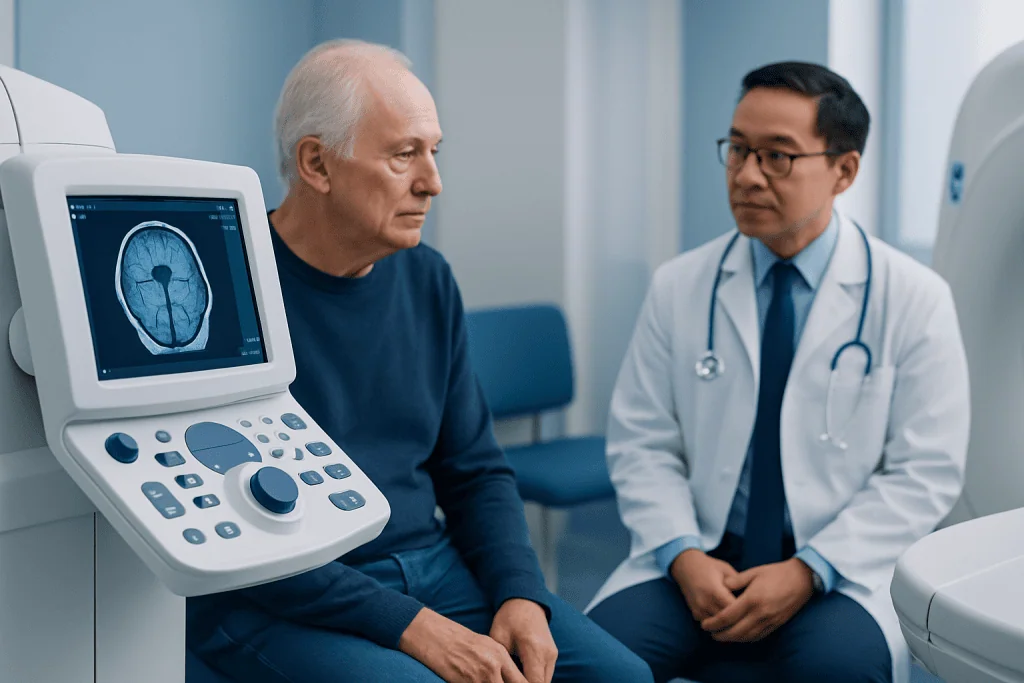
Occasional forgetfulness does not automatically mean dementia. Misplacing items, forgetting a name briefly, or becoming distracted can happen at any age. A memory loss specialist is more often needed when changes are persistent, worsening, or interfering with work, safety, finances, medication management, driving, or independent living.
Common warning signs include asking the same questions repeatedly, getting lost in familiar places, missing appointments, struggling to follow conversations, difficulty finding words, poor judgment, and changes in mood or personality. Family members often notice these changes before the person affected does.
Certain symptoms deserve prompt medical attention because they may point to a more urgent problem. Sudden confusion, abrupt memory loss, weakness, trouble speaking, severe headache, fever, hallucinations, or a rapid decline over days should be assessed urgently. These symptoms can occur with stroke, infection, medication reactions, or other acute illnesses rather than a slowly progressive dementia.
- Progressive memory loss over months or years
- Problems with planning, judgment, or attention
- Language or communication difficulties
- Behavior, mood, or personality changes
- Getting lost, falls, or new safety concerns
Which Specialist Is Right for Cognitive Decline?

A neurologist is often the most direct choice when memory loss may be linked to diseases of the brain or nervous system. Neurologists assess conditions such as Alzheimer’s disease, vascular cognitive impairment, Parkinson-related cognitive changes, seizure disorders, and other causes of progressive decline. They are especially helpful when symptoms include movement changes, balance problems, unusual neurological findings, or a need for detailed brain imaging.
A geriatrician may be the best fit for older adults with memory concerns plus multiple medical conditions, frailty, falls, or complex medication use. Geriatricians look at the whole person, including physical health, daily function, mobility, nutrition, sleep, and caregiver needs. This broad view can be valuable because cognitive symptoms often interact with other health problems in later life.
A geriatric psychiatrist or psychiatrist can be especially useful when symptoms overlap with depression, anxiety, agitation, sleep disturbance, hallucinations, or major behavioral changes. These specialists help determine whether emotional or psychiatric conditions are contributing to cognitive complaints and can guide treatment when behavioral symptoms are prominent.
Neuropsychologists are not medical doctors in most settings, but they are key members of the diagnostic team. They perform detailed cognitive testing to assess memory, attention, language, visuospatial skills, and executive function. This can help distinguish normal aging from mild cognitive impairment or dementia, including conditions such as Alzheimer’s disease, and may clarify strengths and weaknesses that matter for daily life.
What Causes Cognitive Decline?
Cognitive decline has many possible causes, and not all are irreversible. Neurodegenerative diseases such as Alzheimer’s disease, dementia with Lewy bodies, frontotemporal dementia, and vascular dementia are among the better-known causes. However, doctors also evaluate for conditions that may be treatable, including thyroid disorders, vitamin B12 deficiency, depression, dehydration, sleep apnea, infections, and adverse effects of medications or alcohol.
Vascular risk factors can also affect memory and thinking. High blood pressure, diabetes, high cholesterol, smoking, and prior stroke may damage blood vessels in the brain over time. In some people, the pattern of cognitive change is linked to circulation problems rather than a single degenerative disease.
Age is the strongest risk factor for most dementias, but family history, head injury, limited sleep, social isolation, hearing loss, and poor cardiovascular health may also play a role. A specialist considers the full picture rather than assuming one cause based on age alone. In some cases, symptoms may reflect another neurological disorder such as Parkinson’s disease or a combination of conditions.
How a Dementia Evaluation Is Done
The assessment usually begins with a detailed history. The doctor asks when symptoms started, whether they are getting worse, and how they affect daily life. Information from a family member or trusted companion is often very helpful because changes may be subtle or difficult for the patient to recognize. Doctors also review medical conditions, medications, sleep patterns, mood, alcohol use, and any history of stroke or head injury.
A physical and neurological examination follows. The doctor checks balance, reflexes, vision, speech, movement, and other nervous system functions. Brief cognitive screening tests may be done in the clinic, and more detailed testing may be arranged when needed.
Laboratory tests are often used to look for potentially reversible causes of symptoms. Depending on the case, these may include blood tests for thyroid function, vitamin deficiencies, infection, metabolic problems, or other medical issues. Brain imaging such as MRI scanning or CT may be recommended to look for stroke, shrinkage patterns, tumors, pressure-related changes, or other structural causes.
Some patients also benefit from formal neuropsychological evaluation or additional neurological tests. If the diagnosis remains uncertain, a specialist in neurology may coordinate further assessment and follow-up over time, since the pattern of change can itself provide important clues.
Treatment and Ongoing Care
Treatment depends on the cause of the cognitive decline. If symptoms are related to an underlying medical problem such as low vitamin levels, medication side effects, depression, or sleep apnea, treating that condition may improve thinking. If dementia is diagnosed, care focuses on symptom management, maintaining independence as much as possible, supporting safety, and helping patients and families plan ahead.
Some people may be offered medicines to help with symptoms related to Alzheimer’s disease or other dementias, although these treatments do not cure the condition. Non-drug approaches are also important. Structured routines, physical activity, hearing and vision support, good sleep habits, social interaction, and simplifying daily tasks can make a meaningful difference.
Behavioral symptoms such as agitation, anxiety, sleep disruption, or hallucinations should be assessed carefully because triggers are often treatable. Pain, constipation, infection, loneliness, sensory impairment, or medication problems can worsen distress. Management is usually individualized and may involve a team that includes medical specialists, therapists, nurses, and mental health professionals.
In more complex cases, multidisciplinary care can be especially helpful. Near the end of the diagnostic journey, some patients may benefit from centers that combine specialist assessment, cognitive testing, and advanced imaging such as brain MRI. Acibadem International’s multidisciplinary specialists in JCI-accredited hospitals diagnose and treat cognitive disorders for international patients when coordinated specialist care is needed.
How Patients and Families Can Prepare for the Appointment
Preparing ahead of time can make a memory clinic or dementia doctor visit more useful. Patients and families can write down the main concerns, when they began, and examples of how daily life has changed. It may help to note whether symptoms came on gradually or suddenly, whether they fluctuate, and whether they are worse at certain times of day.
Bringing a complete medication list is important, including over-the-counter medicines, sleep aids, supplements, and alcohol use. Some drugs can affect alertness, memory, or balance, especially in older adults. Previous scans, lab results, hearing or vision reports, and hospital records can also help avoid duplication and speed up diagnosis.
If the patient agrees, a family member or trusted friend should attend the visit. They may provide helpful observations and support recall of the doctor’s recommendations. Questions to ask can include what the likely causes are, which tests are needed, whether the person is safe to drive, how to manage medications, and what follow-up should look like.
When to See a Doctor
It is a good idea to see a doctor when memory or thinking problems are new, worsening, or starting to affect daily activities. Early assessment can identify reversible causes, provide reassurance when symptoms are mild, and help families understand what to expect. Even if dementia is suspected, earlier diagnosis often allows more time for treatment decisions, practical planning, and support.
Urgent medical assessment is needed for sudden confusion, abrupt changes in speech, facial drooping, weakness, severe headache, fainting, fever, or rapidly worsening symptoms. These may signal a stroke, infection, medication toxicity, or another emergency. Delaying care in such situations can be dangerous.
For gradual decline, people do not need to wait until symptoms become severe. A primary care doctor can be a good first point of contact, especially when access to a specialist may take time. Referral to a dementia doctor or memory loss specialist can then be arranged based on the pattern of symptoms and the results of initial testing.
Frequently asked questions
What kind of doctor should a person see first for memory loss?
A primary care doctor is often the best first step because they can review medications, screen for common medical causes, and arrange initial tests. If symptoms suggest a neurological or complex cognitive disorder, they may refer the patient to a neurologist, geriatrician, psychiatrist, or memory clinic.
Is a neurologist the same as a dementia doctor?
Not exactly. A neurologist is one of the main specialists who evaluates dementia, but the term dementia doctor can also refer to a geriatrician, geriatric psychiatrist, or another expert in cognitive disorders. The most suitable specialist depends on the symptoms and the person’s overall health.
Can memory loss be caused by something other than dementia?
Yes. Memory problems can be linked to depression, poor sleep, stress, infections, thyroid disease, vitamin deficiencies, medication side effects, alcohol use, and other medical conditions. That is why a proper assessment is important before assuming dementia.
What tests are usually done for cognitive decline?
Doctors often use a medical history, physical and neurological exam, brief cognitive screening, and blood tests. Depending on the case, they may also recommend brain imaging such as MRI or CT and formal neuropsychological testing.
When should memory loss be treated as urgent?
Urgent evaluation is needed if confusion or memory loss appears suddenly or is accompanied by weakness, trouble speaking, severe headache, fever, or rapid decline. These signs may point to stroke, infection, medication reactions, or another acute condition.
Can early diagnosis help if dementia is confirmed?
Yes. Early diagnosis may help patients and families understand the cause of symptoms, consider treatment options, and make practical plans while the person can still take part in decisions. It can also improve access to support services and safety planning.
References
- World Health Organization
- National Institute on Aging
- Alzheimer's Association
- Centers for Disease Control and Prevention
- American Academy of Neurology
This article is for general information only and is not a substitute for professional medical advice. Please consult a qualified doctor about your individual situation.
Dementia in Turkey — costs, top hospitals & a free quote
JCI-accredited · board-certified surgeons · reply within 24h
Add us as a Preferred Source to see more of our trusted health content across Google Search, AI Overviews and Discover.

Neurology
Diagnosis and treatment of disorders of the brain, spinal cord, nerves and muscles.
51 specialists in this unitMore from the Health Library



Related Specialists

Prof. Dr. Kahraman Öztürk
Orthopedic Surgery & Traumatology
Dr. Özlem Çakmak Yılmaz
Pediatrics
Dr. Semra Demirli Atıcı
General Surgery
Dr. Ebru Özdemir
General Surgery